A year ago, you might have had $10,000 saved for emergencies. Today, the median American’s emergency fund is $5,000. Half of what it was.
That’s not a coincidence. That’s a financial collapse happening in slow motion across millions of households.
I used to think emergency funds just disappeared because people were bad with money. Then I realized it’s not carelessness — it’s systematic. Inflation eats it, necessities drain it, and most people can’t rebuild it fast enough.
According to a U.S. News survey from February 2026, more than two in five Americans—43%—couldn’t cover an emergency expense of $1,000 from savings. One-third don’t have enough saved to cover even one month of living expenses. And 29% have more credit card debt than emergency savings.
| Emergency Fund Status | Percentage | Source | Year | Impact |
|---|---|---|---|---|
| Can’t Cover $1,000 Emergency | 43% | U.S. News Survey | Feb 2026 | Majority at risk |
| No Savings for 1 Month Expenses | 33% (1/3) | U.S. News Survey | Feb 2026 | Immediate vulnerability |
| More Credit Card Debt Than Savings | 29% | U.S. News Survey | Feb 2026 | Backwards position |
| Saving Less Due to Inflation | 73% | Survey data | 2026 | Systematic decline |
| Zero Left After Necessities | 25% (1/4) | U.S. News Survey | Feb 2026 | No buffer possible |
Emergency Fund Timeline:
| Time Period | Median Emergency Fund Amount | Change |
|---|---|---|
| 1 year ago | ~$10,000 | Baseline |
| Today (2026) | $5,000 | -50% erosion |
This matters because an emergency fund isn’t optional. It’s the only thing standing between you and debt when something goes wrong.
A car breaks down. A medical bill arrives. A job disappears. These aren’t rare events—they’re inevitable. And when they happen, most Americans today have no cushion. They don’t reach into savings. They reach for a credit card or a personal loan.

Many Americans had emergency funds a few years ago. Not huge ones—most people never saved the recommended three to six months of living expenses. But they had something. $3,000 here, $8,000 there. Enough to handle a $1,500 repair without panicking.
That money is gone now. Where did it go? Two places: inflation ate half of it, and the other half was spent on things that used to cost less.
73% of Americans say they’re saving less due to inflation. Food costs more. Gas costs more. Rent costs more. Medicine costs more. When your expenses rise but your paycheck doesn’t, you don’t suddenly stop eating. You stop saving.
Many people think an emergency fund is something you build once and keep forever. It’s not. It’s a number you have to protect against erosion. Inflation erodes it. Unexpected expenses raid it. And once it’s depleted, most people don’t rebuild it—they’re too busy surviving month to month.
The real danger is what happens when the emergency fund is gone and the emergency still comes.
That’s the moment you understand you’re not prepared. Not because you didn’t plan, but because the planning horizon got shorter while you were trying to catch up with today’s bills.
Start here: 53% of Americans Can’t Cover a $1,000 Emergency

Many Americans tell themselves: “I’ll handle it if something happens.” But that’s not a plan. That’s hope. And when the emergency comes—and it will—hope doesn’t pay the repair bill. A credit card does. A personal loan does. A BNPL plan does.
That’s how you go from having no emergency fund to having $5,000 in new debt.
The problem isn’t that emergency funds should be bigger. The problem is that most people can’t build them in the first place. A quarter of U.S. families have no money left to save after buying necessities like groceries and utility bills. You can’t save what you don’t have.
But here’s the hard truth many financial advisors won’t say: if you genuinely have zero dollars left after expenses, no emergency fund strategy will work. You have a bigger problem—your life costs more than your income. An emergency fund won’t fix that. Only earning more or spending less will.
That said, many Americans do have some room to save. Not much—maybe $50 a month—but some. And most of those people aren’t building emergency funds. They’re spending that money anyway.
Why? Because saving for an emergency you can’t predict feels pointless. The money sits there. You could spend it now and feel something. Or you could save it and feel nothing until a crisis comes.
Cycle it creates: Personal Loans: The New Debt Trap Americans Are Walking Into
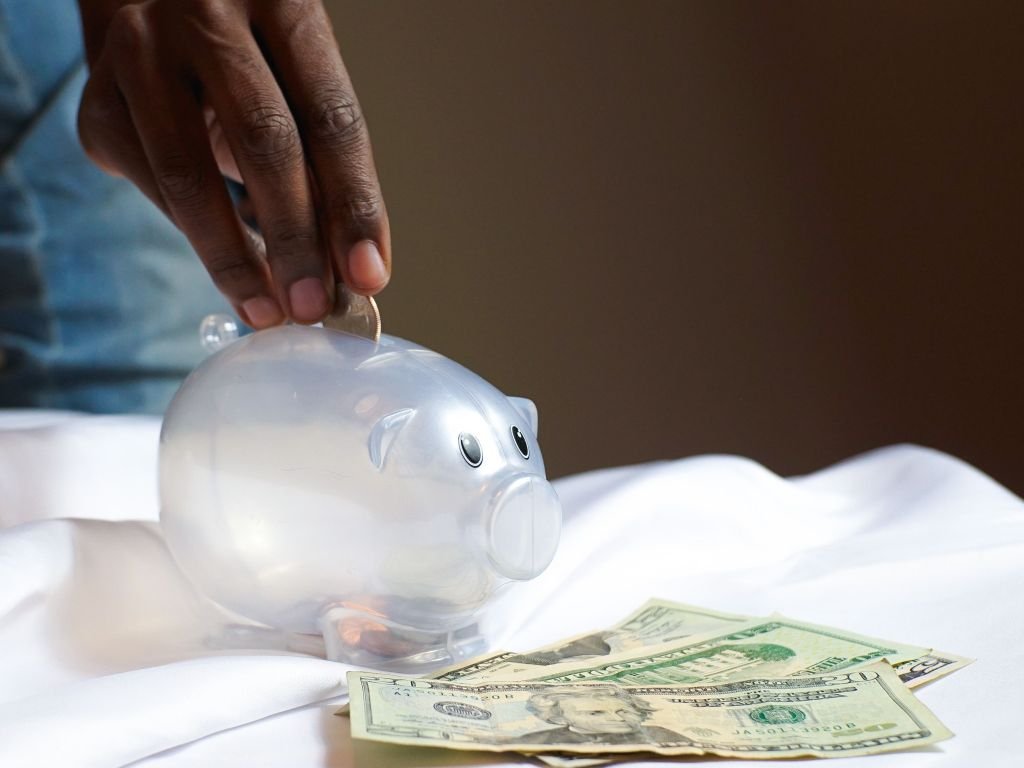
The solution is harsh but simple: treat your emergency fund like a bill. Not a goal—a bill. Pay it first, every month, before discretionary spending. Even if it’s just $20. Set up an automatic transfer so you don’t see the money and don’t think about spending it.
Most people do the opposite. They spend first, save what’s left (which is usually nothing), and then blame inflation when the emergency fund stays empty.
If you have even $1,000 saved right now, you’re already ahead of 43% of Americans. Protect it. Don’t touch it. And if you can add to it—even slowly—do that.
Because when the car breaks down or the medical bill arrives, you’ll realize that emergency fund was the only difference between a problem and a crisis.
Prevention: Your Emergency Fund Isn’t What It Used to Be
Disclaimer: This article is for educational purposes only and should not be considered as financial advice. Emergency fund amounts and savings strategies vary by individual circumstances, income, and location. Consult with a qualified financial advisor before making savings or financial decisions.


Leave a Reply