

You open a birthday card. Inside is a $100 gift card. You take it to the register, and the screen says $0.00.
You never used it. Nobody else touched it. So how is it empty?
A gift card zero balance on a card you never used is usually not a system error. In most cases, one of three things happened. Thieves drained it, a fee ate it, or a hold is freezing it. Each one has a different fix, and the clock matters.
This guide shows how to tell them apart, what to do in the first 48 hours, and which 2026 state laws now work in your favor.
How Card Draining Actually Works
Card draining is a quiet kind of theft. Thieves take unsold gift cards off store racks. They copy the card number and PIN, or swap the barcode. Then they reseal the package and put it back.
The card looks brand new. You buy it, and the cashier activates it. Software alerts the thief that the card is live. The balance can be gone before you leave the parking lot.
The losses are real. A New York Senate bill memo says card draining costs shoppers more than $250 million a year. Local police and TV stations warn about the same pattern every holiday season.
Many Americans assume the store or the card company will simply refund them. Sometimes that happens. Often each side blames the other, and the buyer gets stuck in the middle.
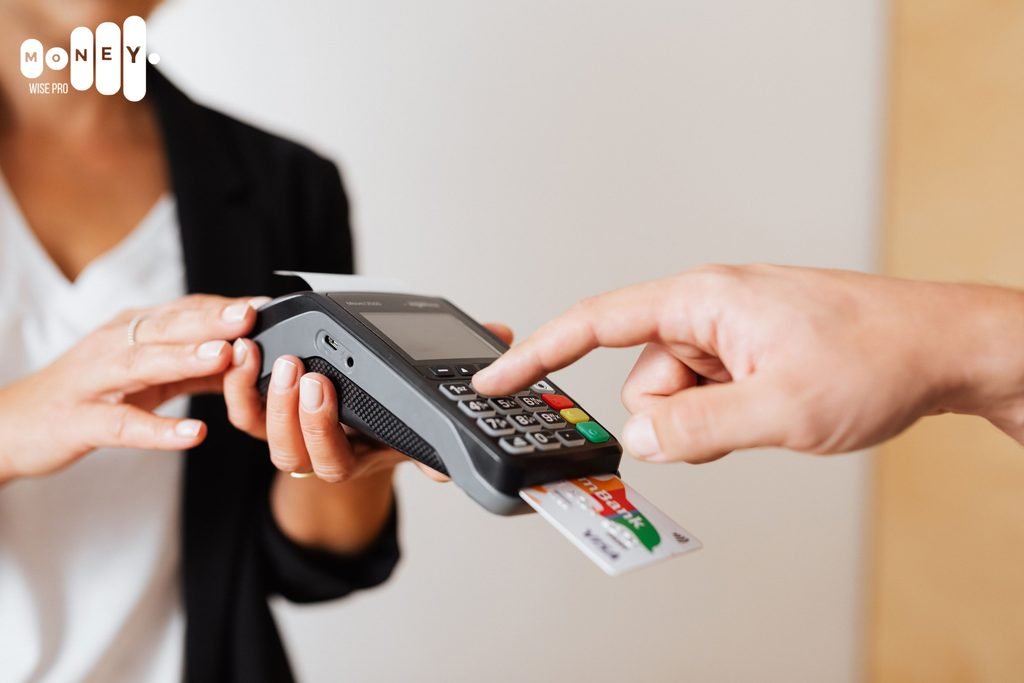
Three Reasons a Card Shows $0, and How to Tell Them Apart
Before you panic, figure out which problem you have. The right fix for a gift card zero balance depends on the cause.
| Cause | The clue | Chance of getting money back | First move |
|---|---|---|---|
| Drained by thieves | Card shows $0 or has charges you never made, often right after activation | Mixed. Better with a receipt and fast action | Call the card issuer the same day |
| Inactivity fees | Balance dropped slowly over months, and the card sat unused for over a year | Depends on the card terms | Read the fee terms on the package or the issuer site |
| Pending hold or no activation | Card declined, or balance looks low after a gas pump or hotel | Good. Holds usually drop off within days | Check the transaction history, or ask the store to confirm activation |
Federal rules limit gift card fees. Under CFPB guidance on gift cards, a card cannot charge an inactivity fee until it sits unused for 12 months. Any fees must be spelled out in the card terms. The federal gift card regulation also allows only one such fee a month. And a gift card cannot be sold with an expiration date less than five years out.
So a card you got last Christmas should not be losing money to fees yet. If it shows $0 and you never used it, theft is the more likely answer.
Another store trick worth catching at the register: Check Your Grocery Receipt Before You Leave the Store. The Checkout Price Doesn’t Always Match the Shelf.
The First 48 Hours: What to Do Step by Step
If you are facing a gift card zero balance right now, speed matters. Drained money is often spent online within minutes. A fast report still gives you the best shot. Follow this order.
- Keep everything. Do not throw away the card, the package, or the receipt. The receipt proves where and when the card was activated.
- Take photos. Shoot the front and back of the card, the packaging, and the receipt. Do it before you call anyone.
- Call the number on the back of the card. Ask for the transaction history. Write down the date, time, and place of each charge. Ask for a case number.
- Go back to the store that sold it. Bring everything with you. Ask the manager to file a tampered card report. Some stores will replace the card, especially in states with new anti-draining laws.
- Check how you paid. If you bought the card with a credit card, you may be able to dispute the charge. There is no guarantee. Still, a credit card gives you more leverage than cash or debit.
- Report it to the FTC. File at ReportFraud.ftc.gov. It rarely returns your money by itself. But it builds the record that pushes stores and lawmakers to act.
It feels awful to learn the gift you gave was empty the whole time. Nobody wants to explain that at a birthday dinner.
A Budget Example: What One Drained Card Really Costs
Let’s put real numbers on it. Say a family sets a $400 holiday gift budget. They buy four $50 store cards and two $100 Visa gift cards.
One Visa card gets drained. That is $100 gone, or 25% of the whole gift budget. If they paid cash, that money is likely lost unless the store or issuer replaces the card. If they paid with a credit card and the dispute works, they get it back.
Now take the second Visa card. The person who got it forgets about it. For the first 12 months, federal rules block any inactivity fee. Suppose the card terms then allow $2.50 a month. Twelve more unused months cost $30. The $100 card is down to $70 after two years.
| What happened | Money lost | Share of the $400 budget |
|---|---|---|
| One $100 card drained, paid with cash, no replacement | $100 | 25% |
| One $100 card drained, paid by credit card, dispute approved | $0 | 0% |
| $100 card left unused 24 months, $2.50 monthly fee after month 12 | $30 | 7.5% |
| $12.40 left on a California store card, cashed out on request | $0 | 0% |
The lesson is simple. How you pay and how fast the card gets used both change the outcome.
Gift cards are easy to forget once they leave the store. Writing down each card, its balance, and the date you bought it takes two minutes. You can use a free fillable tracker that works for logging each card and its balance to keep it all in one place.
2026 State Laws That Now Protect Gift Card Buyers
States are finally moving. Several states now require retailers to fight card draining. The rules differ. Most include tamper-evident packaging, staff training, and warning signs near the racks.
| State | What changed | Status |
|---|---|---|
| Maryland | Secure packaging and staff training required | In effect since Oct. 1, 2025 |
| New Jersey | Anti-draining rules for gift card sellers | In effect since Oct. 1, 2025 |
| Virginia | Tampering with a gift card or its package is now gift card forgery | Passed in the 2026 session |
| California | Stores must cash out balances under $15 on request | In effect since April 1, 2026 |
| New York | Stricter packaging and training bill | Passed the Senate June 3, 2026. Still waiting in the Assembly |
That California change matters for small leftovers. The state raised its cash-out threshold from $10 to $15 on April 1, 2026. Around 10 states have some cash-out rule for small balances. Check your own state before you toss a card with a few dollars left.
None of these laws guarantee a refund. They make draining harder. They also give you something concrete to point to when you ask a store for help.
If holiday shopping tends to get away from you: The Average American Spends $3,045 a Year on Impulse Buys. I Almost Became One of Them Last Week.
How to Buy a Gift Card That Actually Works
Prevention beats any refund fight. A few habits cut the risk a lot.
- Buy from behind the counter, or buy digital. Cards kept at customer service, or bought on the retailer’s own website, are much harder to tamper with.
- Inspect the package. Look for tears, loose tape, or a scratched PIN strip. Pick a card from the back of the rack, not the front.
- Match the barcodes. The barcode on the package should match the one on the card inside. If they differ, do not buy it.
- Keep the receipt with the gift. Tuck it inside the greeting card. The person who gets it will need it if something goes wrong.
- Check the balance the same day. Look it up on the issuer site right after you buy. Ask the person you give it to to use it soon.
- Pay with a credit card. It gives you a dispute path if the card turns out to be empty.
Money stuck in limbo is not only a gift card problem: Here’s How Long Your Bank Can Legally Hold Your Check Before You See That Money
The Bottom Line
A gift card zero balance on an unused card almost always has a cause you can trace. Find out which one it is. Act within 48 hours. Keep every receipt, and pay with a card that gives you a way to fight back.
Have you ever opened a gift card only to find it empty, and did the store make it right?
Disclaimer: MoneyWisePro is not a legal or financial advisor. This article is for general information only and is not legal or financial advice. Contact your card issuer, the retailer, or your state consumer protection office for guidance on your specific situation.







Leave a Reply