Personal loans used to be something you took out for one reason: a specific, big purchase you couldn’t afford otherwise. A wedding. A car replacement. A home renovation. You borrowed, you paid it back, you moved on.
Today, personal loans have become something else entirely: a financial band-aid for everyday life.
Nearly half of all Americans say they plan to take out a personal loan in 2026. And the number of people who already have one keeps climbing — from 31% just a few years ago to 38% today. The reason is simple and brutal: everything costs more, wages aren’t keeping up, and people are borrowing to cover the gap.

| Inflation Category | Year-Over-Year Increase | Impact |
|---|---|---|
| Food Prices | 3.2% | Daily survival cost |
| Energy Prices | 28.4% | Heat, electricity, fuel |
| Shelter Costs | 3.3% | Rent, housing |
| Overall Impact | Rising significantly | Americans borrowing to cover gap |
Personal Loan Math Example:
| Loan Amount | Interest Rate | Term | Total Interest | Total Repayment |
|---|---|---|---|---|
| $5,000 | 10% | 5 years | $1,322 | $6,322 |
Personal Loan Trends:
| Year/Time Period | Personal Loan Rate | Change |
|---|---|---|
| Few years ago | 31% | Baseline |
| Today (2026) | 38% | +7% growth |
| Planned in 2026 | ~50% (Nearly half) | High intent |
Inflation hasn’t stopped. Tariffs have pushed prices up on everything from cars to groceries to home repairs. Food prices are up 3.2% year-over-year. Energy prices jumped 28.4%. Shelter costs rose 3.3%. For most Americans, these aren’t luxuries — they’re survival costs. And when you can’t absorb those costs from your current paycheck, you borrow.
The problem is what you’re actually borrowing. A personal loan isn’t like a credit card — it’s a fixed-term loan with a fixed rate, usually 3-5 years of monthly payments. That sounds safer, but it’s not. It’s more dangerous, in a different way.
Here’s why: credit cards signal risk instantly. You see the balance growing. You feel the weight of carrying a 23% interest rate. The discomfort is immediate and honest.
Personal loans feel different. You walk out with $5,000 or $10,000 in your bank account, and it feels like a gift. But it’s not a gift — it’s debt with a monthly minimum payment attached. And most people don’t stop at one.
That’s the dangerous part. A credit card balance stares you in the face and makes you uncomfortable. But a personal loan? It deposits money and disappears from your mind until the monthly payment shows up. That silence is where the trap lives.
Many Americans are taking out personal loans to pay for things they would have saved up for five years ago: car repairs, medical bills, tuition, even groceries. And because the first loan feels manageable, they take a second one. Then a third. The interest rates are usually lower than credit cards, so it feels responsible. But the math doesn’t care about your feelings.
Reality check: Buy Now, Pay Later Looked Smart
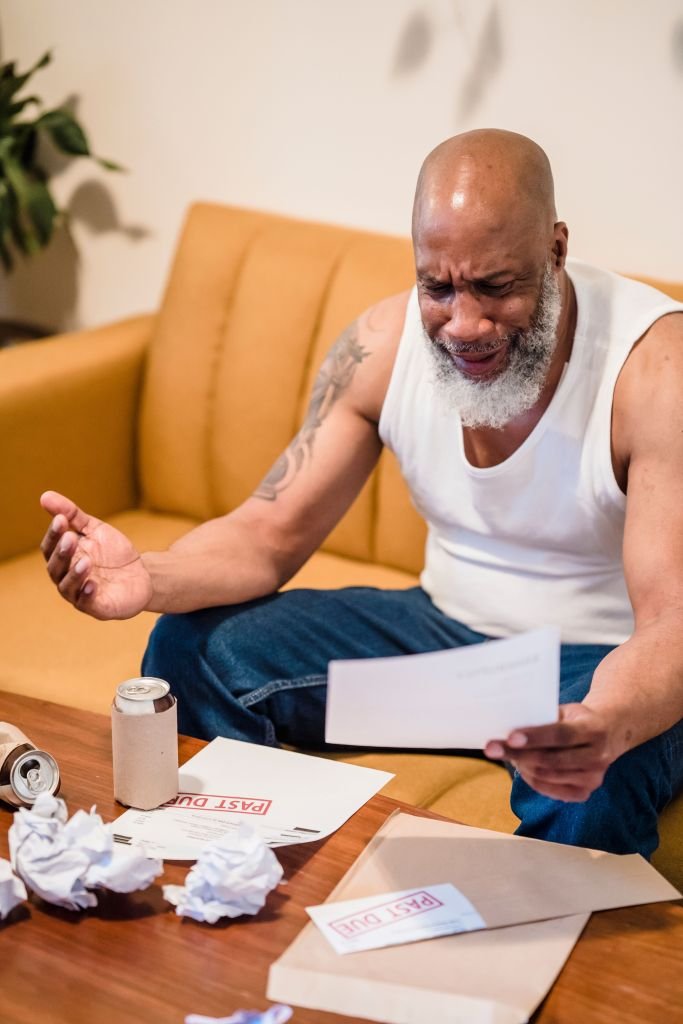
If you take out a $5,000 personal loan at a 10% interest rate over 5 years, you’ll pay $1,322 in interest alone. That’s not borrowing $5,000 — that’s borrowing $6,322 to have $5,000 today.
And if you stack multiple loans? Many borrowers don’t realize they’re doing this until they look at their monthly obligations and realize they’re committed to $800-1,200 in loan payments before they even think about rent or groceries.
A Related Note If BNPL Is Also in the Mix
This article is about personal loans specifically, but a lot of people juggling loan payments are also running two or three BNPL apps on the side. If that’s part of your situation too, the BNPL Stack Tracker handles just that piece — one page for every BNPL payment you owe. Check it out here — $9.
Understand the numbers: Average American Owes $6,715 in Credit Card Debt
The real warning sign is why people are borrowing: not for investments in their future (like education or a car for work), but to cover basic costs they used to be able to afford. That’s the debt trap.
I see people convince themselves personal loans are smart because the interest rate is lower than credit cards. But they’re missing the point — any loan for groceries and rent is a sign something broke, and lower interest doesn’t fix broken.
Many Americans are justifying personal loans as “the smart choice compared to credit cards” or “cheaper than BNPL.” And technically, the interest rate is lower. But borrowing to cover living expenses at any rate is a problem. It means your life costs more than your income, and you’re covering that gap by going into debt. Lowering the interest rate doesn’t fix the core issue — you’re still broke.
The hardest truth: if you need a personal loan to afford this month’s bills, you don’t have an income problem that borrowing can solve. You have a budget problem that only earning more or spending less can fix.

If you’re thinking about taking out a personal loan in 2026: ask yourself first whether this is for something that will increase your income or your financial security in the future. A loan for education, a work vehicle, or a home repair that prevents bigger problems? That can make sense. A loan to cover rent, food, or medical bills you couldn’t afford otherwise? That’s not a solution. That’s debt masquerading as one.
Hard truth: Your Paycheck Isn’t Keeping Up With Inflation
Disclaimer: This article is for educational purposes only and should not be considered as financial or legal advice. Personal loan terms, interest rates, and origination fees vary by lender and individual credit profile. Consult with a qualified financial advisor or credit counselor before taking out a personal loan or consolidating existing debt.


Leave a Reply