Why is my electric bill so high in 2026? If you’ve asked yourself that lately, you’re not imagining things, and it’s not just your usage. Electricity prices have jumped over 36% since 2020, and this year the increase is picking up speed again.
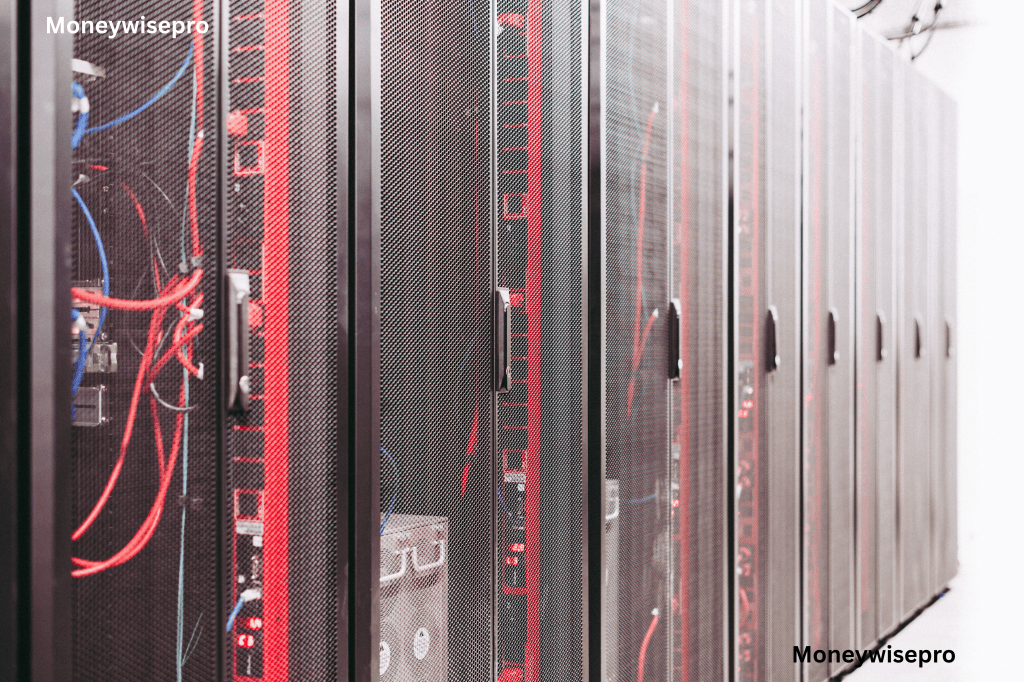
Part of the reason has nothing to do with your home at all. AI data centers across the country are pulling massive amounts of power from the same shared grids that supply households, and the infrastructure needed to support them is expensive. Someone has to pay for that buildout, and in a lot of states, that someone is you.

Here’s how this actually plays out. Utilities are requesting record-high rate hikes right now, and some of that spending goes toward new power lines, substations, and grid capacity built specifically to handle data center demand. According to Goldman Sachs research on electricity pricing, households could see prices rise another 6% through 2027, on top of what’s already happened. That’s not a one-time bump. It’s a trend building year over year.
This isn’t happening the same way everywhere. States with heavy data center construction, like Virginia, Ohio, and parts of the mid-Atlantic region, are seeing the sharpest increases, and a Fortune report on utility rate hikes found utilities requested a record $31 billion in rate increases in 2025 alone. Some states have started pushing back. New York put a moratorium on new large data center permits, and New Jersey passed rules aimed at protecting regular ratepayers from covering those infrastructure costs. If you live in a state without protections like that yet, your bill is more likely to reflect the buildout directly.
Read this: if utility costs are only one piece of a bigger squeeze on your monthly budget, it helps to see the full picture.
Your Paycheck Isn’t Keeping Up With Inflation. Here’s Why.
Not every expert agrees on how much of the blame belongs to AI. Some research, including a working paper from the Electric Power Research Institute covered by Fortune, found that data center activity actually helped lower retail electricity costs in earlier years by spreading fixed grid costs across more usage. The picture is more complicated than “AI caused this,” and multiple factors, including aging infrastructure and higher fuel costs, are part of the increase too. Still, the direction for most households right now points the same way: bills going up, not down.
So what can you actually control? A few things make a real difference without requiring a lifestyle overhaul. Shifting heavy appliance use, like laundry and dishwashers, to off-peak hours can lower costs if your utility offers time-of-use pricing. Many providers list this option on their website, and it’s often something people never bother checking.

Think about: small changes to how you use energy stack up the same way small savings habits do everywhere else.
Your Emergency Fund Isn’t What It Used to Be. Here’s What Changed.
A programmable thermostat is another one worth the upfront cost. Even a few degrees of adjustment while you’re asleep or away from home adds up over a full billing cycle. Some utility companies also offer rebates for upgrading to efficient appliances, and those rebates rarely get advertised well, so it’s worth calling and asking directly instead of waiting to see it in your inbox.
Nobody enjoys opening a bill that’s higher than last month for reasons that have nothing to do with anything they did. That frustration is fair, and it doesn’t mean there’s nothing worth doing about it. Checking a rate plan or calling a utility company feels like a small step, but it beats staring at the same bill every month and hoping it goes back down on its own.
If your state is considering new rules on how data center costs get distributed, public comment periods are sometimes open to residents, and a few states have already responded to public pressure with real policy changes. Keeping an eye on your state utility commission’s website is one way to know if that applies where you live.
| Year | Avg. Residential Price (per kWh) | Change |
|---|---|---|
| 2020 | 12.76 cents | — |
| Feb 2026 | 17.44 cents | +36.7% |
| Projected Sept 2027 | 19.01 cents | +9% more |
This isn’t a problem that disappears by ignoring the bill. It’s worth checking your rate plan, asking your utility about time-of-use pricing, and tracking whether your state is doing anything to shift costs away from households.
Is your electric bill higher than it was a year ago, and have you found anything that’s actually helped bring it down?
Disclaimer: This article is for general informational purposes only and does not constitute financial advice. Utility rates and regulations vary by state and provider. Consult your local utility company or a licensed financial advisor for guidance specific to your situation.
Leave a Reply