Tag: money

  • 48% of Americans Made a Real Money Comeback in 2026 — Here’s What They Actually Did

    48% of Americans Made a Real Money Comeback in 2026 — Here’s What They Actually Did

    Why are fewer Americans living paycheck to paycheck this year? A new survey just found something unusual: the share dropped from 69% to 48%, the biggest one-year drop the survey has ever recorded.

    That’s not a small shift. For years, that number only climbed. Now it’s falling fast, and most people haven’t even heard about it yet.

    Living paycheck to paycheck means having almost nothing left over after bills each month. One missed shift, one car repair, and the whole budget collapses. For over half of working Americans, that was daily reality just twelve months ago.

    Woman looking at a bank statement with a calmer, more relieved expression at her kitchen table

    So what actually changed? According to the Debt.com 2026 survey of over 1,000 Americans, the drop lines up with two things happening at once. Inflation cooled off from its recent highs, and more people started actively budgeting than ever before, with 53% now tracking a monthly budget compared to under half a few years ago.

    That second part matters more than people realize. A separate five-year study found that budgeting habits climbed steadily even as financial anxiety rose, which suggests people didn’t wait for the economy to fix itself. Many Americans changed their habits first, and the numbers followed.

    Not everyone is seeing the same improvement though. The drop was sharpest among people who already had some financial cushion to work with. Households already carrying heavy debt or supporting kids on a single income still report living paycheck to paycheck at far higher rates than the national average.

    Couple reviewing household spending and paperwork together at the kitchen table

    This is why the number matters even if your own situation hasn’t changed yet. A national average dropping doesn’t mean the pressure disappeared everywhere. It means enough people found breathing room that the overall trend shifted, while plenty of households are still stuck exactly where they were.

    Check this: if your income situation is part of what’s holding you back, credit isn’t always the reason people assume.
    Your Income Doesn’t Affect Your Credit Score. Here’s What Actually Does.

    There’s a counterargument worth taking seriously here. Some economists point out that wages still haven’t caught up with prices in every sector, and that a survey asking people how they feel about their finances can shift based on mood as much as actual numbers. A Bankrate survey from the same period found that most Americans still don’t have enough saved to cover three months of expenses, even with the paycheck-to-paycheck number improving. Feeling less stretched month to month and being financially secure are not the same thing.

    That gap is worth sitting with. Getting through the month without running out of money is progress. It’s not the same as having a real cushion for when something actually goes wrong. Nobody feels rich just because the bills got paid on time for once. That relief is real, but it fades fast the moment something unexpected shows up.

    Person setting up an automatic savings transfer using a banking app on their phone

    Same principle applies here as it did during the worst stretch of inflation. Small, automatic habits tend to outperform big one-time efforts. Setting even $20 a week to move automatically into savings does more over a year than waiting for a bonus or tax refund to catch up all at once.

    If the national trend is finally turning, the smartest move isn’t to relax. It’s to use whatever extra room shows up in the budget to build the safety net most people still don’t have.

    Learn this: the amount recommended for true financial safety hasn’t gone anywhere, even while the paycheck-to-paycheck number drops.
    Your Emergency Fund Isn’t What It Used to Be. Here’s What Changed.

    YearLiving Paycheck to PaycheckHave a Monthly Budget
    2021Not tracked in this format47%
    202569%Not tracked in this format
    202648%53%

    The takeaway isn’t that the money problems are solved. It’s that real behavior change, tracked in real surveys, actually moves the needle over time. That’s rare good news in personal finance, and it deserves attention even if your own numbers haven’t caught up yet.

    Has your own month-to-month budget gotten any easier this year, or does it still feel the same as it did in 2025?

    Disclaimer: This article is for general informational purposes only and does not constitute financial advice. Individual financial situations vary. Consult a licensed financial advisor for guidance specific to your circumstances.


  • Can You Actually Save Money in 2026? (What the Data Shows)

    Can You Actually Save Money in 2026? (What the Data Shows)

    Everyone tells you to save money. Financial advisors, blogs, your parents — they all say the same thing: put away 20% of your paycheck, build an emergency fund, invest for retirement.

    But here’s the question nobody answers: Can you actually do it?

    Not in theory. Not with perfect budgeting. But in reality, in 2026, with rent that’s doubled, grocery prices that keep rising, and wages that haven’t kept pace. Can you actually save?

    I used to think the answer was a simple yes. Save more, spend less, done. Then I looked at the actual numbers.

    The honest answer is more complicated.

    What Americans Actually Save (Spoiler: Not Much)

    The median American household has less than $1,000 in savings. That statistic has stuck with me for months because it means half of America has basically nothing between them and disaster. One medical bill, one car repair, one job loss, and they’re in debt.

    But here’s what’s worse: Americans are saving LESS now than they were five years ago. Not because they’re irresponsible. Because housing costs alone have consumed 33% of median household income, up from 28% in 2020.

    That’s 5% more of every paycheck going to rent or a mortgage before you buy food, pay utilities, or think about saving.

    Person reviewing financial documents and planning monthly budget with calculator
    Income Impact2020 Percentage2026 PercentageChange
    Housing costs28%33%+5%
    Food costs9%12%+3%
    Transportation15%18%+3%
    Available income48%37%-11%

    The math is brutal. People aren’t saving less because they’re lazy. They’re saving less because there’s literally less money left after paying for the basics.

    The Inflation Trap Nobody Talks About

    Inflation hit differently in 2026 than most recessions. Historically, wages recover after inflation. They eventually catch up. This time, wages grew 4.2% while inflation averaged 7.8% throughout 2024-2026.

    Translation: Your real income went down. Even if your paycheck went up, you could buy less with it.

    I watched this happen to someone I know. She got a 3% raise. Felt great for about one day until she realized groceries cost 15% more and gas cost 20% more. The raise didn’t move the needle.

    This is why so many Americans report feeling behind financially even though they make more money than they did five years ago. They’re not behind. They’re actually running backwards. The goalpost moved.

    So Can You Actually Save?

    Yes. But not how the financial advice industry tells you to.

    The traditional model says: Make income, subtract expenses, save the difference.

    In 2026, that model produces zero difference for millions of people. The expense side has grown while the income side hasn’t. There’s nothing left to save.

    But there IS a model that works, and it requires brutal honesty about what you can and can’t control.

    You can’t control housing markets. You can’t control inflation. You can’t control your employer’s wage freeze. These are outside your control.

    What you CAN control is where your remaining dollars go. And that’s where saving becomes possible — not through some revolutionary budgeting hack, but through deliberate choice.

    The people I know who actually save money in 2026 are doing something specific: They’re saving FIRST, not last. They move money into savings before they can spend it. Even small amounts work.

    If you commit to saving every week, that’s $1,040 per year. That’s an emergency fund that didn’t exist before. Not huge, but real. That money comes from one coffee you didn’t buy, or one delivery meal you skipped, or walking instead of taking transit.

    The difference between saving money and saving nothing isn’t motivation. It’s automation.

    Coins stacked in increasing height symbolizing financial growth and savings accumulation

    Why 2026 Makes Saving Harder (But Not Impossible)

    Three factors are crushing savings in 2026:

    Student loan payments restarted. The payment pause ended in September 2023. For borrowers with federal loans, payments resumed. Average payment is $200-300 per month. That’s money that used to go into savings now going to debt service.

    Credit card debt is at an all-time high. Americans owe $1.12 trillion in credit card debt as of August 2026. The average household carries $6,715. This means even people trying to save are bleeding money on interest payments. You can’t save your way out if you’re paying $100 per month in interest.

    Healthcare costs are unpredictable. A single hospital visit can cost thousands. Even with insurance, copays and deductibles have tripled since 2020. People aren’t avoiding savings because they’re irresponsible. They’re avoiding it because they know one sick kid could wipe them out, so why bother?

    These aren’t personal failures. These are structural problems that make saving harder than it used to be.

    But Here’s What Actually Works

    I’m telling you this isn’t to be depressing. It’s to be realistic.

    Saving in 2026 works when you:

    Accept that your target will be smaller than the advice industry says. They want you to save 20%. If you can save 3%, do it. You’re already beating half of America.

    Save BEFORE you spend. Don’t budget money for savings at the end of the month (it won’t be there). Set up automatic transfers the day you get paid. You’ll adjust your spending to fit what’s left.

    Save something irregular. Tax refunds, bonuses, cash gifts — throw these at savings before you deserve to spend them. This is how you build a real buffer without huge monthly sacrifices.

    Track where your money actually goes. Not to shame yourself, but to find the ONE area where money disappears without you noticing. For most people it’s subscriptions, delivery apps, or impulse purchases. Cut one. Save the difference.

    The people saving effectively right now aren’t following a plan. They’re watching their actual money flow and making one small change at a time.

    Worth knowing: Why Most Americans Fail at Saving

    The Truth About Saving in 2026

    Can you save money? Yes.

    Can you save money the way financial advisors suggest? For most people, no. Not right now.

    The gap between the advice and reality is where frustration comes from. You follow the plan, do everything right, and still end up with nothing saved by December. Then you feel broken.

    You’re not broken. The model is just wrong for this economy.

    Same principle applies: Your Paycheck Isn’t Keeping Up With Inflation

    Real saving in 2026 looks like this: $15 here, $30 there, sometimes $100 when something unexpected happens and you don’t spend it. By the end of the year, you have $2,000. That’s a buffer. That’s power.

    It’s not the $15,000 the advice industry promised. But it’s real, and it’s yours, and it changes things when an emergency happens.

     Hands holding an empty wallet showing financial strain and budgeting challenges

    The question isn’t how to save money every month like the advice says. The real question is how to save what’s actually possible right now.

    This is why: Why Young Americans Are Leaving Their Cities

    Start with what works, not what looks good on a spreadsheet. What’s your first step to save something this week?

    Disclaimer: This article is for educational purposes only and should not be considered as financial or investment advice. Personal savings strategies, budgeting approaches, and financial planning vary by individual circumstances, income level, expenses, and financial goals. Consult with a qualified financial advisor or professional before making significant financial decisions or developing a comprehensive savings plan.

  • Why Most Americans Fail at Saving (And the One Habit That Changes Everything)

    Why Most Americans Fail at Saving (And the One Habit That Changes Everything)

    I used to be one of those people. I’d open my savings account, feel motivated, and tell myself this month would be different. I’d save $200. Maybe even $300. And for a week or two, I’d stick to it.

    The truth is I never actually failed because I was lazy. I failed because I kept trying to save using only willpower. And willpower is like a muscle that gets tired. Mine gave up every single month.

    Then I’d see something I wanted. A subscription service. A meal out. New clothes. And the savings account would sit untouched for the next three months.

    The cycle repeated for years. I wanted to save. I knew I should save. But I never actually saved consistently.

    According to recent research, I’m not alone. 38% of Americans say their biggest financial regret is not saving money. And 54% of Americans now live paycheck to paycheck, up from 42% just five years ago.

    Saving StatisticPercentageTimeframeContext
    Biggest Regret: Not Saving38%CurrentFinancial regret
    Living Paycheck to Paycheck54%2026Current rate
    Paycheck to Paycheck (5 yrs ago)42%2021Past rate
    Growth in Rate+12%5 yearsDeteriorating trend
    Confident in 2026 Goals45%Planning 2026If using right strategy

    Automatic Savings Example:

    Starting AmountTimeframeTotal Saved
    $25-50/month3 months$75-150
    $25-50/month12 months$300-600

    The statistics are clear: most people fail at saving. Not because they’re lazy or careless. They fail because they’re using the wrong method.

    Check this too: 37% of Americans Still Budget With Pen and Paper

    Why Traditional Saving Doesn’t Work

    When I decided to “get serious” about saving, I tried the textbook approach: Open a savings account. Set a goal. Manually transfer money each month.

    Sounds good in theory. In practice? It failed within weeks.

    Here’s why: every month, I had to make a conscious decision to transfer money. And every month, there was a good reason not to. The car needed repairs. The kids needed something. An unexpected expense came up.

    My willpower was the only thing protecting my savings. And willpower is exhaustible.

    Person sitting at desk looking worried, struggling with financial decisions

    The problem isn’t that people lack discipline. The problem is that manual saving requires willpower every single month. And most people’s willpower breaks before their savings goals are reached.

    The One Habit That Actually Works

    Everything changed for me when I discovered something obvious: stop relying on willpower.

    Once I automated it, saving became invisible. I didn’t have to be motivated. I didn’t have to make a choice. The money just moved. That’s when I finally stopped failing.

    Instead, I set up automatic transfers. Money moved from my checking account to savings the day after I got paid. I didn’t have to think about it. I didn’t have to make a choice. It just happened.

    The difference was dramatic. Suddenly, saving wasn’t about motivation anymore. It was just what happened with my money.

    Savings automation is poised to accelerate as more Americans use tools that automatically move money into savings and optimize cash flow without manual intervention. The data shows this works. When saving is automatic, people actually save.

    This is the one habit that changes everything: Remove yourself from the equation.

    Read this: Why I Used to Avoid Opening My Own Bank App

    Person successfully tracking finances and budget on computer

    Why 2026 Is Different

    In 2025, nearly half (45%) of Americans say they feel confident in their ability to reach their 2026 financial goals. That confidence is warranted — if they use the right strategy.

    The tools are better now. You can set up automatic transfers in minutes. You can get high-yield savings accounts that actually pay you decent interest. You can even automate investments.

    The technology makes it easier than ever to save without relying on willpower.

    The Counter-Argument: What If I Need The Money?

    The most common objection I hear: “But what if I need to access that money?”

    Here’s the honest answer: you’ll still access it if you absolutely need to. Emergency funds exist for a reason. But by making it slightly less convenient, you prevent the impulse withdrawals.

    When money requires one extra click to access, you’re less likely to tap it for a non-emergency. When it’s in a separate account entirely, even less likely.

    The friction is intentional. It protects your savings from yourself.

    Person confidently making a positive financial decision

    How to Actually Start

    You don’t need a complicated plan. You don’t need to save $500 a month. You just need to automate something.

    Start small. $50 a month. Even $25. Set it to move automatically the day after payday. Don’t think about it. Don’t adjust it. Just let it work.

    After three months, you’ll have $75-$150 without ever making a decision. After a year, that’s $300-$600 just from removing yourself from the process.

    Once you see this work, you’ll increase it. Because unlike manual saving, where one missed month kills your motivation, automatic saving builds momentum. You see the account grow. You feel it working. You get encouraged to do more.

    The Hard Truth About Saving

    The reason most people fail at saving isn’t a character flaw. It’s poor strategy.

    They’re trying to save using willpower. Willpower is finite. It fails.

    The people who actually save? They don’t rely on willpower. They automate. They set it and forget it. They remove the decision-making from the equation.

    In 2026, with so many Americans making financial resolutions, this is the one change that actually sticks.

    Stop trying harder. Start saving automatically.

    Your future self will thank you.

    So what’s stopping you from setting up an automatic transfer today?

    Worth knowing: 53% of Americans Can’t Cover a $1,000 Emergency

    Disclaimer: This article is for educational purposes only and should not be considered as financial or investment advice. Savings strategies, automation tools, and account types vary by bank and individual circumstances. Consult with a qualified financial advisor before opening new accounts or making major financial decisions.

  • 45% of Americans Have a Side Hustle Now. Here’s Why (And Whether You Need One Too)

    45% of Americans Have a Side Hustle Now. Here’s Why (And Whether You Need One Too)

    I started my first side hustle because I had no choice. My primary income wasn’t enough. It’s not a glamorous story about entrepreneurial dreams or building wealth—it’s a story about survival.

    Every time someone calls it an ‘opportunity’ or a ‘hustle culture win, I want to scream. This isn’t opportunity. This is the sound of an economy breaking for half the population. We’re not choosing this. We’re surviving it.

    Turns out, I’m not alone. 45% of Americans now have a side hustle, up from just 34% in 2020. And the number keeps climbing. But here’s what caught my attention: most of us aren’t doing this because we want to. We’re doing it because we have to.

    I needed the money to cover living expenses. Full stop. No ambition to build an empire, no passion project waiting to launch. Just the math: rent is X, food is Y, and my paycheck doesn’t equal X + Y. So I started working nights and weekends to make up the difference.

    That’s the reality for 39% of Americans with side hustles now—up from 31% just two years ago. The side hustle isn’t supplementary income anymore. It’s necessary income. It’s survival.

    Side Hustle RealityPercentageTimeframeContext
    Americans with Side Hustle45%Current (2026)Growing trend
    Side Hustle Rate GrowthUp from 34%2020 to 2026+11% increase
    Treat as Necessary Income39%CurrentEssential, not supplementary
    Necessary Income Rate GrowthUp from 31%2 years ago+8% increase
    Rising Costs Increased Reliance75%CurrentInflation-driven
    Side Income >25% of Household25% (1 in 4)Of hustlersSignificant portion
    Under $50K primary job: Essential52%Lower income workersSurvival gig
    Treat as Job-Loss Insurance62%Of hustlersSafety net purpose
    Would Quit If They Could65%Of hustlersNot by choice

    Side Hustle Income Reality:

    Income MetricAmountContext
    Average Monthly Income$1,122Mean (inflated by outliers)
    Median Monthly Income$200Typical hustler reality
    Income Gap$922 differenceShows inequality in gig income

    What shocked me even more: 75% of Americans say rising costs have increased their reliance on earning extra income outside their regular job. Inflation isn’t just a number on a news report. It’s the reason people like me are exhausted, juggling two or three income streams just to pay rent.

    I’m not unique in this struggle either. One in four side hustlers says their secondary income accounts for more than 25% of their total household income. Among people earning under $50,000 a year from their primary job, 52% say their side hustle income is essential, not supplementary. That’s half of all lower-income workers holding their financial lives together with secondary gigs.

    Reality: Is Your Side Hustle Working, or Are You Just Tired?

    Person looking stressed and exhausted working multiple jobs simultaneously on laptop and phone late at night

    Here’s the part that hit different for me: 62% of people with side hustles treat it as job-loss insurance. We’re not doing this for fun. We’re doing this because the primary job can’t be trusted. One layoff, one medical emergency, one economic downturn, and we’re falling into debt. The side hustle is the safety net we can actually control.

    But the craziest stat I found? 65% of side hustlers would quit if they could. They would abandon the extra work tomorrow if their primary income was enough. That’s not ambition. That’s desperation dressed up as entrepreneurship.

    I remember thinking that too. I thought once my side income hit a certain number, I’d feel secure enough to stop. That’s not how it works. The more you earn, the more your costs creep up. Inflation hollows out the money faster than you can make it. So you keep hustling. You don’t stop because stopping means falling behind again.

    The average side hustle brings in $1,122 a month, but the median is just $200. That gap tells the real story. Most people aren’t making bank on their side gigs. They’re making just enough to stay afloat. I’m in that group. The work is steady but unglamorous—writing, freelancing, consulting—just enough to matter, never enough to feel secure.

    Compare: I Cut My Coffee, Dessert, and DoorDash

    Person looking worried and concerned while checking bank account balance on phone while working

    What I realized quickly: side hustles have a cost beyond time. There’s the mental load of juggling two jobs. There’s burnout. There’s the guilt of missing time with family because you’re working. There’s the anxiety that if this gig dries up, you’ve got nothing. I watch people wake up at 6am, work until 10pm, and still feel behind. We’re not building wealth. We’re running on a treadmill that keeps speeding up.

    That person is me some weeks. And I’m one of the lucky ones with internet access and a skill that sells. I can’t imagine what it’s like for people without those things, watching their paycheck get smaller every month while everything costs more.

    The jobs themselves are changing too. Online sales, freelance writing, content creation—these are the new side hustles. They’re digital, flexible, and completely unstable. One algorithm change and your income evaporates. I learned that the hard way when a platform changed its payment structure overnight.

    But here’s what keeps people like me going: I treat this side hustle as job-loss insurance. If my primary income disappears tomorrow, I have something. Not much, but something. That matters when you’re one emergency away from catastrophe. I know people who wouldn’t even qualify for a $1,000 emergency loan. The side hustle is their only buffer.

    Person sitting calmly at desk planning and strategizing their side hustle income with notebook and pen

    The question I ask myself now isn’t “should I have a side hustle?” It’s “which side hustle makes sense for my situation?” Because for people like me, it’s not optional. It’s economics. My paycheck plus my side income equals survival. My paycheck alone equals falling behind.

    If you’re already juggling a primary job and still can’t cover your bills, you probably need a side hustle too. Not because it’s trendy. Not because you want to build a personal brand. But because inflation is real, wages are stagnant, and your primary job isn’t designed to be enough anymore.

    The honest truth: 45% of Americans aren’t side hustling because they’re ambitious. They’re side hustling because the math doesn’t add up otherwise. I’m one of them. And if you’re reading this, you probably are too.

    The root cause: Your Paycheck Isn’t Keeping Up With Inflation

    Disclaimer: This article is for educational purposes only and should not be considered as financial, legal, or tax advice. Side hustle income, tax obligations (including 1099 reporting and quarterly estimated taxes), and financial impacts vary by individual and by gig type. Consult with a qualified financial advisor or tax professional before starting a side hustle or for guidance on tax obligations.

  • Your Emergency Fund Isn’t What It Used to Be. Here’s What Changed.

    Your Emergency Fund Isn’t What It Used to Be. Here’s What Changed.

    A year ago, you might have had $10,000 saved for emergencies. Today, the median American’s emergency fund is $5,000. Half of what it was.

    That’s not a coincidence. That’s a financial collapse happening in slow motion across millions of households.

    I used to think emergency funds just disappeared because people were bad with money. Then I realized it’s not carelessness — it’s systematic. Inflation eats it, necessities drain it, and most people can’t rebuild it fast enough.

    According to a U.S. News survey from February 2026, more than two in five Americans—43%—couldn’t cover an emergency expense of $1,000 from savings. One-third don’t have enough saved to cover even one month of living expenses. And 29% have more credit card debt than emergency savings.

    Emergency Fund StatusPercentageSourceYearImpact
    Can’t Cover $1,000 Emergency43%U.S. News SurveyFeb 2026Majority at risk
    No Savings for 1 Month Expenses33% (1/3)U.S. News SurveyFeb 2026Immediate vulnerability
    More Credit Card Debt Than Savings29%U.S. News SurveyFeb 2026Backwards position
    Saving Less Due to Inflation73%Survey data2026Systematic decline
    Zero Left After Necessities25% (1/4)U.S. News SurveyFeb 2026No buffer possible

    Emergency Fund Timeline:

    Time PeriodMedian Emergency Fund AmountChange
    1 year ago~$10,000Baseline
    Today (2026)$5,000-50% erosion

    This matters because an emergency fund isn’t optional. It’s the only thing standing between you and debt when something goes wrong.

    A car breaks down. A medical bill arrives. A job disappears. These aren’t rare events—they’re inevitable. And when they happen, most Americans today have no cushion. They don’t reach into savings. They reach for a credit card or a personal loan.

    Person looking stressed beside broken-down car, realizing no emergency fund

    Many Americans had emergency funds a few years ago. Not huge ones—most people never saved the recommended three to six months of living expenses. But they had something. $3,000 here, $8,000 there. Enough to handle a $1,500 repair without panicking.

    That money is gone now. Where did it go? Two places: inflation ate half of it, and the other half was spent on things that used to cost less.

    73% of Americans say they’re saving less due to inflation. Food costs more. Gas costs more. Rent costs more. Medicine costs more. When your expenses rise but your paycheck doesn’t, you don’t suddenly stop eating. You stop saving.

    Many people think an emergency fund is something you build once and keep forever. It’s not. It’s a number you have to protect against erosion. Inflation erodes it. Unexpected expenses raid it. And once it’s depleted, most people don’t rebuild it—they’re too busy surviving month to month.

    The real danger is what happens when the emergency fund is gone and the emergency still comes.

    That’s the moment you understand you’re not prepared. Not because you didn’t plan, but because the planning horizon got shorter while you were trying to catch up with today’s bills.

    Start here: 53% of Americans Can’t Cover a $1,000 Emergency

    Person looking at phone checking bank account balance with concern and worry

    Many Americans tell themselves: “I’ll handle it if something happens.” But that’s not a plan. That’s hope. And when the emergency comes—and it will—hope doesn’t pay the repair bill. A credit card does. A personal loan does. A BNPL plan does.

    That’s how you go from having no emergency fund to having $5,000 in new debt.

    The problem isn’t that emergency funds should be bigger. The problem is that most people can’t build them in the first place. A quarter of U.S. families have no money left to save after buying necessities like groceries and utility bills. You can’t save what you don’t have.

    But here’s the hard truth many financial advisors won’t say: if you genuinely have zero dollars left after expenses, no emergency fund strategy will work. You have a bigger problem—your life costs more than your income. An emergency fund won’t fix that. Only earning more or spending less will.

    That said, many Americans do have some room to save. Not much—maybe $50 a month—but some. And most of those people aren’t building emergency funds. They’re spending that money anyway.

    Why? Because saving for an emergency you can’t predict feels pointless. The money sits there. You could spend it now and feel something. Or you could save it and feel nothing until a crisis comes.

    Cycle it creates: Personal Loans: The New Debt Trap Americans Are Walking Into

    Person making conscious decision to save money in piggy bank or emergency fund

    The solution is harsh but simple: treat your emergency fund like a bill. Not a goal—a bill. Pay it first, every month, before discretionary spending. Even if it’s just $20. Set up an automatic transfer so you don’t see the money and don’t think about spending it.

    Most people do the opposite. They spend first, save what’s left (which is usually nothing), and then blame inflation when the emergency fund stays empty.

    If you have even $1,000 saved right now, you’re already ahead of 43% of Americans. Protect it. Don’t touch it. And if you can add to it—even slowly—do that.

    Because when the car breaks down or the medical bill arrives, you’ll realize that emergency fund was the only difference between a problem and a crisis.

    Prevention: Your Emergency Fund Isn’t What It Used to Be

    Disclaimer: This article is for educational purposes only and should not be considered as financial advice. Emergency fund amounts and savings strategies vary by individual circumstances, income, and location. Consult with a qualified financial advisor before making savings or financial decisions.

  • Personal Loans: The New Debt Trap Americans Are Walking Into

    Personal Loans: The New Debt Trap Americans Are Walking Into

    Personal loans used to be something you took out for one reason: a specific, big purchase you couldn’t afford otherwise. A wedding. A car replacement. A home renovation. You borrowed, you paid it back, you moved on.

    Today, personal loans have become something else entirely: a financial band-aid for everyday life.

    Nearly half of all Americans say they plan to take out a personal loan in 2026. And the number of people who already have one keeps climbing — from 31% just a few years ago to 38% today. The reason is simple and brutal: everything costs more, wages aren’t keeping up, and people are borrowing to cover the gap.

    Person reviewing loan documents and calculator with concerned expression
    Inflation CategoryYear-Over-Year IncreaseImpact
    Food Prices3.2%Daily survival cost
    Energy Prices28.4%Heat, electricity, fuel
    Shelter Costs3.3%Rent, housing
    Overall ImpactRising significantlyAmericans borrowing to cover gap

    Personal Loan Math Example:

    Loan AmountInterest RateTermTotal InterestTotal Repayment
    $5,00010%5 years$1,322$6,322

    Personal Loan Trends:

    Year/Time PeriodPersonal Loan RateChange
    Few years ago31%Baseline
    Today (2026)38%+7% growth
    Planned in 2026~50% (Nearly half)High intent

    Inflation hasn’t stopped. Tariffs have pushed prices up on everything from cars to groceries to home repairs. Food prices are up 3.2% year-over-year. Energy prices jumped 28.4%. Shelter costs rose 3.3%. For most Americans, these aren’t luxuries — they’re survival costs. And when you can’t absorb those costs from your current paycheck, you borrow.

    The problem is what you’re actually borrowing. A personal loan isn’t like a credit card — it’s a fixed-term loan with a fixed rate, usually 3-5 years of monthly payments. That sounds safer, but it’s not. It’s more dangerous, in a different way.

    Here’s why: credit cards signal risk instantly. You see the balance growing. You feel the weight of carrying a 23% interest rate. The discomfort is immediate and honest.

    Personal loans feel different. You walk out with $5,000 or $10,000 in your bank account, and it feels like a gift. But it’s not a gift — it’s debt with a monthly minimum payment attached. And most people don’t stop at one.

    That’s the dangerous part. A credit card balance stares you in the face and makes you uncomfortable. But a personal loan? It deposits money and disappears from your mind until the monthly payment shows up. That silence is where the trap lives.

    Many Americans are taking out personal loans to pay for things they would have saved up for five years ago: car repairs, medical bills, tuition, even groceries. And because the first loan feels manageable, they take a second one. Then a third. The interest rates are usually lower than credit cards, so it feels responsible. But the math doesn’t care about your feelings.

    Reality check: Buy Now, Pay Later Looked Smart

    Person managing multiple bills and financial statements, feeling overwhelmed by debt obligations

    If you take out a $5,000 personal loan at a 10% interest rate over 5 years, you’ll pay $1,322 in interest alone. That’s not borrowing $5,000 — that’s borrowing $6,322 to have $5,000 today.

    And if you stack multiple loans? Many borrowers don’t realize they’re doing this until they look at their monthly obligations and realize they’re committed to $800-1,200 in loan payments before they even think about rent or groceries.

    A Related Note If BNPL Is Also in the Mix

    This article is about personal loans specifically, but a lot of people juggling loan payments are also running two or three BNPL apps on the side. If that’s part of your situation too, the BNPL Stack Tracker handles just that piece — one page for every BNPL payment you owe. Check it out here — $9.

    Understand the numbers: Average American Owes $6,715 in Credit Card Debt

    The real warning sign is why people are borrowing: not for investments in their future (like education or a car for work), but to cover basic costs they used to be able to afford. That’s the debt trap.

    I see people convince themselves personal loans are smart because the interest rate is lower than credit cards. But they’re missing the point — any loan for groceries and rent is a sign something broke, and lower interest doesn’t fix broken.

    Many Americans are justifying personal loans as “the smart choice compared to credit cards” or “cheaper than BNPL.” And technically, the interest rate is lower. But borrowing to cover living expenses at any rate is a problem. It means your life costs more than your income, and you’re covering that gap by going into debt. Lowering the interest rate doesn’t fix the core issue — you’re still broke.

    The hardest truth: if you need a personal loan to afford this month’s bills, you don’t have an income problem that borrowing can solve. You have a budget problem that only earning more or spending less can fix.

    Person carefully considering financial decision before committing to loan or contract

    If you’re thinking about taking out a personal loan in 2026: ask yourself first whether this is for something that will increase your income or your financial security in the future. A loan for education, a work vehicle, or a home repair that prevents bigger problems? That can make sense. A loan to cover rent, food, or medical bills you couldn’t afford otherwise? That’s not a solution. That’s debt masquerading as one.

    Hard truth: Your Paycheck Isn’t Keeping Up With Inflation

    Disclaimer: This article is for educational purposes only and should not be considered as financial or legal advice. Personal loan terms, interest rates, and origination fees vary by lender and individual credit profile. Consult with a qualified financial advisor or credit counselor before taking out a personal loan or consolidating existing debt.

  • Buy Now, Pay Later Looked Smart. Here’s Why It’s Becoming a Debt Problem for Millions.

    Buy Now, Pay Later Looked Smart. Here’s Why It’s Becoming a Debt Problem for Millions.

    Many Americans discovered something during the pandemic: you could buy things now and split the payment into four interest-free installments. No credit card needed. No interest charges. No fees (in most cases). It felt like a loophole in how money works.

    Today, nearly half of American adults have used Buy Now, Pay Later (BNPL) services like Affirm, Klarna, or Afterpay. And many of them are discovering that the loophole has teeth.

    Person looking anxious while holding phone with payment app

    The numbers tell the story: 47% of Americans have used BNPL at least once. Among those users, 49% have missed at least one payment. Two-thirds of BNPL users are juggling multiple loans at the same time — often five or more open at once — and the payments don’t wait.

    BNPL Usage & Risk MetricPercentage/NumberSourceNote
    Americans Used BNPL47%Survey dataAt least once
    Missed at Least One Payment49%Of BNPL usersAmong users
    Juggling Multiple Loans66% (2/3)Of BNPL usersOften 5+ open
    Average Active Loans4-6SimultaneouslyPer user
    Payment Missed Example3 paymentsExample scenario$2,000 debt

    Here’s the part BNPL marketing doesn’t emphasize: the “interest-free” part is real, but the “free” part ends the moment you miss a due date. Late fees kick in. Your credit score takes a hit. And as of 2025–2026, those missed payments now show up on your credit report — the same place mortgage lenders and employers look.

    Person reviewing financial spreadsheet or payment calendar with concerned expression

    Many Americans started using BNPL for small things — shoes, a coffee maker, a video game. But the ease of splitting any purchase into four payments meant the habit grew. Groceries went on BNPL. Medical bills went on BNPL. The average BNPL user now has four to six active loans running simultaneously, and each one has its own due date.

    When you have four different companies sending you payment reminders every two weeks, it becomes easy to lose track. That’s how you go from “I’ll just split this one purchase” to “I have $2,000 in BNPL debt and missed three payments.”

    Before things get to that point, there’s a free tracker that shows you every BNPL payment across every app on one page. Worth filling out before it gets away from you.

    A Way to Actually See All of It at Once

    That “losing track” problem is exactly what makes BNPL debt sneak up on people. Four to six apps, each with its own due date, none of them talking to each other.

    The BNPL Stack Tracker is a simple fillable PDF built for exactly this. One page lists every loan you have open. Another catches payment collisions before they trigger a fee. Check it out here — $9, instant download

    The real risk isn’t the interest rate — it’s the trap of treating something “interest-free” as something you can afford.

    I watched people use BNPL like they’d found a cheat code in their budget. They hadn’t. They’d just automated their ability to buy things they couldn’t actually pay for, four separate times.

    Many Americans who would never carry a credit card balance got comfortable with BNPL because it felt safer. The marketing says “no interest,” so people assume it’s less risky than a credit card. But the opposite is true. A credit card gives you protections: if you dispute a charge, the card company backs you. If you return an item, the refund goes back to your card. BNPL doesn’t work that way. You approve the payment upfront, split it into four, and return items are your problem to handle.

    And now that BNPL shows up on credit reports, a missed payment doesn’t just cost you a late fee — it can knock points off your credit score for months. For someone saving up for a mortgage or car loan, that can mean paying thousands more in interest on much bigger purchases.

    That’s exactly what the marketing wants you to feel. But loopholes don’t exist in money — they just move the trap somewhere else. With BNPL, the trap moved from interest to missed payments and credit damage.

    This trap: I Almost Fell Into the “Buy Now, Pay Later” Trap

    Person confidently comparing payment options or financial decisions on laptop

    The hard truth: if you can’t afford something without splitting it into four payments, you probably can’t afford it at all. Many Americans discovered this too late, after they already had multiple BNPL loans stacked up.

    The solution is simpler than the problem: treat every BNPL offer the way you’d treat a credit card offer. Would you put this on a credit card and pay interest? If not, don’t put it on BNPL either. The “interest-free” label should be a warning sign, not a green light.

    If you already have multiple BNPL loans open: stop taking on new ones. Pick one and focus on paying it off completely before your next purchase. Your credit score — and your next mortgage application — will thank you.

    Related: Medical Debt Can Still Wreck Your Credit Score

    Disclaimer: This article is for educational purposes only and should not be considered as financial or legal advice. Buy Now, Pay Later agreements and their terms vary by provider and location. Consult with a qualified financial advisor or credit counselor before using BNPL services or if you have existing BNPL debt.

  • You Don’t Have to Cut Everything to Spend Less. You Just Have to Pause First.

    You Don’t Have to Cut Everything to Spend Less. You Just Have to Pause First.

    A new regional survey from WSFS Bank found something simple: 39% of people are spending less than they were a year ago. Not because they’re panicking. Because they’re pausing.

    That one word — pause — is the whole story.

    I used to buy things the second I wanted them. See it, want it, click it. No gap between the feeling and the action.

    The worst part was that I convinced myself each purchase was a deliberate choice. It wasn’t. It was just impulse with a justification attached. The pause showed me the difference.

    Person pausing before making an online purchase on phone

    The survey (Philadelphia and Delaware region, not a national sample, but the behavior pattern is universal) found the top things people cut back on were restaurants, travel, online shopping, and entertainment. Not because these things stopped mattering. Because people started asking one question first: do I actually want this, or do I just want to feel something right now?

    That’s the real shift. Not more discipline. Just one more second before you tap “buy.”

    Spending BehaviorPercentage/DetailSurvey RegionSourceNote
    Spending Less Than Year Ago39%Philadelphia & DelawareWSFS BankRegional survey
    Unaware of High-Yield Savings~25%Philadelphia & DelawareWSFS BankNearly 1 in 4
    Switching to DebitGrowing trendPhiladelphia & DelawareWSFS BankFrom credit cards

    Here’s what I started doing:

    Before any purchase that isn’t food or a bill, I wait. Not a week. Just until the next day. If I still want it tomorrow, I buy it. Most of the time, I don’t even remember what it was.

    That’s when I realized the want wasn’t real — it was just the temporary relief of clicking buy. Once that moment passed, so did the desire. The pause broke the spell.

    This works: The Average American Spends $3,045 a Year on Impulse Buys

    Person calmly writing shopping list or budget at desk

    The survey also found something else worth knowing: people are quietly switching from credit to debit. Not because credit is evil. Because spending money you can see leaving your account feels different than spending money you’ll deal with later.

    I don’t have a credit card built into this stage of my life. But the lesson still applies with cash or any account: the more real the money feels while you’re spending it, the more careful you become.

    One more thing the survey found, and it worried the bank more than anything else: a lot of people don’t know what a high-yield savings account even is. Nearly one in four didn’t know it existed.

    Apply this: 37% of Americans Still Budget With Pen and Paper

    Person checking high-yield savings account on laptop

    You can be careful with spending and still be missing free money sitting in a low-interest account. Pausing before you spend is step one. Checking whether your savings are actually working for you is step two — and it takes five minutes.

    The bottom line: you don’t need a strict budget spreadsheet to spend less. You need one habit — a pause — repeated enough times that it becomes automatic.

    Try it today. Before your next non-essential purchase, wait until tomorrow. See what still feels worth it.

    Next level: Your Savings Account Might Be Secretly Costing You Money

    Disclaimer: This article is for educational purposes only and should not be considered as financial advice. Spending habits, savings strategies, and financial products vary by individual circumstances and location. Consult with a qualified financial advisor before making major financial or savings decisions.

  • 53% of Americans Can’t Cover a $1,000 Emergency. I’m Building Mine From Zero — Here’s My Plan.

    53% of Americans Can’t Cover a $1,000 Emergency. I’m Building Mine From Zero — Here’s My Plan.

    More than half. That’s not a small number.

    Bankrate asked over 2,500 people across the US one simple question at the end of 2025: could you pay for a $1,000 surprise expense using only your savings? 53% said no.

    I read that number and felt something strange. Not shock. Relief.

    Because for a long time, I thought not having a safety net was just my problem. My bad luck. My bad planning. Turns out it’s most people’s reality.

    For years I thought I was failing at something everyone else had figured out. Finding out that 53% of Americans are in the exact same position didn’t make my situation better, but it made me stop blaming myself for it.

    Start building: 5 Simple Ways to Save $100 This Month

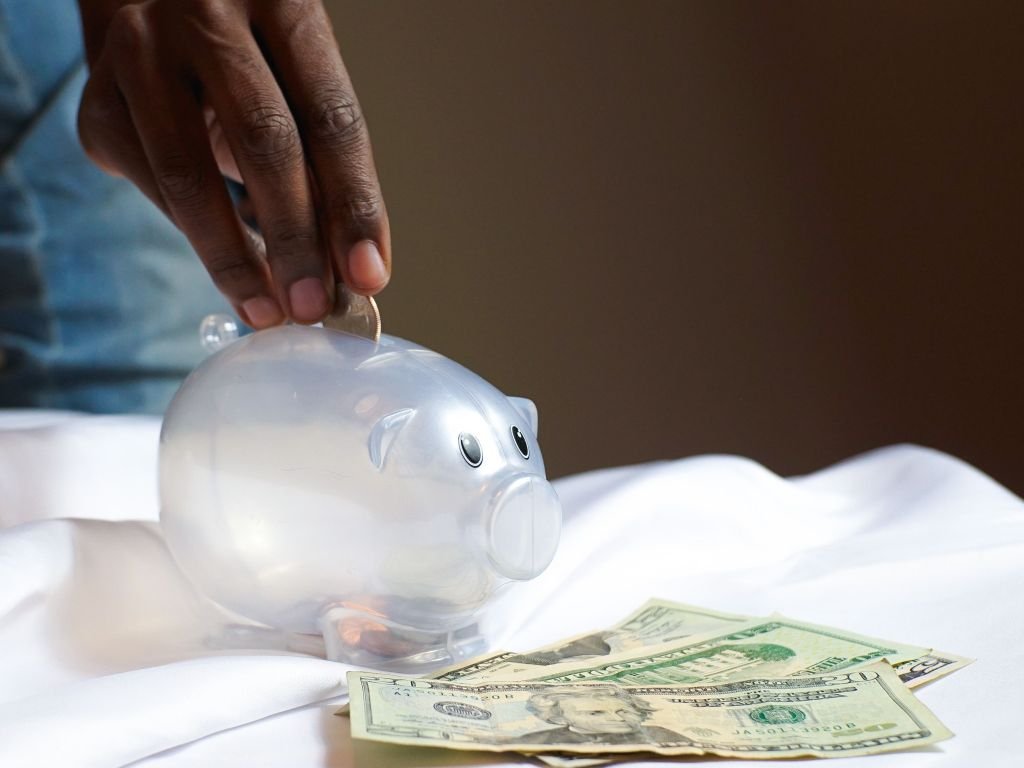
    An empty piggy bank representing starting an emergency fund from zero

    24% of people in that same survey said they have zero emergency savings. Zero. Not “a little.” Nothing.

    I know that feeling well. Right now, I’m building an online income from literally nothing — no savings, no backup, a family that depends on me completely. One surprise expense could knock everything sideways.

    Emergency Savings StatusPercentageSourceDate
    Can’t Cover $1,000 Emergency53%BankrateEnd 2025
    Have Zero Emergency Savings24%BankrateEnd 2025
    Already Used Savings (past year)37%BankrateEnd 2025
    Can Cover $1,00047%BankrateEnd 2025

    Emergency Fund Building Targets:

    StageAmountGoal
    Starter Fund$5-$10/weekProve you can do it
    Small Foundation$100-$500First real cushion
    Standard Goal3-6 months expensesProfessional recommendation
    Survey Sample Size2,500+ AmericansBankrate survey

    So here’s what I’m actually doing about it. Not theory. A real plan I’m using myself.

    Step 1: Forget the “3-6 months of expenses” rule for now.

    Every finance article says you need 3-6 months of expenses saved. That’s good advice — for later. When you have zero, that number feels impossible, and impossible numbers make people give up before they start.

    Step 2: Pick a number so small it feels silly.

    Not $1,000. Not even $100. Pick something like $5 or $10 for your first week. The goal isn’t the amount. The goal is proving to yourself that you can actually do this.

    A person putting coins into a savings jar, building an emergency fund little by little

    Step 3: Give the fund one job only.

    This money is not for a good deal on something you want. It’s not for a bill you forgot about. It has one job: real emergencies only. The moment you spend it on something else, it’s not an emergency fund anymore — it’s just a regular account with a nicer name.

    Step 4: Keep it separate and slightly annoying to reach.

    If it’s sitting right next to your spending money, you’ll dip into it. Even a different envelope, a different jar, or a separate account with no card attached makes a real difference.

    Step 5: Build it back every time you use it.

    37% of people in that same Bankrate survey had already used their emergency savings in just the past year. That’s normal. Life happens. The habit that matters isn’t “never touch it” — it’s “always rebuild it.”

    This approach works: 37% of Americans Still Budget With Pen and Paper

    A stressed person looking at unexpected bills without emergency savings

    Have you ever had a surprise expense hit at the worst possible time? What did you do — dip into savings, use a credit card, or just… hope?

    I’m not writing this because I’ve got it all figured out. I’m writing it because I’m doing this myself, starting from the same zero a lot of you might be starting from too. If more than half of Americans — with real jobs, real paychecks — are in the same boat, then starting small isn’t weak. It’s just honest.

    The honesty matters more than the plan. If I pretended I had emergency savings and wrote advice from that place, it would be useless to anyone actually starting from nothing. But this? This is real.

    Build from here: I Used to Live Paycheck to Paycheck

    Disclaimer: This article is for educational purposes only and should not be considered as financial advice. Emergency fund amounts and building strategies vary by individual circumstances. Consult with a qualified financial advisor before making savings decisions.

  • The Average American Spends $3,045 a Year on Impulse Buys. I Almost Became One of Them Last Week.

    The Average American Spends $3,045 a Year on Impulse Buys. I Almost Became One of Them Last Week.

    A hand hovering over a smartphone screen about to tap buy now

    It wasn’t even something I needed. I was tired, stressed about money, and scrolling — and for about ten seconds, buying something small felt like it would fix how I felt. It wouldn’t have. I closed the tab instead.

    The terrifying part is that it almost works. For those ten seconds while the confirmation page loads, you actually feel better. It’s not real relief, but it feels real enough to be dangerous.

    Turns out that urge has a name, and real numbers behind it. Capital One Shopping’s research (updated June 2026, based on 2025 data) found the average American spends $254 a month on impulse buys — $3,045 a year. Not one big purchase. Dozens of small ones that add up quietly.

    Have you ever caught yourself about to buy something not because you needed it, but because of how you were feeling in that exact moment?

    This helps: I Cut My Coffee, Dessert, and DoorDash

    It’s more common than you’d think

    92% of Americans have some history of impulse buying, and 54% have made at least one impulse purchase of $100 or more. It’s not a small-money habit — for a lot of people, it’s a real leak in the budget.

    Here’s what surprised me: it’s not younger people leading this. Millennials impulse-buy the most (74%), then Gen X (69%), then Gen Z (63%), with Baby Boomers lowest at 53%. The stereotype about reckless younger spenders doesn’t really hold up in this data.

    A stressed person looking at bills and a laptop at a table
    DemographicImpulse Buy RateRankingSourceData Year
    Millennials74%HighestCapital One Shopping2025
    Gen X69%2ndCapital One Shopping2025
    Gen Z63%3rdCapital One Shopping2025
    Baby Boomers53%LowestCapital One Shopping2025
    All Americans w/ History92%OverallCapital One Shopping2025
    $100+ Impulse Purchase54%Major purchaseCapital One Shopping2025

    The stress connection is real, even if it’s not simple

    A separate Harris Poll survey from April 2025 found 51% of Americans regularly stress about money, and 41% worry they don’t have enough saved for an emergency. That same survey didn’t measure whether stress directly causes impulse buying — I want to be honest about that, the two studies don’t prove one causes the other.

    But a different Harris Poll survey, from December 2024, found 22% of Americans made impulse purchases that significantly hurt their finances in the past year, and 16% said they spend more on impulse buys in a typical month than they put toward retirement. Whatever the exact link, the pattern feels familiar to a lot of people: money stress goes up, and so does the urge to buy something, anything, that feels like relief.

    Does spending ever feel like relief to you, even for a few minutes, even when you know it isn’t really helping?

    Read: 53% of Americans Can’t Cover a $1,000 Emergency

    What I do instead now

    For one week, I wrote down every single time I felt the urge to buy something I hadn’t planned for — not just the ones I acted on, all of them.

    Next to each one, I wrote down what I was actually feeling right before: bored, tired, stressed, or genuinely needing the thing.

    By the end of the week, almost none of them were about the item itself. That was the real, uncomfortable, useful part.

    "A handwritten list in a notebook on a desk

    Once I saw that pattern, I couldn’t unsee it. Every impulse buy was never about needing the thing — it was about needing to feel something different for five minutes. That realization hurt, but it was also the key to stopping.

    Would you actually be willing to write down the feeling behind your next few purchases, even the small ones, before you buy?

    Worth trying: 5 Simple Ways to Save $100 This Month

    Disclaimer: This article is for educational purposes only and should not be considered as financial or mental health advice. Impulse buying behaviors and stress responses vary by individual. Consult with a qualified financial advisor or mental health professional before making major financial or lifestyle decisions.