Category: saving-money

  • Why Did Your HOA Fee Jump the Moment You Closed on the House?

    Why Did Your HOA Fee Jump the Moment You Closed on the House?

    You signed the closing disclosure, budgeted around the exact HOA fee it listed, and felt good about the number. Then the first real statement showed up higher, and it kept climbing every few months after that. If your HOA fee jumped right after closing, you are not imagining it, and you are far from alone in 2026.

    Homeowners associations are not a niche detail anymore. Nearly 43.6% of U.S. homes listed for sale in 2025 carried an HOA, up from 41.9% in 2024 and just 34.3% back in 2019, according to a Realtor.com analysis distributed through PR Newswire. New construction leans even further into this pattern. About 84% of newly built U.S. homes sold in 2022 came with an HOA already attached, according to Associa, one of the largest HOA management companies in the country.

    The real issue is not that HOAs exist. It is that the fee written on a closing disclosure is a snapshot of one moment, not a promise about what comes next. Many Americans discover that gap only after they have already signed, when a routine board meeting quietly raises dues or drops a special assessment notice into the mailbox a few months later.

    Close-up of a hand signing an offer to purchase real estate document with a black pen

    The national number alone tells part of the story. The median HOA fee climbed to $135 a month in 2025, up 8% from $125 in 2024, per that same Realtor.com report. Two forces are driving most of the increase. Climate-related insurance costs have pushed premiums higher across entire regions, and legislative changes following the 2021 Surfside condo collapse have added real pressure on associations to build up reserves and run more frequent structural inspections. Miami-Fort Lauderdale shows what that looks like at the extreme end, with a median HOA fee of $617 a month, which works out to 26.9% of a typical mortgage payment in that metro alone.

    Florida is where the newer 2026 pressure is sharpest. House Bill 913 pushed the deadline for completing Structural Integrity Reserve Studies to December 31, 2025, and buildings that were coasting on underfunded reserves for years are now catching up all at once. Special assessments in older coastal buildings have ranged from $10,000 to more than $100,000 per unit, and reporting from SavingAdvice.com found some owners watching their total monthly housing cost double in under two years. Miami-Dade County now offers assistance loans up to $50,000 with 40-year repayment terms for households under 140% of the area median income, which is a real sign of how serious the gap has gotten for regular families, not just for outlier cases.

    Cost Component20242025/2026What Changed
    Median monthly HOA fee (national)$125$135Up 8% year over year
    Homes for sale with an HOA41.9%43.6%Continuing a multi-year climb from 34.3% in 2019
    Miami-Fort Lauderdale median HOA fee$617/monthEqual to 26.9% of a typical mortgage payment
    Florida special assessment range (older coastal buildings)$10,000-$100,000+ per unitDriven by HB 913’s SIRS deadline of Dec 31, 2025

    Florida also tightened separate Milestone Inspection deadlines to December 31, 2024 or 2025 depending on a building’s age, for any condo 30 years or older, and new transparency rules now require associations with 25 or more units to post budgets and reserve studies online within 30 days of completion. That last rule matters more than it sounds. A buyer who knows where to look can now check an association’s real financial health before ever calling the seller’s agent, instead of relying on whatever gets mentioned during a showing.

    Check this:
    Falling Behind on Your Mortgage in 2026 Just Got a Lot Less Forgiving

    A $50 jump on a monthly statement does not sound like much until it shows up three times in one year with no warning attached. That kind of surprise has a way of making an otherwise solid home purchase feel a lot less secure than it did on closing day.

    Modern apartment building exterior showing multiple rows of balconies against a clear sky

    There is a real document that exists specifically to catch this before it becomes a surprise, and most first-time buyers never ask for it by name. It is called an HOA resale certificate, sometimes labeled a closing statement or estoppel letter, and associations are generally required to produce one within five to fifteen business days of a request. According to Associa, it discloses the current dues amount and payment frequency, any outstanding fees or violations tied to the seller, pending litigation involving the association, current reserve fund balances, and any expenditures the board already has planned. A buyer who requests and actually reads this document before closing gets a real preview of where fees are headed, instead of finding out from the next mailed statement.

    None of this is a reason to avoid HOAs altogether. A low HOA fee at signing is not automatically good news. It can just as easily mean an association that has been underfunding its reserves for years, which is exactly the setup that leads to the six-figure special assessments now hitting parts of Florida. A well-run association with a fully funded reserve, a real master insurance policy, and predictable maintenance on the roof, elevators, and shared amenities can genuinely protect a home’s value better than no HOA at all.

    Worth knowing:
    Security Deposit Alternatives Sound Free. They’re Not, and Here’s the Real Math

    Close-up of a hand holding cash bills while pressing keys on a calculator

    None of this means walking away from every home that has an HOA attached. It means treating the number on the closing disclosure as a starting point, not a ceiling. Before signing anything, request the resale certificate directly and read the reserve fund section specifically, not just the dues total. Ask the seller’s agent or the HOA management company whether any special assessment has been discussed or voted on in the last two years, even informally, and ask directly whether the building has completed its required structural or reserve study on time. A board that answers that question quickly and clearly is usually a better sign than a low current fee ever could be. And when budgeting for the new home, add a real cushion above the listed HOA fee rather than treating it as a fixed cost, the same way a smart budget already leaves room above a mortgage estimate for property tax and insurance changes.

    This helps:
    Your Emergency Fund Isn’t What It Used to Be. Here’s What Changed

    An HOA fee is just one more recurring bill sitting alongside a mortgage, property tax, and homeowners insurance, and it is easy to lose track of which one actually went up. A free payment tracker built for exactly this kind of recurring cost can make the real monthly total easier to see before it quietly climbs again.

    Have you ever checked an HOA’s resale certificate before signing, or did the real monthly cost only show up after you had already moved in?

    Disclaimer: MoneyWisePro is not a real estate professional or financial advisor. This article is for general information only and is not real estate or financial advice. Confirm current HOA fees, reserve status, and any planned assessments directly with the association or a licensed real estate professional before making decisions based on this article.

  • Falling Behind on Your Mortgage in 2026 Just Got a Lot Less Forgiving

    Falling Behind on Your Mortgage in 2026 Just Got a Lot Less Forgiving

    Millions of American homeowners are missing house payments right now, and the safety net that used to catch them is thinner than most people realize. A federal rule that once slowed down the foreclosure process for struggling borrowers is being locked in as permanent, right as more families fall behind than they did a year ago. If you are falling behind on your mortgage in 2026, or you are worried you might be soon, the rules have quietly changed under your feet, and almost nobody outside a law office has explained what that actually means.

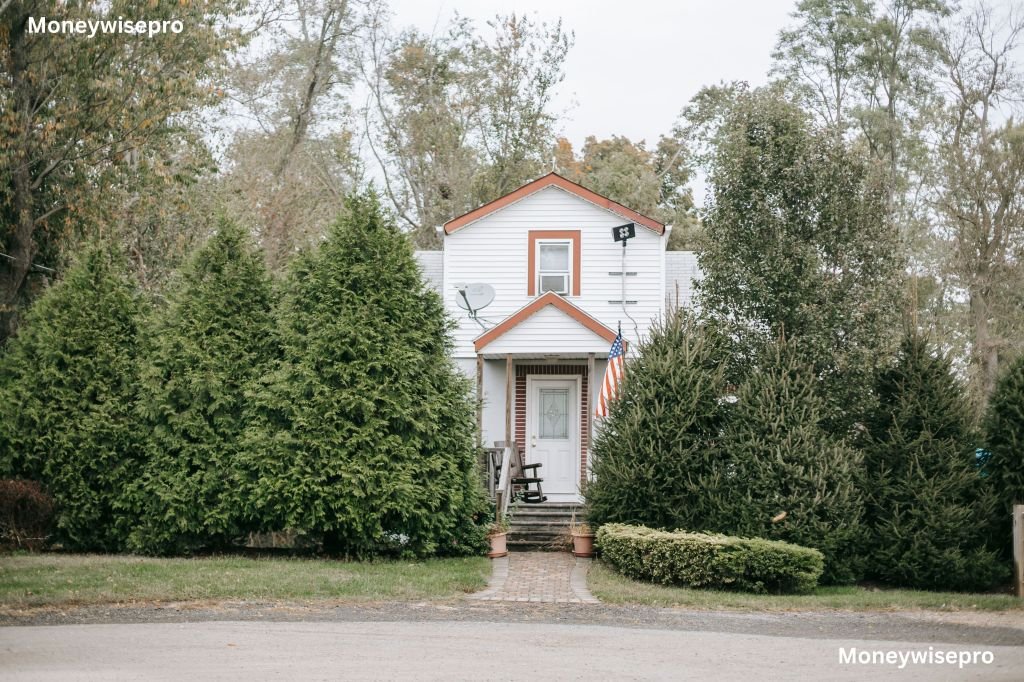
    American house with flag on porch surrounded by tall trees in a quiet neighborhood

    Here’s what actually happened, because the headlines rarely explain the real timeline. Back in 2021, during the COVID-19 pandemic, the Consumer Financial Protection Bureau added temporary protections to Regulation X, the federal rule that governs how mortgage servicers treat borrowers who fall behind. Those protections did three specific things. They blocked servicers from starting foreclosure paperwork before January 1, 2022. They opened up special pandemic loss mitigation programs built only for COVID-related hardship. And they required extra live contact attempts from servicers reaching out to struggling borrowers, a requirement that ran through October 1, 2022.

    Those pandemic-only protections quietly disappeared already, and most people never noticed. The CFPB rescinded them through an interim rule that took effect July 15, 2025, more than a year ago, according to the official notice published in the Federal Register. The emergency itself had already ended back in May 2023, so the change felt more like routine paperwork than real news at the time.

    What is actually new in 2026 is different, and this is the part almost nobody covering personal finance has caught yet. The CFPB now plans to finalize that rescission for good, likely by November 2026, locking it in as permanent federal policy instead of a temporary interim rule. Right now the change technically still leaves a small legal door open. Once it becomes final, that door closes for good, and it is closing at the exact moment more homeowners are struggling to keep up with their payments. The Mortgage Bankers Association’s own survey data for 2026 put the national delinquency rate at 4.44 percent in the first quarter, dipping only slightly to 4.37 percent by the second quarter, a real signal that falling behind on your mortgage in 2026 is happening to more families than lenders would like.

    Couple sitting at kitchen table reviewing mortgage paperwork and laptop together closely

    Losing the pandemic-only rules does not mean homeowners are left with nothing, and this is where most coverage stops short. Standard Regulation X protections still apply to every borrower, pandemic or not, and most people never learn about them until they actually need them. Here is exactly what changed and what is still standing.

    ProtectionDuring the COVID Era (2021-2022)Standard Rule Now, in 2026
    Foreclosure delayBlocked until at least January 1, 2022, no matter the hardship reasonBlocked only until the loan is 120 days delinquent, still active under Reg X
    Loss mitigation optionsSpecial pandemic-only modification programsStandard repayment plans and loan modifications, no pandemic-specific option
    Servicer contact requirementEnhanced outreach required through October 1, 2022Live contact by day 36, written notice by day 45, under standard Reg X

    Here’s what that actually looks like with real numbers attached. Say a family’s mortgage payment is 1,800 dollars a month, and a lost job means the September payment gets missed. Under the standing federal rule, the servicer legally cannot file the first foreclosure paperwork until the loan is 120 days past due, which lands in early January. That gap is not automatic protection. It is a window, and the borrower has to use it. The single most useful move inside that window is calling the servicer directly and asking, by name, for a loss mitigation application, not just a generic payment extension. A CFPB guide on mortgage payment options walks through exactly what to ask for, and HUD-approved housing counselors offer this same kind of help completely free, which matters because plenty of companies charge for advice a borrower can get at no cost.

    A missed mortgage payment rarely happens alone, and this breaks down why credit card balances are climbing at the same time: the real number the Fed just made more painful.

    Homeowners with an FHA-insured loan actually have more on the table than most people assume, and almost no personal finance coverage mentions this part. HUD requires FHA servicers to work through a specific menu before foreclosure, starting with a repayment plan that adds a portion of the missed amount onto future monthly payments, moving through temporary forbearance, and including a standalone partial claim, where the past-due amount becomes an interest-free second lien that is not due until the home is sold or refinanced. If none of those fit, FHA servicers can also offer a permanent loan modification, a combined modification and partial claim, or a payment supplement that temporarily lowers the monthly bill for up to three years using a partial claim to cover the gap. A borrower generally only gets one permanent option every 24 months, so it is worth asking the servicer directly which of these apply before agreeing to anything, since not every representative volunteers the full list on the first call.

    Man calmly talking on phone while taking notes on laptop in kitchen

    Falling behind on your mortgage in 2026 does not have to end at the servicer phone call, either. Homeowners can look up whether their loan is backed by Fannie Mae or Freddie Mac, since federally backed loans sometimes carry servicer requirements stricter than the Regulation X floor. Reading a recent mortgage statement closely also matters more than usual right now, since rising home insurance costs have been quietly pushing monthly escrow payments up in a lot of states, which can make a household technically behind without ever missing a payment on purpose.

    One more pandemic-era resource is quietly running out at the same time, and the timing is not a coincidence. The Homeowner Assistance Fund, the program that gave struggling homeowners direct cash grants to catch up on missed payments, was always meant to end once its money ran out or by September 2026, whichever came first. Most states have already burned through their allocation and stopped taking new applications, and only a small handful still had a program open as of this year. If a homeowner has not checked their own state’s housing finance agency page recently, this is the month that answer is most likely to be no.

    Money stress has a way of making people freeze instead of pick up the phone, and that hesitation is usually what costs the most in the end. I know that same pull to avoid opening a bill instead of dealing with it, even when the number waiting inside was far smaller than what a missed mortgage payment can eventually turn into.

    None of this is easier to manage without knowing exactly when a payment is due and what is sitting in an account to cover it, especially during a stretch where one missed date can set off a chain of fees. Grab a free payment-due tracker you can set up today.

    This connects to a wider pattern playing out across household budgets this year: why your safety net doesn’t stretch as far as it used to.

    Have you checked what your own mortgage servicer is actually required to do before it ever gets close to foreclosure?

    Disclaimer: MoneyWisePro is not a financial advisor. This article is for general information only and is not financial advice. Confirm your own situation directly with your mortgage servicer or a HUD-approved housing counselor before making decisions based on this article.

  • Why Rent-to-Own Furniture Never Has to Show You an Interest Rate

    Why Rent-to-Own Furniture Never Has to Show You an Interest Rate

    A $300 television can end up costing $832 through a rent-to-own furniture and electronics store. Run the math on that and the real interest rate lands around 254 percent, according to a Congressional Research Service report on these contracts. No lender could legally call that a loan without a giant warning label attached. Rent-to-own furniture gets to skip that label completely, and the reason is a legal technicality almost nobody explains.

    Millions of Americans use rent-to-own stores every year because approval takes minutes and a bad credit history almost never matters. No bank statement, no credit score pulled, no denial letter in the mail. Big names like Rent-A-Center, Aaron’s, and store-checkout partners like Progressive Leasing and Katapult all run on the same basic model: pay weekly, own the item once the full schedule is paid. For someone furnishing an apartment on a tight paycheck, a $25 weekly payment on a couch feels manageable in a way a $900 lump sum never will. That appeal is real, and it explains why the industry keeps signing up new customers even as prices climb.

    Worth knowing:
    Your Cash Advance App Interest Rate Is Higher Than the Tip Makes It Look

    That appeal is about to get more expensive to act on. Tariffs pushed manufacturers’ input costs up roughly 3 percent for appliances and about 2.5 percent for furniture between March and December of 2025, according to research from the Chicago Federal Reserve. Those higher manufacturing costs tend to work their way to the price tag over time, not overnight. When the retail cash price of a couch or a refrigerator climbs, the total cost of a rent-to-own furniture lease on that same item climbs right along with it, since the weekly payment is built as a multiple of that cash price, not a fixed number set once and left alone.

    Young mother reading a rental agreement on laptop at a kitchen table with a toddler nearby

    Here’s the part almost nobody explains clearly. A rent-to-own agreement is legally written as a short-term lease a customer can cancel anytime, not as a loan. Federal Reserve Regulation Z, the rule that enforces the Truth in Lending Act, specifically excludes leases a consumer can walk away from without penalty. Walk into that same store and finance a purchase with a store credit card instead, and federal law forces the retailer to print the APR directly on the paperwork. Sign a rent-to-own lease on the exact same couch, and there’s no APR requirement at all, because on paper the customer is renting, not borrowing. Consumer advocates have argued for years that these contracts should be regulated as credit sales instead of leases, precisely because the end result looks identical to a loan. The industry has resisted that classification just as consistently, since a lease label is what keeps the APR disclosure off the page.

    The Congressional Research Service report that documented the $832 television described a broader pattern, not one unusual case. Across the industry, the total of rent-to-own payments regularly runs two to three times the retail price of an item, sometimes more. A handful of states have pushed back directly. New York law caps total rent-to-own payments at 2.25 times an item’s cash price, according to the New York City Bar Association’s consumer law guidance. Most states have no cap of any kind, which means an $832 television is legal nearly everywhere in the country right now.

    Man using a laptop calculator beside unopened moving boxes in an empty living room

    Rent-to-own isn’t pure predation, and that’s worth saying plainly. Walking away from a lease mid-contract, without owing the remaining balance, is a real legal right a traditional loan doesn’t give anyone. If a job falls through three months into a lease, handing back the recliner ends the obligation completely. Some larger rent-to-own companies now report on-time payments to consumer reporting agencies too, which can help build a payment history for someone who’s never had one before. Those are genuine trade-offs, not marketing spin.

    Think about:
    I Almost Fell Into the Buy Now Pay Later Trap, Here Is What Stopped Me

    The trade-off only makes sense once the real total cost gets written down, not guessed at. Before signing anything, ask the store for the cash price of the exact item in writing, then multiply the weekly payment by the number of weeks in the contract. Compare those two numbers side by side before deciding anything. A rent-to-own furniture store legally has to give a shopper the cash price on request, even though nothing requires it to print an APR next to it.

    Close-up of two people

    A secured credit card or a small credit-builder loan from a local credit union usually costs far less over the same stretch of time, and both exist specifically for people without an established credit history. A short layaway plan, where a store holds the item until it’s fully paid off before handing it over, is another option worth asking about directly. Local buy-nothing groups and secondhand marketplaces are worth a quick look too, since a gently used version of the same couch or dresser often costs less than a single month of rent-to-own payments. None of these move as fast as walking out of a store with a couch the same afternoon. That speed is exactly what the higher price is paying for.

    Since a rent-to-own payment is just one more weekly or biweekly bill sitting alongside everything else, a free payment tracker built for exactly this kind of recurring cost can make the real total easier to see before it quietly adds up.

    This helps:
    53% of Americans Can’t Cover a $1,000 Emergency, I’m Building Mine From Zero, Here’s My Plan

    Needing a place to sit or a working refrigerator right now is not a character flaw. The real math on rent-to-own furniture just deserves to be seen clearly before a signature makes it permanent.

    What Gets DisclosedStore Credit CardRent-to-Own Lease
    APR legally required on paperworkYesNo
    Credit check typically requiredYesAlmost never
    Real example (per CRS report)APR printed on the contract$300 TV totaling $832, about 254% effective
    Can you walk away without owing the restNoYes

    Have you ever added up what a rent-to-own payment plan actually costs compared to paying cash over time?

    Disclaimer: MoneyWisePro is not a financial advisor. This article is for general information only and is not financial or legal advice. Contact a financial advisor or a consumer law attorney for guidance on your specific situation.

  • Don’t Pay That Credit Card Late Fee Yet — Read This 2026 Update First

    Don’t Pay That Credit Card Late Fee Yet — Read This 2026 Update First

    A credit card late fee can hit your account the moment you miss a due date, and in 2026 that fee is probably a lot higher than you think it should be. Back in 2024, the Consumer Financial Protection Bureau announced a new rule capping the typical credit card late fee at just $8, down from $32. A lot of people heard that news once and assumed the cap already applied to them. It doesn’t. If you’ve paid a credit card late fee anytime in the last year, you almost certainly paid the old, higher amount, not $8.

    Here’s what actually happened, because the real story matters more than the headline most people remember. Regulators finalized the $8 cap in March 2024, but banking trade groups sued immediately, and a federal court blocked it before it ever touched a single real cardholder. The fight dragged on for a year, and in April 2025 a federal judge in Texas threw the rule out for good as part of a settlement between the agency and the card industry, which left the older, higher fee framework fully in place, exactly as the official rule page still confirms today. Senate Democrats tried reviving the $8 idea through a new bill in January 2026, and separately, the CFPB signaled in July 2026 that it may attempt new rulemaking again through a different legal path. None of that has changed anything yet. Until one of those efforts actually becomes enforceable law, your statement will keep following the older rules, not the $8 number that made headlines two years ago.

    So what does a credit card late fee actually cost you right now? Based on real 2025-2026 issuer data, the typical first-time credit card late fee sits around $30 to $32, and a repeat late payment within six billing cycles can push that fee up to $41 or $43. Smaller banks, credit unions, and store or subprime cards tend to land at the higher end of that range. The number people remember from the news and the number actually printed on a real statement are two different things in 2026, and that gap is exactly where the confusion lives.

    Close-up of hands holding a credit card billing statement showing a past due balance notice.

    Here’s what actually helps, and it has nothing to do with waiting on Congress. A credit card late fee is one of the more negotiable charges on an account. Most major issuers have a “goodwill” adjustment process, and a first-time late payment on an account with a decent history gets waived more often than people expect, simply because someone called and asked. It costs nothing to try, and it works far more often than the regulatory back-and-forth would suggest.

    The second fix is even simpler: set at least the minimum payment to autopay. That one setting doesn’t cost you any flexibility, since you can still pay more manually whenever you want, but it guarantees a credit card late fee never becomes a possibility in the first place, no matter how busy or forgetful a particular month turns out to be. Most banking apps let you set this up in under two minutes, and it’s one of the few money habits that quietly protects you without ever requiring a second thought once it’s in place.

    Same principle applies to a related credit card myth worth clearing up while we’re on the topic:
    Average American Owes $6,715 in Credit Card Debt. The Fed Just Made That Number More Painful.

    A person at a kitchen table talks on the phone while reviewing a paper bill.

    Here’s a nuance almost nobody explains clearly. A credit card late fee gets charged the moment your payment is late, sometimes just a day past the due date. Your credit score is a different matter entirely. Under federal credit reporting rules, an issuer generally cannot report a late payment to Equifax, Experian, or TransUnion until it’s a full 30 days past due. That means a payment that’s five or ten days late can cost you a real credit card late fee without touching your credit score at all, as long as you catch up before hitting that 30-day mark. The fee and the score damage are two separate clocks, and mixing them up is one of the most common money mistakes people make after a missed due date.

    This helps explain why keeping track of due dates matters more than most people admit:
    Is Your Credit Report Really Free in 2026? Here’s What the New $16 Fee Actually Means

    A wall calendar shows a payment due date circled in red beside a credit card.

    For anyone who wants the short version of how we got here, this is the real timeline behind the headline:

    DateWhat Actually Happened
    March 2024Rule finalized, capping the fee at $8
    May 2024Blocked by a federal court before it ever took effect
    April 2025Vacated by settlement, old fee amounts stay in place
    January 2026Senate Democrats reintroduce a bill to force the $8 cap into law
    July 2026The agency signals it may attempt new rulemaking again

    None of these dates change what’s due on your own account today, which is exactly why a simple reminder system beats relying on memory or old news. a free tracker worth keeping on hand for exactly this kind of situation can catch a payment before it turns into a credit card late fee in the first place.

    Money stories like this one tend to get repeated long after the facts change underneath them, and that gap is where real money gets lost every single day. A five-minute phone call to ask for a fee waiver almost always costs less than staying quiet and assuming nothing can be done.

    Have you ever paid a credit card late fee without asking whether it could be waived first?

    Disclaimer: This article is for general information only and is not financial or legal advice. Fee rules and financial regulations can change, so confirm current terms directly with your card issuer before making a decision.

  • A Coding Error at the Education Department Just Reset PSLF Payment Counts for Thousands of Borrowers

    A Coding Error at the Education Department Just Reset PSLF Payment Counts for Thousands of Borrowers

    If you’re working toward Public Service Loan Forgiveness, your PSLF payment count might be lower today than it was back in July. That’s not a mistake on your end. The Education Department found its own system had been crediting months that never should have counted, and it went back and fixed the math on thousands of accounts at once.

    Most borrowers found out the same way. They logged in to check their progress and saw a smaller number than they remembered. It’s a strange kind of gut punch, watching a total you’d been counting down for months suddenly jump backward.

    Here’s what actually happened, and what to do if your PSLF payment count just dropped too.

    Quick context if you’re new to this: PSLF wipes out your remaining federal student loan balance after you make 120 qualifying monthly payments while working full-time for a qualifying employer, usually a government agency or a 501(c)(3) nonprofit. Those 120 payments don’t have to be back to back. They just have to be verified, one by one, against your loan servicer’s records. That verification process is exactly where this new problem started.

    The government traced the problem back to changes it made in May 2024. According to reporting from The College Investor, the Department found what it called PSLF counter code errors, and this had nothing to do with new policy. It was a technical mistake in how the system counted qualifying months.

    Two kinds of months got miscounted. General and hardship forbearance periods got credited toward forgiveness, even though neither has ever actually qualified for PSLF. Payments made under the Extended and Extended Graduated repayment plans got counted too, when those plans were never eligible in the first place.

    So the Department went back through the records and pulled those months out. For someone who thought they were eight months from forgiveness, a correction like that can suddenly push them a year or more further out.

    Borrower reviewing loan paperwork and payment records at a desk

    There’s a separate issue stacked on this one. Payments made in July and August 2026 haven’t fully posted to a lot of accounts yet. That’s a normal processing lag, not a rejection, and those months still count once they catch up. But if you’re checking your PSLF payment count right now and it looks low, you might be looking at two problems at once: real corrections, and a temporary posting delay that hasn’t caught up yet.

    Repayment PlanCounts Toward PSLFWhat Changed in the Correction
    Standard 10-Year PlanYesNo change
    IBR, ICR, or PAYEYesNo change
    Repayment Assistance Plan (RAP)YesNo change
    General or Hardship ForbearanceNoWrongly credited months removed
    Extended or Extended Graduated PlanNoWrongly credited months removed
    SAVE Plan $0 ForbearanceNoNever counted toward PSLF

    Here’s the part that matters most. You don’t have to just accept whatever number shows up on the screen. Start by downloading your MyAid file from StudentAid.gov. It’s a plain text file that breaks your payment count down loan by loan, month by month, instead of just handing you one final total with no explanation.

    Person checking student loan account details on a laptop screen

    Then compare that file against your own payment history and your approved employment certification forms. If you kept records of your job certifications and payment dates, this is the moment they earn their keep.

    Worth a look if the SAVE plan changes hit you too: your real deadline before payments jump from $0 to $900.

    If you find months that were removed and you believe they should count, you can file a PSLF Reconsideration Request directly through StudentAid.gov. This restarts a manual review of your specific account. It doesn’t happen automatically just because the government issued a public statement about the error.

    Reconsideration requests are not instant. Federal Student Aid has said processing takes time because each case gets a manual look, not an automated one. That means weeks, sometimes longer, before you get an answer back. In the meantime, keep submitting your employment certification form every year like normal. Skipping that step while you wait on a reconsideration only creates a second gap in your record, and now you’re dealing with two problems instead of one.

    Not every repayment plan got touched the same way, and that’s worth knowing before you panic. Standard 10-year payments, IBR, ICR, and PAYE were built to qualify for PSLF from the start, and those months are not part of this correction. The newer Repayment Assistance Plan counts too. The plans that got cleaned up were the ones that technically were never supposed to count in the first place.

    You’re more likely to be affected if you used forbearance at any point in the last two years, switched repayment plans more than once, or spent time on the Extended or Extended Graduated plan before moving to something else. If none of that applies to you, your count was probably untouched by this specific correction, though the July and August posting lag can still apply either way.

    Close up of a calendar marking an important financial deadline date

    Nobody wants to spend an evening digging through loan servicer paperwork, but a half hour with your MyAid file is a lot cheaper than losing a year of forgiveness progress you thought you already had. If you want a simple way to keep track of your own numbers while you wait on an answer, grab a no-cost tracker worth grabbing here.

    Federal Student Aid says it already corrected the issue and notified most affected borrowers. But most is not all, and a quiet notice is easy to miss in a week already full of everything else.

    This ties in too, if your loan account changed for other reasons recently: my student loan payment just changed and nobody warned me.

    Have you checked your own PSLF payment count since August, or are you still going off the number you saw earlier this year?

    Disclaimer: MoneyWisePro is not a financial advisor. This article is for general information only and is not financial advice. Confirm your own PSLF payment count directly with your loan servicer or Federal Student Aid before making decisions based on this article.

  • Why Did My Car Registration Fee Go Up This Year?

    Why Did My Car Registration Fee Go Up This Year?

    You open the renewal notice expecting the same number you paid last year, and instead the total is twenty, thirty, sometimes fifty dollars higher. If your car registration fee went up this year and you have no idea why, you are not imagining it, and there is no mistake on your bill. Across the United States in 2026, a wave of states are raising these fees on purpose, and most drivers never see it coming until the renewal lands in their mailbox.

    Driver looking surprised while opening a car registration renewal bill at home

    Most drivers assume registration is one flat number the state sets once and never touches again. In reality it is usually a stack of separate charges layered together: a base state fee, a weight-based fee tied to how heavy your vehicle is, sometimes a value-based tax tied to what the car is worth, a county or local add-on, and in a growing number of states, a separate electric or hybrid vehicle surcharge. Each piece can move on its own schedule, set by a different part of the state government, which is exactly why the total on your renewal can jump even in a year when nothing about your own car has changed.

    This matters because most people only find out their car registration fee went up when the bill is already sitting in front of them, with no breakdown of which piece actually moved. A weight fee, a road fund add-on, and a flat base charge can all live on the same renewal notice, and states rarely explain the split in plain language. Knowing the pieces exist is the difference between assuming your state made a mistake and understanding exactly which line item changed and why.

    New Mexico is a clear example of the 2026 wave. Passenger vehicle registration fees there jumped roughly 25 percent, moving from a range of about 21 to 56 dollars a year up to roughly 26 to 70 dollars, effective July 1, 2026, according to the state’s own transportation department. The reasoning New Mexico gave is blunt: the fee had not moved since 2004, inflation has climbed more than 75 percent since then, and the state needs an estimated 70 million dollars a year for the State Road Fund because more than half of its roads need repair.

    Ohio moved on a similar timeline. Starting January 1, 2026, the standard non-commercial registration fee rose from 11 to 16 dollars, a 45 percent increase reported by WCPO, with the extra money going directly to the Ohio State Highway Patrol, which had been running on registration-fee funding frozen for more than twenty years while its real buying power quietly shrank.

    Maryland’s increase came in stages instead of one jump. A typical passenger car registration went from about 87 dollars a year before 2024 to 110.50 dollars in July 2024, then up again to 120.50 dollars by July 2025, an increase of roughly 38 percent across two rounds, according to Maryland’s own published fee numbers. Heavier passenger vehicles were hit even harder, climbing from around 93.50 dollars a year to 191.50 dollars, more than double.

    Related read: why your car insurance renewal went up even with a clean driving record, which is the same kind of quiet annual squeeze on a different bill.

    Calculator, car keys, and a rising cost chart representing higher annual vehicle fees

    The other piece of the 2026 story is electric and hybrid vehicles. Since EVs and plug-in hybrids do not buy gasoline, they contribute nothing to the fuel taxes that traditionally pay for road repair, so states have been adding a separate yearly surcharge to make up the difference. By 2025, 39 states already had some version of this fee, ranging from roughly 50 to 290 dollars a year, and the list keeps growing every legislative session.

    StateOld Annual FeeNew Fee (2026)Increase
    New Mexico$21–$56$26–$70~25%
    Ohio (non-commercial)$11$16~45%
    Maryland (standard passenger car)$87 (pre-2024)$120.50 (2025)~38%

    Many Americans open that renewal notice expecting the exact same number as last year, and feeling blindsided by a higher total is a completely normal reaction, not something to feel foolish about. Once you know these fees are stacked from several separate pieces that each move on their own timeline, the jump stops feeling random and starts feeling like something you can actually plan for.

    If you want to know your own state’s real number before the next renewal notice shows up, check your state’s Department of Motor Vehicles website directly instead of guessing from a national average, because these fees are set state by state and sometimes county by county. Search your own state’s DMV site for its vehicle registration fee schedule and look at the actual dollar table, not someone else’s blog estimate, so you are not caught off guard the next time your car registration fee goes up.

    It is also worth checking whether your own state is one of the ones still debating a fee increase for next year rather than one that already passed it, since most of these bills get discussed months before they take effect. A quick search for your state’s name plus the phrase vehicle registration fee bill through your state legislature’s own website will usually show you if something is already moving through committee. Catching it early gives you time to budget for the higher number instead of being surprised by it at renewal time, and it also means you are reading real proposed numbers instead of a rumor someone shared online.

    Electric vehicle plugged into a home charger, tied to new state EV registration surcharges

    Related read: why the average car payment just hit a record high if rising loan costs are also squeezing your budget this year.

    Registration is just one of several yearly car costs that are easy to forget about until the bill shows up, alongside insurance renewals, inspection fees, and now these registration hikes, all landing at different times of the year. If you want a simple way to see these costs coming instead of getting surprised every time, grab the no-cost annual expense planner here and plug in your own renewal dates.

    Did your own registration renewal go up this year, and did you know the real reason before reading this?

    Disclaimer: MoneyWisePro is not a financial advisor. This article is for general information only and is not financial advice. Contact a licensed financial professional for guidance on your specific situation.

  • Does Splitting Your Rent Payment Into Two Actually Save You Money?

    Does Splitting Your Rent Payment Into Two Actually Save You Money?

    Rent is due on the first of the month. Paychecks do not care what the calendar says. That mismatch is now big business. A wave of new apps in 2026 lets you try splitting your rent payment into two smaller chunks instead of paying it all at once, and millions of renters are already signing up, according to Fortune’s reporting on the trend.

    The pitch sounds simple. Instead of handing over your full rent on day one, an app like Flex breaks it into two payments spread across the month, so your rent lines up closer to when your paycheck actually lands. Public radio’s Marketplace reported that housing costs have gotten so tight for so many households that this kind of flexibility now feels less like a luxury and more like survival.

    Here is the part that gets skipped in most of the coverage: splitting your rent payment is not free. Someone is charging for that flexibility, and the real math on what it costs over a full year is bigger than the small monthly number makes it look.

    Young woman in a gray sweater checking a rent payment app on her phone at a small kitchen table

    Take Flex, one of the biggest names in this space. Its own rent payment page lists a $5.99 monthly membership fee, a 0.5% processing fee on the total rent amount, and a split fee of up to 3% that does not shrink even if you pay everything back early. Paying with a credit card instead of a bank account adds another 2.5% on top. On a $1,800 rent payment, the split fee alone can run close to $54 in a single month, before the membership fee is even added in.

    Do that every month for a year and the fees stop looking small. A renter paying $1,800 a month who uses the full split option every single month could be paying somewhere between $130 and $200 a year just for the option of breaking one payment into two. That is real money that never touches the actual rent, the security deposit, or anything that improves the apartment.

    Rent Payment MethodExtra Monthly CostReports to Credit Bureaus?
    Paying full rent yourself, on time$0Rarely, unless your landlord reports manually
    Landlord agrees to a split due date directly$0 (if they agree)Rarely, unless your landlord reports manually
    Rent-split app, paid from a bank accountRoughly $5.99 + 0.5% + up to 3%Yes, on-time payments only
    Rent-split app, paid with a credit cardSame as above, plus 2.5%Yes, on-time payments only
    Paying 5+ days late, landlord late feeOften 5%-10% of rent, by state and leaseNo

    Check this:
    Security deposit alternatives sound free too, and they are not either

    There is one genuine upside worth being fair about. Flex states it reports on-time payments to all three major credit bureaus, and the company says it will never report anything except an on-time payment. For someone with a thin credit file, or someone rebuilding credit after a rough stretch, turning your biggest monthly bill into a payment history that actually counts toward your score is a real benefit that a landlord accepting a paper check never gives you.

    Man in a blue collared shirt reviewing a rising credit score graph on his laptop at home

    But building credit and covering a shortfall are two different problems, and splitting your rent payment only genuinely helps with the first one. CFPB research on buy now pay later use already flagged the bigger risk here: when people stack several small installment plans across different bills, the payments quietly pile up in the background until one missed paycheck knocks the whole thing over. Rent is usually the single largest bill in a household budget. Turning it into an installment plan on top of a phone bill, a BNPL plan for groceries, or a DoorDash order bought on credit is exactly the kind of stacking that research points to.

    This is why an app like this makes the most sense for a narrow group of people, not everyone. Freelancers and gig workers whose income arrives in lump sums rather than steady biweekly paychecks can genuinely benefit from choosing their own payment dates. Someone whose paycheck lands on the 3rd but whose rent is due on the 1st has a two-day gap that a split payment can bridge without ever missing a due date. For those specific situations, the fee can be a fair price for avoiding a landlord’s own late fee, which frequently runs higher than anything Flex or a similar app charges.

    Couple sitting on a couch comparing a wall calendar against a stack of household bills together

    Nobody signs up for one of these apps because they enjoy paying a fee. They sign up because the due date feels impossible and the fee feels smaller than the alternative in that exact moment.

    For everyone else, the math usually points the other way. If the real reason for wanting to split a rent payment is that the money simply is not there yet, an app fee on top of the rent does not fix that gap, it just moves it two weeks down the calendar while adding a cost to get there. Many renters are safer building even a small buffer, even $50 or $100 sitting untouched, than adding a recurring fee to their biggest bill every single month.

    Learn this:
    BNPL looked smart for a DoorDash order too, until the credit score questions started

    Before signing up for anything, it is worth pricing out splitting your rent payment the same way this article just did: add up the membership fee, the processing fee, and the split fee for a full year, then compare that number to what your own landlord actually charges for a late payment or a payment plan, if they offer one at all. Some landlords will agree to a split payment with zero fee if you simply ask, especially if you have paid on time for a while already.

    If you are already splitting rent alongside a Buy Now Pay Later plan or two, keeping every due date straight gets messy fast. A free BNPL Payment Tracker can help you line them all up before one of them sneaks past you.

    Same principle applies:
    Hidden hotel fees finally have to show up before you book, rent fees do not have that protection yet

    Many renters using these apps right now are reacting to a due date that feels impossible to hit, not doing the yearly math before they sign up. Rent has grown faster than paychecks in most US cities for years now, and any tool that promises breathing room is going to look appealing in the moment, even when the real cost only shows up later.

    So before you split your next rent payment into two, have you actually compared what the app charges against what your landlord would charge, or would even agree to for free?

    Disclaimer: MoneyWisePro is not a financial advisor. This article is for general information only and is not financial advice. Check your own lease terms and talk to your landlord or a licensed financial advisor before signing up for any rent payment app based on this article.

  • How to Get an Unemployment Overpayment Waiver Before It Wrecks Your Budget

    A letter shows up in the mail. The state says you were overpaid unemployment benefits, and now you owe it back. Your first thought might be panic. Your second thought should be this: an unemployment overpayment waiver might erase that debt completely, and most people never even ask for one.

    This year, that letter is landing in more mailboxes than usual. In June 2026, the U.S. Department of Labor sent a formal warning to all fifty state governors, telling them to clean up fraud and overpayments in their unemployment programs or face consequences, according to reporting from Federal News Network. Acting Labor Secretary Keith Sonderling put it plainly: state agencies are now on notice. Behind that warning sits a real number. Government audits found that roughly one dollar out of every nine paid in unemployment benefits was an overpayment. A separate Government Accountability Office review found that fraud alone accounted for roughly eleven to fifteen percent of unemployment payments made between April 2020 and May 2023, and states are still working through the backlog that created. States are under pressure to claw that money back, and they are leaning on faster data-matching systems to find it.

    A worried person reads an official letter at a kitchen table about unpaid money owed.

    Here is the part almost nobody explains clearly. Being overpaid does not automatically mean you owe every dollar back. Every state unemployment agency has a waiver process built into its own rules, and it exists for exactly this situation. The U.S. Department of Labor’s own guidance lays out the two conditions most states use to decide who qualifies. First, the overpayment has to be through no fault of your own. Second, paying it back has to create a real financial hardship. In practice, most unemployment overpayment waiver decisions come down to how clearly you can prove both of those two points.

    An overpayment demand is exactly the kind of shock an emergency fund is built to absorb, and most people do not have one big enough for a surprise bill in the thousands.

    If you want the bigger context: Your Emergency Fund Isn’t What It Used to Be. Here’s What Changed.

    Start with the notice itself. It names the exact reason for the overpayment and gives you a deadline to respond. Miss that window and you can lose your right to appeal or request a waiver at all, so mark the date the same day the letter arrives, not the day you finally open it.

    A common mistake is ignoring the letter completely, hoping it goes away. It does not. Another common mistake is calling the agency and explaining your situation over the phone, then never following up in writing. A phone call is not part of your case file. Everything that matters needs to be in writing, dated, and kept in a folder along with a copy of the original notice.

    Next, write the actual waiver request. Keep it factual and specific. State plainly why the overpayment was not your fault, whether that means your former employer filed something late, the agency made a calculation error, or a rule changed without anyone telling you. Then lay out your finances in plain numbers. List your monthly income, your rent or mortgage, and what would get cut if you had to repay this amount right now. Agencies approve waivers far more often when a request is specific instead of vague. Simply saying you cannot afford it rarely works on its own. Saying that repaying this balance would mean missing your rent payment works much better, because it gives the reviewer something concrete to approve.

    A person writes a formal request letter at a desk covered with paperwork and a laptop.

    Certain reasons come up again and again in approved waiver requests. A former employer reported your wages late or incorrectly. The state agency changed your benefit amount after you had already spent the money in good faith. You reported your income honestly, but a technical rule about part-time work or severance pay was applied after the fact. Job loss combined with a caregiving responsibility, a medical emergency, or a household with no other income at the time also strengthens a hardship claim. None of these guarantee approval, but they give a reviewer a real reason to say yes instead of a vague appeal to sympathy.

    If the waiver gets denied, you still have two real paths left. Every state allows a formal appeal, usually decided by an administrative law judge in a short phone or video hearing, and separately, most states will set up a repayment plan that spreads the balance into smaller monthly amounts instead of demanding it all at once. Bring the same facts to an appeal that you used in your waiver letter. Judges care about the same two questions: was the overpayment your fault, and can you actually afford to repay it.

    This ties into something we covered before: Can You Actually Save Money in 2026? (What the Data Shows)

    Every state runs this process a little differently. Here is what the paperwork actually looks like in five states that publish their forms online.

    StateWaiver Request FormWhere to FileRepayment Plan Option
    CaliforniaDE 1447edd.ca.govAvailable
    MassachusettsDUA Overpayment Waiver Requestmass.govAvailable
    OregonForm 129unemployment.oregon.govAvailable
    GeorgiaForm DOL-5Adol.georgia.govAvailable
    ColoradoForm B-491cdle.colorado.govAvailable

    These forms and options can change, so always confirm the current version on your state’s own unemployment site before you file anything. Massachusetts spells out both the waiver and the repayment steps on one official page, which makes it a decent model for what to expect elsewhere.

    A calculator sits next to unpaid bills as someone works out a monthly repayment budget.

    A surprise government bill like this lands the same way a smaller-than-expected paycheck does. It looks like a math error until you realize the system just works against you by default.

    Money problems like this rarely show up alone, and a tight month gets tighter fast if you are also juggling other short-term payments. A free budget tracker can help you keep every bill and due date in one place while you sort this out.

    You’ll want this next: The Real Reason Your First Paycheck Looks Smaller Than You Expected

    Many Americans who get one of these letters assume the debt is final and start panicking about how to come up with thousands of dollars fast. The truth is the opposite, the waiver exists precisely so a mistake that was never theirs does not turn into a financial disaster.

    Most states also let you negotiate a repayment plan on top of the waiver option, spreading a balance into smaller monthly amounts instead of demanding it all at once, based on reporting on state overpayment practices from Bankrate. That is the whole point of asking for an unemployment overpayment waiver before you assume you have no choice but to pay everything back at once. A five-minute letter, written the right way, can save you thousands of dollars you never actually owed.

    Have you ever gotten a surprise bill from a government agency, and did you know you could push back on it?

    Disclaimer: MoneyWisePro is not a legal or financial advisor. This article is for general information only and is not legal or financial advice. Confirm your state’s current overpayment waiver process or talk to a licensed professional before filing anything based on this article.

  • Is a Credit Card Surcharge Legal in Your State in 2026?

    You hand over your credit card at checkout, and the total is suddenly a few dollars higher than the price on the tag. A $50 order turns into $52 before you even sign. That extra line is a credit card surcharge, and in 2026 it is legal in most states, but the actual rule changes completely depending on your zip code. Millions of Americans see this charge every single week and still have no real idea if the business is even allowed to add it. The confusing part is that the honest answer is almost never a simple yes or no.

    Credit card surcharge laws by state are not one uniform rule. They shift block by block depending on where the business sits, which is exactly why the same receipt total can be normal in one state and illegal in the next.

    A person tapping a credit card against a handheld mobile card reader to pay

    A credit card surcharge is different from a convenience fee, even though people use the two words like they mean the same thing. A surcharge is a percentage added only when you pay with a credit card, and it moves up or down with the size of your bill. A convenience fee is usually a flat dollar amount charged for using a payment channel the business considers extra work, like paying a tax bill or a rent bill online instead of by mail. NerdWallet breaks down the legal difference between a surcharge and a convenience fee in plain language, and the short version is that surcharges are allowed almost everywhere now, but only on credit cards, never on debit or prepaid cards.

    The card networks also put their own ceiling on how high a credit card surcharge can climb. Mastercard caps it at 4 percent of the transaction. Visa caps it at 3 percent. A business that goes above either number is breaking its own merchant agreement, even in a state where surcharging is fully legal on paper. That is one reason the fee on your receipt almost always lands somewhere between 2 and 4 percent, rarely higher.

    Here is where it gets messy. A handful of states still ban surcharges outright, full stop, no exceptions. Others allow them only if the store follows strict disclosure rules, and a few cap the amount even tighter than Visa or Mastercard already do. A store in Texas can add a credit card surcharge with almost no restriction. The same exact charge in Connecticut is simply against the law.

    StateSurcharges Allowed?Rule or CapWhat Changed in 2026
    Connecticut, Maine, MassachusettsNoFull ban on credit card surchargesNo major change this year
    CaliforniaYes, with limitsFee must be built into the listed priceEnforced since July 2024
    New YorkYes, with limitsCannot exceed the store’s processing costEnforced since February 2024
    ColoradoYes, with limitsCapped at 2% or the actual processing costActive enforcement through 2026
    LouisianaNo, on debit cardsNew ban on debit card surchargesNew law effective August 1, 2026
    New JerseyUnder reviewFull surcharge ban proposed (AB4807)Bill pending in the 2026 session
    Close-up of a printed receipt showing itemized charges and an extra fee line

    None of this is standing still. Lawmakers in several states are actively rewriting the rules this year. A 2026 legal tracker from the law firm Venable lists new junk fee disclosure bills moving through Illinois, Tennessee, and New York, all aimed at forcing businesses to show the full price before you pay, not after. Louisiana just banned surcharges on debit card payments starting August 1, 2026. New Jersey lawmakers are pushing a full surcharge ban of their own. The direction almost every state is moving this year points the same way, toward more upfront disclosure and less room for a surprise number at the register.

    The federal government treats this as a consumer protection issue too, not just a state one. The Consumer Financial Protection Bureau explains what counts as a convenience fee and when a company is, and is not, allowed to charge you one. The same core idea repeats across almost every source on this topic. A business has to tell you about the extra charge before you pay, not bury it in the receipt afterward.

    Related read: Why Your Hotel’s Resort Fee Might Finally Show Up Before You Book in 2026

    Nobody enjoys watching a number grow after they already decided to buy something. That small jolt at the register sticks with people a lot longer than the actual dollar amount ever does.

    Checking whether a credit card surcharge is legal where you live only takes a minute. Look for a sign near the register or the card reader before you tap or swipe your card. Federal rules that took effect in December 2024 require businesses to disclose fees like this clearly at checkout, not spring them on you at the very last screen. If a store adds a surcharge with no posted notice anywhere, or the fee looks higher than 4 percent, you have grounds to ask for it to be removed on the spot, and in some states, grounds to report the business to your state attorney general’s office.

    You might also want to check: Why Do So Many Stores Charge You to Return Something Now?

    This fits a pattern many Americans have noticed all year, not just at the checkout counter. Prices keep moving in ways that were rare just a few years ago. Some grocery stores now change shelf prices in real time while you are still walking the aisles. Some hotels bury a resort fee until the very final booking screen. A credit card surcharge is just the newest version of the same problem, a price that is not really the price until the last second.

    Here’s a pattern worth noticing: Grocery Store Prices Can Now Change While You’re Still Shopping

    A small business owner standing behind a checkout counter reviewing daily sales

    Small businesses are not always the villain in this story either. Card processing fees eat into thin margins, and a lot of owners see a credit card surcharge as the only way to keep prices level for cash customers. That does not make an undisclosed fee legal, but it does explain why this fight keeps showing up in state legislatures on both sides, business groups pushing to keep surcharging flexible, and consumer groups pushing for stricter upfront disclosure.

    The honest takeaway is that a credit card surcharge is not automatically a scam. In most states, it is a legal charge, capped by the card networks, and required to be disclosed before you pay. What actually changes is the state line you happen to be standing on when you swipe. Knowing your state’s real rule, not just guessing, is the only way to know if that extra charge on your receipt is normal or something worth pushing back on right at the counter.

    So next time your total jumps at checkout, are you actually going to look for that sign before you tap your card?

    Disclaimer: This article is for general information only and is not legal or financial advice. Surcharge laws change often and vary by state, so check your state’s current rule or talk to a licensed professional before making a decision based on this article.

  • Why Your Hotel’s Resort Fee Might Finally Show Up Before You Book in 2026

    You find a hotel room for $129 a night. Great price, you think.

    Then you check in. The final bill says $164.

    That extra $35 is a resort fee. It was sitting in the fine print the whole time, waiting for the one moment you couldn’t easily back out.

    Millions of Americans know this exact feeling. A federal rule now in effect is supposed to change it. Since 2025, more hotels have to show the real price, resort fee included, before you ever hit book. Here is what is actually happening, and what it means for your next trip.

    What a Resort Fee Really Is

    A resort fee is a mandatory daily charge added on top of your room rate. Hotels call it different things. Destination fee. Amenity fee. Facility fee. The name changes. The math does not.

    You get charged whether you use the pool, the gym, or the WiFi it supposedly covers. Skip all three, and you still pay the resort fee.

    These charges are not small pocket change. According to travel research from Upgraded Points, resort fees typically run from under $10 a night to more than $50 a night, and at some high-end properties, like Dorado Beach in Puerto Rico, the daily fee tops $100. Even a well-known spot like the Algonquin Hotel in New York City adds a $30-a-day destination fee.

    Stack that over a five-night trip, and a cheap-looking room stops being cheap at all.

    Las Vegas is the clearest example of this. The average resort fee on the Strip runs $45 to $51 a night, and top-tier properties charge even more. That is exactly why a $59 room on a booking app can turn into more than $100 a night once you actually check in. This has been standard practice there for over a decade, long before any federal rule tried to catch up with it.

    Elegant hotel lobby with front desk where guests check in

    The New Rule Changes the Timing, Not the Fee

    Here is the part a lot of travelers get wrong. The FTC’s rule on unfair or deceptive fees, which took effect on May 12, 2025, does not ban resort fees. It never promised to.

    What it actually does is force hotels and event-ticket sellers to show the full price, mandatory fees included, the first time a price appears on screen. Not at checkout. Not after you have already mentally committed to the trip.

    So the resort fee itself is still completely legal. What changed is where it shows up. It now has to appear early, in plain numbers, instead of hiding until you are already checked in.

    State regulators have not slowed down either. Attorneys general in multiple states are still actively enforcing pricing-transparency cases against hotels and ticket sellers well into 2026, which is exactly why this rule still matters months after it first took effect.

    A Quick Look at What Resort Fees Actually Cost

    Hotel TypeTypical Daily Resort FeeAdded Cost Over 5 Nights
    Budget or Midscale Hotel$10 to $25$50 to $125
    Major Resort or Casino Hotel$25 to $45$125 to $225
    Luxury Resort$45 to $100+$225 to $500+
    Hand holding a smartphone open to a hotel booking app screen

    Why This Still Catches People Off Guard

    Even with the rule in place, plenty of travelers still get surprised. Some booking sites operating outside US jurisdiction move slower to comply. Some hotels list the resort fee upfront, but bury it in small gray text under a bigger, bolder room price. Technically legal. Still easy to miss when you are booking on your phone at 11 p.m.

    That is the real lesson here. The law gives you the right to see the number. It does not force you to actually read it.

    That first hotel bill shock is a specific kind of annoying, the fine-print kind, not the something-actually-went-wrong kind. Once you know to check the total price first, that particular annoyance mostly disappears for good.

    How to Actually Protect Yourself When You Book

    Look at the total price, not the nightly rate, before you enter any payment information. Most booking sites now show an estimated total that includes the resort fee if you scroll past the big headline number.

    Call the hotel directly and ask one plain question: what is my total nightly cost, including all mandatory fees? Getting a straight answer before you book is still the simplest way to avoid a surprise at checkout, no matter how you end up reserving the room.

    Some stores hide their own version of a surprise charge at checkout too, and the habit of double-checking the final number before you commit is worth carrying into every purchase, not just hotel bookings.

    Read this next: Why Do So Many Stores Charge You to Return Something Now?

    Check whether the property calls it a resort fee, amenity fee, or destination fee. The label changes. Your total cost math should not.

    Third-party booking apps are usually where this fee hides the longest, since some of them still show only the room rate on the search results page and add the resort fee one screen later. Booking directly through the hotel’s own website often shows the full price sooner, right at the point you pick a room type.

    Guest handing a credit card to a hotel receptionist at checkout

    If you already got charged a resort fee that was never disclosed clearly before you booked, you have real options. Contact the hotel first and ask for it to be waived or refunded, citing the FTC disclosure rule directly. Travel advocates also say it is worth escalating to a complaint with your state attorney general, or a dispute with your credit card company, if the hotel will not budge. Neither route guarantees a refund, but both have worked for other travelers who tried.

    Hidden costs also love to show up in pairs outside of travel.

    Worth a look before your next lease: Security Deposit Alternatives Sound Free. They’re Not, and Here’s the Real Math.

    A resort fee is not going away in 2026. What is changing is your ability to see it coming, if you know to look for it before you type in your card number.

    Have you ever gotten to the front desk and found a bigger bill waiting for you than you expected?

    Disclaimer: This article is for general information only and is not financial or legal advice. Fee rules, hotel policies, and enforcement can change, so always confirm the total price directly with the hotel or booking platform before you pay.