
Are you one of the 7 million people on the SAVE student loan plan? If so, you need to read this before your next mailbox check.
For a while now, SAVE borrowers have paid $0 a month. No payments, while a court fight over the plan played out.
Why is my student loan payment $0 in the first place? For millions of borrowers, it comes down to one program: the SAVE plan. SAVE was tied up in court for years, and while the legal fight dragged on, payments for nearly 7 million borrowers were paused completely, some for over a year without owing a single dollar.
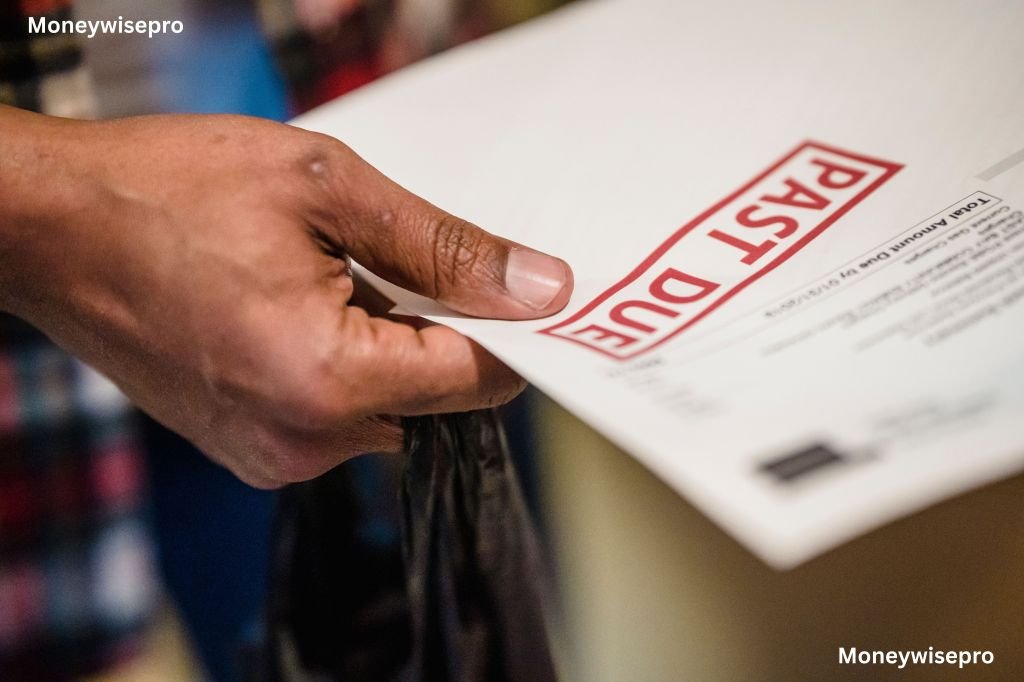
That pause is ending now. SAVE was eliminated, and servicers are sending 90-day notices moving borrowers onto new repayment plans with real monthly bills attached. If your payment has been $0, don’t assume it stays that way. Log into your loan servicer’s portal and check your new plan and due date before the switch catches you off guard.
That pause is ending. And most people don’t know their personal deadline yet.
I didn’t realize how dangerous the silence was until I talked to someone getting their notice. They’d gotten used to $0 payments and hadn’t looked at their loan once in two years. Now they’re facing $850/month with no warning.
Your 90-Day Notice Explained
Starting July 1, 2026, your loan servicer is sending out 90-day notices. The longest-enrolled borrowers are getting theirs first. Your own deadline is 90 days from the day YOU get your notice, not one single date for everyone.
Here’s the part that should really get your attention. If you do nothing before your deadline, you get automatically moved into the Standard Repayment Plan. That plan is based on how much you owe, not how much you earn.
For a lot of people, that means their payment jumps from $0 straight to $900 a month or more. Overnight. No warning beyond that one notice.
Not everyone lands at exactly $900 — the real number depends entirely on your own balance and interest rate. Someone with a smaller loan might see a jump to $250 or $300. Someone with a larger graduate school balance could see well over $1,000. The point isn’t the exact figure; it’s that the jump is real, automatic, and tied to your 90-day notice date, whatever that number turns out to be for you personally.
Do you know your loan balance well enough to guess what your new payment could be?
The scariest part isn’t even the money — it’s that the government decided your payment without asking if you could actually afford it. They just moved you into Standard and that was that.
That’s a hard thing to sit with, but it’s also exactly why acting before your 90-day notice arrives matters so much. Once the automatic move to Standard happens, undoing it means contacting your servicer directly and applying for a different plan yourself — nobody does that step for you.

There’s a second, quieter problem too. If you’re working toward loan forgiveness, through Public Service Loan Forgiveness or an income-driven plan, every month you spent on this $0 forbearance did NOT count toward your forgiveness total. It felt free. It wasn’t really free — it was a pause on your progress too.
This matters: My Student Loan Payment Just Changed and Nobody Warned Me
How to Estimate Your New Payment Before the Notice Arrives
You don’t have to wait for your 90-day notice to get a rough idea of what’s coming. Pull up your current loan balance and interest rate from your servicer’s website, then run those numbers through the official loan simulator to see what the Standard Repayment Plan would actually charge you. Doing this now, before your 90-day notice shows up, gives you time to plan instead of reacting. Waiting until the notice lands means you’re already inside the 90-day countdown before you’ve even looked at the math.
| Repayment Plan | Current Payment | After July 1 | Forgiveness Progress | Best For |
|---|---|---|---|---|
| SAVE (Before) | $0 | Ending | No progress counting | Limited time |
| Standard Repayment | N/A | $900+/month | Counts | 10-year plan |
| Repayment Assistance Plan | N/A | Lower | Counts | Lower income |
| Tiered Standard Plan | N/A | Varies | Counts | Mixed income |
| PSLF Track | $0 | Changes | Critical to act | Public service jobs |
So if forgiveness is part of your plan, waiting any longer costs you real time you can’t get back.
Every month spent on the wrong plan after your 90-day notice is a month that may not count toward forgiveness credit, and there’s no way to go back and add those months later.
Connect the dots: Medical Debt Can Still Wreck Your Credit Score
Track Your Deadline With a Free Tool So It Does Not Sneak Up on You
Once you know your 90-day notice date, put it somewhere you’ll actually see it — a free calendar app reminder, or a simple note on your phone’s home screen, set about two weeks before the real deadline. A lot of borrowers know the notice is coming in general, but still miss their own specific date because it wasn’t written down anywhere they’d actually check.

What You Can Actually Do Right Now
Here’s what you can actually do right now, today. Log into studentaid.gov and check your servicer account for your exact deadline date. Use a free loan repayment calculator to compare your real options, including the two new plans that started July 1: the Repayment Assistance Plan and the Tiered Standard Plan. If you’re chasing forgiveness, don’t wait for your deadline notice, switch as soon as you can.
If you’ve already received your 90-day notice, let me know what plan you ended up switching to — it might help someone else reading this figure out their own next step.
Are you on the SAVE plan right now? Do you already know your deadline, or are you still waiting on that notice?
Disclaimer: This article is for educational purposes only and should not be considered as legal or financial advice. Student loan rules, plans, and deadlines vary by situation. Consult with a qualified financial advisor or your loan servicer before making student loan decisions.
















Leave a Reply