

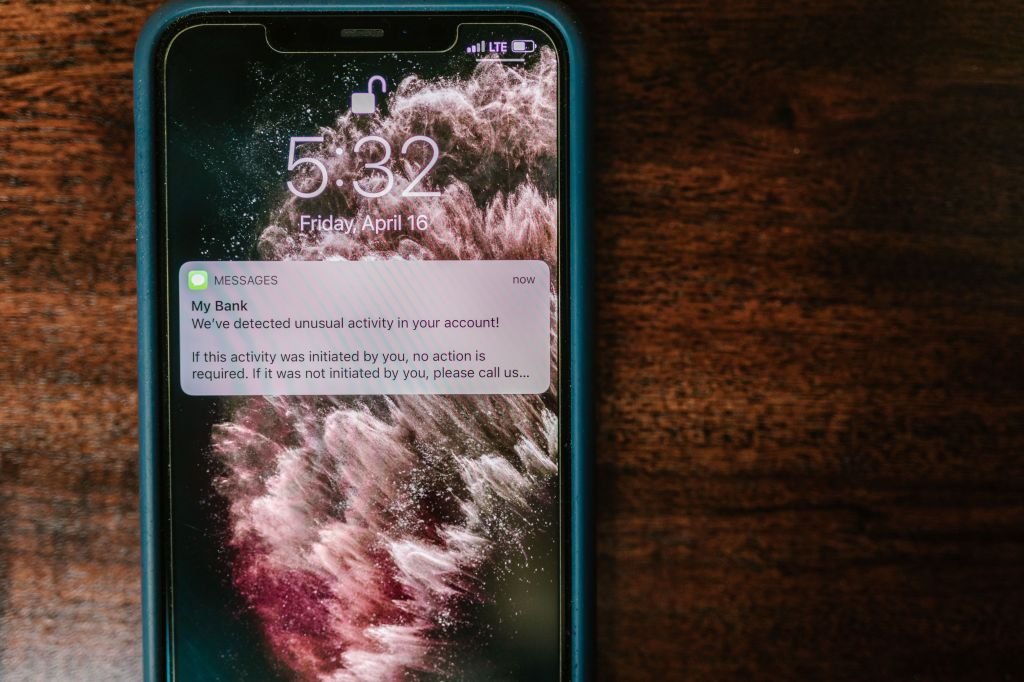
I got an email last week that made my stomach drop.
My student loan payment was changing. Starting today, July 1.
No big announcement. No warning banner. Just a quiet email I almost deleted without reading.
Have you checked your loan account this week? Really checked it?
Here’s the thing nobody tells you: loan servicers don’t call you when things change. They don’t text you. They don’t make it obvious.
Instead, they just change your account. And you’re expected to notice on your own.
Why This Is Happening to So Many People
Right now, millions of people are behind on their federal student loans. Not because they stopped caring about their debt.
Because the pandemic pause ended a while back, and payments quietly came back into their lives while everyone was busy living.
I talked to my cousin about it this week. She had no idea her loan had moved to a different repayment plan.
She found out the hard way. The payment came out of her account, and it was more than she expected.
No warning. Just a number that didn’t match what she remembered.
That’s the trap with loans like this. You set it up once, you stop paying attention, and life moves on.
Then one day, without asking permission, it bites you.

What I Did About It
So here’s what I did this week. And here’s what you can do today too.
I logged into my loan servicer’s website. Not the app. The actual website, where the account details are usually clearer and more complete.
I checked three things. My monthly payment amount. Also my current repayment plan name. My next due date.
| Student Loan Status | Before July 1 | After July 1 | Monthly Difference |
|---|---|---|---|
| Payment Paused | $0 | $150-200+ | +$150-200 |
| Income-Driven Plan | $0 | $100-250 | +$100-250 |
| Standard Repayment | $250 | $280 | +$30 |
| No Account Check | Unaware | Surprise | Unprepared |
Learn more: Your Student Loan Payment Could Jump From $0 to $900
That’s it. Three things. Five minutes.
Most people never do this. They assume the number on file is still correct. It isn’t always.
If something looks different than what you remember, don’t wait for it to sort itself out.
Call your servicer today. Ask them one direct question: “Did anything change on my account starting in July?”
You are allowed to ask questions. This is your money. This is your future. Nobody else is going to protect it for you.
I know loans are confusing on purpose. All the plan names. Plus all the fine print. All the acronyms that sound like they were designed to make you give up and stop reading.
But confusion is expensive. Every month you don’t check your account is a month something could quietly be going wrong in the background.
And by the time you notice, it’s already cost you money.
This isn’t about panic. It’s about five minutes of attention that can save you from a surprise you didn’t see coming.
Why So Many Loans Changed At Once
This is not just happening to me or my cousin. Federal student loan rules and repayment plans have gone through real changes over the past couple of years, and servicers moved a lot of people onto new plans without much noise.
If your loan history includes any pause, forgiveness application, or plan switch since 2020, there is a good chance something on your account is different than the last time you actually looked.
The problem is, most of these changes happen quietly. Nobody sends a letter that says READ THIS NOW. It is just a normal looking email buried between everything else in your inbox.
Two More Numbers Worth Checking
Beyond the three things I mentioned above, there are two more numbers worth knowing before they surprise you.
First, your interest rate. It might be fixed, but it is worth confirming, especially if you consolidated or switched plans recently.
Second, your loan forgiveness timeline, if you are on an income-driven plan. Ask your servicer how many qualifying payments you have logged so far. Some people are closer to forgiveness than they realize. Others have fewer qualifying payments than they assumed.
Try this: Write down today’s date. Set a reminder on your phone for 3 months from now to log in and check your account again. That is it. Two minutes now, two minutes every few months.
What Happens If You Just Ignore It
I get why it is tempting to look away. Loan paperwork is boring and confusing on purpose.
But an unpaid or wrong payment does not just sit there quietly. Missed payments can turn into late fees, damage to your credit score, and eventually collections on federal loans.
None of that fixes itself. It only gets more expensive and more stressful the longer it sits there.
Five minutes of checking your account today is a lot cheaper than months of cleanup later.
How to Actually Get a Real Answer From Your Servicer
Calling can feel pointless when you get stuck in a phone menu for twenty minutes.
Try this instead: log into your account and look for a secure message or chat option. Many servicers respond to written messages faster than phone calls, and you get a written record of what they told you.
Save that message or screenshot the chat. If there is ever a dispute about what you were told, having it in writing protects you.
One more thing worth trying: call right when the lines open in the morning, before wait times build up for the rest of the day. A five minute call at 8am can save you a full hour of hold music at 2pm.
Have you looked at your loan account this month? What did you find when you checked?
Tell me in the comments. If you found something you didn’t expect, you’re not alone. A lot of us are finding things out the hard way this week.
See also: Medical Debt Can Still Wreck Your Credit Score
Disclaimer: This article is for educational purposes only and should not be considered as financial advice. Everyone’s financial situation is unique. Consult with a qualified financial advisor before making investment decisions.
Leave a Reply