Disclaimer: This article is for educational purposes only and should not be considered as financial advice. Everyone’s financial situation is unique. Consult with a qualified financial advisor before making banking decisions.
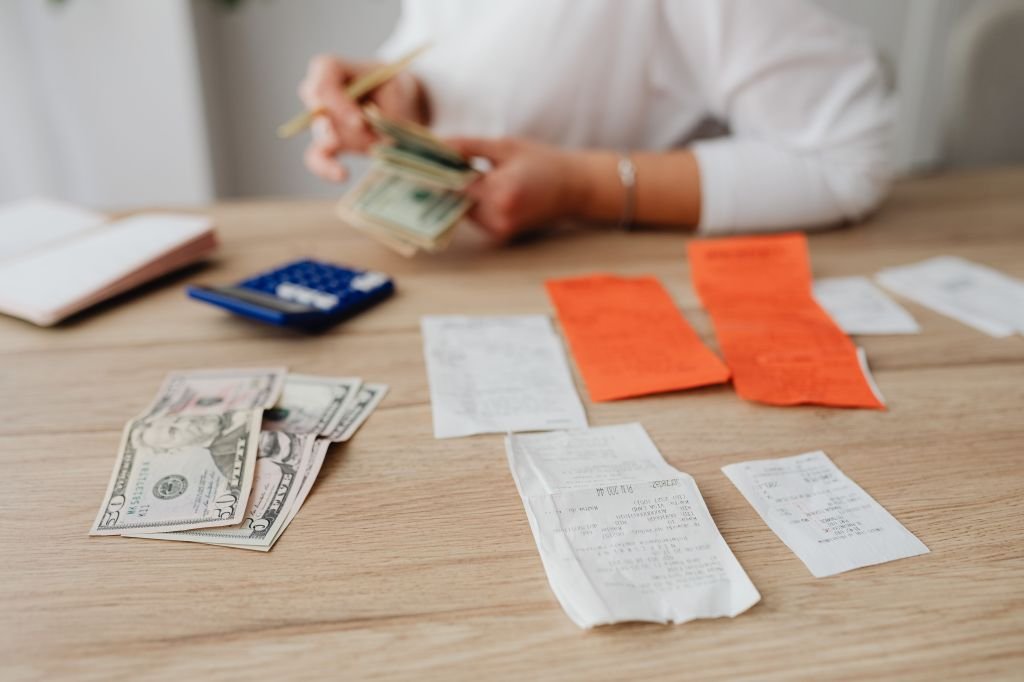
If you work a job where you earn tips, you may be able to deduct up to $25,000 of that tip income before taxes.
Let that sink in for a second.
If you’re a server, a bartender, a hairdresser, a delivery driver, anyone who earns tips as part of your income, this could mean real money staying in your pocket instead of going to the IRS.
Have you checked if this applies to you?
Here’s the thing about big financial changes like this. Nobody sends you a letter explaining it clearly. You have to go looking for it yourself, or you miss it completely.
My neighbor almost missed it. She just assumed her paycheck looked different because of some new company policy. She didn’t know it was actually a new law working in her favor.
So I want to break this down simply, the way I wish someone had explained it to her.
This isn’t extra money the government is giving you. It’s your own money. Money you already earned, working hard, night after night. This new rule just means less of it disappears before it reaches your bank account.
But here’s what you need to actually do about it. Don’t just assume it applies automatically.
Talk to whoever does your taxes. Ask them directly, “Does the new tip deduction apply to me?” If you do your own taxes, look up the current IRS guidance before you file.
Keep track of your tip income throughout the year. Don’t wait until tax season to try to remember it all.
This is exactly why I always say the same thing. Nobody protects your money except you.
Financial news moves fast, and most of us are too busy working, raising kids, and just getting through the week to catch every headline.
But small things like this? They matter. $25,000 is not a small number to overlook.
If you earn tips, or if someone you love does, share this with them today. Not next week. Today.
Have you heard about this new rule before reading this? Did you know it applied to you?
Tell me in the comments. Let’s help each other actually understand what’s happening with our money this year.
Disclaimer: This article is for educational purposes only and should not be considered as tax advice or financial advice. Tax laws change frequently and vary by situation. Consult with a qualified tax professional or CPA before making any tax-related decisions.
Most people never do this. They assume the number on file is still correct. It isn’t always.
If something looks different than what you remember, don’t wait for it to sort itself out.
Call your servicer today. Ask them one direct question: “Did anything change on my account starting in July?”
You are allowed to ask questions. This is your money. This is your future. Nobody else is going to protect it for you.
I know loans are confusing on purpose. All the plan names. All the fine print. All the acronyms that sound like they were designed to make you give up and stop reading.
But confusion is expensive. Every month you don’t check your account is a month something could quietly be going wrong in the background.
And by the time you notice, it’s already cost you money.
This isn’t about panic. It’s about five minutes of attention that can save you from a surprise you didn’t see coming.
Have you looked at your loan account this month? What did you find when you checked?
Tell me in the comments. If you found something you didn’t expect, you’re not alone. A lot of us are finding things out the hard way this week.
Disclaimer: This article is for educational purposes only and should not be considered as financial advice. Everyone’s financial situation is unique. Consult with a qualified financial advisor before making investment decisions.
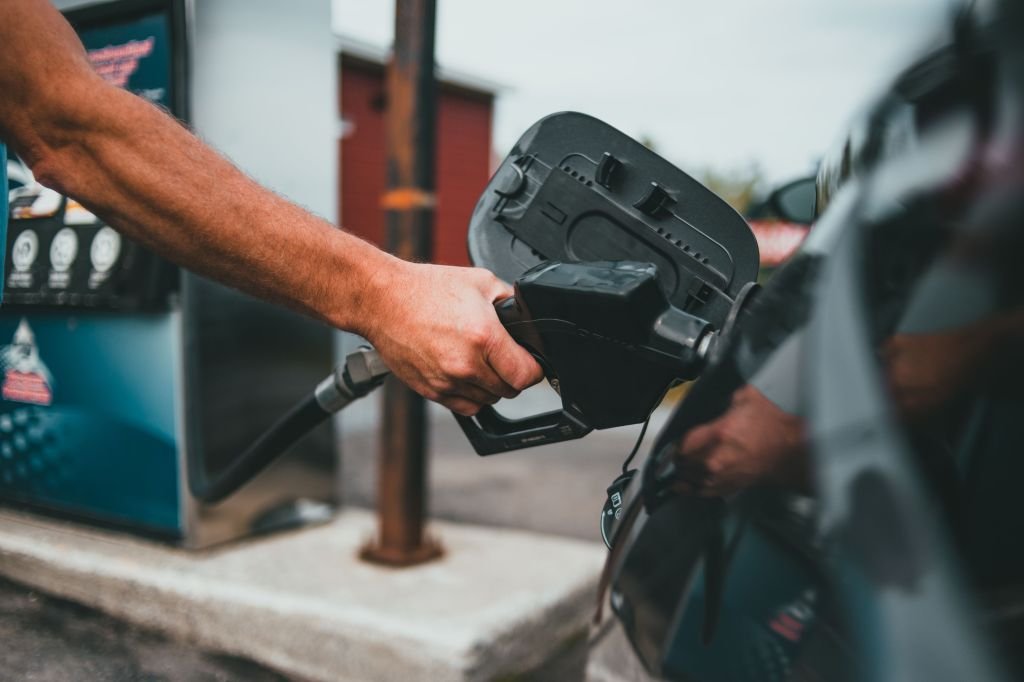
Every time the pump clicked off — I used to keep going.
Just to get it perfectly full.
Turns out that extra gas goes into a vapor recovery system.
You paid for it. Your car never used it.
Now I stop the moment the pump clicks.
Small thing. Real savings.
Here Is The Real Money I Saved
Table 1 – Individual Methods:
Method
Monthly Savings
Annual Savings
Cheapest station
$15
$180
Fill Mon/Tue
$18
$216
Combine errands
$80
$960
Slower driving
$60
$720
Table 2 – Small Wins:
Method
Monthly Savings
Annual Savings
Tire pressure
$10
$120
Grocery rewards
$24
$288
Stop topping off
$5
$60
TOTAL
$212
$2,544
Before — I was spending about $320 a month on gas.
After these 7 changes — about $235 a month.
That is $85 saved every single month.
More than $1,000 every year.
I did not buy a new car. I did not stop driving. I did not suffer.
I just changed a few small habits.
And the money stayed in my pocket where it belongs.
Your Turn
The people winning with gas prices aren’t waiting for prices to drop. They’re taking action with what they control right now.
Which one of these will you try this week? Just pick one. Try it. Then come back and tell me in the comments — did it work for you?
And if you have a tip I did not mention — drop it below. I read every single comment.
Let us figure this out together.
Disclaimer: This article is for educational purposes only and should not be considered as financial advice. Everyone’s financial situation is unique. Consult with a qualified financial advisor before making investment decisions.
I remember sitting at my kitchen table staring at my bank account.
Zero dollars. And rent was due in three days.
I felt sick. I felt ashamed. I felt like no matter how hard I worked — there was never enough money left at the end of the month.
Does that sound familiar to you?
Right now, more than half of Americans are living paycheck to paycheck. Working hard every single day. And still running out of money before the month runs out.
I was one of them. For years.
But something finally changed. And today I want to share exactly what broke the cycle for me.
First — Why Does This Keep Happening?
It’s not because you’re lazy. It’s not because you don’t work hard enough.
The real reason is simple: Your money has no plan.
Every month, money comes in. And money goes out. But nobody is telling that money where to go. So it just… disappears.
On coffee. On subscriptions you forgot about. On small purchases that feel like nothing but add up to everything.
Sound familiar?
The Moment Everything Changed For Me
One day I sat down and wrote every single thing I spent money on.
Everything.
Coffee. Lunch. That app I never use. The subscription I forgot I had. Everything.
I was shocked.
I was spending over $300 a month on things I did not even remember buying.
That was the moment I realized — I did not have an income problem. I had a spending awareness problem.
Here Is What I Did — Step By Step:
Step 1 — I Wrote Down Every Dollar
For one full week I wrote down every single thing I spent money on. Every coffee. Every snack. Every online purchase.
After that week I looked at my list and circled everything that was not necessary.
These are your money leaks. Small holes that drain your account every single month without you noticing.
For me it was:
3 streaming services I barely used
A gym membership I had not used in 4 months
Daily coffee runs that cost me $90 a month
I cancelled all of it. Same day. That one week of awareness saved me $300+ per month.
Step 3 — I Paid Myself First
This one changed everything.
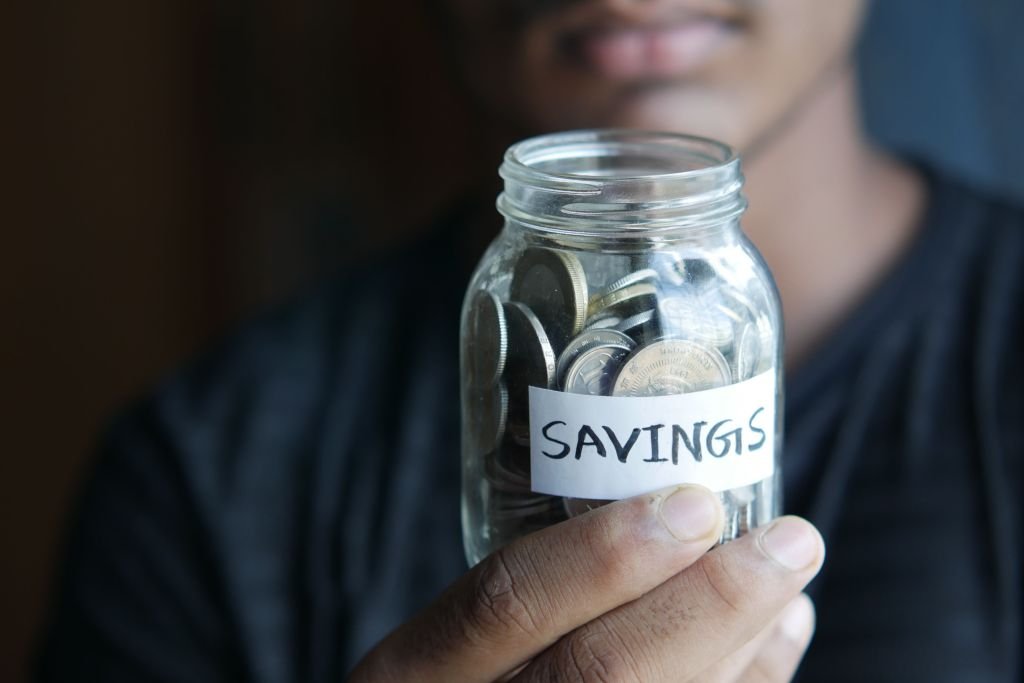
The moment my paycheck arrived — before I paid anything else — I moved $50 into a separate savings account.
Just $50. That is it.
Not $500. Not $200. Just $50.
I pretended that money did not exist.
After 3 months I had $150 saved. It was the first time in years I had money that was not already spoken for. That feeling changed everything for me psychologically.
Step 4 — I Started Using a Budget Framework
When I looked at how I spent money, I noticed something.
Many people use a budgeting framework where they split income into categories. Some use 50/30/20 (50% needs, 30% wants, 20% savings). Others use different splits like 70/20/10 or 60/25/15.
The point isn’t which ratio is “right” — it’s finding one that works for YOUR life.
I experimented with a few different splits until I found one where I could actually stick to it. That consistency was more important than the perfect formula.
Comparison: Common Budget Splits
Framework
Needs/Wants/Savings
Best For
50/30/20
50/30/20
Moderate income
60/25/15
60/25/15
Lower income
70/20/10
70/20/10
Tight budget
40/40/20
40/40/20
High earners
The key: Pick one, test it for a month, adjust if needed. Consistency beats perfection.
Step 5 — I Stopped Using Credit For Small Things
Every time I used my credit card for something small — coffee, groceries, gas — I told myself it was fine.
It was not fine.
Those small charges added up to hundreds of dollars every month. Plus interest.
I switched to cash for small daily purchases. When the cash was gone — it was gone. No more spending.
The physical act of handing over cash made me think twice. Cards make spending too invisible.
The first month I still overspent in some areas. But I was aware of it. And awareness is everything.
By month two I was no longer stressed on the last week of the month.
By month three I had savings in my account for the first time in years.
Nothing dramatic. No lottery win. No miracle.
Just small changes done consistently every single month.
You Can Do This Too
If you are living paycheck to paycheck right now — I want you to know something.
It is not your fault that nobody taught you this.
But it IS your responsibility to change it.
Start with just one step today. Write down everything you spend for one week. Just that. Nothing else.
That one step will open your eyes in a way nothing else can.
The people who break free from paycheck-to-paycheck living aren’t the ones making more money. They’re the ones who became aware of where their money actually goes.
So what’s stopping you from tracking your spending for just one week?
Disclaimer: This article is for educational purposes only and should not be considered as financial advice. Everyone’s financial situation is unique. Consult with a qualified financial advisor before making investment decisions.
For years I thought I was just bad with money. Turns out — I just needed a few simple changes.
Every month was the same.
The bills came in. The paycheck ran out. And I sat there staring at my bank account wondering where it all went.
Rent. Electric. Phone. Car. Groceries.
By the 20th of the month I was already counting days until the next paycheck.
Sound familiar?
You’re not alone. Right now, almost half of Americans say they struggle to pay their monthly bills. Half. That’s your neighbor. Your coworker. Your friend.
But here’s what nobody tells you — it’s usually not about how much you earn. It’s about a few small habits that nobody ever taught us.
I found that out the hard way. And these are the things that actually changed everything for me.
1. I Finally Wrote Down Every Single Bill
I know. Sounds too simple.
But I had never actually written all my bills in one place. They just… arrived. And I paid them. Or tried to.
One night I sat down with a piece of paper and wrote every single monthly expense I had.
Rent. Electric. Water. Phone. Internet. Subscriptions. Car payment. Insurance.
The total shocked me.
I was spending $400 more every month than I thought. No wonder I was always broke.
Try this tonight: Get a piece of paper. Write every bill you pay every month. Add them up. The number will surprise you — I promise.
Every late payment costs you $25, $35, sometimes $50. Do that with 3 bills a month and you’re throwing away $100 for nothing.
I set up reminders on my phone for every single bill — 3 days before it was due.
No more late fees. That’s $100 a month back in my pocket just from being organized.
Try this: Set a phone reminder right now for your next bill due date. Just one. Start there.
3. I Called My Internet Company and Asked for a Lower Rate
This one felt scary. I almost didn’t do it.
But my neighbor told me she called her internet company and just asked — “Is there anything cheaper available?”
They gave her a $20 discount on the spot.
I tried the same thing with my phone bill. The person on the phone offered me a different plan that saved me $15 a month.
$35 a month saved. From two phone calls. Total time: maybe 20 minutes.
Try this: Call one bill company this week. Just ask: “Is there a lower plan or any discounts available?” The worst they can say is no.
4. I Made a “Bills First” Rule
Before I spent any money on anything — food, clothes, fun, anything — the bills got paid first.
Sounds obvious. But I used to pay bills whenever I remembered. Which meant sometimes I spent money on other things first and then didn’t have enough for bills.
Now the day my paycheck arrives, bills come out first. Whatever is left is for everything else.
This one change stopped 90% of my late payments immediately.
Try this: Next payday — pay every bill first. Before anything else. Even before groceries. See how it feels.
5. I Found One Bill I Could Cut Completely
Look at your bill list from tip #1.
Is there anything you don’t really need?
For me it was a streaming service I watched maybe twice a month. $14 a month for almost nothing.
I cancelled it. That’s $168 a year back in my pocket.
One cancellation. Five minutes. $168 saved.
Try this: Find just ONE bill to cut this month. Not five. Just one. Even $10 a month is $120 a year.
Habit
Annual Savings
Pay on time (vs late)
$1,260
6. I Started a “Bill Emergency” Savings
Even $20 a month changes everything.
Because before I did this, one unexpected bill — a car repair, a medical bill, anything — would destroy my whole month.
Now I put $20 aside every payday specifically for unexpected bills. Just $20.
After 6 months I had $240 sitting there. It’s not a lot. But it means one unexpected bill doesn’t ruin everything anymore.
Try this: Open a separate savings account. Put just $20 in it this month. Label it “Bill Emergency.” Don’t touch it.
Struggling with bills doesn’t mean you’re bad with money.
It usually just means nobody taught you these simple habits.
I wasn’t bad with money. I was just disorganized. And once I got organized — everything changed.
You can do the same thing. Start with tip #1 tonight. Just write your bills down.
That one step will show you more about your money than anything else you’ve ever done.
Which tip are you going to try first? Tell me in the comments — I really want to know. 👇
If this helped you, share it with one person who needs it. It might change their month.
Disclaimer: This article is for educational purposes only and should not be considered as financial advice. Everyone’s financial situation is unique. Consult with a qualified financial advisor before making investment decisions.
I sat down one night and went through my bank statement line by line.
I found a gym membership I haven’t used since January. A music app I thought I cancelled. Two free trials that turned into paid subscriptions without me noticing.
$73 a month. Gone. For nothing.
I cancelled everything that day. That’s $876 a year back in my pocket.
Go check your bank statement right now. Seriously. I’ll wait.
Look — I used to feel a little embarrassed shopping at discount stores.
Stupid, right?
My neighbor told me she saves $200 a month just by switching from her regular supermarket to Aldi for most things.
I tried it. She was right.
Same food. Half the price. The store is smaller and less fancy. Who cares?
Money is money.
6. We Were Throwing Away $100 in Food Every Month
My wife figured this out, not me.
She noticed we kept buying vegetables and then throwing them away. Buying bread and letting it go stale. Making too much food and tossing the leftovers.
She started keeping a little list on the fridge. What do we have? What needs to be eaten first?
We stopped wasting so much food. And our grocery trips got smaller because we actually used what we bought.
Pick one thing from this list. Just one. Try it this week.
See how it feels.
Then next week, try another one.
I’m not going to tell you it’s easy. It’s not. But it’s a lot easier than looking at a $187 grocery bill and feeling like there’s nothing you can do.
There is something you can do.
Start today.
Which tip are you going to try first? Drop it in the comments — I’d love to know. And if this helped you, send it to one friend who needs it right now.
Disclaimer: This article is for educational purposes only and should not be considered as financial advice. Everyone’s financial situation is unique. Consult with a qualified financial advisor before making investment decisions.
Do you ever look at your bank account and wonder — where did all my money go?
I know that feeling. You work hard. You try to be careful. But somehow, money just disappears.
The good news? You don’t need to make more money to save more money. You just need to stop small leaks.
From tracking my own spending, I’ve found these 5 simple ways to save $100 this month — starting today.
1. Delete One Subscription You Forgot About
Go check your bank statement right now.
I’ll wait.
Do you see a charge for Netflix, Spotify, a gym, or some app you never use? Most people have at least one. I had three subscriptions I’d completely forgotten about.
Cancel it today. That’s $10 to $15 saved — without doing anything hard. One subscription down, and you’re already $120+ ahead for the year.
2. Cook at Home Just 3 More Times This Week
I’m not saying never eat out. That’s too hard.
But if you cook at home 3 extra times this week instead of ordering food — you save around $30 to $50 easily.
A simple meal at home costs $3 to $5. Ordering food costs $15 to $20. When I started cooking just 3 times instead of 5 per week, I saved $600 in three months.
3. Make a Shopping List Before You Go to the Store
This one sounds boring. But it works.
When you walk into a store without a list, you buy things you don’t need. Every single time. I tested this — went without a list one week, spent $120. With a list the next week, spent $85.
Write down what you need before you go. Stick to the list. You’ll save $20 to $30 every trip — without even trying.
The difference between going to the store with a list and without was crazy. One week I spent $120, the next week with a list I spent $85. It actually works.
Comparison Table: Grocery Shopping Impact
Method
Weekly Cost
Monthly Savings
Difficulty
No list
$120
–
Hard to control
With list
$85
$140
Easy
List + coupons
$70
$200
Medium
4. Wait 24 Hours Before Buying Something You “Want”
See something you want to buy? Wait one day.
If you still want it tomorrow — maybe buy it. But most of the time? You forget about it.
I tracked this for a month. Out of 15 things I “wanted,” I actually bought only 3 after waiting 24 hours. The other 12? Completely forgotten.
This one habit can save you $20 to $50 every month. Try it this week.
5. Turn Off Lights and Unplug Devices You’re Not Using
This feels like small stuff. But it adds up.
Leaving lights on, TVs plugged in, chargers in the wall — all of this costs you money every month. My electric bill dropped $15 per month just by unplugging devices when not in use.
Turn things off when you leave a room. Unplug chargers when not in use. Save $10 to $20 on your electricity bill.
$100 sounds like a lot. But look at these 5 steps — each one is small.
You don’t have to do all 5 today. Pick just one. Start there.
Small steps every day lead to big changes every month. The people who save money aren’t the ones who make more. They’re the ones who stop wasting what they already have.
So here’s my question for you: which one of these 5 methods are you going to try this week?
Disclaimer: This article is for educational purposes only and should not be considered as financial advice. Everyone’s financial situation is unique. Consult with a qualified financial advisor before making investment decisions.