I used to think grocery shopping was simple. Go to the store, buy what you need, come home. Then prices kept climbing, and simple stopped being simple.
Purdue University’s Center for Food Demand Analysis surveyed 1,200 people across the US at the end of 2025. 82% of them said they changed how they shop for groceries that year. Not a small tweak. A real change.
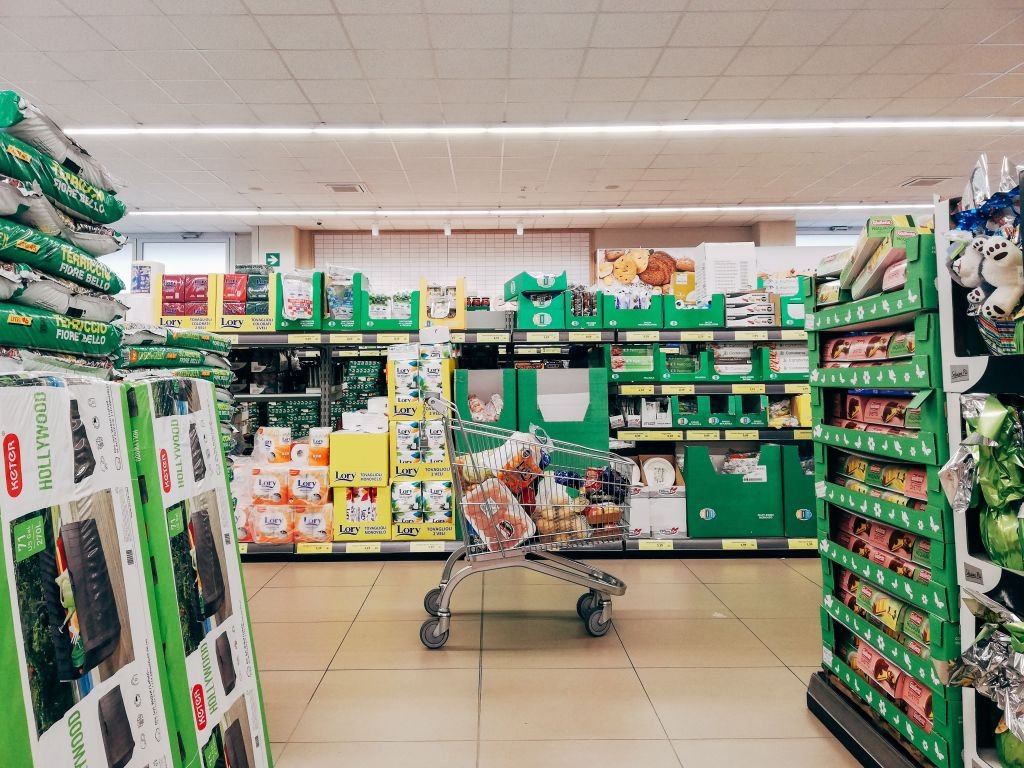
56% said the main reason was simple: food prices went up, plain and simple. Not overspending. Not bad habits. Just the actual cost of feeding a family climbing higher than it used to be.
| Grocery Shopping Behavior | Percentage | Source | Date |
|---|---|---|---|
| Changed Shopping Habits | 82% | Purdue University | End 2025 |
| Due to Food Price Increases | 56% | Purdue University | End 2025 |
| Expect to Keep Changes (2026) | 5% | Purdue University | End 2025 |
| Do Not Expect Changes to Stick | 95% | Purdue University | End 2025 |
| Survey Sample Size | 1,200 Americans | Purdue University | End 2025 |
I have three children, with a fourth on the way very soon. Every single grocery trip is a real decision, not a quick errand. So when I read that number, I didn’t feel behind. I felt like I was looking at a mirror.
With a fourth baby coming, I can’t afford to pretend prices will come down. These changes aren’t temporary for me — they’re how I’m going to feed my kids going forward. That changes how serious I am about them.
Here’s what I’ve actually changed, one thing at a time.
I stopped shopping brand-first.
Store brands sit right next to name brands, usually cheaper, usually just as good. I used to grab the familiar name out of habit. Now I check both, and more often than not, the cheaper one wins.
This works: 60% of Americans Bought Secondhand Last Year
I plan meals around what’s already home.
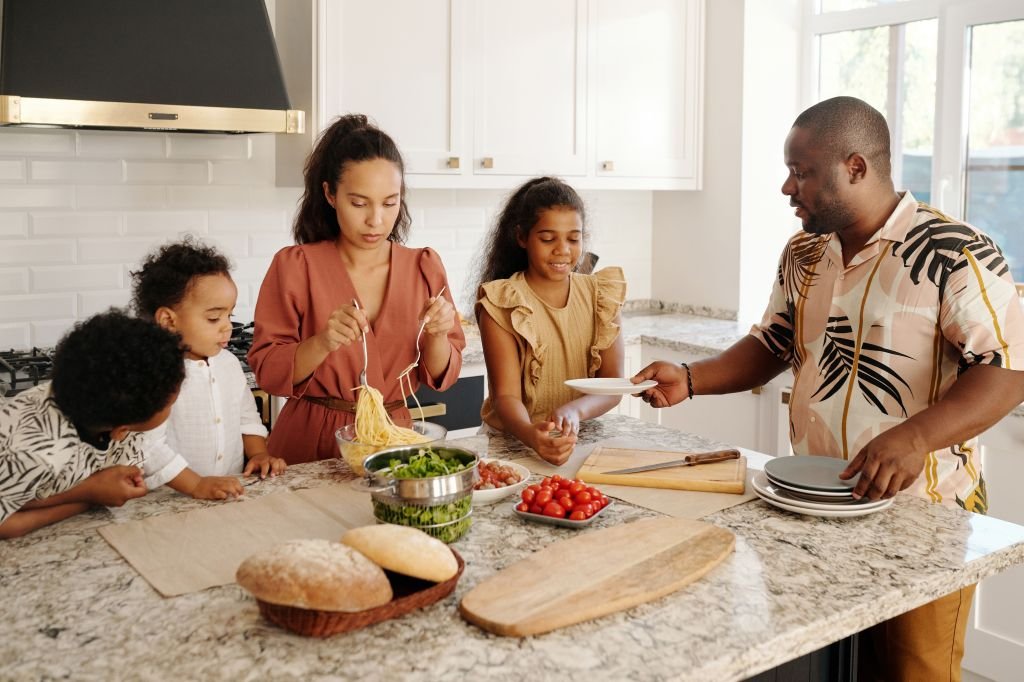
Before, I’d plan a meal, then buy everything for it. Now I look at what’s already in the kitchen first, then build the meal around that. Less waste, fewer extra trips.
I buy the boring stuff in bulk when it’s cheap.
Rice, flour, oil, the things my family goes through every week no matter what. When these go on sale, I buy more than I need for right now. When they don’t, I don’t panic-buy at full price.
Connect to: 37% of Americans Still Budget With Pen and Paper
I stopped treating “extra” items as normal.
Snacks, drinks, the little add-ons that sneak into every cart. They add up fast, and cutting most of them didn’t feel like sacrifice once I actually paid attention.
Here’s the part of that survey that stuck with me most: only 5% of people expect to keep these changes going in 2026. Most people think this is temporary, that things will go back to “normal” soon.
I don’t think that’s true for my family, and honestly, I’m not sure it’s true for most people. Prices that go up rarely come back down. The habit is the real win here, not just the moment.
Most people are waiting for normal to return. I’ve stopped waiting. The world is different now, and I need my family to adapt to it instead of holding on to what used to work.

Has your grocery bill changed how you shop, or are you still shopping the same way and just paying more for it?
I’m not saying any of this is easy with a family this size. Some weeks it still feels tight no matter what I do. But watching where the money actually goes, instead of just feeling the total at checkout, has made a real difference for us.
Essential reading: Your Paycheck Isn’t Keeping Up With Inflation
Disclaimer: This article is for educational purposes only and should not be considered as financial or dietary advice. Grocery shopping strategies and food budgets vary by location, family size, and individual needs. Consult with a qualified financial advisor or nutritionist before making major dietary or spending changes.
Leave a Reply