A new regional survey from WSFS Bank found something simple: 39% of people are spending less than they were a year ago. Not because they’re panicking. Because they’re pausing.
That one word — pause — is the whole story.
I used to buy things the second I wanted them. See it, want it, click it. No gap between the feeling and the action.
The worst part was that I convinced myself each purchase was a deliberate choice. It wasn’t. It was just impulse with a justification attached. The pause showed me the difference.

The survey (Philadelphia and Delaware region, not a national sample, but the behavior pattern is universal) found the top things people cut back on were restaurants, travel, online shopping, and entertainment. Not because these things stopped mattering. Because people started asking one question first: do I actually want this, or do I just want to feel something right now?
That’s the real shift. Not more discipline. Just one more second before you tap “buy.”
| Spending Behavior | Percentage/Detail | Survey Region | Source | Note |
|---|---|---|---|---|
| Spending Less Than Year Ago | 39% | Philadelphia & Delaware | WSFS Bank | Regional survey |
| Unaware of High-Yield Savings | ~25% | Philadelphia & Delaware | WSFS Bank | Nearly 1 in 4 |
| Switching to Debit | Growing trend | Philadelphia & Delaware | WSFS Bank | From credit cards |
Here’s what I started doing:
Before any purchase that isn’t food or a bill, I wait. Not a week. Just until the next day. If I still want it tomorrow, I buy it. Most of the time, I don’t even remember what it was.
That’s when I realized the want wasn’t real — it was just the temporary relief of clicking buy. Once that moment passed, so did the desire. The pause broke the spell.
This works: The Average American Spends $3,045 a Year on Impulse Buys

The survey also found something else worth knowing: people are quietly switching from credit to debit. Not because credit is evil. Because spending money you can see leaving your account feels different than spending money you’ll deal with later.
I don’t have a credit card built into this stage of my life. But the lesson still applies with cash or any account: the more real the money feels while you’re spending it, the more careful you become.
One more thing the survey found, and it worried the bank more than anything else: a lot of people don’t know what a high-yield savings account even is. Nearly one in four didn’t know it existed.
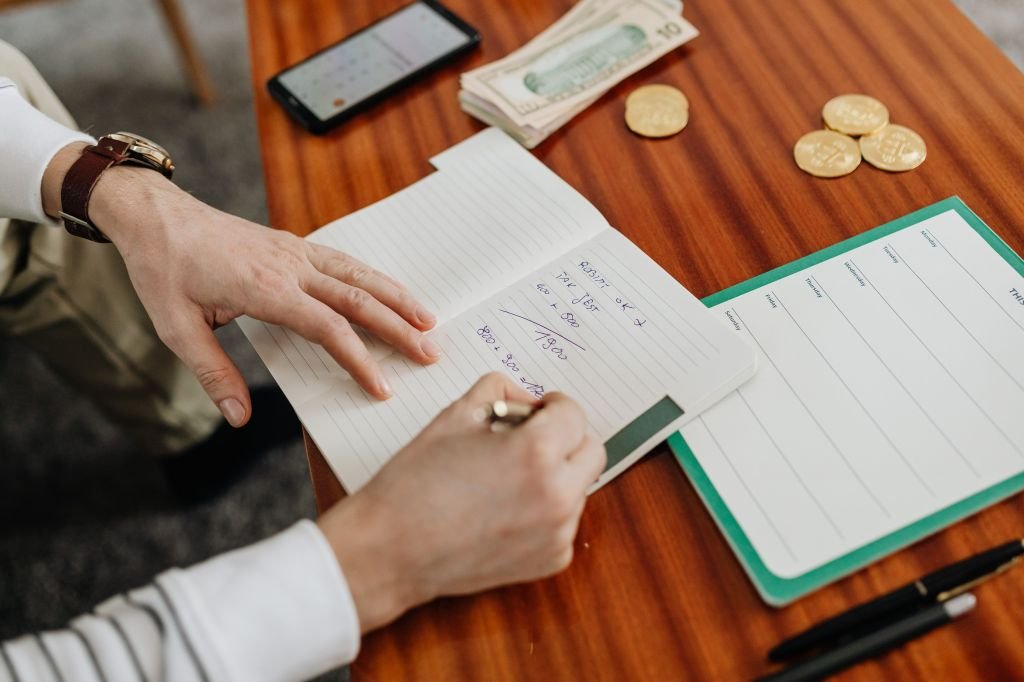
Apply this: 37% of Americans Still Budget With Pen and Paper

You can be careful with spending and still be missing free money sitting in a low-interest account. Pausing before you spend is step one. Checking whether your savings are actually working for you is step two — and it takes five minutes.
The bottom line: you don’t need a strict budget spreadsheet to spend less. You need one habit — a pause — repeated enough times that it becomes automatic.
Try it today. Before your next non-essential purchase, wait until tomorrow. See what still feels worth it.
Next level: Your Savings Account Might Be Secretly Costing You Money
Disclaimer: This article is for educational purposes only and should not be considered as financial advice. Spending habits, savings strategies, and financial products vary by individual circumstances and location. Consult with a qualified financial advisor before making major financial or savings decisions.