Tag: debt

  • Does Buy Now Pay Later on DoorDash Affect Your Credit Score?

    Does Buy Now Pay Later on DoorDash Affect Your Credit Score?

    Ordering dinner used to mean one decision: pay now or don’t order. Now DoorDash and Instacart let you split that same order into four payments through Klarna, and a lot of people are asking does buy now pay later on DoorDash affect your credit score before they tap confirm. The honest answer is more complicated than most articles admit.

    Food delivery already made overspending easy. Add a $6 delivery fee, a $4 service fee, and a tip on top of the actual meal, and the real cost of ordering in creeps up fast. Buy now pay later for food didn’t invent that problem. It just removed the last thing stopping people from ordering anyway: not having the full amount available right now.

    That’s the real risk here. When the app lets you pay for a $40 dinner in four $10 chunks, the dinner is gone long before the debt is. You’re not financing a couch or a laptop you’ll still own in six months. You’re financing something you already ate.
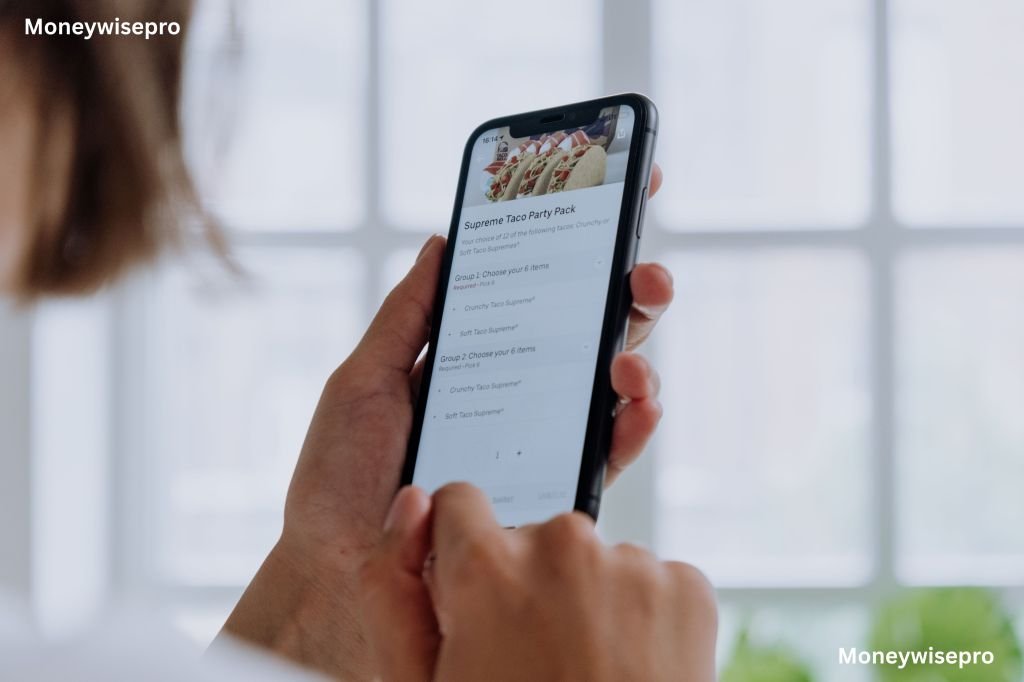
    A person checking a food delivery app and payment options on a smartphone at home

    Here’s where the credit score part actually gets real. For years, most BNPL providers didn’t report short-term “Pay in 4” plans to the major credit bureaus at all, which is part of why the apps felt consequence-free. That’s starting to change, though not the way most people assume. According to Credit Karma’s explanation of BNPL credit reporting, Affirm began reporting new installment loans to Experian in April 2025 and TransUnion in May 2025. Equifax has not joined that rollout yet, and in May 2026, US senators sent Equifax a formal letter asking exactly how it plans to handle BNPL data going forward. So does buy now pay later on DoorDash affect your credit score? Increasingly, for some bureaus, yes, especially if a payment is missed or a plan goes to collections.

    The bigger issue isn’t one missed $10 payment. It’s what happens when someone is running four or five of these plans at once across different apps, which is now common. Each individual plan looks small. Add them together with rent, a phone bill, and a car payment, and the math stops working quietly, without anyone noticing until a payment bounces.

    The fix for that blind spot does not have to be complicated. The BNPL Stack Tracker is a $9 fillable PDF built for exactly this kind of stacking, one page for every open plan, so a food delivery split shows up next to the furniture payment and the phone installment instead of hiding inside five different apps.

    A person reviewing bills and grocery receipts at a kitchen table looking concerned

    This isn’t happening in isolation. According to LendingTree’s 2026 BNPL Tracker, 47% of BNPL users say they’ve paid late on a loan in the past year, up from 41% in 2025 and 34% the year before that. The same report found grocery use is climbing fast too: a separate February 2026 LendingTree survey found 25% of BNPL users are now buying groceries with it, nearly double the 14% rate from a year earlier.

    That grocery shift matters more than it might seem. Groceries and food delivery are recurring, necessary expenses. Financing recurring necessary expenses on a payment plan is a pattern that’s much harder to walk back than financing a one-time purchase like a couch or a laptop.

    Worth knowing: this isn’t the only recent shift affecting how Americans handle everyday spending.
    Why Most Americans Fail at Saving. And the One Habit That Changes Everything.

    DoorDash’s partnership with Klarna, first rolled out for delivery orders and expanded from there, made this mainstream fast. What used to be a niche option for electronics or furniture is now sitting right next to the “place order” button for a burrito. The convenience is real. So is the fact that this normalizes debt for something you’d otherwise just decide you can’t afford tonight.

    To be fair, not every use of BNPL on food delivery is reckless. Someone splitting a one-time large catering order for a family event into two payments, paid on schedule, isn’t creating a problem. The plans are also genuinely interest-free if paid on time, unlike a credit card carrying a balance. The danger isn’t the tool itself. It’s using it as a workaround for a budget that’s already too tight, on purchases that repeat every single week.

    This is why keeping every open plan visible matters more than any single payment.
    Personal Loans: The New Debt Trap Americans Are Walking Into

    If you’re wondering does buy now pay later on DoorDash affect your credit score for your own situation, the practical test is simple: could you have paid for this order today, in full, without the split? If yes, the four-payment option is just a convenience. If no, that’s the actual signal worth paying attention to, not the payment plan itself.

    There’s a simple way to catch this before it becomes a real problem. Before opening a new plan on a food order, check how many BNPL plans are already active across every app, not just the one in front of you. Most people underestimate this number because each app only shows its own plans, never the full picture across Klarna, Afterpay, and Affirm combined.

    Grocery bags and food delivery packaging sitting on a kitchen counter after arrival

    If BNPL is already part of how you manage food or grocery spending, seeing every open plan in one place beats trusting memory across three or four different apps. The free BNPL Payment Tracker lays that out on one simple page, no cost, instant download.

    Metric20252026
    Paid late on a BNPL loan in past year41%47%
    BNPL used for groceries14%25%
    Reports to Experian / TransUnionRolling outActive (Affirm)
    Reports to EquifaxNoNot yet, under review

    None of this means BNPL should be avoided entirely, or that everyone using it is in trouble. It means the four-easy-payments pitch was built for furniture and electronics, not for a meal you’ll finish in twenty minutes. That gap between the pitch and the product is exactly where people get into trouble without meaning to.

    Nobody splits a $40 dinner into four payments because they planned to. It usually starts as a one-time convenience and quietly becomes a habit before anyone notices the pattern.

    So the next time an app offers to split your dinner into four payments, what’s the real question you should be asking yourself before you tap yes?

    Disclaimer: This article is for general informational purposes only and does not constitute financial advice. BNPL terms, fees, and credit reporting practices vary by provider. Consult a licensed financial advisor for guidance specific to your situation.


  • Personal Loans: The New Debt Trap Americans Are Walking Into

    Personal Loans: The New Debt Trap Americans Are Walking Into

    Personal loans used to be something you took out for one reason: a specific, big purchase you couldn’t afford otherwise. A wedding. A car replacement. A home renovation. You borrowed, you paid it back, you moved on.

    Today, personal loans have become something else entirely: a financial band-aid for everyday life.

    Nearly half of all Americans say they plan to take out a personal loan in 2026. And the number of people who already have one keeps climbing — from 31% just a few years ago to 38% today. The reason is simple and brutal: everything costs more, wages aren’t keeping up, and people are borrowing to cover the gap.

    Person reviewing loan documents and calculator with concerned expression
    Inflation CategoryYear-Over-Year IncreaseImpact
    Food Prices3.2%Daily survival cost
    Energy Prices28.4%Heat, electricity, fuel
    Shelter Costs3.3%Rent, housing
    Overall ImpactRising significantlyAmericans borrowing to cover gap

    Personal Loan Math Example:

    Loan AmountInterest RateTermTotal InterestTotal Repayment
    $5,00010%5 years$1,322$6,322

    Personal Loan Trends:

    Year/Time PeriodPersonal Loan RateChange
    Few years ago31%Baseline
    Today (2026)38%+7% growth
    Planned in 2026~50% (Nearly half)High intent

    Inflation hasn’t stopped. Tariffs have pushed prices up on everything from cars to groceries to home repairs. Food prices are up 3.2% year-over-year. Energy prices jumped 28.4%. Shelter costs rose 3.3%. For most Americans, these aren’t luxuries — they’re survival costs. And when you can’t absorb those costs from your current paycheck, you borrow.

    The problem is what you’re actually borrowing. A personal loan isn’t like a credit card — it’s a fixed-term loan with a fixed rate, usually 3-5 years of monthly payments. That sounds safer, but it’s not. It’s more dangerous, in a different way.

    Here’s why: credit cards signal risk instantly. You see the balance growing. You feel the weight of carrying a 23% interest rate. The discomfort is immediate and honest.

    Personal loans feel different. You walk out with $5,000 or $10,000 in your bank account, and it feels like a gift. But it’s not a gift — it’s debt with a monthly minimum payment attached. And most people don’t stop at one.

    That’s the dangerous part. A credit card balance stares you in the face and makes you uncomfortable. But a personal loan? It deposits money and disappears from your mind until the monthly payment shows up. That silence is where the trap lives.

    Many Americans are taking out personal loans to pay for things they would have saved up for five years ago: car repairs, medical bills, tuition, even groceries. And because the first loan feels manageable, they take a second one. Then a third. The interest rates are usually lower than credit cards, so it feels responsible. But the math doesn’t care about your feelings.

    Reality check: Buy Now, Pay Later Looked Smart

    Person managing multiple bills and financial statements, feeling overwhelmed by debt obligations

    If you take out a $5,000 personal loan at a 10% interest rate over 5 years, you’ll pay $1,322 in interest alone. That’s not borrowing $5,000 — that’s borrowing $6,322 to have $5,000 today.

    And if you stack multiple loans? Many borrowers don’t realize they’re doing this until they look at their monthly obligations and realize they’re committed to $800-1,200 in loan payments before they even think about rent or groceries.

    A Related Note If BNPL Is Also in the Mix

    This article is about personal loans specifically, but a lot of people juggling loan payments are also running two or three BNPL apps on the side. If that’s part of your situation too, the BNPL Stack Tracker handles just that piece — one page for every BNPL payment you owe. Check it out here — $9.

    Understand the numbers: Average American Owes $6,715 in Credit Card Debt

    The real warning sign is why people are borrowing: not for investments in their future (like education or a car for work), but to cover basic costs they used to be able to afford. That’s the debt trap.

    I see people convince themselves personal loans are smart because the interest rate is lower than credit cards. But they’re missing the point — any loan for groceries and rent is a sign something broke, and lower interest doesn’t fix broken.

    Many Americans are justifying personal loans as “the smart choice compared to credit cards” or “cheaper than BNPL.” And technically, the interest rate is lower. But borrowing to cover living expenses at any rate is a problem. It means your life costs more than your income, and you’re covering that gap by going into debt. Lowering the interest rate doesn’t fix the core issue — you’re still broke.

    The hardest truth: if you need a personal loan to afford this month’s bills, you don’t have an income problem that borrowing can solve. You have a budget problem that only earning more or spending less can fix.

    Person carefully considering financial decision before committing to loan or contract

    If you’re thinking about taking out a personal loan in 2026: ask yourself first whether this is for something that will increase your income or your financial security in the future. A loan for education, a work vehicle, or a home repair that prevents bigger problems? That can make sense. A loan to cover rent, food, or medical bills you couldn’t afford otherwise? That’s not a solution. That’s debt masquerading as one.

    Hard truth: Your Paycheck Isn’t Keeping Up With Inflation

    Disclaimer: This article is for educational purposes only and should not be considered as financial or legal advice. Personal loan terms, interest rates, and origination fees vary by lender and individual credit profile. Consult with a qualified financial advisor or credit counselor before taking out a personal loan or consolidating existing debt.

  • Buy Now, Pay Later Looked Smart. Here’s Why It’s Becoming a Debt Problem for Millions.

    Buy Now, Pay Later Looked Smart. Here’s Why It’s Becoming a Debt Problem for Millions.

    Many Americans discovered something during the pandemic: you could buy things now and split the payment into four interest-free installments. No credit card needed. No interest charges. No fees (in most cases). It felt like a loophole in how money works.

    Today, nearly half of American adults have used Buy Now, Pay Later (BNPL) services like Affirm, Klarna, or Afterpay. And many of them are discovering that the loophole has teeth.

    Person looking anxious while holding phone with payment app

    The numbers tell the story: 47% of Americans have used BNPL at least once. Among those users, 49% have missed at least one payment. Two-thirds of BNPL users are juggling multiple loans at the same time — often five or more open at once — and the payments don’t wait.

    BNPL Usage & Risk MetricPercentage/NumberSourceNote
    Americans Used BNPL47%Survey dataAt least once
    Missed at Least One Payment49%Of BNPL usersAmong users
    Juggling Multiple Loans66% (2/3)Of BNPL usersOften 5+ open
    Average Active Loans4-6SimultaneouslyPer user
    Payment Missed Example3 paymentsExample scenario$2,000 debt

    Here’s the part BNPL marketing doesn’t emphasize: the “interest-free” part is real, but the “free” part ends the moment you miss a due date. Late fees kick in. Your credit score takes a hit. And as of 2025–2026, those missed payments now show up on your credit report — the same place mortgage lenders and employers look.

    Person reviewing financial spreadsheet or payment calendar with concerned expression

    Many Americans started using BNPL for small things — shoes, a coffee maker, a video game. But the ease of splitting any purchase into four payments meant the habit grew. Groceries went on BNPL. Medical bills went on BNPL. The average BNPL user now has four to six active loans running simultaneously, and each one has its own due date.

    When you have four different companies sending you payment reminders every two weeks, it becomes easy to lose track. That’s how you go from “I’ll just split this one purchase” to “I have $2,000 in BNPL debt and missed three payments.”

    Before things get to that point, there’s a free tracker that shows you every BNPL payment across every app on one page. Worth filling out before it gets away from you.

    A Way to Actually See All of It at Once

    That “losing track” problem is exactly what makes BNPL debt sneak up on people. Four to six apps, each with its own due date, none of them talking to each other.

    The BNPL Stack Tracker is a simple fillable PDF built for exactly this. One page lists every loan you have open. Another catches payment collisions before they trigger a fee. Check it out here — $9, instant download

    The real risk isn’t the interest rate — it’s the trap of treating something “interest-free” as something you can afford.

    I watched people use BNPL like they’d found a cheat code in their budget. They hadn’t. They’d just automated their ability to buy things they couldn’t actually pay for, four separate times.

    Many Americans who would never carry a credit card balance got comfortable with BNPL because it felt safer. The marketing says “no interest,” so people assume it’s less risky than a credit card. But the opposite is true. A credit card gives you protections: if you dispute a charge, the card company backs you. If you return an item, the refund goes back to your card. BNPL doesn’t work that way. You approve the payment upfront, split it into four, and return items are your problem to handle.

    And now that BNPL shows up on credit reports, a missed payment doesn’t just cost you a late fee — it can knock points off your credit score for months. For someone saving up for a mortgage or car loan, that can mean paying thousands more in interest on much bigger purchases.

    That’s exactly what the marketing wants you to feel. But loopholes don’t exist in money — they just move the trap somewhere else. With BNPL, the trap moved from interest to missed payments and credit damage.

    This trap: I Almost Fell Into the “Buy Now, Pay Later” Trap

    Person confidently comparing payment options or financial decisions on laptop

    The hard truth: if you can’t afford something without splitting it into four payments, you probably can’t afford it at all. Many Americans discovered this too late, after they already had multiple BNPL loans stacked up.

    The solution is simpler than the problem: treat every BNPL offer the way you’d treat a credit card offer. Would you put this on a credit card and pay interest? If not, don’t put it on BNPL either. The “interest-free” label should be a warning sign, not a green light.

    If you already have multiple BNPL loans open: stop taking on new ones. Pick one and focus on paying it off completely before your next purchase. Your credit score — and your next mortgage application — will thank you.

    Related: Medical Debt Can Still Wreck Your Credit Score

    Disclaimer: This article is for educational purposes only and should not be considered as financial or legal advice. Buy Now, Pay Later agreements and their terms vary by provider and location. Consult with a qualified financial advisor or credit counselor before using BNPL services or if you have existing BNPL debt.

  • Medical Debt Can Still Wreck Your Credit Score — Here’s the Real Rule in 2026

    Medical Debt Can Still Wreck Your Credit Score — Here’s the Real Rule in 2026

    Do you think medical debt can’t hurt your credit score anymore? A lot of people believe that right now. It’s not true.

    In January 2025, the government finalized a rule to ban medical debt from credit reports completely. It sounded like great news for the roughly 15 million Americans with medical debt showing up on their credit.

    Then, in July 2025, a federal court in Texas threw that rule out. The judge ruled the government didn’t have the legal authority to make that rule in the first place.

    When I read that the rule got overturned, I was confused. Everyone on social media said medical debt was protected now. Turns out that protection was never solid to begin with.

    A stack of medical bills and an insurance statement on a table

    So here’s where things actually stand today. There is no federal law banning medical debt from your credit report. If you assumed there was, because of news from last year, you were working off information that’s no longer true.

    So does medical debt affect credit score US 2026 the same way it used to? Not exactly. Under current credit reporting rules, paid medical debt no longer appears on your report at all, and unpaid medical bills under $500 are also excluded. But once a medical bill crosses that $500 mark and stays unpaid, it can still show up as a collection account and pull your score down significantly.

    The real danger is timing. Medical providers often wait months before sending a bill to collections, so many people don’t realize a small ER visit or lab test is about to become a credit problem. Checking your credit report every few months catches these before they snowball, especially since one unpaid collection account can stay on your report for up to seven years.

    Does that mean every medical bill you owe is now hurting your credit? Not exactly. There’s still real protection, just not from the government.

    The three big credit bureaus, Experian, Equifax, and TransUnion, made their own voluntary promise back in 2022 and 2023. They agreed to three things: paid-off medical debt gets removed completely, unpaid medical bills under $500 don’t get reported at all, and new medical debt gets a 365-day grace period before it can show up.

    Person checking their credit score on a laptop screen

    That’s a real, working protection today, but notice the word “voluntary.” Nothing forces the bureaus to keep doing this. They could change their policy anytime, and there’d be no law stopping them.

    On top of that, 15 states, including California, New York, Colorado, and Illinois, passed their own state laws banning medical debt from credit reports. The Texas court hinted these state laws might not hold up either, but that part of the ruling wasn’t a real decision, just a comment. Nobody has actually challenged those state laws in court yet, so they’re still considered valid for now.

    The credit bureaus could wake up tomorrow and change their minds. They’re not doing this because they have to — they’re doing it because right now it’s good PR. That makes me nervous about relying on it long-term.

    State ProtectionStatus (2026)Medical Debt BanEnforcement
    CaliforniaActiveYesState law
    New YorkActiveYesState law
    ColoradoActiveYesState law
    IllinoisActiveYesState law
    11 Other StatesActiveYesState law
    Federal RuleOverturnedNo (July 2025)Court struck down
    Credit Bureau PolicyVoluntary$500+ unpaidNo enforcement

    Do you live in one of those 15 states? If so, you likely have stronger protection than most of the country right now, whether you knew it or not.

    Check this too: Average American Owes $6,715 in Credit Card Debt

    "Person reviewing bills and using a calculator at home

    So what should you actually do? Pull your free credit report at AnnualCreditReport.com and check for medical debt entries. If something is under $500, or already paid off, or newer than 365 days, and it’s still showing up, that’s against the bureaus’ own policy, and you can dispute it. If your bill seems wrong in the first place, check with your insurance company first, billing errors and denied claims are extremely common.

    Did you think medical debt couldn’t touch your credit anymore? Are you going to check your own report after reading this?

    Read first: Your Health Insurance Bill Just Jumped 58%

    Disclaimer: This article is for educational purposes only and should not be considered as legal or financial advice. Medical debt laws, credit bureau policies, and state protections vary by location and situation. Consult with a qualified attorney or credit counselor before making decisions about medical debt.

  • Average American Owes $6,715 in Credit Card Debt. The Fed Just Made That Number More Painful.

    Average American Owes $6,715 in Credit Card Debt. The Fed Just Made That Number More Painful.

    Person looking stressed while holding a credit card and looking at bills

    $6,715. That’s what the average American owes on credit cards right now, according to new data. It’s a record high, and it’s still climbing.

    Here’s the part most people miss. The Federal Reserve just met in June 2026. They decided to leave interest rates exactly where they were. No cut.

    That decision didn’t make headlines for long. But if you’re one of the millions carrying a balance, it hit your wallet directly.

    Why? Credit card interest is tied to the Fed’s rate. When the Fed holds steady instead of cutting, your card’s interest rate stays high too.

    Right now, the Fed’s own number for average credit card interest is 21.5%.

    Some reports that include lower-credit-score borrowers put the average even higher, near 25%. If your credit score isn’t great, you could be paying closer to 26%.

    Do the math on that $6,715 average balance at 21.5% interest.

    If you only pay the minimum, most of your payment doesn’t touch what you owe. It just covers interest. You could pay for years and barely move the number.

    Similar story: Buy Now, Pay Later Looked Smart. Here’s Why It’s Becoming a Debt Problem

    Debt OptionInterest RateMonthly PaymentYears to RepayTotal InterestNotes
    Credit Card (minimum)21.5%$1347+ years$4,500+Interest eats most payment
    Credit Card (aggressive)21.5%$3002.5 years$1,600Requires discipline
    Personal Loan9-12%$180-22036 months$1,200-1,400Fixed rate, predictable
    Balance Transfer (0% intro)0% (then 20%)$2252.5 years$500-600Works if paid before APR kicks in

    Have you ever actually checked your statement to see how much of your payment goes to interest versus your real balance? Most people never look. It’s not a fun number to see.

    When I finally checked mine, I was shocked. I’d been paying for three months and the balance barely moved. That’s when I realized I wasn’t actually paying off debt — I was just feeding interest.

    Calculator and bills on a kitchen table representing budgeting and debt

    Here’s the part that should really get your attention. Experts are now saying there’s a real chance the Fed raises rates again later in 2026, not lowers them.

    Related: Your Income Doesn’t Affect Your Credit Score. Here’s What Actually Does

    That means this could get more expensive before it gets cheaper.

    I remember thinking if rates go higher, my minimum payment stays the same but even less of it touches what I owe. It’s like running on a treadmill that keeps speeding up.

    Debt doesn’t wait for a “better time” to deal with it. It compounds every single day, whether you’re ready or not.

    Person sitting at a laptop reviewing their bank and credit card statements

    So what can someone actually do? A few real options: pay more than the minimum every month, even a little extra makes a difference over time. Look into a lower-interest personal loan to pay off the card faster. Talk to a nonprofit credit counselor — many offer free help and won’t push you toward anything. For people in serious trouble, formal debt relief exists too, though it can take years and hurts your credit short-term.

    If BNPL is part of what you’re dealing with, start with the free tracker first. It lays out every payment you owe across every app, in one place.

    If BNPL Apps Are Part of the Picture Too

    Credit card debt often isn’t the only balance stacking up. A lot of people carrying card debt are also juggling two or three BNPL apps at the same time, and those payments hit the same bank account on different days.

    The BNPL Stack Tracker is a simple fillable PDF that puts every BNPL payment in one place, so at least that part of the picture stays visible while you tackle the card balance. Check it out here — $9, instant download.

    None of these fix it overnight. But staying quiet while rates stay this high is the most expensive choice of all.

    If you’re carrying credit card debt right now, what’s stopping you from making one move on it today instead of “eventually”?

    Check this too: Medical Debt Can Still Wreck Your Credit Score

    Disclaimer: This article is for educational purposes only and should not be considered as financial advice. Debt solutions vary greatly based on individual circumstances. Consult with a qualified financial advisor, nonprofit credit counselor, or attorney before making debt management decisions.