Category: saving-money

  • Your 401(k) Catch-Up Contribution Rule Just Changed for 2026 — Here’s Who It Hits

    One in five Americans over 50 has nothing saved for retirement, according to AARP’s 2026 Financial Security Trends Survey. If you are in the other four, and you have been counting on catch-up contributions to close the gap, a new catch-up contribution rule kicking in this year changes how that extra money gets taxed, and a lot of people are going to find out the hard way.

    For years, anyone 50 or older could put extra money into a 401(k) on top of the regular limit, and choose whether that extra money went in pre-tax or as Roth. That choice is gone for a large group of workers starting in 2026.

    Starting this year, if your wages from your employer topped $150,000 in 2025, every dollar of your catch-up contribution has to go into a Roth account. Not traditional, pre-tax money. Roth only. That means the immediate tax deduction you used to count on when you maxed out your catch-up is gone, and you pay income tax on that money now instead of later.

    Senior couple reviewing retirement paperwork together on their living room couch

    The IRS put real numbers on this. For 2026, the standard catch-up contribution for anyone 50 and older is $8,000, on top of the regular $24,500 deferral limit. If you turn 60, 61, 62, or 63 this year, you get a bigger super catch-up window instead, $11,250, part of the SECURE 2.0 changes that were finalized this year.

    Here is the part that catches people off guard. The income test looks backward, not forward. It checks what your employer paid you in 2025, not what you are earning right now. So even if your income drops in 2026, or you switch to a lower-paying job, you are still locked into this catch-up contribution rule for the whole year if last year’s number crossed the line.

    And if your employer’s 401(k) plan does not offer a Roth option yet, the rule does not quietly let you keep the pre-tax catch-up instead. Under the current guidance, you cannot make any catch-up contribution at all until your plan adds one. That is real savings capacity you lose, not just a change in how the money gets taxed. Some large employers have already rolled out a Roth option specifically to avoid this exact problem for their higher-paid staff.

    This catch-up contribution rule was not supposed to land this late. It was written into the SECURE 2.0 Act back in 2022 and was originally set to start in 2024. Payroll providers and plan administrators pushed back hard, saying they needed more time to rebuild how catch-up money gets routed and taxed inside their systems. The IRS granted transition relief twice, which is the only reason most higher earners are only running into this now, two years after the law first passed.

    One thing this rule does not touch: Traditional and Roth IRAs outside of a workplace plan. For 2026, the IRA contribution limit is $7,500, plus a separate $1,100 catch-up for anyone 50 and older, and that catch-up can still go in pre-tax if you use a Traditional IRA. It is a smaller number than a 401(k) catch-up, but it is one place higher earners can still choose pre-tax treatment on their own, without asking their employer for anything.
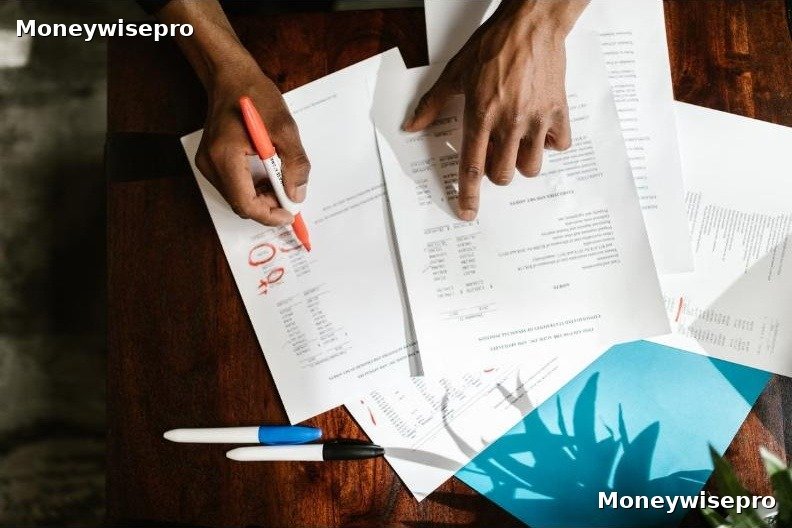
    Close-up of hands marking up a retirement contribution worksheet with a highlighter

    Check this:
    Your Emergency Fund Isn’t What It Used to Be

    None of this makes Roth a bad deal. It is a different deal. Money that goes in as Roth grows tax-free, and comes out tax-free in retirement, with no required minimum distributions forcing you to pull it out on the IRS’s schedule. If you expect to be in a lower tax bracket right now than you will be later, or you just want fewer tax surprises after you retire, paying the tax on catch-up money today is not the disaster this catch-up contribution rule first sounds like.

    The bigger problem is not Roth versus pre-tax. It is timing, and that part has not changed. A dollar put into catch-up contributions at 55 has roughly a decade to compound before a typical retirement age. Put in $32,500 a year for ten years at a 7% return, and you land close to $480,000 by 65. Wait until 62 to get serious about it, and three years of the same effort lands closer to $112,000, an amount that gets eaten fast by real living costs.

    Financial advisor showing a retirement contribution form to an older couple

    Read this:
    You’re Allowed to Save an Extra $7,500 for Retirement

    If you are anywhere near that $150,000 mark, or you are 50-plus and have not looked at your 2026 catch-up contribution setup yet, this is worth five minutes with your HR or benefits portal before your next paycheck goes out. Confirm whether your plan actually has a Roth option. Confirm what your 2025 W-2 wages were with that specific employer, since the threshold is per-employer, not your total household income. That is the difference between a contribution that goes in the way you expect, and one that quietly gets taxed in a way you never agreed to.

    Retirement paperwork has a way of getting ignored until the day it actually costs someone money. Nobody mails a warning letter before a quiet rule change like this one kicks in.

    Age Group2026 Total Contribution LimitCatch-Up PortionRoth-Only If 2025 Wages Exceeded $150,000?
    Under 50$24,500$0 (no catch-up available)Not applicable
    50 to 59$32,500$8,000Yes
    60 to 63$35,750$11,250Yes

    So have you actually checked whether your 2025 W-2 wages put you on the Roth side of this new catch-up contribution rule?

    Disclaimer: MoneyWisePro is not a financial advisor. This article is for general information only and is not financial advice. Contact a licensed financial advisor for guidance on your own retirement contributions and tax situation.

  • The Tip Screen Guilt Is Real, and It’s Quietly Draining Your Budget in 2026

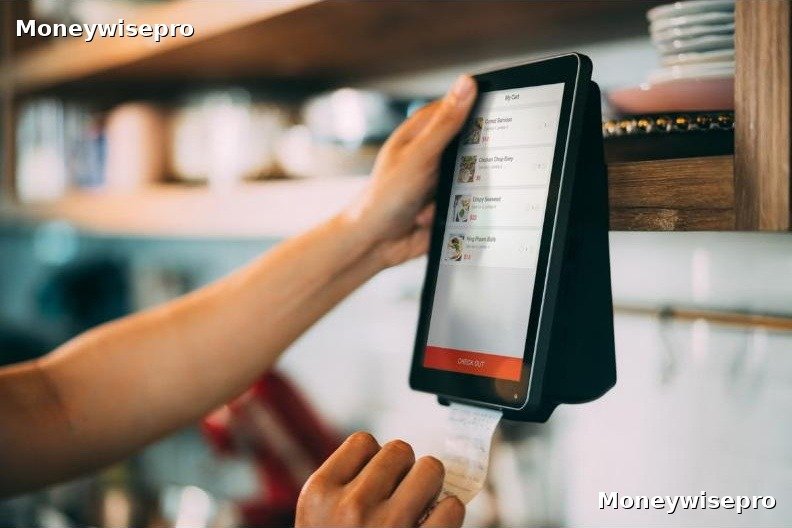
    You hand over your card at the coffee counter, the self-checkout kiosk, or the tire shop, and the screen flips around asking for 18, 20, or 25 percent, with a cashier or camera lens somewhere nearby. That moment of tip screen guilt is not just in your head. Americans reluctantly tipped an average of 283 dollars in 2025 just from feeling pressured in that exact moment, money that never made it into a real budget plan.

    Digital tip prompts used to show up mostly at sit-down restaurants. Now they pop up at drive-throughs, hair salons, dog groomers, and self-checkout lanes where there is no server bringing you a plate at all. The screen does not care whether a human actually did extra work for you. It just asks, and most people feel too watched to hit the no tip button.

    That is the real problem behind tip screen guilt: it turns a voluntary reward into a rushed, emotional decision made under someone’s gaze, and that rushed decision quietly eats into money that was supposed to go somewhere else. Many Americans report changing how they shop and pay specifically because of this pressure, not because they suddenly decided service workers deserved more.

    Part of the trick is how the screen is designed in the first place. Most kiosks show a default set of options like 18, 20, and 25 percent instead of a blank field, and that starting point quietly shifts what feels normal to tip. Pick a low number and you feel like you are being cheap in front of the person watching the screen. Pick the highest number and you barely notice the extra few dollars sliding out of your account, one tap at a time, all month long.

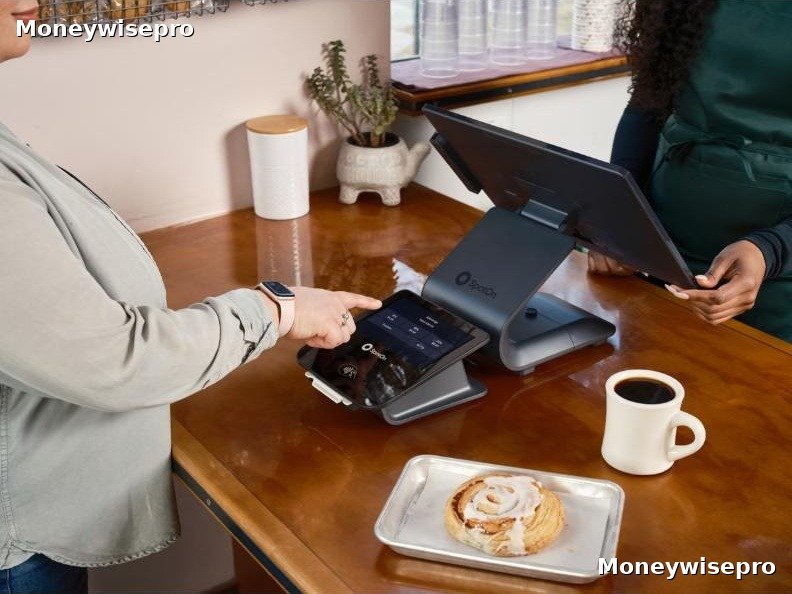
    Customer tapping a tip percentage option on a coffee shop point of sale screen

    The pressure is measurable, not just a feeling. A LendingTree survey found 66 percent of Americans feel pressured to tip once a screen puts the option in front of them, and 60 percent say they are tipping more now purely because the technology makes it easier to nudge them. Break that pressure down and it comes from three different directions: 27 percent said the pressure was self-imposed, 24 percent said they felt obliged by people standing nearby, and 19 percent said the pressure came directly from the person serving them. None of that is about generosity. It is about not wanting to look cheap in front of a stranger.

    The generational split is worth knowing if you are trying to budget realistically. Gen Z reports tipping more under this pressure at 73 percent, millennials at 72 percent, and parents with kids under 18 tip more often than people without kids, 72 percent versus 58 percent. Tip screen guilt hits hardest on people already juggling tight family budgets, not people with money to spare.

    Here is where it actually shows up in real dollars. The average person who gives in to tip screen guilt does it about 4.2 times a month and reluctantly adds around 24 dollars a month they did not plan to spend, according to Talker Research’s 2025 data reported by Fox Business. Add that up over a year and it lands close to that 283 dollar figure, money quietly leaking out of a grocery budget or an emergency fund one tap at a time.

    This helps: The Average American Wastes $205 a Year on Subscriptions They Don’t Even Use

    Handheld payment screen showing preset tip percentage buttons at a restaurant table

    There is a real counter-argument here, and it deserves honesty, not a blanket no-tip rule. Workers in genuinely tipped jobs in the United States, servers, bartenders, delivery drivers, often depend on tips to reach a livable wage because their base pay is legally allowed to be lower. Skipping a tip for someone who actually served your table is a different decision than skipping one at a self-checkout kiosk where no human did anything beyond programming the screen.

    That distinction is exactly why 2026 is turning into a pushback year instead of just another year of rising tip pressure. A WalletHub-based survey covered by TheStreet found close to 40 percent of Americans now believe tipping culture has gone too far and would support pulling it back, and Fox Business reported Americans are actively fighting the guilt-tipping trend for the first time, with total guilt-tip spending actually falling 38 percent from 2024 to 2025. People are starting to draw their own line instead of letting the screen draw it for them.

    The places where this pressure shows up the most are also the places with the least actual justification for a tip. Coffee counters where you order at a register and wait for your own name to be called, self-checkout lanes where you scanned every item yourself, and drive-throughs where nobody carried anything to a table are exactly where the screen still asks for 20 percent by default. A tip in those settings is not paying for labor you received, it is paying for the discomfort of saying no while someone is standing three feet away.

    Customer using a self-checkout kiosk screen with a printed receipt

    The fix is not becoming someone who never tips. It is deciding your rule before you are standing at the counter with the screen glowing in your face and someone watching. Decide ahead of time that table service, haircuts, and delivery drivers get a real tip, and that a machine you walked up to and scanned your own groceries on does not owe anyone a percentage just because it asked.

    Here is a quick look at how the guilt-tipping trend actually moved between 2024 and 2025, based on the LendingTree and Talker Research surveys cited above.

    Metric20242025
    Average annual guilt-tip spendingover $450$283
    Guilt tips given per month6.3 times4.2 times
    Extra amount tipped per monthhigheraround $24
    Americans who increased tipping that yearmajority trend uponly 11%

    That hesitation right before tapping a tip amount is a genuinely uncomfortable few seconds for most people, not a sign of being cheap. Once you realize the number on that screen has nothing to do with how good the service actually was, it gets a lot easier to just tap the honest amount and move on.

    Worth knowing: The Average American Spends $3,045 a Year on Impulse Buys

    Do you tip differently now than you did two years ago, or has the screen just quietly changed your habits without you noticing?

    Disclaimer: MoneyWisePro is not a financial advisor. This article is for general information only and is not financial advice. Contact a licensed financial advisor for guidance on your own household budget and spending decisions.

  • Why Did My Pet Insurance Premium Go Up With No Claims in 2026?

    Why Did My Pet Insurance Premium Go Up With No Claims in 2026?

    Your pet insurance renewal notice arrives and the new price makes no sense. You never filed a claim this year. Your dog had one routine checkup and nothing else. Yet somehow your premium jumped by 30 percent. If you are asking why your pet insurance premium went up with no claims in 2026, you are not imagining things, and you are far from alone.

    Something is shifting across the entire pet care industry right now. A nationwide survey from the American Veterinary Medical Association found that 81 percent of veterinarians reported noticeably more price-sensitive clients in 2025, up from 72 percent the year before. At the same time, actual clinic visits dropped roughly 3 percent, continuing a four-year slide. Many Americans are skipping the vet, not because their pets need less care, but because they can no longer afford as much of it. Pet care spending in the United States is projected to reach 165 billion dollars in 2026 alone, and insurance premiums are simply riding that same wave upward.

    Pet insurance premiums are climbing even faster than the vet bills behind them. Industry-wide increases are running 25 to 40 percent in 2026 alone. One widely cited example: a Trupanion policyholder’s premium rose from 128 dollars a month in 2024 to 251 dollars a month in 2026, a jump to just over 3,000 dollars a year for the exact same coverage. Some MetLife customers reported 50 dollar monthly jumps at renewal. And here is the part that catches people off guard, one documented case showed a 40 percent renewal increase with zero claims filed all year.

    Only 4.27 percent of pets in the United States currently carry any insurance policy at all, according to industry data from the North American Pet Health Insurance Association. That means roughly 95 percent of the 95 million pet-owning households in the country are paying every vet bill in cash, on a credit card, or not at all. For the small share who do carry a policy, a sudden 25 to 40 percent premium jump can feel like the insurance itself became the expensive part of owning a pet.

    A worried pet owner reviews a pet insurance renewal statement while calculating rising monthly costs

    So why does a pet insurance premium go up with no claims anywhere on the account? Three things are happening at once. Veterinary medicine has gotten far more advanced, and far more expensive. MRI scans, oncology treatment, and orthopedic surgery are now standard options at many clinics, and none of that barely existed in general practice fifteen years ago. Millions of pets adopted during the pandemic years are now entering the age bracket where health problems become common, and insurers underpriced that risk when they wrote those original policies. About 23 million American households, close to one in five, acquired a dog or cat during the pandemic, according to the ASPCA, and most of those pets are still in their homes today, aging into the years when vet visits get more frequent and more expensive. Insurers are also correcting their own math across the board. Claim frequency caught up with older pricing models, so premiums are being repriced industry-wide, whether or not one specific pet has ever filed a claim.

    ProviderWhat ChangedReported Increase
    TrupanionMonthly premium, same coverage$128/mo (2024) to $251/mo (2026), about 96% higher
    MetLifeRenewal jumpAbout $50 more per month
    SpotIncrease right after filing a claim25% jump within weeks
    Industry-wideGeneral 2026 trend25% to 40% higher premiums
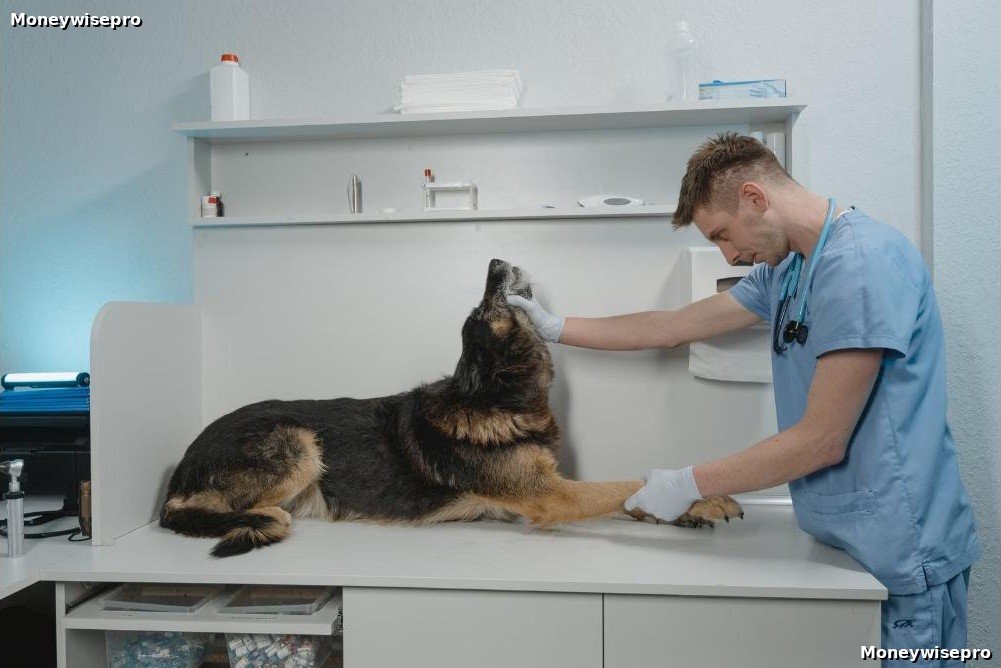
    A veterinarian examines a dog on an exam table during a routine wellness checkup visit

    The price gap between clinics tells the same story from a different angle. One Missouri pet owner was quoted 2,600 dollars for her dog’s bladder stone surgery. After calling around, she found the identical procedure for 710 dollars at a rural clinic two hours away. Overall veterinary costs rose about 7.5 percent between 2024 and 2025 alone, and prices are up roughly 60 percent over the past decade.

    Nobody plans for a $2,600 vet bill on a random Tuesday. Money set aside for something else just disappears in one phone call.

    Worth knowing: 53% of Americans Can’t Cover a $1,000 Emergency. I’m Building Mine From Zero. Here’s My Plan

    Vet bills do not wait for a convenient month, and neither do the insurance renewals that follow them.

    This helps: Your Emergency Fund Isn’t What It Used to Be. Here’s What Changed

    If a pet insurance premium goes up with no claims and the new bill is hard to absorb, there are real options before reaching for a credit card or a payment app.

    A pet owner budgets at home with a laptop while their dog rests calmly nearby

    See also: I Almost Fell Into the Buy Now, Pay Later Trap. Here’s What Stopped Me

    Start by calling the provider and asking directly what changed. Some insurers will adjust the deductible or reimbursement percentage to bring the monthly cost back down, even if the base rate has increased. Second, get quotes from two or three vets before agreeing to any procedure over 500 dollars, since prices for the same surgery can vary by thousands of dollars depending on the clinic. Third, compare the current insurance premium against a basic wellness plan plus a self-funded emergency account, since for some pets and some budgets, insurance no longer makes financial sense once the premium climbs this high. Fourth, if a renewal jump feels disconnected from a pet’s actual health, ask the insurer directly whether the increase is tied to zip code, breed, or a region-wide rate filing, since many of these adjustments are approved state by state and have nothing to do with an individual claims history.

    None of this means pet insurance is a bad idea for every owner. For a young, healthy pet with years of coverage ahead, the math can still work out. The real problem is that most owners never see the renewal increase coming, and the letter explaining it rarely gives more than a vague line about rates changing in the area. A policy that made sense three years ago is worth checking again this year, line by line, before the next renewal notice quietly shows up in the inbox.

    Have you checked your own pet insurance renewal against what you were quoted last year, or does the new number only show up once you are already locked into the payment?

    Disclaimer: MoneyWisePro is not a licensed insurance agent or veterinarian. This article is for general information only and is not professional advice. Contact your own insurance provider or veterinarian for guidance about your specific pet and policy.

  • Security Deposit Alternatives Sound Free. They’re Not, and Here’s the Real Math

    Security Deposit Alternatives Sound Free. They’re Not, and Here’s the Real Math

    You are signing a lease and the total due at move-in feels impossible. Then the leasing office offers a way out. Skip the full security deposit. Pay a small monthly fee instead. It sounds like the apartment just solved your cash problem for free. It did not. What you just agreed to is called a security deposit alternative, and it works nothing like the deposit it replaced.

    A real security deposit is refundable. You get it back, in full or in part, when you move out and the unit is undamaged beyond normal wear. A security deposit alternative is usually a monthly fee or a one-time payment to a third-party insurance or surety company, and in almost every version of this product, none of that money ever comes back to you, no matter how clean you leave the apartment.

    A renter carefully reads through a lease agreement while checking numbers on a calculator

    Here is what these products actually cost, based on real published pricing. Rhino charges roughly 13 dollars a month on a 3,000 dollar rent, billed for as long as you live there. LeaseLock charges a flat 19 dollars a month regardless of rent amount, and some property managers pass this fee directly to the tenant. Jetty and SureDeposit work differently, charging a one-time payment equal to about 17.5 percent of what your full deposit would have been, so a 1,200 dollar deposit becomes roughly a 210 dollar upfront payment instead. Every one of these is a fee for a service, not a deposit held on your behalf, and that distinction is exactly what a security deposit alternative tries to blur in its own marketing.

    Run the math on a normal 12-month lease and the gap becomes obvious. A LeaseLock fee at 19 dollars a month adds up to 228 dollars over a year, and every dollar of it is gone the moment you pay it. A traditional 1,500 dollar refundable deposit costs more upfront, but a renter who leaves the unit in decent shape typically gets most or all of it back. The security deposit alternative can end up costing you money for a service you may never even need, while the traditional deposit is money you were always going to get back anyway if you took care of the place.

    Cardboard moving boxes sit stacked in an empty sunlit apartment during a move out

    States are starting to notice the confusion this causes. Florida passed a law in 2023, tracked as CS/HB 133, that lets landlords offer a nonrefundable fee in place of a deposit, but only if the lease clearly states in writing that the fee is not a security deposit and does not remove the tenant’s responsibility for damage beyond normal wear. Virginia went further in 2025 with House Bill 2430, which requires landlords to itemize the security deposit, the rent, and any additional one-time charges, including a deposit-alternative fee, on the first page of the lease itself, for any lease signed, extended, or renewed after July 1, 2025. Neither law bans these products. Both exist because lawmakers recognized that renters were signing up for something they did not fully understand.

    OptionType of ChargeTypical CostRefundable?
    RhinoOngoing monthly feeAbout $13/month on a $3,000 rentNo
    LeaseLockFlat monthly fee$19/month, any rent amountNo
    Jetty / SureDepositOne-time surety bondAbout 17.5% of your full depositNo
    Traditional depositRefundable depositOften one month’s rent, paid upfrontYes, minus damage beyond normal wear

    Housing researchers have raised the same concern for years. A tenant-rights analysis from Shelterforce described how these products get marketed under names like renters choice in a way that makes them sound like a benefit rather than a recurring fee with no refund at the end. That framing matters because a security deposit alternative is genuinely useful for someone who cannot afford thousands of dollars upfront, and genuinely expensive for someone who could have paid the real deposit and gotten it back later.

    Many Americans sign these agreements during a stressful, fast-moving move-in process, without ever comparing the total fee to what a refundable deposit would have actually cost them over the same lease term. That single comparison, done before signing anything, is the only real way to know whether a security deposit alternative is saving you money or quietly taking more of it.

    A leasing agent hands over a set of apartment keys to a smiling new tenant

    Worth knowing:
    Your Car Insurance Renewal Just Went Up. Here’s Why, Even With a Clean Record

    Before you sign anything, ask the leasing office two direct questions. First, is this fee refundable in any amount when I move out. Second, does choosing this option remove or reduce my responsibility for damage beyond normal wear. If the answer to both is no, you are looking at an insurance product being sold to you at move-in, not a deposit being held for you.

    Think about:
    Canceling Your Gym Membership Shouldn’t Be This Hard, and a Court Just Made It Worse

    None of this makes security deposit alternatives a scam. For a renter with no savings cushion, paying 19 dollars a month instead of 1,500 dollars upfront can be the difference between moving into a safe apartment and not moving at all. The real problem is that most renters are never shown the side-by-side math before they sign, and the lease paperwork is written to make a nonrefundable fee sound as harmless as a normal deposit. A five-minute calculation before signing is the only real safeguard here, and it costs nothing to do.

    Learn this:
    Why Do So Many Stores Charge You to Return Something Now?

    A security deposit alternative can be the right call for the right renter. It stops being the right call the moment nobody does the math on what it actually costs over the life of the lease, compared to what a real deposit would have cost and eventually given back.

    Have you ever been offered a no deposit option on an apartment, and did you actually compare what it would cost you over time?

    Disclaimer: MoneyWisePro is not a lawyer. This article is for general information only and is not legal advice. Contact your own state’s housing agency, a local tenant rights organization, or a landlord-tenant attorney for guidance on your specific lease and state.

  • Check Your Grocery Receipt Before You Leave the Store. The Checkout Price Doesn’t Always Match the Shelf.

    Check Your Grocery Receipt Before You Leave the Store. The Checkout Price Doesn’t Always Match the Shelf.

    You pull the item off the shelf at the price you saw. You get to the register, pay, and walk out. Most people never look at the receipt again. That is exactly the habit stores are counting on, because in a real, recent case, the price at checkout did not match the shelf price at all.

    On August 8, 2026, Tractor Supply agreed to pay $5.1 million to settle a California case alleging its checkout price was higher than the lowest price it had advertised or displayed in stores. The investigation traced back to Sonoma County Weights and Measures inspectors, the same office that caught Walmart doing something almost identical a year earlier, in a case that closed on August 8, 2025 for $5.6 million.

    A woman compares her grocery receipt against a shelf price tag near the checkout

    These are not two unlucky retailers caught in a fluke. Sonoma County’s own inspectors checked hundreds of stores between March 2022 and April 2023 and found that nearly 36 percent failed a price accuracy inspection, meaning more than one in three stores had a checkout price higher than what was posted on the shelf. That number was already a 10 percent jump from the year before. Nobody has published a fresher county-wide figure since, but two major retailers getting caught by the same office in back-to-back years suggests the problem never really went away, it just moved to whichever chain skipped its own price audits that quarter.

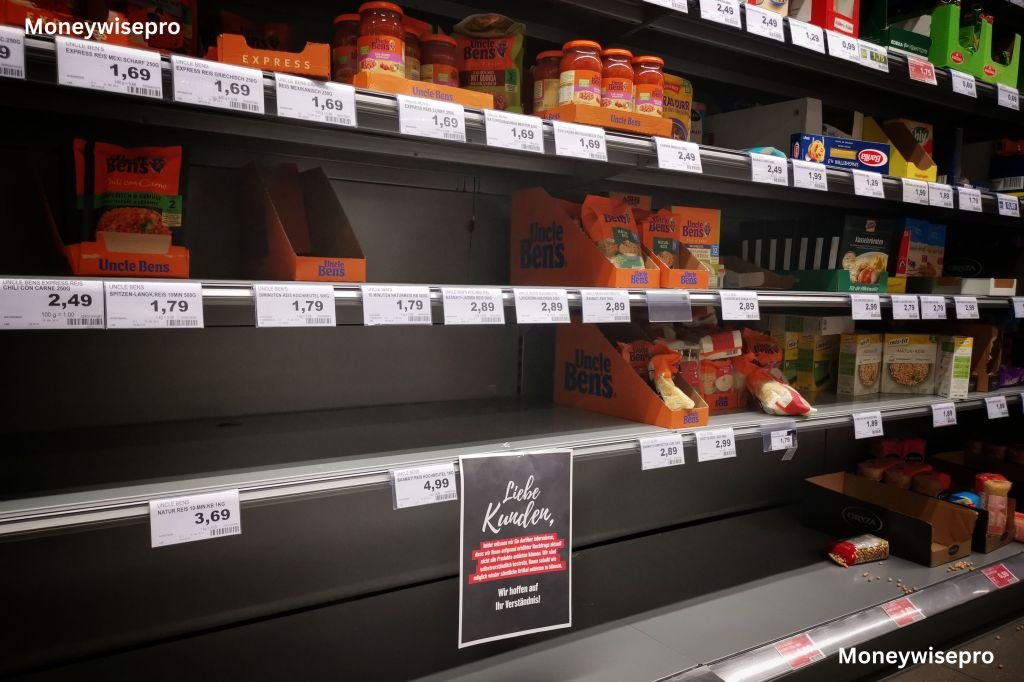
    Part of the reason this keeps happening is mundane. Shelf tags get changed for a sale, and the store’s checkout system does not get updated at the same moment, or a clearance sticker never makes it into the register software. Nobody has to intend to overcharge you for it to happen anyway, and that is exactly why checking your own receipt matters more than trusting the shelf.

    A close-up of a printed price tag clipped to a grocery store shelf next to stacked canned goods

    The good news is that the law is actually on your side here, even if most people never use it. Under the model rules most states follow, a store cannot legally charge you more at checkout than the price it advertised or posted, and California’s own law is what made both the Walmart and Tractor Supply cases possible in the first place. What you are entitled to if you notice the checkout price is higher than the shelf price does vary a lot depending on where you live, and it is worth knowing the difference before you assume every state works the same way.

    StateWhat the Law Actually Gives YouIf the Store Says No
    CaliforniaThe right to be charged the lowest advertised or posted price. Stores face real fines if inspectors find a pattern.Report it to your county Weights and Measures office
    New YorkFines against the store of up to $300 per mispriced item on a first inspection, $600 on a repeatReport it to your county’s consumer affairs office
    MichiganA refund of the difference plus a bonus of 10 times that amount, minimum $1, capped at $5, within 2 days of you reporting itSue for $250 or your actual damages, plus up to $300 in attorney fees
    Most other statesFollow a shared national model rule that checkout price cannot exceed the posted price, but the consumer remedy and how strictly it is enforced both vary a lotContact your own state’s weights and measures office directly

    Read this:
    Why Do So Many Stores Charge You to Return Something Now?

    One popular belief is worth correcting honestly. A lot of people think that if a store overcharges you, the law guarantees you get the item free. That is not actually a nationwide legal right. Los Angeles County’s own consumer affairs office states plainly that giving you the item free or a discount is something some stores choose to do voluntarily when their checkout price is higher than the shelf price, not something the law requires everywhere. Michigan is the real exception, where state law does guarantee a cash bonus on top of the refund, not just the item itself. Knowing the real rule in your own state beats repeating something you heard once and assumed was universal.

    A person in glasses reviews a long grocery receipt at a home table with a laptop beside it

    What actually works, regardless of which state you live in, is boring but effective. Watch the register display as each item scans instead of only checking the final total. Keep the receipt until you have compared it to what you remember paying attention to on the shelf. If something looks off, say so at the register before you leave, since most stores fix it on the spot without any fight at all. If a cashier brushes you off, that is when knowing your specific state’s actual rule, not the myth, becomes useful.

    Many Americans assume a barcode scanner is more accurate than a human, and mostly it is, right up until the system behind it has not caught up with the sale sign taped to the shelf. That gap between what changed on paper and what changed in the register is exactly where two major retailers just got caught, and where regular shoppers lose small amounts of money every week without ever noticing.

    This helps:
    Grocery Store Prices Can Now Change While You’re Still Shopping

    None of this means every grocery trip needs a full audit. Most scans are correct, and most stores are not trying to trick anyone. But a receipt takes ten seconds to glance over, and that ten seconds is the entire difference between eating a checkout price that’s higher than the shelf price forever and actually getting your own money back.

    See also:
    82% of Americans Changed How They Shop for Groceries Last Year

    The checkout price not matching the shelf price is not rare, and it is not always the cashier’s fault either. What separates people who quietly lose a few dollars a week from people who actually get their money back is whether they look at the receipt at all.

    Have you ever caught a grocery store charging you more at the register than the shelf tag said?

    Disclaimer: MoneyWisePro is not a lawyer. This article is for general information only and is not legal advice. Contact your own state’s weights and measures office or a consumer protection attorney for guidance on your specific situation.

  • Does Buy Now Pay Later on DoorDash Affect Your Credit Score?

    Does Buy Now Pay Later on DoorDash Affect Your Credit Score?

    Ordering dinner used to mean one decision: pay now or don’t order. Now DoorDash and Instacart let you split that same order into four payments through Klarna, and a lot of people are asking does buy now pay later on DoorDash affect your credit score before they tap confirm. The honest answer is more complicated than most articles admit.

    Food delivery already made overspending easy. Add a $6 delivery fee, a $4 service fee, and a tip on top of the actual meal, and the real cost of ordering in creeps up fast. Buy now pay later for food didn’t invent that problem. It just removed the last thing stopping people from ordering anyway: not having the full amount available right now.

    That’s the real risk here. When the app lets you pay for a $40 dinner in four $10 chunks, the dinner is gone long before the debt is. You’re not financing a couch or a laptop you’ll still own in six months. You’re financing something you already ate.

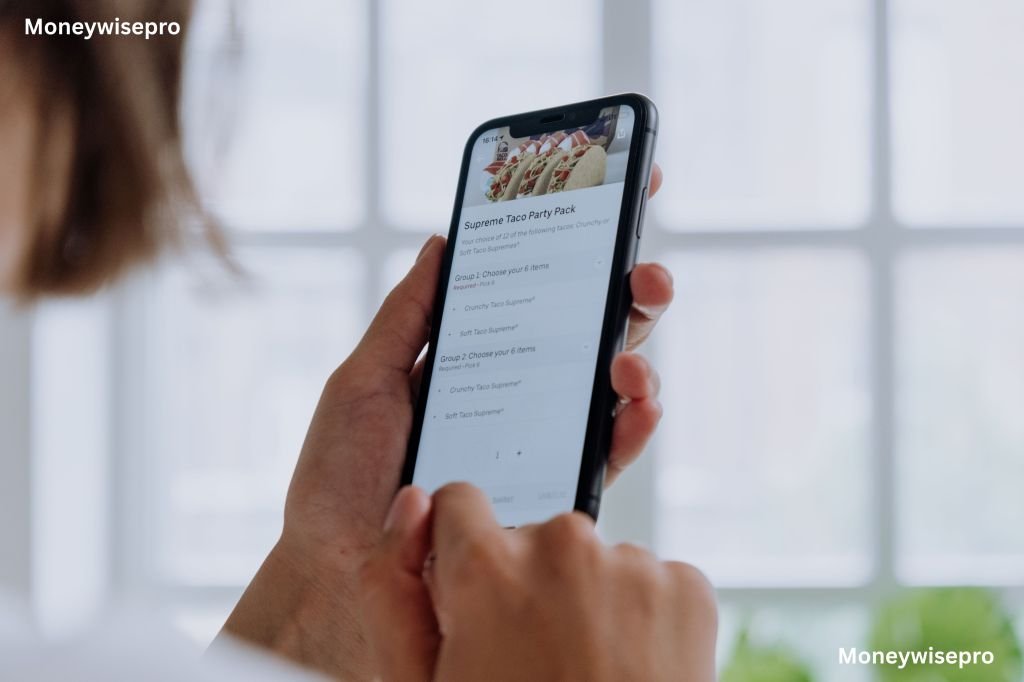
    A person checking a food delivery app and payment options on a smartphone at home

    Here’s where the credit score part actually gets real. For years, most BNPL providers didn’t report short-term “Pay in 4” plans to the major credit bureaus at all, which is part of why the apps felt consequence-free. That’s starting to change, though not the way most people assume. According to Credit Karma’s explanation of BNPL credit reporting, Affirm began reporting new installment loans to Experian in April 2025 and TransUnion in May 2025. Equifax has not joined that rollout yet, and in May 2026, US senators sent Equifax a formal letter asking exactly how it plans to handle BNPL data going forward. So does buy now pay later on DoorDash affect your credit score? Increasingly, for some bureaus, yes, especially if a payment is missed or a plan goes to collections.

    The bigger issue isn’t one missed $10 payment. It’s what happens when someone is running four or five of these plans at once across different apps, which is now common. Each individual plan looks small. Add them together with rent, a phone bill, and a car payment, and the math stops working quietly, without anyone noticing until a payment bounces.

    The fix for that blind spot does not have to be complicated. The BNPL Stack Tracker is a $9 fillable PDF built for exactly this kind of stacking, one page for every open plan, so a food delivery split shows up next to the furniture payment and the phone installment instead of hiding inside five different apps.

    A person reviewing bills and grocery receipts at a kitchen table looking concerned

    This isn’t happening in isolation. According to LendingTree’s 2026 BNPL Tracker, 47% of BNPL users say they’ve paid late on a loan in the past year, up from 41% in 2025 and 34% the year before that. The same report found grocery use is climbing fast too: a separate February 2026 LendingTree survey found 25% of BNPL users are now buying groceries with it, nearly double the 14% rate from a year earlier.

    That grocery shift matters more than it might seem. Groceries and food delivery are recurring, necessary expenses. Financing recurring necessary expenses on a payment plan is a pattern that’s much harder to walk back than financing a one-time purchase like a couch or a laptop.

    Worth knowing: this isn’t the only recent shift affecting how Americans handle everyday spending.
    Why Most Americans Fail at Saving. And the One Habit That Changes Everything.

    DoorDash’s partnership with Klarna, first rolled out for delivery orders and expanded from there, made this mainstream fast. What used to be a niche option for electronics or furniture is now sitting right next to the “place order” button for a burrito. The convenience is real. So is the fact that this normalizes debt for something you’d otherwise just decide you can’t afford tonight.

    To be fair, not every use of BNPL on food delivery is reckless. Someone splitting a one-time large catering order for a family event into two payments, paid on schedule, isn’t creating a problem. The plans are also genuinely interest-free if paid on time, unlike a credit card carrying a balance. The danger isn’t the tool itself. It’s using it as a workaround for a budget that’s already too tight, on purchases that repeat every single week.

    This is why keeping every open plan visible matters more than any single payment.
    Personal Loans: The New Debt Trap Americans Are Walking Into

    If you’re wondering does buy now pay later on DoorDash affect your credit score for your own situation, the practical test is simple: could you have paid for this order today, in full, without the split? If yes, the four-payment option is just a convenience. If no, that’s the actual signal worth paying attention to, not the payment plan itself.

    There’s a simple way to catch this before it becomes a real problem. Before opening a new plan on a food order, check how many BNPL plans are already active across every app, not just the one in front of you. Most people underestimate this number because each app only shows its own plans, never the full picture across Klarna, Afterpay, and Affirm combined.

    Grocery bags and food delivery packaging sitting on a kitchen counter after arrival

    If BNPL is already part of how you manage food or grocery spending, seeing every open plan in one place beats trusting memory across three or four different apps. The free BNPL Payment Tracker lays that out on one simple page, no cost, instant download.

    Metric20252026
    Paid late on a BNPL loan in past year41%47%
    BNPL used for groceries14%25%
    Reports to Experian / TransUnionRolling outActive (Affirm)
    Reports to EquifaxNoNot yet, under review

    None of this means BNPL should be avoided entirely, or that everyone using it is in trouble. It means the four-easy-payments pitch was built for furniture and electronics, not for a meal you’ll finish in twenty minutes. That gap between the pitch and the product is exactly where people get into trouble without meaning to.

    Nobody splits a $40 dinner into four payments because they planned to. It usually starts as a one-time convenience and quietly becomes a habit before anyone notices the pattern.

    So the next time an app offers to split your dinner into four payments, what’s the real question you should be asking yourself before you tap yes?

    Disclaimer: This article is for general informational purposes only and does not constitute financial advice. BNPL terms, fees, and credit reporting practices vary by provider. Consult a licensed financial advisor for guidance specific to your situation.

  • Can You Actually Save Money in 2026? (What the Data Shows)

    Can You Actually Save Money in 2026? (What the Data Shows)

    Everyone tells you to save money. Financial advisors, blogs, your parents — they all say the same thing: put away 20% of your paycheck, build an emergency fund, invest for retirement.

    But here’s the question nobody answers: Can you actually do it?

    Not in theory. Not with perfect budgeting. But in reality, in 2026, with rent that’s doubled, grocery prices that keep rising, and wages that haven’t kept pace. Can you actually save?

    I used to think the answer was a simple yes. Save more, spend less, done. Then I looked at the actual numbers.

    The honest answer is more complicated.

    What Americans Actually Save (Spoiler: Not Much)

    The median American household has less than $1,000 in savings. That statistic has stuck with me for months because it means half of America has basically nothing between them and disaster. One medical bill, one car repair, one job loss, and they’re in debt.

    But here’s what’s worse: Americans are saving LESS now than they were five years ago. Not because they’re irresponsible. Because housing costs alone have consumed 33% of median household income, up from 28% in 2020.

    That’s 5% more of every paycheck going to rent or a mortgage before you buy food, pay utilities, or think about saving.

    Person reviewing financial documents and planning monthly budget with calculator
    Income Impact2020 Percentage2026 PercentageChange
    Housing costs28%33%+5%
    Food costs9%12%+3%
    Transportation15%18%+3%
    Available income48%37%-11%

    The math is brutal. People aren’t saving less because they’re lazy. They’re saving less because there’s literally less money left after paying for the basics.

    The Inflation Trap Nobody Talks About

    Inflation hit differently in 2026 than most recessions. Historically, wages recover after inflation. They eventually catch up. This time, wages grew 4.2% while inflation averaged 7.8% throughout 2024-2026.

    Translation: Your real income went down. Even if your paycheck went up, you could buy less with it.

    I watched this happen to someone I know. She got a 3% raise. Felt great for about one day until she realized groceries cost 15% more and gas cost 20% more. The raise didn’t move the needle.

    This is why so many Americans report feeling behind financially even though they make more money than they did five years ago. They’re not behind. They’re actually running backwards. The goalpost moved.

    So Can You Actually Save?

    Yes. But not how the financial advice industry tells you to.

    The traditional model says: Make income, subtract expenses, save the difference.

    In 2026, that model produces zero difference for millions of people. The expense side has grown while the income side hasn’t. There’s nothing left to save.

    But there IS a model that works, and it requires brutal honesty about what you can and can’t control.

    You can’t control housing markets. You can’t control inflation. You can’t control your employer’s wage freeze. These are outside your control.

    What you CAN control is where your remaining dollars go. And that’s where saving becomes possible — not through some revolutionary budgeting hack, but through deliberate choice.

    The people I know who actually save money in 2026 are doing something specific: They’re saving FIRST, not last. They move money into savings before they can spend it. Even small amounts work.

    If you commit to saving every week, that’s $1,040 per year. That’s an emergency fund that didn’t exist before. Not huge, but real. That money comes from one coffee you didn’t buy, or one delivery meal you skipped, or walking instead of taking transit.

    The difference between saving money and saving nothing isn’t motivation. It’s automation.

    Coins stacked in increasing height symbolizing financial growth and savings accumulation

    Why 2026 Makes Saving Harder (But Not Impossible)

    Three factors are crushing savings in 2026:

    Student loan payments restarted. The payment pause ended in September 2023. For borrowers with federal loans, payments resumed. Average payment is $200-300 per month. That’s money that used to go into savings now going to debt service.

    Credit card debt is at an all-time high. Americans owe $1.12 trillion in credit card debt as of August 2026. The average household carries $6,715. This means even people trying to save are bleeding money on interest payments. You can’t save your way out if you’re paying $100 per month in interest.

    Healthcare costs are unpredictable. A single hospital visit can cost thousands. Even with insurance, copays and deductibles have tripled since 2020. People aren’t avoiding savings because they’re irresponsible. They’re avoiding it because they know one sick kid could wipe them out, so why bother?

    These aren’t personal failures. These are structural problems that make saving harder than it used to be.

    But Here’s What Actually Works

    I’m telling you this isn’t to be depressing. It’s to be realistic.

    Saving in 2026 works when you:

    Accept that your target will be smaller than the advice industry says. They want you to save 20%. If you can save 3%, do it. You’re already beating half of America.

    Save BEFORE you spend. Don’t budget money for savings at the end of the month (it won’t be there). Set up automatic transfers the day you get paid. You’ll adjust your spending to fit what’s left.

    Save something irregular. Tax refunds, bonuses, cash gifts — throw these at savings before you deserve to spend them. This is how you build a real buffer without huge monthly sacrifices.

    Track where your money actually goes. Not to shame yourself, but to find the ONE area where money disappears without you noticing. For most people it’s subscriptions, delivery apps, or impulse purchases. Cut one. Save the difference.

    The people saving effectively right now aren’t following a plan. They’re watching their actual money flow and making one small change at a time.

    Worth knowing: Why Most Americans Fail at Saving

    The Truth About Saving in 2026

    Can you save money? Yes.

    Can you save money the way financial advisors suggest? For most people, no. Not right now.

    The gap between the advice and reality is where frustration comes from. You follow the plan, do everything right, and still end up with nothing saved by December. Then you feel broken.

    You’re not broken. The model is just wrong for this economy.

    Same principle applies: Your Paycheck Isn’t Keeping Up With Inflation

    Real saving in 2026 looks like this: $15 here, $30 there, sometimes $100 when something unexpected happens and you don’t spend it. By the end of the year, you have $2,000. That’s a buffer. That’s power.

    It’s not the $15,000 the advice industry promised. But it’s real, and it’s yours, and it changes things when an emergency happens.

     Hands holding an empty wallet showing financial strain and budgeting challenges

    The question isn’t how to save money every month like the advice says. The real question is how to save what’s actually possible right now.

    This is why: Why Young Americans Are Leaving Their Cities

    Start with what works, not what looks good on a spreadsheet. What’s your first step to save something this week?

    Disclaimer: This article is for educational purposes only and should not be considered as financial or investment advice. Personal savings strategies, budgeting approaches, and financial planning vary by individual circumstances, income level, expenses, and financial goals. Consult with a qualified financial advisor or professional before making significant financial decisions or developing a comprehensive savings plan.

  • How to Spot Greenwashing Before It Costs You Money

    How to Spot Greenwashing Before It Costs You Money


    How to Spot Greenwashing Before It Costs You Money

    68% of corporate environmental claims online are likely misleading or false, according to a Stanford study analyzing over 7,000 companies. That’s not an estimate. That’s what researchers found when they actually checked. Most companies aren’t trying to lie. They’re just being vague enough that nobody can call them out.

    That’s greenwashing. And it’s costing Americans real money.

    Most people see the word “green” or “eco-friendly” and just assume someone checked it. Assume there’s a standard. Assume it means something real.

    It doesn’t. Not really.

    Person carefully reading investment documents and financial paperwork
    Green Investing RealityPercentageSourceYearSample Size
    Corporate Claims Misleading68%Stanford Study20267,000+ companies
    Gen Z Distrust ESG Claims88%Survey data2026Consumer trust
    Greenwashing Litigation Cases150+Class actions2025-2026U.S. tracking
    Vanguard ESG Fine$12.9MSEC2025Regulatory penalty
    DWS Settlement$1BSettlement2024False claims

    Green Investing Reality Percentage Source Year Sample Size
    Corporate Environmental Claims Misleading 68% Stanford Study 2026 7,000+ companies
    Gen Z Distrust ESG Claims 88% Survey data 2026 Consumer trust
    Greenwashing Litigation Cases 150+ Class actions 2025-2026 U.S. tracking
    Vanguard ESG Fund Overstatement $12.9M Fine 2025 Regulatory penalty
    DWS Sustainability Funds $1B Settlement 2024 False claims
    Companies Admit to Greenwashing 42% Survey 2026 Self-reported

    Here’s the problem: money. Billions of dollars flowing toward ESG funds. And when money starts flowing, fraud follows.

    Vanguard paid $12.9 million in penalties for overstating the environmental impact of its ESG funds according to SEC enforcement actions. Deutsche Bank’s asset management division (DWS) settled for $1 billion over misleading sustainability claims in 2024. These aren’t small operations with sketchy practices. These are massive institutions with full legal teams. If they’re doing it, imagine what the smaller companies are doing.

    Greenwashing sounds good because it’s not like other fraud. The company isn’t promising you “500% returns.” They’re saying they help the planet. How do you argue with that? How do you prove it’s not true?

    That’s where they get you.

    Worth knowing: Your Income Doesn’t Affect Your Credit Score

    Most people who buy ESG funds feel good about it. They’re saying “I’m helping the environment while building wealth.” Except the environment part might not be happening. The fund might have one real sustainable company and 99 others just wearing the green label. They don’t realize until they’ve lost money that nobody was actually verifying anything.

    The warning signs are there. Most people just don’t see them.

    ClaimReal GreenGreenwashing
    “We’re sustainable”Specific criteria, third-party certifiedVague language, no verification
    “Green investing”Detailed holdings list, clear impactMostly normal stocks + green marketing
    “Net zero by 2050”Detailed plan with milestonesAnnouncement with no roadmap
    “Eco-friendly products”Certified by independent bodyCompany-made claim only
    Green leaf next to financial documents symbolizing green investment claims

    How to Spot Greenwashing:

    1. Read the fine print. Real green funds tell you exactly what they’re investing in and why. If the prospectus is vague or doesn’t explain the selection, it’s marketing. That’s it.
    2. Look for outside verification. If an investment claims to be green, it should be certified by someone independent like MSCI and similar providers. If there’s no independent rating, be suspicious.
    3. Count what’s actually in the fund. A lot of ESG funds claim to be “sustainable” but hold 90% regular stocks with a few token green companies thrown in. Real sustainability means most of the holdings actually meet environmental standards.
    4. Check what the company actually does. An oil company talking about “renewable energy” while pumping oil is greenwashing. A tech company claiming “carbon neutrality” while flying executives around on private jets is greenwashing. Watch what they do, not what they say.
    5. Look at enforcement actions. If a company or fund got fined or settled with regulators over environmental claims, that’s a signal. Not a dealbreaker, but a warning to look closer.

    Real vs Fake Green Investing:

    Claim Real Green Greenwashing
    “We’re sustainable” Specific criteria, third-party certified Vague language, no verification
    “Green investing” Detailed holdings list, clear impact Mostly normal stocks + green marketing
    “Net zero by 2050” Detailed plan with milestones Announcement with no roadmap
    “Eco-friendly products” Certified by independent body Company-made claim only

    Most of the greenwashing I see isn’t intentional fraud. It’s just lazy. A company does one genuinely green thing and markets it like they’ve transformed everything. A fund manager puts 5 sustainable companies in and calls the whole thing “green.” They’re not criminals. They’re just optimizing what sounds good.

    But that doesn’t matter to you. You think you’re investing in something that creates impact. You’re probably just holding expensive marketing.

    When I first saw that statistic about 68% of claims being misleading, I didn’t believe it. Then I realized I’d been fooled by greenwashing myself. I bought a fund marketed as sustainable and never looked at what was actually in it. That’s how they want you to operate.

    So what does real green investing actually look like?

    Find funds that publish their holdings. Morningstar, Fidelity, and Vanguard list every single holding. Read them. See what’s actually there.

    Check the fund’s environmental score from independent raters. Compare the ratings across different funds. Pick the ones with actual verification.

    Person researching on laptop analyzing investment information and data

    Ask your advisor real questions. Not “Is this green?” but “What percentage meets your environmental criteria?” and “How do you verify that?” If they can’t answer with specifics, they’re selling marketing.

    Look at companies directly instead of ESG funds. Tesla, Sunrun, NextEra Energy — companies whose entire business is clean energy. No ambiguity. No greenwashing. Just what they actually do.

    Here’s what actually matters: investing in green is a good instinct. But greenwashing is everywhere. You need to verify before you trust. Right now the work falls on you.

    I lost money on a fund that looked green but was mostly regular stocks with one Tesla holding. Now I verify everything. It’s boring but it’s cheaper than learning through losses.

    Same principle applies: Average American Owes $6,715 in Credit Card Debt

    Most investors think one green fund solves the problem. It doesn’t. You have to actually check. Understanding what you’re buying matters more than feeling good about it.

    Don’t trust the green label. Ask for proof. Read the holdings. Check the ratings. Verify the claims. It takes 20 minutes. Could save you thousands.

    This is why: Why Young Americans Are Leaving Their Cities

    So here’s my question for you: which one of your current investments have you actually verified by reading the full holdings list?

    Disclaimer: This article is for educational purposes only and should not be considered as financial or investment advice. ESG investing, greenwashing, and fund selection vary by individual circumstances, risk tolerance, and financial goals. Consult with a qualified financial advisor or investment professional before making investment decisions or selecting ESG or sustainability-focused funds.

  • Your Paycheck Isn’t Keeping Up With Inflation (And That’s Not Your Fault)

    Your Paycheck Isn’t Keeping Up With Inflation (And That’s Not Your Fault)

    I got a 3% raise last year. I felt good about it. Worked hard. Earned it.

    Then reality hit. That raise felt like nothing by the time I paid for groceries, gas, and rent. I didn’t feel like I earned something. I felt like I was running faster just to stay in the same place.

    Then I went to the grocery store and realized my raise had been erased by the time I bought groceries.

    The math is brutal: I made 3% more money. But inflation was 3.8%. My purchasing power actually went backwards.

    Economic MetricRate/PercentageDateContext
    Inflation Rate3.8%April 2026YoY increase
    Wage Growth Rate3.6%April 2026YoY increase
    Wage-Inflation Gap-0.2%April 2026Wages losing race

    Price Increases by Category:

    CategoryIncrease RateImpact
    Gasoline28.4%Transportation costs
    Food Prices3.2%Annually
    Shelter Costs3.3%Rent, housing

    Paycheck-to-Paycheck Trend:

    YearPercentageChange
    202142%Baseline
    202654%Current
    Increase+12%5-year deterioration

    Financial Challenges:

    ConcernPercentageRanking
    Unexpected Expenses38%#1 concern
    Inflation Impact on Daily Costs37%#2 concern
    Food Provision Challenge (2026)36%Current
    Food Provision Challenge (2021)30%2021
    Growth+6%5-year trend

    Example: $50,000 Salary After 3% Raise:

    ItemAmountNotes
    Original Salary$50,000Baseline
    Raise Percentage3%Earned
    New Salary$51,500Total
    Extra Income$1,500/yearRaise benefit
    Inflation Rate3.8%Cost increase
    Real Gain-0.8%Purchasing power lost

    This isn’t just me. In April 2026, inflation rose 3.8% from the previous year, while wage growth only rose 3.6%. For the first time in months, wages are losing the race against prices.

    I used to think people falling behind were just bad at managing money. Now I see the truth. The system itself is broken. Your paycheck can’t win this race because it was never designed to.

    And most people don’t realize this is happening to them. They think they’re falling behind because they’re bad with money. They’re not. They’re falling behind because their paychecks literally can’t keep up.

    The Math That Breaks Your Budget

    Let’s say you made $50,000 last year.

    You got a 3% raise. Now you make $51,500.

    Congratulations. You earned an extra $1,500 for the year.

    Now let’s talk inflation. Gasoline is up 28.4% over the year. Food prices rose 3.2% annually, and shelter costs were up 3.3%.

    Your rent increased 3.3%. Your groceries increased 3.2%. Your gas tank costs 28.4% more to fill.

    By the time you’ve paid these three bills, your 3% raise has vanished.

    This is what’s happening to Americans right now. They’re getting raises. But their cost of living is growing faster than their income. The gap widens every month.

    This is why: 45% of Americans Have a Side Hustle Now

    Person stressed, looking at bills with concerned expression

    Why This Is Different Than Before

    In the past, wage growth usually beat inflation. Workers got raises. Their paychecks grew faster than prices. Life got slightly more comfortable every year.

    That hasn’t been true since 2026. 54% of Americans now live paycheck to paycheck, up from 42% in 2021.

    The paycheck-to-paycheck rate increased because wages stopped winning the race.

    Here’s what makes this different: it’s not your fault. You didn’t suddenly become bad with money. Your employer didn’t stop valuing you. The economy shifted in a way that makes it mathematically harder for working people to get ahead.

    The Counter-Argument: “Just Ask for a Bigger Raise”

    This sounds logical. If inflation is 3.8% and your raise is 3%, ask for 5% instead.

    The problem? Most companies have budgets. They allocate raises based on the economy they see, not the economy workers feel.

    When inflation was announced at 3.8%, companies didn’t say “raise our budgets by 4%.” They stuck with their 3% pool because that’s what the previous year looked like.

    Meanwhile, workers are living in the current year. Where food costs 3.2% more. Where rent is 3.3% more expensive.

    The disconnect between corporate budgets and worker reality is growing.

    Professional conversation between employee and manager discussing compensation

    What You Can Actually Do

    If your raise can’t beat inflation, what’s the solution?

    First: acknowledge this is happening. Your budget feels tighter not because you’re worse with money, but because your money is worth less.

    Second: stop waiting for raises to solve this. They won’t. Not in 2026.

    Third: attack your biggest expenses directly.

    Housing: Shelter costs were up 3.3%. If you’re renting, consider moving to a cheaper area or finding a roommate. This is the fastest inflation-fighter available.

    Food: 36% of Americans say providing food is a challenge, up from 30% in 2021. Stop shopping at premium stores. Buy bulk. Cook at home. Food prices rose 3.2%, but you can outpace that with strategy.

    Transportation: Gas is up 28.4%. Drive less. Use transit. Combine errands. Change your driving route. This single expense is destroying budgets faster than anything else.

    Finally: build an emergency fund NOW. Unexpected expenses rank as the top financial concern (38%), followed closely by the impact of inflation on day-to-day costs (37%). When inflation is climbing faster than your paycheck, emergencies become catastrophic.

    Person confidently managing finances and taking control of budget

    The Hard Truth About 2026

    Your paycheck isn’t keeping up with inflation. This is real. This is happening right now.

    Your employer gave you a 3% raise. The economy gave you a 3.8% cost increase. The math doesn’t work.

    You can’t solve this by working harder. You can’t solve this by budgeting better (though both help).

    You solve this by attacking the three expenses that matter: housing, food, and transportation.

    Cut one of these by 10%, and you’ve beaten inflation. You’ve actually gotten ahead.

    Read this too: 82% of Americans Changed How They Shop for Groceries

    The people winning in 2026 aren’t the ones with the highest raises. They’re the ones who cut their biggest expenses.

    So here’s my question: which of your three biggest expenses can you actually reduce this month?

    Start here: You Don’t Have to Cut Everything to Spend Less

    Disclaimer: This article is for educational purposes only and should not be considered as financial advice. Inflation rates, wage growth, and individual financial situations vary by region, industry, and personal circumstances. Consult with a qualified financial advisor before making major financial or employment decisions.

  • 45% of Americans Have a Side Hustle Now. Here’s Why (And Whether You Need One Too)

    45% of Americans Have a Side Hustle Now. Here’s Why (And Whether You Need One Too)

    I started my first side hustle because I had no choice. My primary income wasn’t enough. It’s not a glamorous story about entrepreneurial dreams or building wealth—it’s a story about survival.

    Every time someone calls it an ‘opportunity’ or a ‘hustle culture win, I want to scream. This isn’t opportunity. This is the sound of an economy breaking for half the population. We’re not choosing this. We’re surviving it.

    Turns out, I’m not alone. 45% of Americans now have a side hustle, up from just 34% in 2020. And the number keeps climbing. But here’s what caught my attention: most of us aren’t doing this because we want to. We’re doing it because we have to.

    I needed the money to cover living expenses. Full stop. No ambition to build an empire, no passion project waiting to launch. Just the math: rent is X, food is Y, and my paycheck doesn’t equal X + Y. So I started working nights and weekends to make up the difference.

    That’s the reality for 39% of Americans with side hustles now—up from 31% just two years ago. The side hustle isn’t supplementary income anymore. It’s necessary income. It’s survival.

    Side Hustle RealityPercentageTimeframeContext
    Americans with Side Hustle45%Current (2026)Growing trend
    Side Hustle Rate GrowthUp from 34%2020 to 2026+11% increase
    Treat as Necessary Income39%CurrentEssential, not supplementary
    Necessary Income Rate GrowthUp from 31%2 years ago+8% increase
    Rising Costs Increased Reliance75%CurrentInflation-driven
    Side Income >25% of Household25% (1 in 4)Of hustlersSignificant portion
    Under $50K primary job: Essential52%Lower income workersSurvival gig
    Treat as Job-Loss Insurance62%Of hustlersSafety net purpose
    Would Quit If They Could65%Of hustlersNot by choice

    Side Hustle Income Reality:

    Income MetricAmountContext
    Average Monthly Income$1,122Mean (inflated by outliers)
    Median Monthly Income$200Typical hustler reality
    Income Gap$922 differenceShows inequality in gig income

    What shocked me even more: 75% of Americans say rising costs have increased their reliance on earning extra income outside their regular job. Inflation isn’t just a number on a news report. It’s the reason people like me are exhausted, juggling two or three income streams just to pay rent.

    I’m not unique in this struggle either. One in four side hustlers says their secondary income accounts for more than 25% of their total household income. Among people earning under $50,000 a year from their primary job, 52% say their side hustle income is essential, not supplementary. That’s half of all lower-income workers holding their financial lives together with secondary gigs.

    Reality: Is Your Side Hustle Working, or Are You Just Tired?

    Person looking stressed and exhausted working multiple jobs simultaneously on laptop and phone late at night

    Here’s the part that hit different for me: 62% of people with side hustles treat it as job-loss insurance. We’re not doing this for fun. We’re doing this because the primary job can’t be trusted. One layoff, one medical emergency, one economic downturn, and we’re falling into debt. The side hustle is the safety net we can actually control.

    But the craziest stat I found? 65% of side hustlers would quit if they could. They would abandon the extra work tomorrow if their primary income was enough. That’s not ambition. That’s desperation dressed up as entrepreneurship.

    I remember thinking that too. I thought once my side income hit a certain number, I’d feel secure enough to stop. That’s not how it works. The more you earn, the more your costs creep up. Inflation hollows out the money faster than you can make it. So you keep hustling. You don’t stop because stopping means falling behind again.

    The average side hustle brings in $1,122 a month, but the median is just $200. That gap tells the real story. Most people aren’t making bank on their side gigs. They’re making just enough to stay afloat. I’m in that group. The work is steady but unglamorous—writing, freelancing, consulting—just enough to matter, never enough to feel secure.

    Compare: I Cut My Coffee, Dessert, and DoorDash

    Person looking worried and concerned while checking bank account balance on phone while working

    What I realized quickly: side hustles have a cost beyond time. There’s the mental load of juggling two jobs. There’s burnout. There’s the guilt of missing time with family because you’re working. There’s the anxiety that if this gig dries up, you’ve got nothing. I watch people wake up at 6am, work until 10pm, and still feel behind. We’re not building wealth. We’re running on a treadmill that keeps speeding up.

    That person is me some weeks. And I’m one of the lucky ones with internet access and a skill that sells. I can’t imagine what it’s like for people without those things, watching their paycheck get smaller every month while everything costs more.

    The jobs themselves are changing too. Online sales, freelance writing, content creation—these are the new side hustles. They’re digital, flexible, and completely unstable. One algorithm change and your income evaporates. I learned that the hard way when a platform changed its payment structure overnight.

    But here’s what keeps people like me going: I treat this side hustle as job-loss insurance. If my primary income disappears tomorrow, I have something. Not much, but something. That matters when you’re one emergency away from catastrophe. I know people who wouldn’t even qualify for a $1,000 emergency loan. The side hustle is their only buffer.

    Person sitting calmly at desk planning and strategizing their side hustle income with notebook and pen

    The question I ask myself now isn’t “should I have a side hustle?” It’s “which side hustle makes sense for my situation?” Because for people like me, it’s not optional. It’s economics. My paycheck plus my side income equals survival. My paycheck alone equals falling behind.

    If you’re already juggling a primary job and still can’t cover your bills, you probably need a side hustle too. Not because it’s trendy. Not because you want to build a personal brand. But because inflation is real, wages are stagnant, and your primary job isn’t designed to be enough anymore.

    The honest truth: 45% of Americans aren’t side hustling because they’re ambitious. They’re side hustling because the math doesn’t add up otherwise. I’m one of them. And if you’re reading this, you probably are too.

    The root cause: Your Paycheck Isn’t Keeping Up With Inflation

    Disclaimer: This article is for educational purposes only and should not be considered as financial, legal, or tax advice. Side hustle income, tax obligations (including 1099 reporting and quarterly estimated taxes), and financial impacts vary by individual and by gig type. Consult with a qualified financial advisor or tax professional before starting a side hustle or for guidance on tax obligations.