You pull the item off the shelf at the price you saw. You get to the register, pay, and walk out. Most people never look at the receipt again. That is exactly the habit stores are counting on, because in a real, recent case, the price at checkout did not match the shelf price at all.
On August 8, 2026, Tractor Supply agreed to pay $5.1 million to settle a California case alleging its checkout price was higher than the lowest price it had advertised or displayed in stores. The investigation traced back to Sonoma County Weights and Measures inspectors, the same office that caught Walmart doing something almost identical a year earlier, in a case that closed on August 8, 2025 for $5.6 million.

These are not two unlucky retailers caught in a fluke. Sonoma County’s own inspectors checked hundreds of stores between March 2022 and April 2023 and found that nearly 36 percent failed a price accuracy inspection, meaning more than one in three stores had a checkout price higher than what was posted on the shelf. That number was already a 10 percent jump from the year before. Nobody has published a fresher county-wide figure since, but two major retailers getting caught by the same office in back-to-back years suggests the problem never really went away, it just moved to whichever chain skipped its own price audits that quarter.
Part of the reason this keeps happening is mundane. Shelf tags get changed for a sale, and the store’s checkout system does not get updated at the same moment, or a clearance sticker never makes it into the register software. Nobody has to intend to overcharge you for it to happen anyway, and that is exactly why checking your own receipt matters more than trusting the shelf.
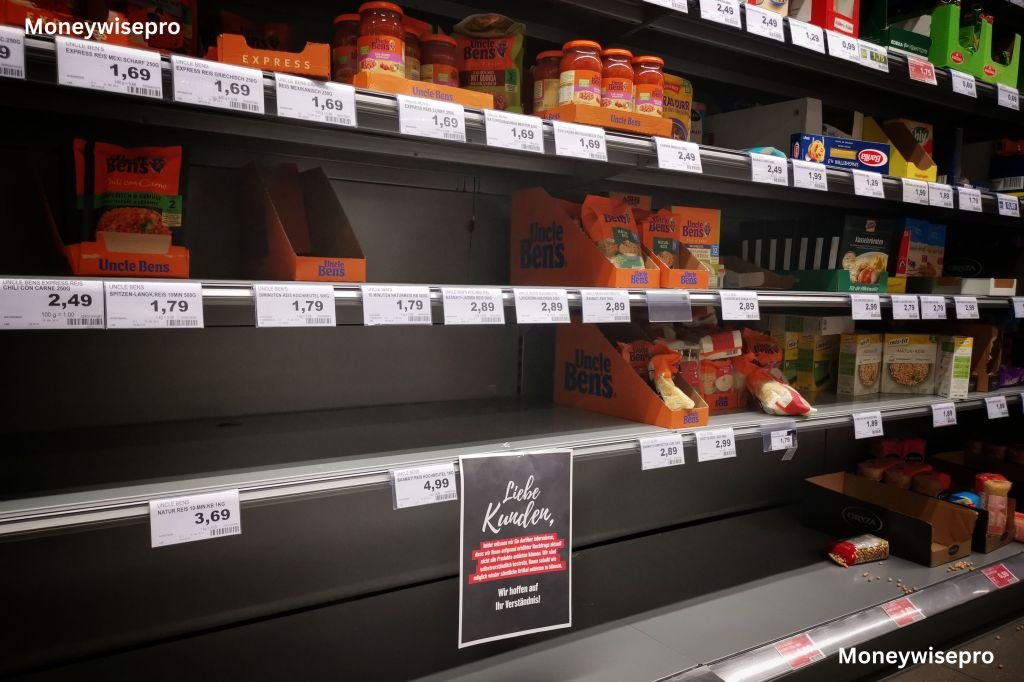
The good news is that the law is actually on your side here, even if most people never use it. Under the model rules most states follow, a store cannot legally charge you more at checkout than the price it advertised or posted, and California’s own law is what made both the Walmart and Tractor Supply cases possible in the first place. What you are entitled to if you notice the checkout price is higher than the shelf price does vary a lot depending on where you live, and it is worth knowing the difference before you assume every state works the same way.
| State | What the Law Actually Gives You | If the Store Says No |
|---|---|---|
| California | The right to be charged the lowest advertised or posted price. Stores face real fines if inspectors find a pattern. | Report it to your county Weights and Measures office |
| New York | Fines against the store of up to $300 per mispriced item on a first inspection, $600 on a repeat | Report it to your county’s consumer affairs office |
| Michigan | A refund of the difference plus a bonus of 10 times that amount, minimum $1, capped at $5, within 2 days of you reporting it | Sue for $250 or your actual damages, plus up to $300 in attorney fees |
| Most other states | Follow a shared national model rule that checkout price cannot exceed the posted price, but the consumer remedy and how strictly it is enforced both vary a lot | Contact your own state’s weights and measures office directly |
Read this:
Why Do So Many Stores Charge You to Return Something Now?
One popular belief is worth correcting honestly. A lot of people think that if a store overcharges you, the law guarantees you get the item free. That is not actually a nationwide legal right. Los Angeles County’s own consumer affairs office states plainly that giving you the item free or a discount is something some stores choose to do voluntarily when their checkout price is higher than the shelf price, not something the law requires everywhere. Michigan is the real exception, where state law does guarantee a cash bonus on top of the refund, not just the item itself. Knowing the real rule in your own state beats repeating something you heard once and assumed was universal.

What actually works, regardless of which state you live in, is boring but effective. Watch the register display as each item scans instead of only checking the final total. Keep the receipt until you have compared it to what you remember paying attention to on the shelf. If something looks off, say so at the register before you leave, since most stores fix it on the spot without any fight at all. If a cashier brushes you off, that is when knowing your specific state’s actual rule, not the myth, becomes useful.
Many Americans assume a barcode scanner is more accurate than a human, and mostly it is, right up until the system behind it has not caught up with the sale sign taped to the shelf. That gap between what changed on paper and what changed in the register is exactly where two major retailers just got caught, and where regular shoppers lose small amounts of money every week without ever noticing.
This helps:
Grocery Store Prices Can Now Change While You’re Still Shopping
None of this means every grocery trip needs a full audit. Most scans are correct, and most stores are not trying to trick anyone. But a receipt takes ten seconds to glance over, and that ten seconds is the entire difference between eating a checkout price that’s higher than the shelf price forever and actually getting your own money back.
See also:
82% of Americans Changed How They Shop for Groceries Last Year
The checkout price not matching the shelf price is not rare, and it is not always the cashier’s fault either. What separates people who quietly lose a few dollars a week from people who actually get their money back is whether they look at the receipt at all.
Have you ever caught a grocery store charging you more at the register than the shelf tag said?
Disclaimer: MoneyWisePro is not a lawyer. This article is for general information only and is not legal advice. Contact your own state’s weights and measures office or a consumer protection attorney for guidance on your specific situation.
Leave a Reply