A new survey found something that should worry more people than it does. Why are so many Americans delaying doctor visits to save money right now? According to a February 2026 analysis, 92% of US adults have delayed or avoided medical care because of cost.
That’s not a typo. Nine out of ten adults, at some point, decided a doctor’s visit wasn’t worth what it might cost them.
I’ve put off going to the doctor myself when something didn’t feel serious enough to justify the bill. That decision always feels small in the moment. It rarely feels small later.

According to research from healthcare marketplace Zocdoc, a doctor’s office visit for someone without insurance now averages $171 across major US cities. For a family living paycheck to paycheck, that number alone is enough to make people wait and see instead of booking an appointment.
Young adults are getting hit hardest. Adults between 18 and 28 are the most likely group to delay or avoid care because of cost, and that pattern is showing up across nearly every income bracket, not just the uninsured.

Read this: if healthcare costs are eating into your budget, it’s worth understanding what’s actually driving the numbers up in the first place.
Your Health Insurance Bill Just Jumped 58%. Here’s What Actually Happened.
The consequences aren’t staying small either. Direct polling from KFF found nearly one in five adults said their health actually got worse because they skipped a visit. For uninsured adults under 65, that share jumps to 42%, more than double the rate among those with coverage. Waiting on a checkup doesn’t just delay a bill, it sometimes turns a minor problem into a bigger, more expensive one later.
Prescription costs are part of the same pattern. A separate KFF poll on prescription costs found 43% of insured adults have skipped or cut back on a prescribed medication due to cost, and that share climbs to 58% among adults without insurance. That’s not always a safe substitute, and it’s rarely something a pharmacist gets asked about before the switch happens.

Not everyone reads this trend the same way. Some health economists argue that avoiding unnecessary care isn’t automatically bad, since a portion of routine visits in the US produce little medical value relative to their cost. The concern isn’t people skipping every appointment. It’s that cost, not medical judgment, is now the deciding factor for millions of people, even when something might actually be wrong.
Think about: a bill you didn’t see coming can undo months of careful budgeting in a single visit.
Your Emergency Fund Isn’t What It Used to Be. Here’s What Changed.
There are a few real options if cost is the thing standing between you and a visit. Community health centers often charge on a sliding scale based on income, sometimes far below the $171 average. Urgent care clinics post their prices upfront in a lot of states now, which makes comparing options possible before you walk in. And asking directly about a cash-pay discount, before the visit, sometimes gets you a lower rate than what shows up on the bill after insurance processes it.
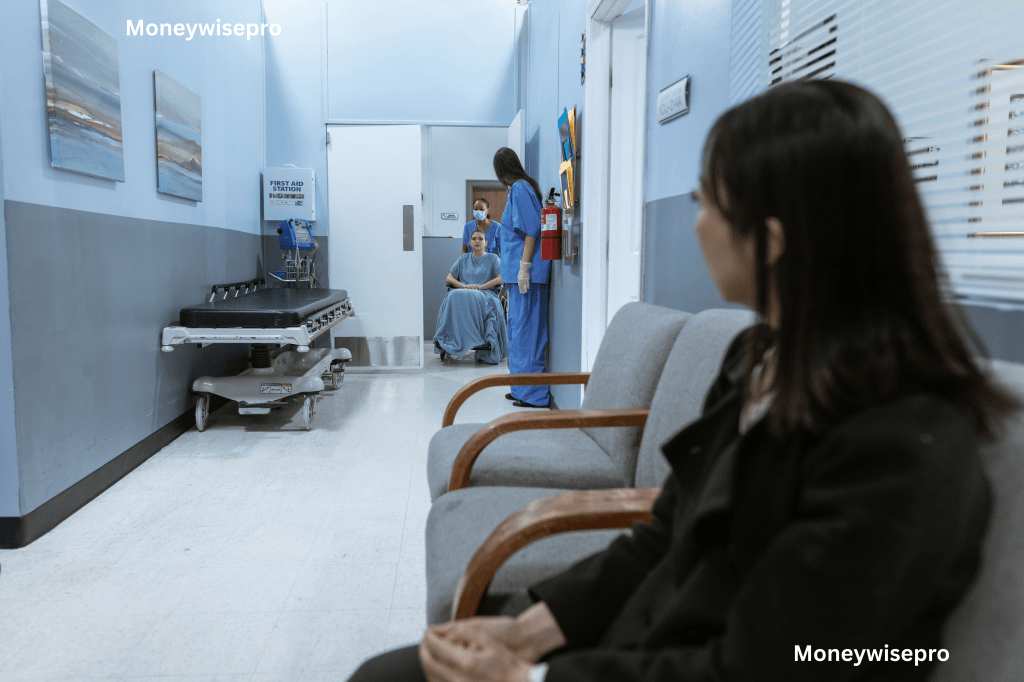
Nobody decides to skip a doctor’s visit because they don’t care about their health. Most people are doing basic math with a number that doesn’t leave much room, and betting that today’s problem can wait until there’s more room in the budget.
| Group | Delayed or Avoided Care Due to Cost |
|---|---|
| All US adults | 92% |
| Adults 18–28 | 94.2% |
| Health got worse (uninsured, under 65) | 42% |
Skipping one visit rarely feels like a financial decision at the time. It usually just feels like waiting. The cost of that wait doesn’t show up until later, and by then it’s often bigger than the bill would’ve been.
Have you ever put off seeing a doctor because of the cost, and did it end up costing you more later?
Disclaimer: This article is for general informational purposes only and does not constitute medical or financial advice. Individual healthcare situations vary. Consult a licensed healthcare provider or financial advisor for guidance specific to your circumstances.
Leave a Reply