Tag: food

  • Does Buy Now Pay Later on DoorDash Affect Your Credit Score?

    Does Buy Now Pay Later on DoorDash Affect Your Credit Score?

    Ordering dinner used to mean one decision: pay now or don’t order. Now DoorDash and Instacart let you split that same order into four payments through Klarna, and a lot of people are asking does buy now pay later on DoorDash affect your credit score before they tap confirm. The honest answer is more complicated than most articles admit.

    Food delivery already made overspending easy. Add a $6 delivery fee, a $4 service fee, and a tip on top of the actual meal, and the real cost of ordering in creeps up fast. Buy now pay later for food didn’t invent that problem. It just removed the last thing stopping people from ordering anyway: not having the full amount available right now.

    That’s the real risk here. When the app lets you pay for a $40 dinner in four $10 chunks, the dinner is gone long before the debt is. You’re not financing a couch or a laptop you’ll still own in six months. You’re financing something you already ate.
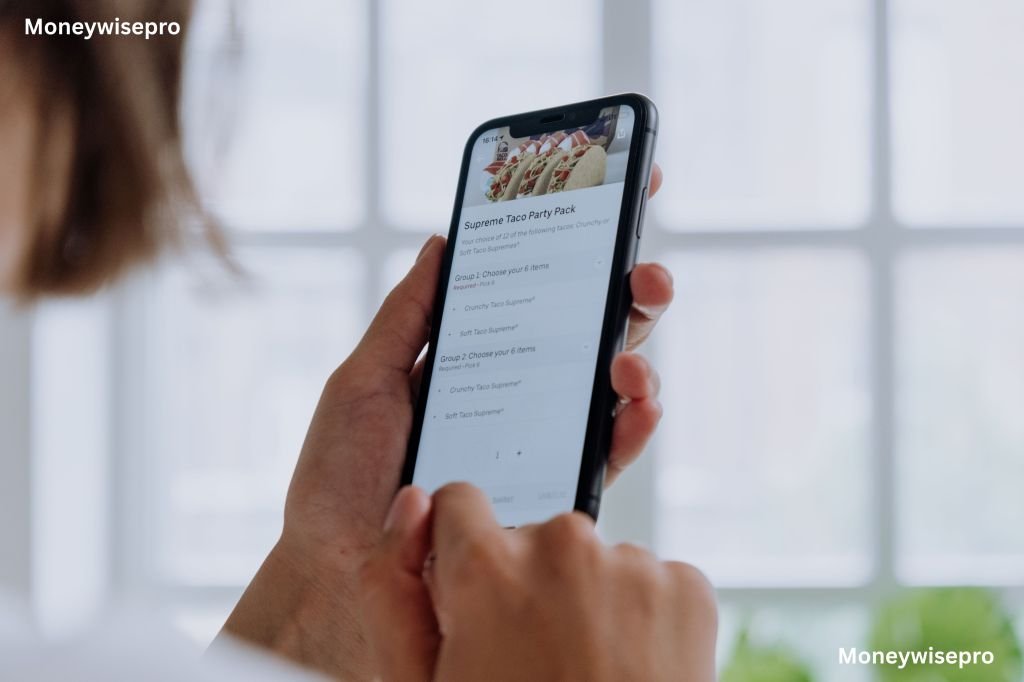
    A person checking a food delivery app and payment options on a smartphone at home

    Here’s where the credit score part actually gets real. For years, most BNPL providers didn’t report short-term “Pay in 4” plans to the major credit bureaus at all, which is part of why the apps felt consequence-free. That’s starting to change, though not the way most people assume. According to Credit Karma’s explanation of BNPL credit reporting, Affirm began reporting new installment loans to Experian in April 2025 and TransUnion in May 2025. Equifax has not joined that rollout yet, and in May 2026, US senators sent Equifax a formal letter asking exactly how it plans to handle BNPL data going forward. So does buy now pay later on DoorDash affect your credit score? Increasingly, for some bureaus, yes, especially if a payment is missed or a plan goes to collections.

    The bigger issue isn’t one missed $10 payment. It’s what happens when someone is running four or five of these plans at once across different apps, which is now common. Each individual plan looks small. Add them together with rent, a phone bill, and a car payment, and the math stops working quietly, without anyone noticing until a payment bounces.

    The fix for that blind spot does not have to be complicated. The BNPL Stack Tracker is a $9 fillable PDF built for exactly this kind of stacking, one page for every open plan, so a food delivery split shows up next to the furniture payment and the phone installment instead of hiding inside five different apps.
    A person reviewing bills and grocery receipts at a kitchen table looking concerned

    This isn’t happening in isolation. According to LendingTree’s 2026 BNPL Tracker, 47% of BNPL users say they’ve paid late on a loan in the past year, up from 41% in 2025 and 34% the year before that. The same report found grocery use is climbing fast too: a separate February 2026 LendingTree survey found 25% of BNPL users are now buying groceries with it, nearly double the 14% rate from a year earlier.

    That grocery shift matters more than it might seem. Groceries and food delivery are recurring, necessary expenses. Financing recurring necessary expenses on a payment plan is a pattern that’s much harder to walk back than financing a one-time purchase like a couch or a laptop.

    Worth knowing: this isn’t the only recent shift affecting how Americans handle everyday spending.
    Why Most Americans Fail at Saving. And the One Habit That Changes Everything.

    DoorDash’s partnership with Klarna, first rolled out for delivery orders and expanded from there, made this mainstream fast. What used to be a niche option for electronics or furniture is now sitting right next to the “place order” button for a burrito. The convenience is real. So is the fact that this normalizes debt for something you’d otherwise just decide you can’t afford tonight.

    To be fair, not every use of BNPL on food delivery is reckless. Someone splitting a one-time large catering order for a family event into two payments, paid on schedule, isn’t creating a problem. The plans are also genuinely interest-free if paid on time, unlike a credit card carrying a balance. The danger isn’t the tool itself. It’s using it as a workaround for a budget that’s already too tight, on purchases that repeat every single week.

    This is why keeping every open plan visible matters more than any single payment.
    Personal Loans: The New Debt Trap Americans Are Walking Into

    If you’re wondering does buy now pay later on DoorDash affect your credit score for your own situation, the practical test is simple: could you have paid for this order today, in full, without the split? If yes, the four-payment option is just a convenience. If no, that’s the actual signal worth paying attention to, not the payment plan itself.

    There’s a simple way to catch this before it becomes a real problem. Before opening a new plan on a food order, check how many BNPL plans are already active across every app, not just the one in front of you. Most people underestimate this number because each app only shows its own plans, never the full picture across Klarna, Afterpay, and Affirm combined.
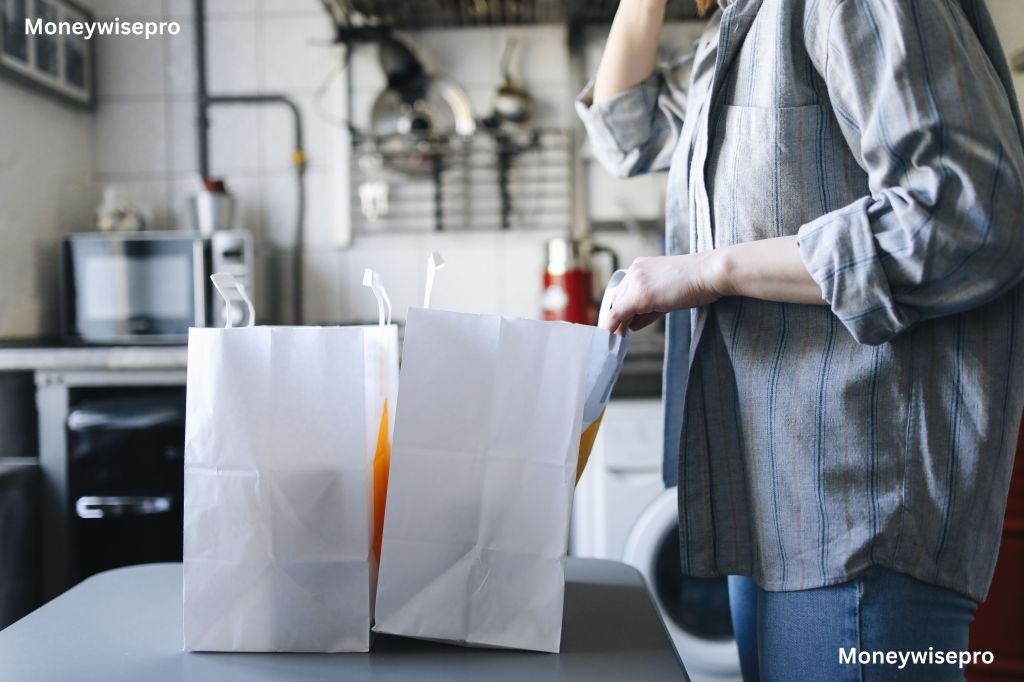
    Grocery bags and food delivery packaging sitting on a kitchen counter after arrival

    If BNPL is already part of how you manage food or grocery spending, seeing every open plan in one place beats trusting memory across three or four different apps. The free BNPL Payment Tracker lays that out on one simple page, no cost, instant download.

    Metric20252026
    Paid late on a BNPL loan in past year41%47%
    BNPL used for groceries14%25%
    Reports to Experian / TransUnionRolling outActive (Affirm)
    Reports to EquifaxNoNot yet, under review

    None of this means BNPL should be avoided entirely, or that everyone using it is in trouble. It means the four-easy-payments pitch was built for furniture and electronics, not for a meal you’ll finish in twenty minutes. That gap between the pitch and the product is exactly where people get into trouble without meaning to.

    Nobody splits a $40 dinner into four payments because they planned to. It usually starts as a one-time convenience and quietly becomes a habit before anyone notices the pattern.

    So the next time an app offers to split your dinner into four payments, what’s the real question you should be asking yourself before you tap yes?

    Disclaimer: This article is for general informational purposes only and does not constitute financial advice. BNPL terms, fees, and credit reporting practices vary by provider. Consult a licensed financial advisor for guidance specific to your situation.
  • 82% of Americans Changed How They Shop for Groceries Last Year. Here’s What I Started Doing With Mine.

    82% of Americans Changed How They Shop for Groceries Last Year. Here’s What I Started Doing With Mine.

    I used to think grocery shopping was simple. Go to the store, buy what you need, come home. Then prices kept climbing, and simple stopped being simple.

    Purdue University’s Center for Food Demand Analysis surveyed 1,200 people across the US at the end of 2025. 82% of them said they changed how they shop for groceries that year. Not a small tweak. A real change.

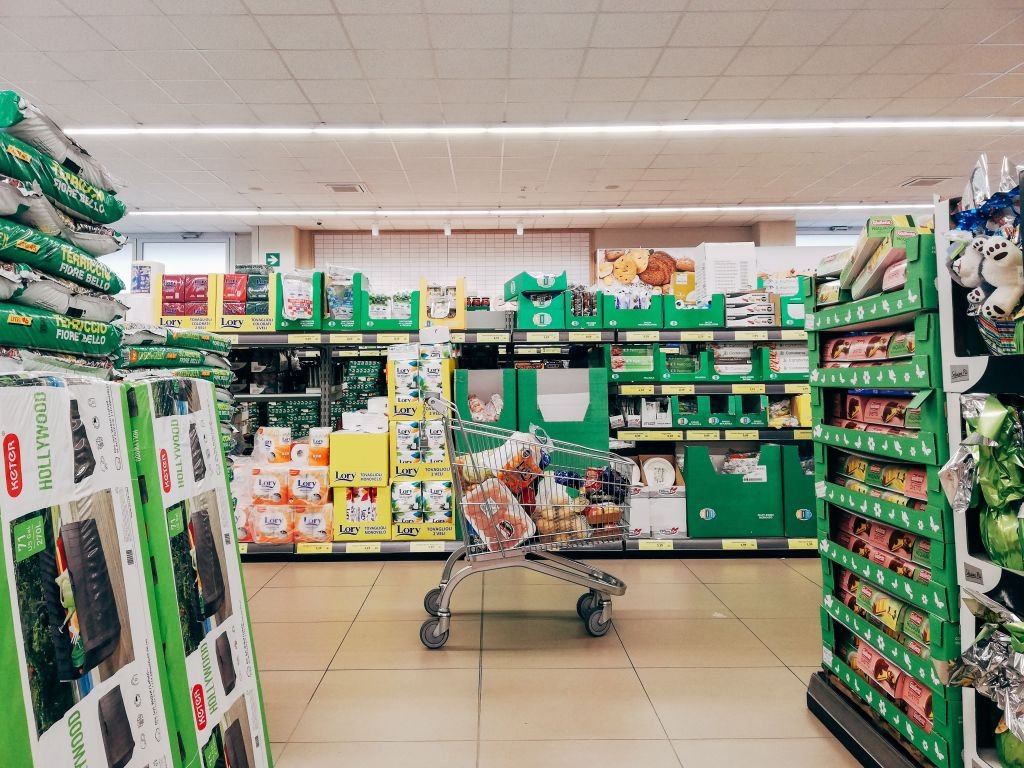
    A shopping cart in a grocery store aisle representing changing grocery habits

    56% said the main reason was simple: food prices went up, plain and simple. Not overspending. Not bad habits. Just the actual cost of feeding a family climbing higher than it used to be.

    Grocery Shopping BehaviorPercentageSourceDate
    Changed Shopping Habits82%Purdue UniversityEnd 2025
    Due to Food Price Increases56%Purdue UniversityEnd 2025
    Expect to Keep Changes (2026)5%Purdue UniversityEnd 2025
    Do Not Expect Changes to Stick95%Purdue UniversityEnd 2025
    Survey Sample Size1,200 AmericansPurdue UniversityEnd 2025

    I have three children, with a fourth on the way very soon. Every single grocery trip is a real decision, not a quick errand. So when I read that number, I didn’t feel behind. I felt like I was looking at a mirror.

    With a fourth baby coming, I can’t afford to pretend prices will come down. These changes aren’t temporary for me — they’re how I’m going to feed my kids going forward. That changes how serious I am about them.

    Here’s what I’ve actually changed, one thing at a time.

    I stopped shopping brand-first.

    Store brands sit right next to name brands, usually cheaper, usually just as good. I used to grab the familiar name out of habit. Now I check both, and more often than not, the cheaper one wins.

    This works: 60% of Americans Bought Secondhand Last Year

    I plan meals around what’s already home.

    Before, I’d plan a meal, then buy everything for it. Now I look at what’s already in the kitchen first, then build the meal around that. Less waste, fewer extra trips.

    A person planning family meals in the kitchen to save on grocery costs

    I buy the boring stuff in bulk when it’s cheap.

    Rice, flour, oil, the things my family goes through every week no matter what. When these go on sale, I buy more than I need for right now. When they don’t, I don’t panic-buy at full price.

    Connect to: 37% of Americans Still Budget With Pen and Paper

    I stopped treating “extra” items as normal.

    Snacks, drinks, the little add-ons that sneak into every cart. They add up fast, and cutting most of them didn’t feel like sacrifice once I actually paid attention.

    Here’s the part of that survey that stuck with me most: only 5% of people expect to keep these changes going in 2026. Most people think this is temporary, that things will go back to “normal” soon.

    I don’t think that’s true for my family, and honestly, I’m not sure it’s true for most people. Prices that go up rarely come back down. The habit is the real win here, not just the moment.

    Most people are waiting for normal to return. I’ve stopped waiting. The world is different now, and I need my family to adapt to it instead of holding on to what used to work.

    A grocery receipt next to a calculator representing tracking food spending

    Has your grocery bill changed how you shop, or are you still shopping the same way and just paying more for it?

    I’m not saying any of this is easy with a family this size. Some weeks it still feels tight no matter what I do. But watching where the money actually goes, instead of just feeling the total at checkout, has made a real difference for us.

    Essential reading: Your Paycheck Isn’t Keeping Up With Inflation

    Disclaimer: This article is for educational purposes only and should not be considered as financial or dietary advice. Grocery shopping strategies and food budgets vary by location, family size, and individual needs. Consult with a qualified financial advisor or nutritionist before making major dietary or spending changes.

  • 4.7 Million People Already Lost Food Assistance in 2026 — More Than the Government Predicted

    4.7 Million People Already Lost Food Assistance in 2026 — More Than the Government Predicted

    Do you know someone between 55 and 64 who gets help buying groceries through SNAP? They may have just lost that help, and might not even know why yet.

    Starting last year, a new law changed who has to work to keep their food assistance. Before, you were exempt from work requirements once you turned 55. Now that age was pushed all the way up to 64.

    “I talked to a woman who turned 55 and thought she was finally getting a break. Two months later her benefits disappeared without warning. She had no idea the age limit had changed — nobody told her.

    Person checking prices while grocery shopping on a budget

    If you’re in that 55-64 group and don’t have a disability or another exemption, you now have to work, train, or volunteer at least 80 hours a month. Miss that, and your benefits get cut off after just 3 months.

    It’s not only older adults affected. The law also removed automatic protection for veterans, people experiencing homelessness, and young adults who grew up in foster care. Parents used to be exempt if they had any child under 18 at home. Now that only applies if your youngest child is under 14.

    Does that mean a parent with a 15-year-old at home now has to meet a work quota just to keep buying groceries for their family? Yes, it does.

    Nearly empty pantry shelves in a home kitchen

    Here’s the part that really matters: the government’s own budget office predicted about 3 million fewer people would be on SNAP this year because of this law. The real number, as of March 2026, is already 4.7 million people gone from the program. That’s worse than what was officially expected, and it happened faster too.

    Over 1 million of the people affected are specifically in that older, 55-64 age group who used to be safe from these rules.

    “That’s over a million people who thought they had stability and suddenly don’t. Most of them aren’t lazy — they’re people who worked their whole lives and are now exhausted at an age when finding work gets harder, not easier.

    Eligibility ChangeBefore LawAfter Law (2026)Who’s AffectedExemptions Lost
    Age Exemption55+ exempt64+ exemptAges 55-63Automatic
    Work Requirement80 hrs/month80 hrs/monthBoth groupsNone added
    Parent ExemptionAny child under 18Youngest under 14Parents 15+ year olds1 year groups
    VeteransAutomatic exemptNo automaticVeteransSpecial status
    HomelessAutomatic exemptNo automaticHomelessSpecial status
    Foster Care AlumniAutomatic exemptNo automaticFoster alumniSpecial status
    Total Lost4.7 million (March 2026)vs 3M predicted

    If this sounds like it could hit you, or someone in your family, here’s what actually helps. If you get a notice saying your benefits are ending, don’t ignore it, you can request what’s called a Fair Hearing to challenge the decision before benefits stop. If you have any medical condition that limits your ability to work, submit documentation for it right away, that can qualify you for an exemption. If you are working but just haven’t reported it, send proof like pay stubs to your local SNAP office as soon as possible.

    Important: 4.7 Million People Already Lost Food Assistance in 2026

    Older adult reviewing paperwork and documents at a table

    Most states also have a free legal aid helpline for exactly this kind of situation, worth calling before just accepting a cutoff notice.

    Has anyone in your life mentioned losing food assistance this year? Did they know it was because of an age rule change, or did it come as a surprise?

    Related: I Used to Struggle Paying My Bills

    Disclaimer: This article is for educational purposes only and should not be considered as legal or government benefits advice. SNAP eligibility rules, work requirements, and exemptions vary by state. Consult with your local SNAP office or a legal aid attorney before your benefits are affected.