Tag: money

  • Your Savings Account Might Be Secretly Costing You Money

    Your Savings Account Might Be Secretly Costing You Money

    Person checking high-yield savings account interest rate on a mobile banking app

    Quick question. Do you know what interest rate your savings account pays you right now, today?

    Most people have no idea. And that gap in knowledge is quietly costing them real money, every single month.

    Here’s a number that might surprise you. The average savings account across the US pays only about 0.38% interest, according to FDIC data from mid-June 2026. That’s almost nothing.

    Some of the biggest banks in the country — the kind everyone’s heard of — pay as little as 0.01% on regular savings accounts.

    Let’s make that real with actual math. Put $1,000 in an account paying 0.01%, and after a full year, you’ve earned exactly 10 cents. Ten cents. Less than a piece of candy.

    Now here’s the other side of the same coin. As of early July 2026, some high-yield savings accounts are paying up to 5.00% APY — and putting that same $1,000 in a 4% account earns you $40 in a year instead of 10 cents.
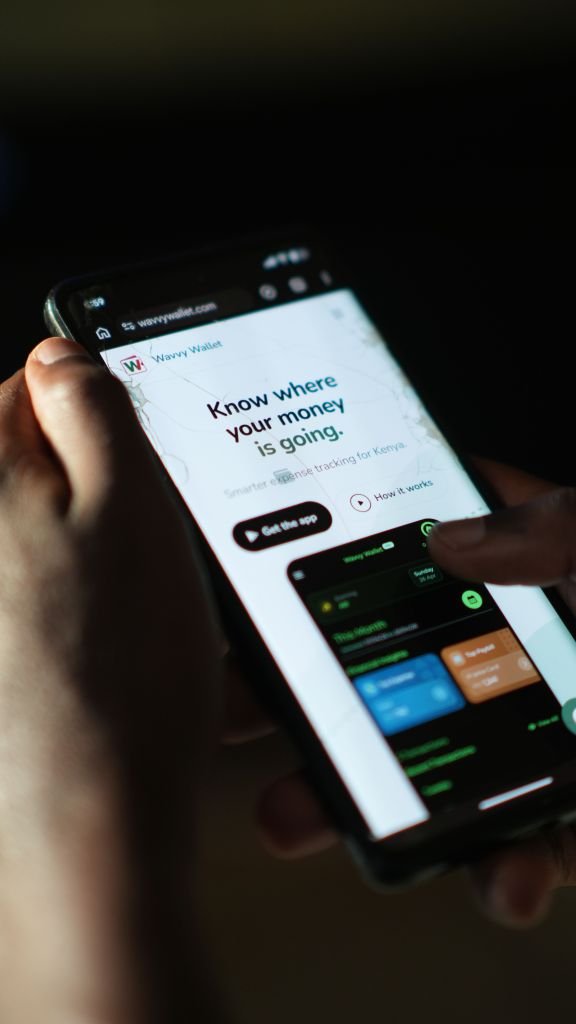
    Person checking high-yield savings account interest rate on a mobile banking app

    Same $1,000. Same safety. Same government protection on your deposit. One bank gives you 10 cents. Another gives you $40. Nothing else about your money changed — only where you kept it.

    Account TypeInterest Rate (July 2026)Annual Interest on $1,000FDIC ProtectedAccessibility
    Traditional Bank (0.01%)0.01%$0.10YesEasy
    Average Savings Account (0.38%)0.38%$3.80YesEasy
    High-Yield Savings (4%)4.00%$40YesOnline
    High-Yield Savings (5%)5.00%$50YesOnline
    Annual Difference$49.90 more

    Learn more: Your Bank Account Fees Are Eating My Paycheck

    Why does this happen? It’s simple, and a little bit sneaky. Big traditional banks know most people never bother switching accounts. Once you’re in, you tend to stay, even when it costs you.

    Online banks work differently. They don’t pay for branch buildings or tellers, so they pass those savings to you as higher interest instead. That’s the whole trick. Lower overhead, higher rate.

    Here’s what surprises people most. Switching doesn’t mean closing your checking account or leaving your bank completely. You keep your checking account exactly where it is. You simply open a separate savings account somewhere else, and move your extra cash — money you’re not spending this week — into that account instead.

    A high-yield savings account still keeps your money insured up to $250,000 by the FDIC, the same protection a regular savings account has. You’re not taking on extra risk. You’re just stopping the leak.

    Opening one usually takes about 15 minutes online. No finance degree. No paperwork mailed anywhere. No visit to a branch.

    So why doesn’t everyone already do this?

    Honestly? Because nobody tells them. Your bank isn’t going to mail you a letter that says “hey, you’re losing money every month — here’s a better option somewhere else.” That letter will never come.

    That silence is exactly why this kind of information matters. The people who know this, keep more of their own money. The people who don’t, keep losing it quietly, month after month, year after year, without ever noticing.

    Person opening a high-yield savings account online from home

    One honest note before you go check your own account: rates like these move. Because the Fed has cut rates before, banks can and do lower savings rates over time, so whatever number you see today, always double check the current rate before you move any money.

    Have you checked your savings account’s interest rate lately? What did you find out — good news, or a wake-up call?

    See also: You Might Already Have Enough Money to Retire

    Disclaimer: This article is for educational purposes only and should not be considered as financial advice. Interest rates change frequently and vary by bank and date. Always verify current rates with the financial institution before opening an account. Consult with a qualified financial advisor before making financial decisions.


  • A New $1,000 Account Just Opened for Millions of American Kids. Do You Know About It?

    A New $1,000 Account Just Opened for Millions of American Kids. Do You Know About It?

    Something big happened in American finance today.

    Starting July 4, millions of kids across the US just got access to a brand new kind of savings account.

    It’s called a Trump Account. And it comes with free government money attached.

    Have you heard of it yet? A lot of parents haven’t.

    Here’s the simple version. Eligible kids under 18 get a one-time $1,000 deposit from the federal government.

    That money goes into an investment account. It grows over time, in the stock market.

    Parents, grandparents, and other family members can add up to $5,000 more every year.

    Employers can chip in too. Up to $2,500 a year, if a company decides to offer it as a benefit.

    The money stays locked until the child turns 18. No withdrawals before that, no exceptions.

    Once the child turns 18, the account becomes a regular retirement account. It works a lot like a traditional IRA from there.

    Sounds simple, right? But here’s where it gets interesting.

    Some financial experts say these accounts could grow to over $200,000 by the time a kid turns 55 — if the market performs like it has in the past.

    That’s just from the free $1,000. No extra contributions needed.

    If a family adds the full $5,000 every year on top of that, some projections go as high as $13 million by retirement age.

    But other experts are more cautious. Nobody can promise the market will keep growing at the same pace it has before.

    Family Income LevelFree Government GiftAnnual Family AdditionsProjected Age 55Age 30 Estimate
    Lower Income ($30K/year)$1,000$0-500$50,000-75,000$2,500
    Middle Income ($60K/year)$1,000$2,500-3,000$400,000-600,000$25,000
    Upper Income ($120K+/year)$1,000$5,000/year$200,000-13M+$150,000

    Learn more: You Might Already Have Enough Money to Retire

    How do you actually sign up?

    Parents can enroll a child through a tax form called IRS Form 4547, filed with their tax return.

    Or you can go straight to TrumpAccounts.gov and sign up there directly.

    After that, there’s a Trump Accounts app you download to check on the account and manage it going forward.

    A scam warning worth knowing

    The government has already warned people about this. Official emails only come from one address: no-reply@trumpaccounts.treasury.gov.

    If anyone calls or texts you about a Trump Account, don’t respond. That’s not how the real program contacts you.

    Always type TrumpAccounts.gov into your browser yourself. Never click a link someone sends you.

    Now the bigger question underneath all of this.

    Wealthier families can afford to add the full $5,000 every single year.

    Lower-income families often can’t. So the gap between rich and poor families may not close. It may just get pushed 18 years down the road.

    One researcher estimated a wealthy family could build $150,000 for their child by age 30. A lower-income family might end up with closer to $2,500.

    Is a free $1,000 still worth taking? Most experts say yes — free money is free money.

    But is it a real fix for the wealth gap, or just a head start that favors people who are already ahead?

    If you’re a parent in the US, have you signed up your child yet? Or are you still deciding if it’s worth it?

    Tell me what you think in the comments below.

    See also: You’re Allowed to Save an Extra $7,500 for Retirement

    Disclaimer: This article is for educational purposes only and should not be considered as financial or investment advice. Market performance projections are hypothetical and not guaranteed. Consult with a qualified financial advisor before making investment decisions for your child.

  • My Bank Account Fees Are Eating My Paycheck

    My Bank Account Fees Are Eating My Paycheck

    Check your bank app right now.

    Look at the last 3 months.

    Do you see a number you did not expect?

    For a lot of Americans, the answer is yes.

    $35. Gone. Just like that.

    One overdraft fee. One mistake. One bad day for their wallet.

    They stare at their phone. How did this happen?

    Then they look closer. It is not just one fee.

    There are more. Small ones. Hidden ones. Easy to miss.

    Have you ever checked your bank statement and felt your stomach drop? A lot of people have. Let me show you what is really happening.

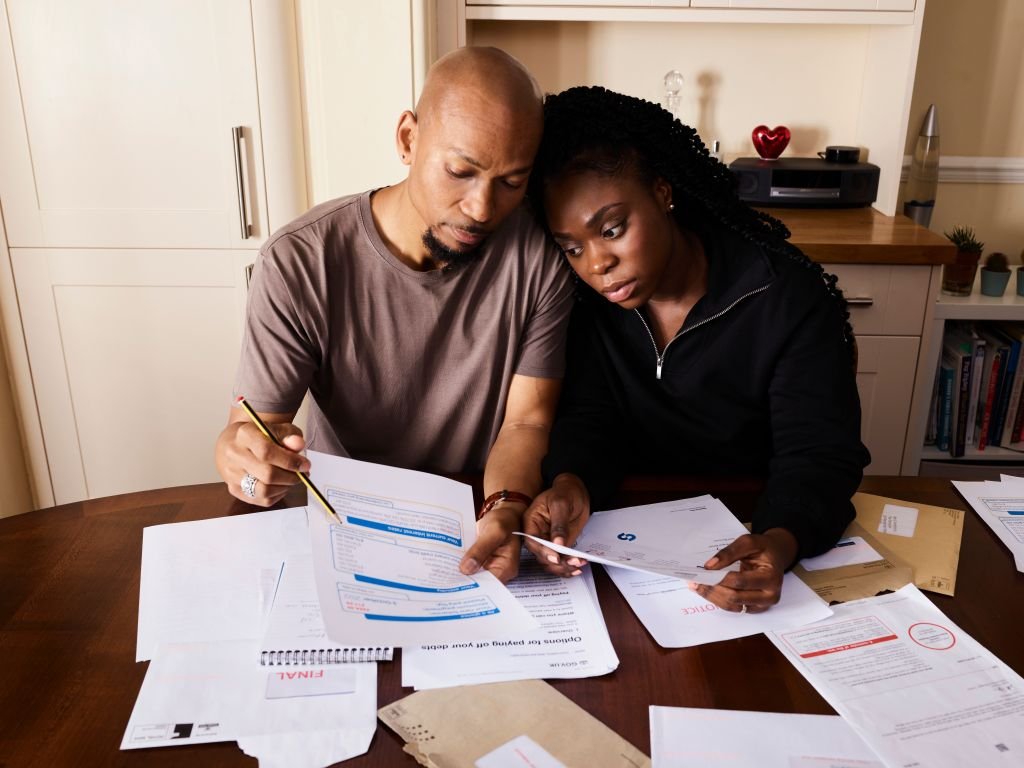
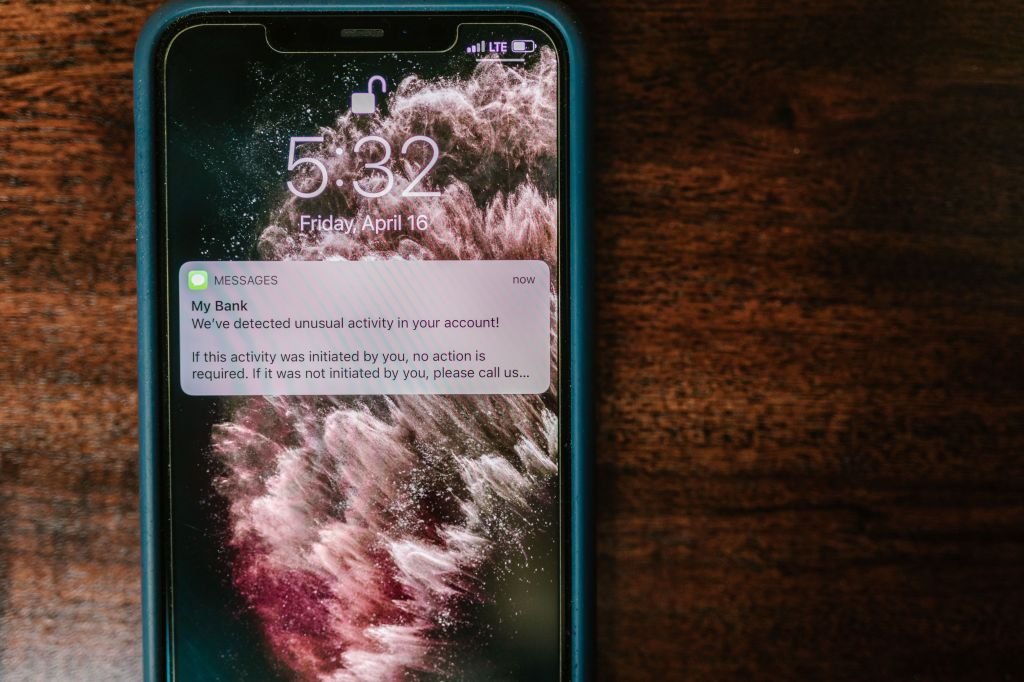
    Person stressed while checking bank account on phone

    The Fees That Add Up

    A monthly maintenance fee. Around $12.

    An ATM fee, for using the “wrong” machine. $2 to $5.

    A fee just to check your balance at another bank’s ATM.

    None of these feel like much on their own.

    But add them up for one month.

    It can reach $40, $50, even more. Gone. For nothing.

    That is not a coffee. That is not a treat.

    That is money that just disappeared.

    Bank TypeMonthly FeeATM FeesOverdraftAnnual Cost
    Traditional Bank$12$2-5$35$200-300+
    Bank with Direct Deposit$0Free$0$0
    Online-Only Bank$0Free$0$0
    Credit Union$0-5Free$15-25$50-100

    Learn more: I Used to Struggle Paying My Bills

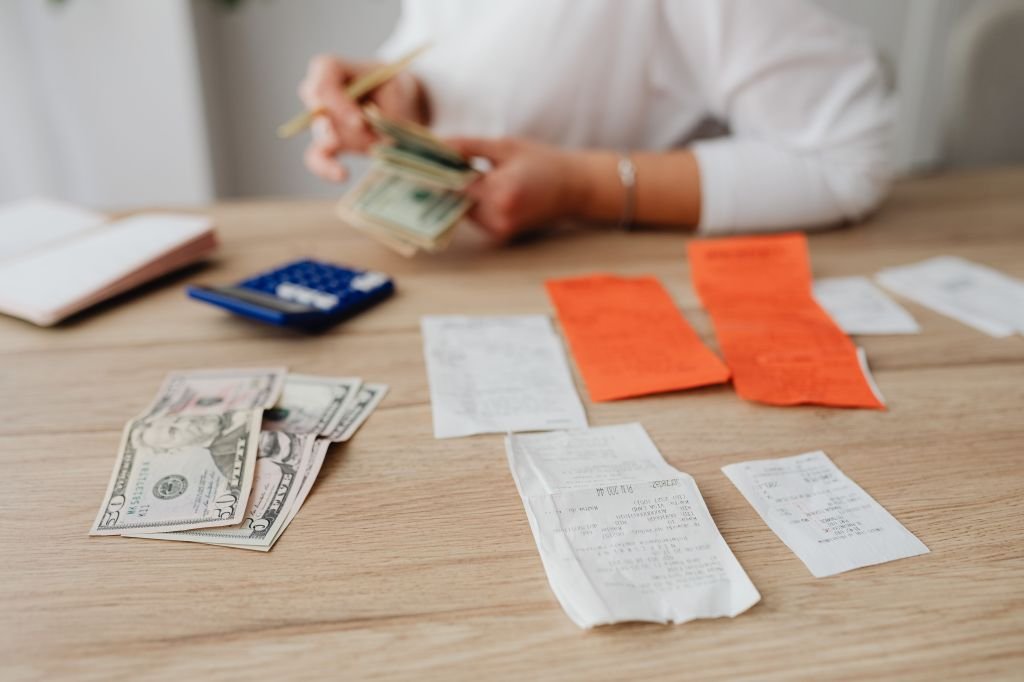
    Calculator and bills showing hidden bank fees adding up

    Why This Happens

    Banks do not always tell you clearly.

    The fees are in the fine print. Small letters. Easy to miss.

    You open an account. You feel excited. You do not read every line.

    Then months later, the fees start eating your money. Quietly. Slowly.

    Piggy bank representing savings after avoiding bank fees

    What You Can Do About It

    Many banks now offer $0 monthly fee accounts, if you meet simple rules.

    Direct deposit. Minimum balance. Online-only accounts.

    Free online banks exist too, with no monthly fees at all.

    It takes one phone call or one search to check your options.

    What You Can Do Today

    Open your bank app right now.

    Search “fee” in your transaction history.

    Add up everything from the last 3 months.

    You might be shocked at what you find.

    Have you ever found a hidden bank fee that made you angry? What did you do about it? Tell me in the comments below.

    See also: Your Savings Account Might Be Secretly Costing You Money

    Disclaimer: This article is for educational purposes only and should not be considered as financial advice. Everyone’s financial situation is unique. Consult with a qualified financial advisor before making banking decisions.

  • I Just Found Out Tips Might Be Tax-Free Now. Here’s What I Learned.

    I Just Found Out Tips Might Be Tax-Free Now. Here’s What I Learned.

    My neighbor works as a waitress. Six nights a week, on her feet, smiling through tired feet and rude customers.

    Last week she showed me her paycheck stub with a confused look on her face.

    “Wait,” she said. “Are my tips… not taxed anymore?”

    I didn’t know the answer. So I looked into it. And what I found surprised me.

    There’s a new rule now. It’s called “no tax on tips.”

    If you work a job where you earn tips, you may be able to deduct up to $25,000 of that tip income before taxes.

    Let that sink in for a second.

    If you’re a server, a bartender, a hairdresser, a delivery driver, anyone who earns tips as part of your income, this could mean real money staying in your pocket instead of going to the IRS.

    Have you checked if this applies to you?

    Here’s the thing about big financial changes like this. Nobody sends you a letter explaining it clearly. You have to go looking for it yourself, or you miss it completely.

    Tip Income StatusBefore New RuleAfter New RuleAnnual Savings
    Server ($30K tips/year)Full tax owedUp to $25K tax-freeDepends on tax bracket
    Bartender ($35K tips/year)Full tax owed$25K tax-free + tax on $10KSignificant
    Hairdresser ($20K tips/year)Full tax owedFull $20K tax-freeFull amount saved
    Delivery Driver ($15K tips/year)Full tax owedFull $15K tax-freeFull amount saved

    Learn more: My Student Loan Payment Just Changed

    My neighbor almost missed it. She just assumed her paycheck looked different because of some new company policy. She didn’t know it was actually a new law working in her favor.

    So I want to break this down simply, the way I wish someone had explained it to her.

    This isn’t extra money the government is giving you. It’s your own money. Money you already earned, working hard, night after night. This new rule just means less of it disappears before it reaches your bank account.

    But here’s what you need to actually do about it. Don’t just assume it applies automatically.

    Talk to whoever does your taxes. Ask them directly, “Does the new tip deduction apply to me?” If you do your own taxes, look up the current IRS guidance before you file.

    Keep track of your tip income throughout the year. Don’t wait until tax season to try to remember it all.

    This is exactly why I always say the same thing. Nobody protects your money except you.

    Financial news moves fast, and most of us are too busy working, raising kids, and just getting through the week to catch every headline.

    But small things like this? They matter. $25,000 is not a small number to overlook.

    If you earn tips, or if someone you love does, share this with them today. Not next week. Today.

    Have you heard about this new rule before reading this? Did you know it applied to you?

    Tell me in the comments. Let’s help each other actually understand what’s happening with our money this year.

    See also: Only 6% of Workers Qualify for No Tax on Overtime

    Disclaimer: This article is for educational purposes only and should not be considered as tax advice or financial advice. Tax laws change frequently and vary by situation. Consult with a qualified tax professional or CPA before making any tax-related decisions.

  • My Student Loan Payment Just Changed and Nobody Warned Me

    My Student Loan Payment Just Changed and Nobody Warned Me

    I got an email last week that made my stomach drop.

    My student loan payment was changing. Starting today, July 1.

    No big announcement. No warning banner. Just a quiet email I almost deleted without reading.

    Have you checked your loan account this week? Really checked it?

    Here’s the thing nobody tells you: loan servicers don’t call you when things change. They don’t text you. They don’t make it obvious.

    They just change your account. And you’re expected to notice on your own.

    Right now, millions of people are behind on their federal student loans. Not because they stopped caring about their debt.

    Because the pandemic pause ended a while back, and payments quietly came back into their lives while everyone was busy living.

    I talked to my cousin about it this week. She had no idea her loan had moved to a different repayment plan.

    She found out the hard way. The payment came out of her account, and it was more than she expected.

    No warning. Just a number that didn’t match what she remembered.

    That’s the trap with loans like this. You set it up once, you stop paying attention, and life moves on.

    Then one day, without asking permission, it bites you.

    So here’s what I did this week. And here’s what you can do today too.

    I logged into my loan servicer’s website. Not the app. The actual website, where the account details are usually clearer and more complete.

    I checked three things. My monthly payment amount. My current repayment plan name. My next due date.

    Student Loan StatusBefore July 1After July 1Monthly Difference
    Payment Paused$0$150-200++$150-200
    Income-Driven Plan$0$100-250+$100-250
    Standard Repayment$250$280+$30
    No Account CheckUnawareSurpriseUnprepared

    Learn more: Your Student Loan Payment Could Jump From $0 to $900

    That’s it. Three things. Five minutes.

    Most people never do this. They assume the number on file is still correct. It isn’t always.

    If something looks different than what you remember, don’t wait for it to sort itself out.

    Call your servicer today. Ask them one direct question: “Did anything change on my account starting in July?”

    You are allowed to ask questions. This is your money. This is your future. Nobody else is going to protect it for you.

    I know loans are confusing on purpose. All the plan names. All the fine print. All the acronyms that sound like they were designed to make you give up and stop reading.

    But confusion is expensive. Every month you don’t check your account is a month something could quietly be going wrong in the background.

    And by the time you notice, it’s already cost you money.

    This isn’t about panic. It’s about five minutes of attention that can save you from a surprise you didn’t see coming.

    Have you looked at your loan account this month? What did you find when you checked?

    Tell me in the comments. If you found something you didn’t expect, you’re not alone. A lot of us are finding things out the hard way this week.

    See also: Medical Debt Can Still Wreck Your Credit Score

    Disclaimer: This article is for educational purposes only and should not be considered as financial advice. Everyone’s financial situation is unique. Consult with a qualified financial advisor before making investment decisions.

  • I Almost Fell Into the “Buy Now, Pay Later” Trap. Here Is What Stopped Me.

    I Almost Fell Into the “Buy Now, Pay Later” Trap. Here Is What Stopped Me.

    I was at checkout. Online. Buying something I did not really need.

    The total came to $120.

    Then I saw it.

    “Pay in 4 — only $30 today.”

    My finger was right there. Ready to click.

    $30 sounded so easy. So small. So harmless.

    Do you know that feeling? When the small number makes the big number disappear?

    I almost clicked it.

    Then something stopped me. I want to tell you what it was.


    Why This Trap Is Everywhere Right Now

    I am not the only one tempted by this.

    More than half of Americans have used these “buy now, pay later” plans for online shopping.

    Half.

    And the people who use it most? People who are already struggling to pay their bills.

    That part scared me.

    It is not helping people who have extra money lying around.

    It is catching people who are already stretched thin.

    People like me.


    Why It Feels So Easy

    Have you ever noticed how these apps never say “you are going into debt”?

    They say “Pay in 4.” They say “0% interest.” They say “easy payments.”

    They never show you the full price clearly.

    They break it into pieces so your brain stops doing the math.

    $120 feels heavy.

    $30 feels like nothing.

    But $30 four times is still $120. Math does not change just because they hide it from you.


    What Actually Stopped Me

    I asked myself one simple question.

    “If I had to pay $120 right now, in full, today — would I still buy this?”

    The honest answer was no.

    If I would not pay it all today — I do not actually need it today.

    I closed the tab.

    Learn more: Personal Loans: The New Debt Trap

    Before you spend anything, there’s a free version worth grabbing first. It’s a one-page tracker that lists every BNPL payment you owe, so you can see the full picture before deciding what to do next.

    A Simple Tool If You’re Already Juggling a Few of These

    If BNPL is already part of your life and you’re using more than one app at once, tracking them by memory gets risky fast. Klarna, Afterpay, Affirm — they all pull from the same bank account on different days, and none of them can see what the others are doing.

    The BNPL Stack Tracker is a simple fillable PDF that puts every payment you owe in one place, plus a 14-day calculator that catches overdraft risk before it happens. Check it out here — $9, instant download.


    What Happens When People Miss a Payment

    This is the part nobody tells you when you click “Pay in 4.”

    Miss one payment and you get hit with late fees.

    Miss enough payments and it can hurt your credit score.

    Keep missing and it can go to collections.

    That “harmless” $30 can turn into a real problem fast.


    3 Questions I Now Ask Myself Before Buying Anything

    1. Could I pay the full price today, right now, in cash?

    If yes — maybe it is okay.

    If no — I probably cannot afford it yet.

    2. Will I still want this in 30 days?

    Most things I almost bought online — I forgot about within a week.

    3. Am I buying this because I need it, or because the payment looks small?

    Be honest with yourself here. This one matters the most.


    What I Do Instead Now

    When I see something I want but cannot pay for today — I do not buy it on credit.

    I write it down in my notes app instead.

    A list called “Things I Want.”

    If I still want it in two weeks, with my own real money — I buy it then.

    Most of the time? I never go back to that list.


    You Are Not Weak for Almost Falling for This

    If you have used buy now pay later before — I am not judging you.

    These apps are built by smart people whose entire job is to make spending feel painless.

    It is not your fault that it works.

    But now you know the trick. And once you know it — it stops working on you the same way.


    ScenarioUpfrontLate Fee RiskTotal CostCredit Impact
    Pay in Full Today$120None$120None
    BNPL (on time)$30 × 4 = $120None$120None
    BNPL (miss payment)$30 × 3$35$155+Negative
    Missed Payments (collections)$30 × 2$50+$180+Major Damage

    Your Turn

    Have you ever used a “Pay in 4” or buy now pay later plan?

    How did it go for you? Did it help, or did it sneak up on you?

    Tell me in the comments. I want to know I am not the only one this almost caught.

    See also: Your Income Doesn’t Affect Your Credit Score

    Disclaimer: This article is for educational purposes only and should not be considered as financial advice. Everyone’s financial situation is unique. Consult with a qualified financial advisor before making investment decisions.

  • I Used to Live Paycheck to Paycheck. Here Is What Finally Broke the Cycle

    I Used to Live Paycheck to Paycheck. Here Is What Finally Broke the Cycle

    I remember sitting at my kitchen table staring at my bank account.

    Zero dollars. And rent was due in three days.

    I felt sick. I felt ashamed. I felt like no matter how hard I worked — there was never enough money left at the end of the month.

    Does that sound familiar to you?

    Right now, more than half of Americans are living paycheck to paycheck. Working hard every single day. And still running out of money before the month runs out.

    I was one of them. For years.

    But something finally changed. And today I want to share exactly what broke the cycle for me.


    First — Why Does This Keep Happening?

    It’s not because you’re lazy. It’s not because you don’t work hard enough.

    The real reason is simple: Your money has no plan.

    Every month, money comes in. And money goes out. But nobody is telling that money where to go. So it just… disappears.

    On coffee. On subscriptions you forgot about. On small purchases that feel like nothing but add up to everything.

    Sound familiar?


    The Moment Everything Changed For Me

    One day I sat down and wrote every single thing I spent money on.

    Everything.

    Coffee. Lunch. That app I never use. The subscription I forgot I had. Everything.

    I was shocked.

    I was spending over $300 a month on things I did not even remember buying.

    That was the moment I realized — I did not have an income problem. I had a spending awareness problem.


    Here Is What I Did — Step By Step:

    Step 1 — I Wrote Down Every Dollar

    For one full week I wrote down every single thing I spent money on. Every coffee. Every snack. Every online purchase.

    No judgment. Just honesty.

    Try it. You will be shocked at what you find.

    Learn more: I Was Shocked When I Saw My Grocery Bill

    Step 2 — I Found My “Money Leaks”

    After that week I looked at my list and circled everything that was not necessary.

    These are your money leaks. Small holes that drain your account every single month without you noticing.

    For me it was:

    • 3 streaming services I barely used
    • A gym membership I had not used in 4 months
    • Daily coffee runs that cost me $90 a month

    I cancelled all of it. Same day. That one week of awareness saved me $300+ per month.

    Step 3 — I Paid Myself First

    This one changed everything.

    The moment my paycheck arrived — before I paid anything else — I moved $50 into a separate savings account.

    Just $50. That is it.

    Not $500. Not $200. Just $50.

    I pretended that money did not exist.

    After 3 months I had $150 saved. It was the first time in years I had money that was not already spoken for. That feeling changed everything for me psychologically.


    Step 4 — I Started Using a Budget Framework

    When I looked at how I spent money, I noticed something.

    Many people use a budgeting framework where they split income into categories. Some use 50/30/20 (50% needs, 30% wants, 20% savings). Others use different splits like 70/20/10 or 60/25/15.

    The point isn’t which ratio is “right” — it’s finding one that works for YOUR life.

    I experimented with a few different splits until I found one where I could actually stick to it. That consistency was more important than the perfect formula.

    Comparison: Common Budget Splits

    FrameworkNeeds/Wants/SavingsBest For
    50/30/2050/30/20Moderate income
    60/25/1560/25/15Lower income
    70/20/1070/20/10Tight budget
    40/40/2040/40/20High earners

    The key: Pick one, test it for a month, adjust if needed. Consistency beats perfection.

    Step 5 — I Stopped Using Credit For Small Things

    Every time I used my credit card for something small — coffee, groceries, gas — I told myself it was fine.

    It was not fine.

    Those small charges added up to hundreds of dollars every month. Plus interest.

    I switched to cash for small daily purchases. When the cash was gone — it was gone. No more spending.

    The physical act of handing over cash made me think twice. Cards make spending too invisible.

    See also: Average American Owes $6,715 in Credit Card Debt


    What Happened After 3 Months

    I want to be honest with you.

    It was not easy at first.

    The first month I still overspent in some areas. But I was aware of it. And awareness is everything.

    By month two I was no longer stressed on the last week of the month.

    By month three I had savings in my account for the first time in years.

    Nothing dramatic. No lottery win. No miracle.

    Just small changes done consistently every single month.


    You Can Do This Too

    If you are living paycheck to paycheck right now — I want you to know something.

    It is not your fault that nobody taught you this.

    But it IS your responsibility to change it.

    Start with just one step today. Write down everything you spend for one week. Just that. Nothing else.

    That one step will open your eyes in a way nothing else can.

    The people who break free from paycheck-to-paycheck living aren’t the ones making more money. They’re the ones who became aware of where their money actually goes.

    So what’s stopping you from tracking your spending for just one week?

    Disclaimer: This article is for educational purposes only and should not be considered as financial advice. Everyone’s financial situation is unique. Consult with a qualified financial advisor before making investment decisions.

  • I Used to Struggle Paying My Bills Every Month. Here’s What Finally Changed.

    I Used to Struggle Paying My Bills Every Month. Here’s What Finally Changed.

    For years I thought I was just bad with money. Turns out — I just needed a few simple changes.

    Every month was the same.

    The bills came in. The paycheck ran out. And I sat there staring at my bank account wondering where it all went.

    Rent. Electric. Phone. Car. Groceries.

    By the 20th of the month I was already counting days until the next paycheck.

    Sound familiar?

    You’re not alone. Right now, almost half of Americans say they struggle to pay their monthly bills. Half. That’s your neighbor. Your coworker. Your friend.

    But here’s what nobody tells you — it’s usually not about how much you earn. It’s about a few small habits that nobody ever taught us.

    I found that out the hard way. And these are the things that actually changed everything for me.


    1. I Finally Wrote Down Every Single Bill

    I know. Sounds too simple.

    But I had never actually written all my bills in one place. They just… arrived. And I paid them. Or tried to.

    One night I sat down with a piece of paper and wrote every single monthly expense I had.

    Rent. Electric. Water. Phone. Internet. Subscriptions. Car payment. Insurance.

    The total shocked me.

    I was spending $400 more every month than I thought. No wonder I was always broke.

    Try this tonight: Get a piece of paper. Write every bill you pay every month. Add them up. The number will surprise you — I promise.

    Learn more: 10 Easy Ways to Save Money Every Month


    2. I Stopped Paying Bills Late

    Late fees are like a tax on being disorganized.

    Every late payment costs you $25, $35, sometimes $50. Do that with 3 bills a month and you’re throwing away $100 for nothing.

    I set up reminders on my phone for every single bill — 3 days before it was due.

    No more late fees. That’s $100 a month back in my pocket just from being organized.

    Try this: Set a phone reminder right now for your next bill due date. Just one. Start there.


    3. I Called My Internet Company and Asked for a Lower Rate

    This one felt scary. I almost didn’t do it.

    But my neighbor told me she called her internet company and just asked — “Is there anything cheaper available?”

    They gave her a $20 discount on the spot.

    I tried the same thing with my phone bill. The person on the phone offered me a different plan that saved me $15 a month.

    $35 a month saved. From two phone calls. Total time: maybe 20 minutes.

    Try this: Call one bill company this week. Just ask: “Is there a lower plan or any discounts available?” The worst they can say is no.


    4. I Made a “Bills First” Rule

    Before I spent any money on anything — food, clothes, fun, anything — the bills got paid first.

    Sounds obvious. But I used to pay bills whenever I remembered. Which meant sometimes I spent money on other things first and then didn’t have enough for bills.

    Now the day my paycheck arrives, bills come out first. Whatever is left is for everything else.

    This one change stopped 90% of my late payments immediately.

    Try this: Next payday — pay every bill first. Before anything else. Even before groceries. See how it feels.


    5. I Found One Bill I Could Cut Completely

    Look at your bill list from tip #1.

    Is there anything you don’t really need?

    For me it was a streaming service I watched maybe twice a month. $14 a month for almost nothing.

    I cancelled it. That’s $168 a year back in my pocket.

    One cancellation. Five minutes. $168 saved.

    Try this: Find just ONE bill to cut this month. Not five. Just one. Even $10 a month is $120 a year.

    HabitAnnual Savings
    Pay on time (vs late)$1,260

    6. I Started a “Bill Emergency” Savings

    Even $20 a month changes everything.

    Because before I did this, one unexpected bill — a car repair, a medical bill, anything — would destroy my whole month.

    Now I put $20 aside every payday specifically for unexpected bills. Just $20.

    After 6 months I had $240 sitting there. It’s not a lot. But it means one unexpected bill doesn’t ruin everything anymore.

    Try this: Open a separate savings account. Put just $20 in it this month. Label it “Bill Emergency.” Don’t touch it.

    See also: 53% of Americans Can’t Cover a $1,000 Emergency


    The Truth Nobody Tells You

    Struggling with bills doesn’t mean you’re bad with money.

    It usually just means nobody taught you these simple habits.

    I wasn’t bad with money. I was just disorganized. And once I got organized — everything changed.

    You can do the same thing. Start with tip #1 tonight. Just write your bills down.

    That one step will show you more about your money than anything else you’ve ever done.

    Which tip are you going to try first? Tell me in the comments — I really want to know. 👇


    If this helped you, share it with one person who needs it. It might change their month.

    Disclaimer: This article is for educational purposes only and should not be considered as financial advice. Everyone’s financial situation is unique. Consult with a qualified financial advisor before making investment decisions.