Author: naso0or89qtr

  • The Real Reason Your First Paycheck Looks Smaller Than You Expected

    The Real Reason Your First Paycheck Looks Smaller Than You Expected

    You accept a job offer, you do the math on your new salary, and then your first paycheck looks smaller than you expected by a few hundred dollars or more. This catches almost every new employee off guard at least once, and it is not a mistake by your employer most of the time. It comes down to a mix of tax withholding, timing rules, and deductions that nobody explains clearly before your first day.

    Start with taxes, because they take the biggest bite. Federal income tax, state tax, and Social Security and Medicare (FICA) all get pulled out automatically, and the combined hit is bigger than most people picture in their head. CNBC walked through a real example: someone earning $65,000 in New York City can lose close to 32% of that salary to combined federal, state, and city taxes, which works out to roughly $1,750 take-home on a biweekly paycheck instead of the $2,500 gross number the salary math suggests. That gap is not a fee or a glitch. It is the system working as designed, just rarely explained out loud.

     A young professional looking surprised while checking a paycheck on a laptop at a desk

    Timing makes the first paycheck problem worse. Most companies do not pay you the moment you start working, they pay you after the pay period closes, a setup called paid in arrears. ADP lays out a typical example: start a job on a Monday, the two-week pay period ends the following Friday, and the actual paycheck does not arrive until the Friday after that. That is roughly two to three weeks of work before any money shows up, and if a new hire budgeted around their old job’s payday, that stretch can quietly wreck a month.

    Worth knowing:
    My Bank Account Fees Are Eating My Paycheck

    Beyond taxes and timing, pre-tax deductions shrink the number further before it ever hits your account. Health insurance premiums, dental and vision plans, and 401(k) contributions all come out before you see a dollar, and none of these show up on the salary figure printed on your offer letter. Someone who signs up for a solid benefits package on day one can watch their first paycheck look smaller than you expected by several hundred dollars compared to someone who waited a pay cycle to enroll, even at the exact same salary. It is one more reason a first paycheck looks smaller than you expected, well before the offer letter ever hinted at it.

    Most workers genuinely do not understand where this money goes, and that is not a knowledge gap unique to any one generation, though it is worse for younger workers. A survey of 1,000 US employees by Method Research, run for Deel in February 2025, found that 29% of workers admit they are confused about their paycheck deductions, and only 27% of Gen Z employees feel confident explaining federal income tax withholding, compared with 63% of Baby Boomers. That confidence gap matters because Gen Z workers are also the ones most likely to be starting a first or second job right now, which is exactly when a first paycheck looks smaller than you expected and there is nobody around yet to explain why.

     A man reviewing tax withholding paperwork with a calculator on a table at home
    CategoryBiweekly AmountShare of Gross Pay
    Gross pay ($65,000 salary)$2,500100%
    Federal income tax~$550~22%
    State and local tax (NYC example)~$245~9.8%
    Social Security and Medicare (FICA)~$191~7.65%
    Approximate take-home pay~$1,750~70%

    This helps:
    Your Paycheck Isn’t Keeping Up With Inflation. And That’s Not Your Fault.

    Employers know this gap causes real stress, which is part of why earned wage access apps have grown fast in 2026. These tools let workers pull a portion of wages they have already earned before the official payday, for a small fee. According to the Wage to Wallet Index, a 2026 study by PYMNTS Intelligence, WorkWhile, and Ingo Payments, roughly 4 in 5 workers surveyed said their employer now offers some form of on-demand pay, yet only about 10% use it frequently. The honest read on that data is that most workers keep it as a backup, not a habit, and that is the smarter way to treat it. A few dollars per early withdrawal adds up fast if it becomes a monthly routine instead of a genuine emergency tool.

    None of this means the deductions themselves are unfair. Federal and state taxes fund real public services, and FICA specifically funds Social Security and Medicare, programs most workers will eventually rely on. The frustration is not that the money disappears, it is that almost nobody explains where it goes before the first paycheck lands, so the surprise feels like a loss instead of what it actually is, which is the system working the way it was built to.

    That gap between the number on an offer letter and the number that actually lands in the account catches nearly everyone off guard at least once. It tends to show up at the worst possible time, right when rent, a phone bill, or a car payment is already due.

    Same principle applies:
    Your Emergency Fund Isn’t What It Used to Be. Here’s What Changed.

    A woman checking her banking app on a smartphone while relaxing at home on a couch

    A few real steps make this easier before it happens rather than after. Ask HR for the exact pay schedule and the exact date of the first payday before your first day, not after. Use the IRS withholding estimator to check that your W-4 matches your real situation, since a wrong W-4 is one of the few parts of this you can actually control. And if the arrears gap really does create a cash crunch, treat earned wage access as a one-time bridge, not a recurring paycheck substitute, given how quickly small per-use fees turn into a real cost over a year.

    So if your first paycheck looks smaller than you expected, the honest answer is that it probably is not a mistake, and it is not a trick either, it is a system almost nobody explains clearly before the money shows up.

    Did your first paycheck at a new job ever come in lower than you planned for, and if so, did anyone explain why before it happened?

    Disclaimer: MoneyWisePro is not a financial advisor, accountant, or tax professional. This article is for general information only and is not financial or tax advice. Check your own pay stub and W-4 with your employer or a licensed tax professional for guidance specific to your situation.


  • Grocery Store Prices Can Now Change While You’re Still Shopping

    Grocery Store Prices Can Now Change While You’re Still Shopping

    The number on the shelf used to be the number you paid. That’s changing fast, and it’s exactly why so many people are asking whether grocery store prices can change while you’re still shopping. Walmart, Kroger, Schnucks, Whole Foods, and Amazon Fresh are all rolling out electronic shelf labels, small digital screens that replace paper price tags and can update instantly, sometimes multiple times a day.

    Here’s the part that actually matters for a grocery budget. A digital tag isn’t just a paper tag with a screen instead of ink. It’s connected to a system that can raise or lower a price based on time of day, day of the week, or demand, the same basic idea behind how airline tickets and rideshare prices move.

    A woman scanning a grocery shelf price tag with her phone

    Research firm Decodo tracked 1.5 million grocery items across 120 platforms and found real movement, not a rumor. Roughly half of prices went up and half went down over the study period, meat prices climbed 11.3% over six months while dairy and pantry staples actually dropped. The same research found prices tend to run highest on Saturdays and lowest on Wednesdays and Mondays at Walmart and Kroger specifically, according to reporting from First Alert 4.

    That day-of-week pattern is worth sitting with for a second. If a store can quietly charge more on a Saturday, when most working families actually do their shopping, the person with the least flexible schedule pays the highest price without ever knowing a lower one existed two days earlier.

    Related read:
    82% of Americans Changed How They Shop for Groceries Last Year. Here’s What I Started Doing With Mine.

    This isn’t just a shopper’s hunch either. Senators Elizabeth Warren and Bob Casey sent Kroger a direct letter over exactly this concern, warning that electronic shelf labels could let stores raise the price of a turkey right before Thanksgiving, or ice cream on a hot day, timed to whenever demand is highest. The letter cited a 2021 UCLA analysis concluding that time-based pricing creates value for the store through higher prices while offering the shopper nothing back.

    A man checking his receipt against a shelf price tag in a grocery aisle

    The financial backdrop makes the concern harder to wave off. Grocery spending already ate up 11.2% of the average household budget in 2023, a 30-year high, while Kroger alone reported 3.1 billion dollars in operating profit that year with gross margins above 20% for five straight years. When a company adds a tool that can move prices by the hour, and profit margins are already that strong, the burden of proof shifts to explaining why prices would only ever move down.

    Retailers are pushing back on the dynamic pricing label specifically. Walmart has stated its digital tags cannot be used for what it calls surveillance pricing, and Schnucks says it doesn’t use dynamic pricing at all, attributing price changes to supplier and logistics costs instead of demand. Those denials are worth taking seriously, but they don’t change the underlying fact that the technology to move prices by the hour now exists in more stores than it did a year ago.

    Data pointDetail
    Items tracked (Decodo study)1.5 million, across 120 platforms
    Meat price change (6 months)+11.3%
    Dairy and pantry staplesDeclined over same period
    Highest price daySaturday
    Lowest price daysMonday and Wednesday
    Kroger FY23 operating profit$3.1 billion

    None of this means every grocery store with a digital tag is quietly gouging shoppers. Some of these systems genuinely exist to cut down on the labor cost of printing and swapping thousands of paper tags by hand, and price drops happen just as often as increases in the actual data. The real issue isn’t that grocery store prices can change while you’re still shopping, it’s that most shoppers still assume the shelf price is fixed for the day, when it increasingly isn’t.

    Also useful:
    I Was Shocked When I Saw My Grocery Bill Last Week

    There’s a privacy layer to this too that’s easy to miss. The Warren-Casey letter also flagged that Kroger has explored facial recognition cameras tied to personalized pricing, the idea being that a store could eventually learn how much a specific shopper is willing to pay and price accordingly. That’s a different, more targeted version of the same underlying shift: the price is no longer a fixed fact printed on a tag, it’s a number a system decides for that moment.

    A young woman comparing grocery prices on a phone app in a supermarket aisle

    The practical fix doesn’t require new technology on the shopper’s side. Since the data shows prices trending lower earlier in the week, shifting a grocery run to Monday or Wednesday instead of the weekend is a real, free way to land on the cheaper side of the same item. It’s a small habit, not a guarantee, but it’s grounded in the actual pattern the research found rather than a guess.

    Worth trying:
    10 Easy Ways to Save Money Every Month

    Checking a receipt against the shelf price is also worth doing more than most people bother to. Many states have laws requiring a refund or a free item if a scanner rings up higher than the posted shelf price at the time of purchase, though the exact rule varies by state and isn’t guaranteed everywhere. A photo of the shelf tag before checkout, taken with a phone already in hand, costs nothing and settles the question fast if the total looks off.

    Many Americans grew up assuming a grocery store’s prices were the same for everyone walking through the door that day. That assumption is quietly getting more complicated as digital shelf tags spread to more chains, and the shift is happening well before most shoppers have any reason to notice it.

    None of this means grocery shopping needs to become a research project every week. It means the sticker on the shelf is worth a second look now, since grocery store prices can genuinely change while you’re still shopping, not because it’s wrong, but because it might already be different from what it was an hour ago.

    Have you noticed a grocery price change between visits to the same store recently, or is this the first time you’re hearing digital tags could be why?

    Disclaimer: MoneyWisePro is not a financial advisor, lawyer, or retail industry professional. This article is for general information only and is not financial advice. Always check with your local consumer protection office regarding pricing laws in your state.

  • Why Do So Many Stores Charge You to Return Something Now?

    Why Do So Many Stores Charge You to Return Something Now?

    A few years ago, returning something you didn’t want was simple. Print a label, drop the box off, get your money back. That’s not how it works at most stores anymore, and why do stores charge you to return something now is turning into one of the most common questions shoppers type into Google before they even try. The honest answer is that returns quietly became one of retail’s biggest cost problems, and stores decided shoppers should help cover it.

    So do returns cost money now? For most major retailers, yes. It is no longer a free undo button on a purchase, and shoppers who assume otherwise are the ones most likely to get surprised by a smaller refund.

    Here’s what most people don’t realize until the fee shows up on their refund. Nearly three-quarters of retailers now charge for at least some returns, up from 66% just last year, according to industry data reported by TheStreet. This isn’t a handful of stores testing something new. It’s become the normal way retail operates now, and it happened fast enough that a lot of shoppers haven’t caught up to it yet.

    A woman holding a return shipping box while checking her phone

    The reason stores added these fees isn’t complicated once you see the math. A Pollen Returns co-founder explained it plainly to Today.com: just processing a single returned item can cost a retailer around $12, and that figure doesn’t even include restocking or the loss from reselling that item at a markdown later. Multiply that by millions of returns a year, and free returns stopped making financial sense for a lot of companies. That cost is the real reason why stores charge you to return something in the first place, not an attempt to punish anyone for changing their mind.

    The scale of returns is genuinely enormous. Retailers expect billions of dollars in merchandise to come back through their doors and warehouses this year alone, and online orders get returned at a noticeably higher rate than anything bought in person. A return fee, from the store’s side, isn’t about punishing shoppers. It’s about not eating a cost that used to be invisible to everyone except the finance department.

    Related read:
    The Average American Spends $3,045 a Year on Impulse Buys. I Almost Became One of Them Last Week.

    What makes this expensive for shoppers is that the fees aren’t small or one-size-fits-all. Marshalls and T.J. Maxx deduct close to $12 for a mailed-back return. Macy’s takes about $9.99 off the refund unless the shopper is enrolled in its loyalty program, which waives it. JCPenney and J.Crew fall in the $7 to $8 range, Zara charges roughly $4.95, Urban Outfitters takes $5, and Dillard’s adds close to $9.95 on top of any restocking charge. Best Buy goes further with electronics specifically, applying a restocking fee on opened items and a separate, steeper charge on activatable devices like phones and tablets.

     A man reading a receipt beside an opened cardboard return package

    Kohl’s takes a similar approach, applying a restocking percentage on non-defective items and treating shipping costs as non-refundable no matter what. None of these numbers sound huge in isolation. A $9.99 fee here, an $8 fee there. But for anyone who orders two or three sizes of the same shirt to try on at home, a habit called bracketing that a large share of younger shoppers openly admit to doing, those small deductions add up across every single return.

    RetailerTypical Return FeeFee Type
    Marshalls / T.J. Maxx~$11.99Mail-return shipping fee
    Macy’s~$9.99Waived for loyalty members
    JCPenney~$8.00Mail-return shipping fee
    Best Buy15% / up to $45Restocking (electronics)
    Kohl’s15%Restocking (non-defective)

    This is where the fee structure quietly changes shopping math that most people never think to run. Buying something on impulse used to carry almost no risk, since the worst case was a quick, free return if it didn’t work out. Now the worst case includes losing $5 to $12 of your own money just to undo a purchase you never should have made in the first place. Why do stores charge you to return something has a straightforward answer, but the ripple effect on everyday spending decisions is the part that catches people off guard.

    Also useful:
    Your Emergency Fund Isn’t What It Used to Be. Here’s What Changed.

    Retailers are watching consumer reaction closely, and the numbers suggest the fees are already creating friction. Close to half of merchants that started charging for returns report a real increase in customer complaints, and more than a third say they’ve lost repeat customers specifically because of the new fees. Shoppers care about return policy more than a lot of retailers may want to admit, with a large majority saying a store’s return terms factor directly into whether they buy there in the first place.

    There are still ways to avoid most of these charges without giving up online shopping altogether. Loyalty programs are the biggest lever, since several major retailers, including Macy’s, waive the return fee entirely for members, and signing up costs nothing. In-store returns are another workaround, since many of the fees only apply to mail-back returns, not items brought back to a physical location in person.

    A young woman comparing two similar sweaters before choosing which to keep

    Reading the return policy before checkout, not after the package arrives, is the simplest habit that actually prevents a surprise deduction. A lot of stores post the fee structure directly on the product or shipping page, and a thirty-second check before buying is a lot cheaper than an unwanted fee after the fact.

    One workaround most coverage of this trend skips entirely: choosing store credit or an exchange over a cash refund. Many retailers waive the return fee specifically when a shopper accepts a gift card or swaps for a different size or item instead of asking for money back. It only works if there’s something else in the store actually worth buying, but for anyone planning to shop that retailer again anyway, it’s a real way to skip the deduction entirely instead of eating it every time.

    Ties into this:
    My Bank Account Fees Are Eating My Paycheck

    Many Americans grew up with the assumption that returns were simply free, a built-in safety net for buying the wrong size or changing their mind. That assumption quietly expired over the last couple of years, and most people only find out the hard way, when a smaller-than-expected refund lands in their account. Watching that number shrink for no obvious reason is a strange kind of frustrating, and it usually takes checking the original order page to even understand what happened.

    None of this means returns are going away, or that shopping online has become a trap. It means the old habit of buying loosely with the plan to just return whatever doesn’t work out now comes with a real cost attached, one that’s easy to avoid with a little more intention before checkout instead of after.

    Before your next online order, is checking the return policy already part of your routine, or does the fee usually show up as a surprise?

    Disclaimer: MoneyWisePro is not a financial advisor, lawyer, or retail industry professional. This article is for general information only and is not financial advice. Always check the specific return policy of any retailer before making a purchase.

  • Auto Loan Delinquencies Just Broke a 32-Year Record. Here’s Why the Average Car Payment Got This High.

    Auto Loan Delinquencies Just Broke a 32-Year Record. Here’s Why the Average Car Payment Got This High.

    More drivers missed a car payment in early 2026 than at any point since 1994, and that alone explains why the average car payment so high in 2026 keeps showing up as a real search question. The number isn’t a rumor. Serious auto loan delinquencies climbed past the peak set during the Great Recession, and the payments behind those missed bills are bigger than they’ve ever been.

    Here’s the part that doesn’t get said enough. This isn’t happening because people suddenly got worse at managing money. It’s happening because the price of an average car climbed faster than paychecks did, and lenders responded by stretching loan terms longer instead of asking buyers to spend less.

    A 60 or 72 month car loan used to be considered long. Now 72, 84, and even 96 month terms are common, with some credit unions offering 10 year auto loans. Stretching the term shrinks the monthly number on paper. It does nothing to shrink the total amount owed, and it keeps a driver financially attached to a depreciating car for years longer than before.

     A man sitting in his car looking at a payment notification on his phone

    That’s where the real trap shows up. According to recent auto lending data, the average car payment for a new vehicle is now $774 a month, and a used car averages $563. Add average full coverage insurance of roughly $225 a month, and a new car alone can run close to $999 a month before gas, maintenance, or registration. That’s a second rent payment for a lot of households, just to keep a car on the road.

    Longer loans also feed a second problem that compounds the first: negative equity. When someone trades in a car before the loan is paid off, and the car is worth less than what’s still owed, that gap doesn’t disappear. It gets rolled into the new loan. Edmunds data shows that 26.6% of new car trade-ins carried negative equity in the most recent quarter, averaging $6,754 owed on a car that no longer exists in the driveway. That amount gets tacked onto the next loan, which is exactly how a manageable payment turns into an unmanageable one two or three cars later.

    Think about:
    Personal Loans: The New Debt Trap Americans Are Walking Into

    The delinquency numbers reflect all of this piling up at once. Subprime auto loan delinquencies hit their highest level in 32 years this year, and separately, the broader serious delinquency rate covering all auto loans has climbed past its own 2010 Great Recession peak too. Subprime borrowers are getting hit hardest by both trends, and they’re also the same group most likely to be offered the longest loan terms and the highest interest rates to begin with. A driver who couldn’t quite afford the payment on day one has the least room to absorb a job loss, a medical bill, or even a smaller emergency later.

     A woman reviewing car loan paperwork spread out on a dining table

    None of this means every long-term car loan is a mistake. A 72 month loan on a reliable car, at a payment that’s genuinely small relative to income, with no negative equity rolled in from a previous vehicle, isn’t the same problem described here. The danger isn’t the number of months on the contract. It’s financing a car based on what payment fits into a budget today without asking what that payment locks in for the next six or seven years, especially with nothing set aside if income drops.

    A close-up of a hand signing an auto loan contract next to a set of car keys on a dealership desk

    There’s a simple check worth doing before signing anything. Look up the car’s real trade-in value against the exact payoff amount on the current loan, not a guess, before deciding whether to trade in at all. If the payoff is higher than the trade-in value, that gap is real money, and rolling it into a new loan just moves the debt forward with interest attached. Sometimes the better move is paying down the current loan a while longer instead of trading in early.

    This is why:
    Average American Owes $6,715 in Credit Card Debt. The Fed Just Made That Number More Painful.

    It’s also worth running the math on total cost, not just the monthly payment. A shorter loan with a higher monthly payment often costs less overall once interest is added up, even though it looks scarier on the dealership’s payment sheet. Dealers are trained to sell a monthly number, not a total cost, and that’s exactly the number that hides how much interest gets paid over 84 or 96 months.

    Here’s a quick comparison of how the numbers have shifted:

    CategoryTypical several years ago2026Trend
    Average new car payment~$650/month$774/monthRising
    Average auto loan term~60-68 months72-96 months commonStretching longer
    Serious delinquency rateBelow 2010 peakAbove 2010 peak (series record)Worsening
    Trade-ins with negative equityLower share26.6%Rising

    Car insurance is the other half of this monthly number that often gets underestimated before signing a loan.

    Learn this:
    Your Car Insurance Renewal Just Went Up. Here’s Why, Even With a Clean Record.

    None of this is about avoiding car ownership altogether. Most people need a working car, and a loan is often the only realistic way to get one. The actual fix is treating the total cost and the term length as seriously as the monthly number on the sticker, since the average car payment quoted at the dealership rarely includes what a loan actually costs over its full term, and checking real trade-in equity before adding a new loan on top of an old one. That’s the difference between a car payment that fits a budget and one that quietly runs it.

    A car loan that looked fine on the lot can stop looking fine the moment something else in the budget breaks. The record delinquency numbers this year are proof that a lot of people are finding that out the hard way, not because they’re careless, but because the payment was stretched thin from the very first month.

    Before signing the next car loan, or before trading in the current one, is the real payoff number something you’ve actually checked, or just the monthly payment the dealer showed you?

    Disclaimer: MoneyWisePro is not a financial advisor, lawyer, or auto lending professional. This article is for general information only and is not financial advice. Always check with your own lender, credit union, or a licensed financial professional before making decisions about auto financing.

  • Your Car Insurance Renewal Just Went Up. Here’s Why, Even With a Clean Record.

    Your Car Insurance Renewal Just Went Up. Here’s Why, Even With a Clean Record.

    Car insurance renewal notices rarely explain why the price changed. The bill just shows up a little higher, no crash, no ticket, nothing on record, and most people pay it anyway because shopping around feels like a hassle. That’s exactly why so many drivers search the same thing every renewal season: their insurance went up after renewal and they want to know why their renewal is suddenly more expensive.

    Insurance companies don’t need a personal reason to raise your rate. They price by risk pools, not individual behavior alone. If claims went up across your state, your age group, or even your zip code, your premium can climb at renewal even though your own driving record never changed.

    That’s the part most drivers miss. The renewal price isn’t really about you specifically. It reflects what everyone in your rating category cost the insurer to cover over the past year, and 2026 has been an expensive year for that math industry-wide.

    So if your insurance went up after renewal and nothing on your record changed, this is almost always why. It is not a billing mistake, and it is not a punishment for anything you did. It is the industry-wide math above catching up with your rating category.

    Car insurance rates are climbing in more than 30 states this year, driven by higher repair costs, pricier replacement parts loaded with sensors and cameras, and rising medical claim costs after accidents. None of that shows up on your driving record, but all of it shows up on your bill.

    The scale of the increase is worth sitting with. Industry projections for 2026 put the national average premium increase at only about 1 percent for the year. That national number hides a lot of variation though: Connecticut is projected to see a 15 percent jump, and Kentucky and West Virginia are each projected to rise around 8 percent, while a handful of other states are actually seeing rates go down.

    A man in a blue shirt frowning while opening a car insurance renewal envelope in his kitchen

    The increases aren’t evenly spread either. Some states are seeing much sharper hikes than others this year, tied to local repair costs, weather-related claims, and how competitive the insurance market is in that state. A driver in one state can see a modest renewal bump while someone with an identical record in another state sees a much bigger jump, purely based on geography.

    Auto-renewal makes this worse. Most policies renew automatically unless you cancel, so the new price gets charged without anyone actively agreeing to it. A lot of people don’t even open the renewal notice closely enough to see the number changed until the payment already went through.

    This helps:
    My Bank Account Fees Are Eating My Paycheck

    Credit-based insurance scoring adds another layer most drivers don’t think about. In states where it’s allowed, a lower credit score can raise your premium even with a spotless driving record, since insurers treat credit history as a predictor of claim risk. This factor alone can swing a renewal price more than most people expect, and it moves independently of anything that happens behind the wheel.

    One more thing worth checking directly: some states have banned or restricted credit-based insurance scoring entirely, so the size of this effect depends heavily on where the policy is written. It’s worth a quick call to the insurer to ask plainly whether credit history factored into the new renewal number, since not every state or every insurer applies it the same way.

     A close-up of a hand holding a silver car key fob resting on insurance paperwork on a wooden desk

    Vehicle age and repair complexity matter too. Newer cars packed with cameras, sensors, and driver-assist features cost more to repair after even a minor fender bender, since a cracked bumper can now mean recalibrating a safety sensor. Insurers price that added repair risk into the premium regardless of who’s driving.

    Loyalty doesn’t pay off the way people assume either. Staying with the same insurer for years without ever comparing rates is one of the most common reasons drivers end up paying more than new customers get quoted for the identical coverage. Insurers count on that inertia, and some pricing models are specifically built around the assumption that long-term customers won’t bother shopping around.

    A rate increase notice almost never breaks down which of these factors applied in a given case, which is part of why so many drivers assume something must be wrong on their end. In most cases nothing is wrong. The pricing model simply updated for the whole risk pool, and the renewal reflects that update whether or not any single driver’s habits changed at all.

    There’s a real fix here, and it doesn’t take long. Getting quotes from two or three other insurers before a renewal date, even just once a year, is usually enough to catch a rate that’s climbed past what the same coverage costs elsewhere. Most comparison sites return results in a few minutes, and switching insurers rarely causes any real disruption to coverage.

    A woman in a gray cardigan comparing car insurance quotes on a laptop at her kitchen table

    Calling the current insurer directly is worth doing too, before switching anywhere. Simply asking what discounts are available, whether a safe-driver course qualifies for a reduction, or whether the mileage estimate on file is still accurate can shave real money off a renewal without any of the hassle of changing providers.

    Bundling home or renters insurance with auto coverage under the same company can also soften a renewal increase, sometimes by 10 to 15 percent, though the exact discount varies by insurer and state. It’s worth asking directly rather than assuming the current policy already includes every available discount.

    FactorCan raise premium without a claimDepends on state
    Statewide claim and repair cost trendsYesYes
    Credit-based insurance scoreYesYes, banned in some states
    Vehicle repair complexity (sensors, cameras)YesNo
    Staying with the same insurer for yearsYes, indirectlyNo
    Bundling home or renters insuranceCan lower it insteadVaries by insurer

    Worth knowing:
    Your Emergency Fund Isn’t What It Used to Be. Here’s What Changed.

    Raising a deductible is another option worth checking, though it comes with a real tradeoff: a higher deductible lowers the monthly premium but means paying more out of pocket if an accident actually happens. That only makes sense with a real emergency fund behind it, not as a way to paper over a budget that’s already stretched thin.

    None of this means the renewal increase is unfair or a mistake on the insurer’s side. Rate hikes tied to statewide repair and claim costs are a real, documented trend this year, not a random price grab. The fix isn’t arguing with the insurer about a single bill. It’s checking the market before the new price gets treated as final, the same way anyone would compare prices before a big purchase.

    The next renewal notice is worth a closer look before it gets paid automatically. What would you find if you actually opened yours and checked?

    Disclaimer: MoneyWisePro is not a financial advisor, lawyer, or insurance agent. This article is for general information only and is not financial or insurance advice. Always check with your own insurer or a licensed agent before making coverage decisions.

  • Does Buy Now Pay Later on DoorDash Affect Your Credit Score?

    Does Buy Now Pay Later on DoorDash Affect Your Credit Score?

    Ordering dinner used to mean one decision: pay now or don’t order. Now DoorDash and Instacart let you split that same order into four payments through Klarna, and a lot of people are asking does buy now pay later on DoorDash affect your credit score before they tap confirm. The honest answer is more complicated than most articles admit.

    Food delivery already made overspending easy. Add a $6 delivery fee, a $4 service fee, and a tip on top of the actual meal, and the real cost of ordering in creeps up fast. Buy now pay later for food didn’t invent that problem. It just removed the last thing stopping people from ordering anyway: not having the full amount available right now.

    That’s the real risk here. When the app lets you pay for a $40 dinner in four $10 chunks, the dinner is gone long before the debt is. You’re not financing a couch or a laptop you’ll still own in six months. You’re financing something you already ate.

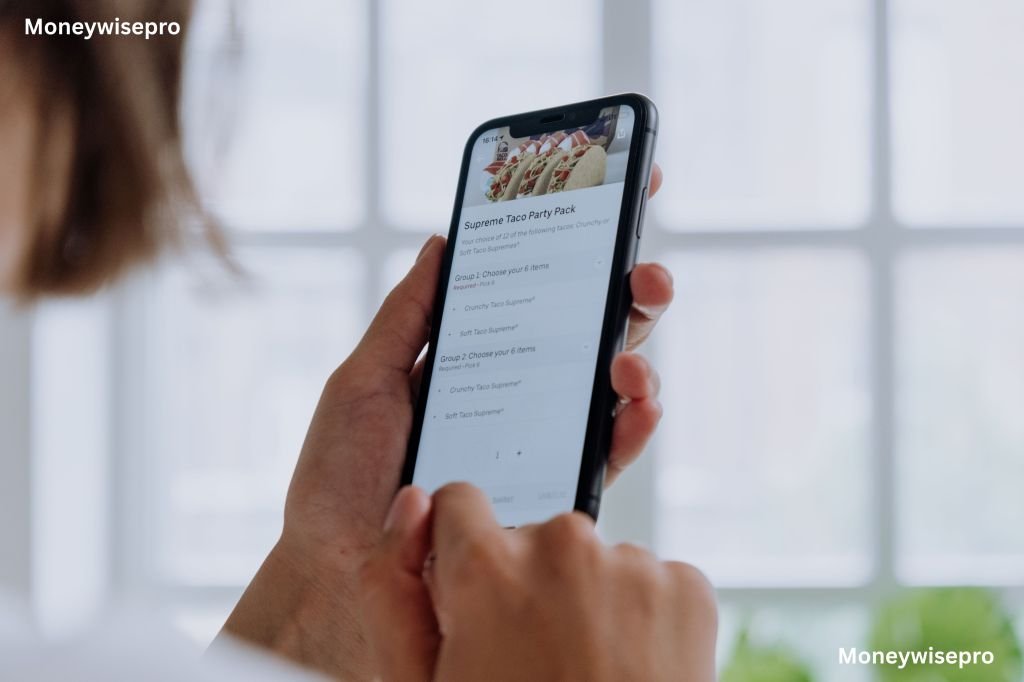
    A person checking a food delivery app and payment options on a smartphone at home

    Here’s where the credit score part actually gets real. For years, most BNPL providers didn’t report short-term “Pay in 4” plans to the major credit bureaus at all, which is part of why the apps felt consequence-free. That’s starting to change, though not the way most people assume. According to Credit Karma’s explanation of BNPL credit reporting, Affirm began reporting new installment loans to Experian in April 2025 and TransUnion in May 2025. Equifax has not joined that rollout yet, and in May 2026, US senators sent Equifax a formal letter asking exactly how it plans to handle BNPL data going forward. So does buy now pay later on DoorDash affect your credit score? Increasingly, for some bureaus, yes, especially if a payment is missed or a plan goes to collections.

    The bigger issue isn’t one missed $10 payment. It’s what happens when someone is running four or five of these plans at once across different apps, which is now common. Each individual plan looks small. Add them together with rent, a phone bill, and a car payment, and the math stops working quietly, without anyone noticing until a payment bounces.

    The fix for that blind spot does not have to be complicated. The BNPL Stack Tracker is a $9 fillable PDF built for exactly this kind of stacking, one page for every open plan, so a food delivery split shows up next to the furniture payment and the phone installment instead of hiding inside five different apps.

    A person reviewing bills and grocery receipts at a kitchen table looking concerned

    This isn’t happening in isolation. According to LendingTree’s 2026 BNPL Tracker, 47% of BNPL users say they’ve paid late on a loan in the past year, up from 41% in 2025 and 34% the year before that. The same report found grocery use is climbing fast too: a separate February 2026 LendingTree survey found 25% of BNPL users are now buying groceries with it, nearly double the 14% rate from a year earlier.

    That grocery shift matters more than it might seem. Groceries and food delivery are recurring, necessary expenses. Financing recurring necessary expenses on a payment plan is a pattern that’s much harder to walk back than financing a one-time purchase like a couch or a laptop.

    Worth knowing: this isn’t the only recent shift affecting how Americans handle everyday spending.
    Why Most Americans Fail at Saving. And the One Habit That Changes Everything.

    DoorDash’s partnership with Klarna, first rolled out for delivery orders and expanded from there, made this mainstream fast. What used to be a niche option for electronics or furniture is now sitting right next to the “place order” button for a burrito. The convenience is real. So is the fact that this normalizes debt for something you’d otherwise just decide you can’t afford tonight.

    To be fair, not every use of BNPL on food delivery is reckless. Someone splitting a one-time large catering order for a family event into two payments, paid on schedule, isn’t creating a problem. The plans are also genuinely interest-free if paid on time, unlike a credit card carrying a balance. The danger isn’t the tool itself. It’s using it as a workaround for a budget that’s already too tight, on purchases that repeat every single week.

    This is why keeping every open plan visible matters more than any single payment.
    Personal Loans: The New Debt Trap Americans Are Walking Into

    If you’re wondering does buy now pay later on DoorDash affect your credit score for your own situation, the practical test is simple: could you have paid for this order today, in full, without the split? If yes, the four-payment option is just a convenience. If no, that’s the actual signal worth paying attention to, not the payment plan itself.

    There’s a simple way to catch this before it becomes a real problem. Before opening a new plan on a food order, check how many BNPL plans are already active across every app, not just the one in front of you. Most people underestimate this number because each app only shows its own plans, never the full picture across Klarna, Afterpay, and Affirm combined.

    Grocery bags and food delivery packaging sitting on a kitchen counter after arrival

    If BNPL is already part of how you manage food or grocery spending, seeing every open plan in one place beats trusting memory across three or four different apps. The free BNPL Payment Tracker lays that out on one simple page, no cost, instant download.

    Metric20252026
    Paid late on a BNPL loan in past year41%47%
    BNPL used for groceries14%25%
    Reports to Experian / TransUnionRolling outActive (Affirm)
    Reports to EquifaxNoNot yet, under review

    None of this means BNPL should be avoided entirely, or that everyone using it is in trouble. It means the four-easy-payments pitch was built for furniture and electronics, not for a meal you’ll finish in twenty minutes. That gap between the pitch and the product is exactly where people get into trouble without meaning to.

    Nobody splits a $40 dinner into four payments because they planned to. It usually starts as a one-time convenience and quietly becomes a habit before anyone notices the pattern.

    So the next time an app offers to split your dinner into four payments, what’s the real question you should be asking yourself before you tap yes?

    Disclaimer: This article is for general informational purposes only and does not constitute financial advice. BNPL terms, fees, and credit reporting practices vary by provider. Consult a licensed financial advisor for guidance specific to your situation.

  • You Might Not Get a 1099-K This Year — That Doesn’t Mean You’re Off the Hook

    You Might Not Get a 1099-K This Year — That Doesn’t Mean You’re Off the Hook

    Why didn’t I get a 1099-K this year? If you sold something online, drove for a rideshare app, or freelanced on the side in 2026, you might be asking yourself exactly that.

    For years, the rule everyone braced for was simple: earn more than $600 through PayPal, Venmo, Etsy, or similar platforms, and a 1099-K would show up in your inbox. That threshold never actually took effect. In July 2025, a new law reversed course completely, and most people never got the memo.

    Person looking confused while reviewing tax paperwork at a desk

    Here’s what actually changed. According to Fidelity’s breakdown of the new rules, the One Big Beautiful Bill Act restored the original 1099-K threshold: $20,000 in payments and more than 200 transactions in a year. That’s a massive jump from the $600 figure that had been widely reported and expected for 2026.

    This law reversal didn’t happen quietly either. Avalara’s analysis of the legislation confirms the Act fully repealed the lower $600 threshold that the American Rescue Plan Act had set back in 2021, restoring the pre-2021 rule instead of just delaying it again. This matters because a lot of side hustlers spent the last two years preparing for a form that was never going to show up at the lower threshold. Someone who sold $3,000 worth of items on Etsy or made $1,800 driving part-time this year likely won’t get a 1099-K at all under the current rule.

    Person packaging items for an online sale, representing side hustle or small business income

    Worth knowing: this isn’t the only recent shift affecting people earning extra money on the side.
    45% of Americans Have a Side Hustle Now. Here’s Why (And Whether You Need One Too).

    Here’s the part that trips people up. Not getting a 1099-K does not mean that income is tax-free. A guide from Tab Service Company on the 2026 rules puts it directly: thresholds determine when a platform has to file a form, not what income is actually taxable. Every dollar earned from a side hustle is still reportable, whether or not paperwork shows up confirming it.

    This distinction matters even more for the platforms the examples above don’t quite cover, like Facebook Marketplace, Poshmark, and Mercari, where most sellers are just clearing out a closet, not running a business. According to the IRS’s own guidance on Form 1099-K, selling a personal item for less than you originally paid for it isn’t taxable at all. You’re allowed to zero out that reported amount on Schedule 1 of your return instead of paying anything on it, since a form showing up doesn’t automatically mean a profit was made. A gain only shows up if you sold something for more than you originally paid, which is rare for used furniture, old electronics, or worn clothing.

    This same declutter-for-cash habit already saves a lot of people real money before taxes even enter the picture.
    60% of Americans Bought Secondhand Last Year, and 8 in 10 Say It’s About Money, Not the Planet. I’ve Been Doing This My Whole Life.

    There’s a second, separate change worth knowing about too. Forms 1099-NEC and 1099-MISC, the ones businesses use to report payments to contractors directly, had their own threshold raised from $600 to $2,000 starting this tax year. That’s a different form covering different situations, mainly freelance and contract work paid outside of apps like PayPal or Venmo.

     Person working as a freelancer on a laptop at a home office desk

    Not every state follows the federal threshold either. Some states set their own, lower reporting requirements for 1099-K regardless of what the federal rule says. A resident earning side income in one of those states could still receive a form even while the federal threshold sits at $20,000. Checking state-specific rules matters just as much as the federal number here.

    This is why keeping personal records matters more than waiting on paperwork.
    Your Emergency Fund Isn’t What It Used to Be. Here’s What Changed.

    Some tax professionals see the higher threshold as reasonable relief for casual sellers and small earners who never should have needed a tax form for reselling used furniture or old electronics. Others point out that the swinging thresholds over the past several years, first dropping, now jumping back up, have made it genuinely hard for anyone to know what to expect year to year. Both points are fair. The practical result is the same regardless: fewer forms are being issued, but the underlying tax obligation hasn’t moved at all.

    Nobody enjoys tracking income by hand when a form was supposed to do it automatically. That extra step feels unnecessary right up until the year it turns out to matter.

    Since side income this year might come from three or four different apps at once, piecing it together from memory next April is the hard way to do it. A free tracker built for exactly this kind of running total takes less time to set up than digging through a year of Venmo notifications later.

    The simplest fix costs nothing and takes minutes a week. Keep a running log of side income as it comes in, whether that’s a notes app, a spreadsheet, or a notebook by the desk. Include the date, the source, and the amount. Come tax season, that log matters more than whichever forms happen to show up.

    Form TypePre-2025 Plan2026 Rule (Current)Who It Affects
    1099-K (PayPal, Venmo, Etsy, Cash App)$600, no transaction minimum$20,000 + 200 transactionsCasual sellers, gig workers, small resellers
    1099-NEC (direct contractor payments)$600$2,000Freelancers paid directly, not through apps
    1099-MISC (misc. business payments)$600$2,000Royalties, rents, other business payments
    State-level 1099-K rulesN/AVaries — some states below $20,000Residents of states with stricter local rules

    The rules changed twice in three years. The responsibility to report side income never did.

    Did you expect a 1099-K this year, and were you surprised by what actually applies to your situation?

    Disclaimer: This article is for general informational purposes only and does not constitute tax or legal advice. Tax rules vary by individual circumstances and state of residence. Consult a licensed tax professional for guidance specific to your situation.

  • How to Track Multiple Buy Now Pay Later Apps Without Losing Track of What You Owe

    How to Track Multiple Buy Now Pay Later Apps Without Losing Track of What You Owe

    Why is tracking Buy Now Pay Later payments so confusing? The answer is simple: each app runs on its own schedule, pulls from the same bank account, and has no idea the others exist.

    Klarna, Afterpay, Affirm, Zip, Sezzle — most BNPL users aren’t using just one. A typical shopper juggling three or four active plans at once has effectively taken on a second, invisible payment calendar that no single app shows them in full.

    Person looking at multiple finance apps on a phone, trying to track separate payments

    Here’s what makes this worse in 2026. According to CNBC Select’s review of the top BNPL providers, FICO started factoring BNPL loans into credit scores in late 2025. That means the payment tracking problem isn’t just about avoiding overdraft fees anymore. Missed or overlapping BNPL payments can now show up on a credit report the same way a missed credit card payment would.

    Most advice on this topic stops at “just be careful.” A guide from EarnIn on managing multiple BNPL plans puts it plainly: keep all active plans visible in one place, and avoid juggling multiple plans at once because overlapping payments can add up fast. That’s the right idea, but it doesn’t say how to actually see them all at once when each app only shows its own schedule.

    Calendar with payment due date reminders marked, representing BNPL payment tracking

    Three ways people actually try to solve this:

    1. Checking each app individually. This works until it doesn’t. The moment someone has three or four plans running, checking each app separately before every purchase or bill payment becomes its own task, and it’s the first thing people stop doing once life gets busy.

    2. A spreadsheet. More reliable than memory, but it requires building the structure yourself, remembering to update it after every purchase, and doing the math manually to check for overlapping due dates.

    3. A dedicated one-page tracker. This is the middle ground: less setup than a spreadsheet, more complete than checking apps one by one, and built specifically to catch the problem before it becomes a fee.

    Worth knowing: BNPL debt rarely feels like debt until multiple payments land the same week.
    Buy Now, Pay Later Looked Smart. Here’s Why It’s Becoming a Debt Problem for Millions.

    The core problem isn’t any single app. It’s that none of them talk to each other, and a bank account doesn’t care which app is pulling money on a given day, only that enough is there when it happens.

    Person writing payment details into a planner or tracking sheet by hand

    A simple fix that works regardless of which method someone picks: check every active BNPL plan on the same day each week, write down the app, the amount, and the next due date in one place, and add them up against the next 14 days of expected bank balance. That single number, one number, catches most collision problems before they become a fee.

    This is why a dedicated tracker helps more than a general budgeting app. Most budgeting apps are built to categorize spending after it happens. What actually prevents an overdraft is seeing what’s coming before it hits, specifically the next two weeks, specifically across every BNPL app at once.

    For anyone who wants a version of this already built rather than starting from a blank spreadsheet, the BNPL Stack Tracker is a $9 fillable PDF that does exactly this: one page for every open BNPL account, one page to catch 14-day payment collisions before they trigger a fee, and one page to decide which apps are actually worth keeping.

    MethodSetup TimeCatches Overlapping PaymentsOngoing Effort
    Checking each appNoneNoRepeated, easy to skip
    Spreadsheet20-30 minYes, if built correctlyManual updates each time
    Dedicated tracker5 minYes, built inWeekly check

    “Nobody sets out to lose track of four different payment schedules on purpose. It happens gradually, one convenient checkout button at a time, until the due dates stop lining up with the bank balance. That gap between what people think they owe and what’s actually scheduled to leave their account is where the real damage happens. It’s not a math problem until it suddenly is.

    How many BNPL apps do you currently have open, and could you name all of their next due dates right now without checking your phone?

    Disclaimer: This article is for general informational purposes only and does not constitute financial advice. BNPL terms, fees, and credit reporting practices vary by provider. Consult a licensed financial advisor for guidance specific to your situation.

  • 401(k) Balances Just Hit a Record High — So Did Emergency Withdrawals From Them

    401(k) Balances Just Hit a Record High — So Did Emergency Withdrawals From Them

    Something strange happened with American retirement accounts in 2025. Balances hit an all-time high. So did the number of people raiding those same accounts just to survive.

    Vanguard’s newest report found the average 401(k) balance climbed to $167,970 by the end of 2025, a record. At the same time, 6% of plan participants took a hardship withdrawal that same year, also a record, and triple the rate from before the pandemic.

    Those two numbers shouldn’t move together. One says people are saving more than ever. The other says a growing share of them can’t make it through a crisis without pulling from that same account.

    Person looking stressed while reviewing a retirement account balance statement

    Here’s what’s driving the gap. According to Yahoo Finance’s coverage of Vanguard’s How America Saves report, layoffs surged to their highest level since the pandemic in 2025, and credit card delinquencies hit a 13-year high. Rising retirement balances came mostly from strong stock market gains and automatic enrollment features, not from people having more spare cash to set aside. The savings and the desperation grew from two completely different sources.

    Most hardship withdrawals aren’t going toward anything optional. The IRS recognizes six approved reasons for a hardship withdrawal, and the top ones are medical bills, preventing eviction or foreclosure, and funeral costs. This isn’t a luxury purchase problem. It’s people using retirement money as a last resort because nothing else was left.

     Eviction or foreclosure notice paperwork laid out on a table

    Worth knowing: an emergency fund exists specifically to prevent this exact situation from happening to your retirement money.
    Your Emergency Fund Isn’t What It Used to Be. Here’s What Changed.

    The real cost of a hardship withdrawal isn’t just the tax bill, though that part hurts too. A TheStreet analysis of the Vanguard data found that a 35-year-old who pulls out $10,000 today loses more than $76,000 in future growth by retirement age, assuming a standard 7% annual return. A 45-year-old taking a $20,000 withdrawal loses roughly $77,400 in potential growth over the shorter remaining timeline. Unlike a 401(k) loan, a hardship withdrawal can never be paid back into the account.

    Not every financial planner sees this trend as purely alarming. Some point out that the same report shows record numbers of employees enrolled in retirement plans, and stronger long-term investing behavior overall, with only 5% of participants making trades even during market volatility. The system is working as designed for a lot of people. It’s the growing minority pulling out early that’s the concerning half of the story.

    Financial advisor discussing retirement options with a client at a desk

    Think about: the earlier you build a real safety net outside your retirement account, the less likely you are to ever need to touch it early.
    You’re Allowed to Save an Extra $7,500 for Retirement. Most People Don’t.

    If you’re facing a real emergency and a hardship withdrawal feels like the only option, a few alternatives are worth checking first. A 401(k) loan lets you pay yourself back over time instead of losing the money permanently, though it comes with its own risks if you leave your job before repaying it. Some employers also offer emergency savings features built directly into the retirement plan now, specifically designed to prevent people from needing to touch their long-term savings at all.

    Nobody takes money out of their own retirement account because they want to. It’s usually the last option left standing after everything else has already been tried.

    Metric202020242025
    Hardship withdrawal rate2%5%6% (record)
    Average 401(k) balanceLowerRising$167,970 (record)
    Cost to a 35-year-old on $10K withdrawal~$76,000 in lost growth

    A record balance and a record withdrawal rate happening in the same year isn’t a contradiction. It’s a picture of an economy where some people are getting ahead, and others are barely holding on, using the same accounts to do both.

    Have you ever had to consider pulling money from a retirement account early, and what did you end up doing instead?

    Disclaimer: This article is for general informational purposes only and does not constitute financial or tax advice. Retirement account rules and tax consequences vary by individual circumstances. Consult a licensed financial advisor or tax professional for guidance specific to your situation.

  • How to Use Record-High Apartment Vacancies to Negotiate Your Rent Down in 2026

    How to Use Record-High Apartment Vacancies to Negotiate Your Rent Down in 2026

    Why does everyone assume rent only goes up? That assumption made sense for years. It doesn’t anymore, at least not everywhere, and most renters have no idea the numbers just shifted in their favor.

    Apartment vacancies hit a record 8.6% in early 2026, up from 7.2% just months earlier. That means landlords have more empty units sitting unrented than they’ve had in years, and empty units cost landlords money every single day they stay empty.

    I remember signing a lease years ago without asking a single question about the price, because it never occurred to me that the number on the page wasn’t final. Looking back, that assumption cost me more than it should have.

    Person reviewing a lease agreement while considering negotiating the rent price

    Here’s why this matters for you directly. When vacancy rates climb this high, according to CoStar Group’s 2026 Multifamily National Report, property managers often extend more concessions just to fill units. That includes waived fees, a free month of rent, or flexibility on the monthly price itself, especially in buildings that have sat vacant for weeks.

    This isn’t happening everywhere the same way. National rent growth slowed to just 0.4% year over year, way down from 1.5% the year before, but the picture changes city by city. Places like Chicago, Cincinnati, and Philadelphia are still seeing real increases, while other markets are flat or even falling. Checking your specific city’s vacancy trend, not just the national headline, tells you how much leverage you actually have.

    Apartment building with a for rent sign, showing an empty unit available

    Worth knowing: rent isn’t the only monthly cost quietly climbing while your paycheck stays flat.
    Your Paycheck Isn’t Keeping Up With Inflation. Here’s Why.

    Not everyone agrees renters have real power right now. Some housing economists point out that the number of renters facing serious cost burdens just hit a record high too, according to Harvard’s Joint Center for Housing Studies, which means plenty of people don’t have the financial room to walk away from a bad offer even if a landlord won’t budge. Having leverage on paper and being able to use it are two different things when your budget is already tight.

    So how do you actually negotiate? Start by researching what similar units in your building or neighborhood are renting for right now, not what they rented for a year ago. Bring that number with you. Landlords expect prepared tenants to know the market, and vague requests rarely go anywhere.

    Person having a conversation with a landlord or property manager about lease terms

    Timing matters just as much as the number. Fall and winter tend to be slower rental seasons, which means less competition and more room for landlords to say yes. If your lease renewal falls during a slow season, that’s the moment to ask, not after signing for another year at the old terms.

    Think about: any extra room in your monthly budget matters more once you actually have it.
    Your Emergency Fund Isn’t What It Used to Be. Here’s What Changed.

    Nationally, nearly 40% of rental listings now include some kind of concession, and Zillow estimates renters save $1,930 on average when they land a free month of rent.

    If a lower monthly rate isn’t on the table, ask about concessions instead. A free month, waived application or amenity fees, or a locked-in rate with no increase at renewal can all be worth more over a year than a small monthly discount. Landlords sometimes have more flexibility on these than on the sticker price itself.

    Nobody enjoys the awkwardness of asking a landlord for a better deal. That discomfort is real, and it’s usually smaller than the cost of staying quiet for another year.

    Metric20252026
    National vacancy rate7.2%8.6%
    National rent growth (YoY)1.5%0.4%
    U.S. average rent~$1,600$1,663

    The market shifted. Most renters haven’t caught up to that fact yet, and landlords aren’t going to be the ones to point it out.

    Have you ever tried negotiating your rent, and did it actually work?

    Disclaimer: This article is for general informational purposes only and does not constitute financial or legal advice. Rental markets and lease terms vary significantly by city and property. Consult a licensed real estate professional or tenant rights organization for guidance specific to your situation.