
Author: naso0or89qtr

  • I Almost Fell Into the “Buy Now, Pay Later” Trap. Here Is What Stopped Me.

    I Almost Fell Into the “Buy Now, Pay Later” Trap. Here Is What Stopped Me.

    I was at checkout. Online. Buying something I did not really need.

    The total came to $120.

    Then I saw it.

    “Pay in 4 — only $30 today.”

    My finger was right there. Ready to click.

    $30 sounded so easy. So small. So harmless.

    Do you know that feeling? When the small number makes the big number disappear?

    I almost clicked it.

    Then something stopped me. I want to tell you what it was.


    Why This Trap Is Everywhere Right Now

    I am not the only one tempted by this.

    More than half of Americans have used these “buy now, pay later” plans for online shopping.

    Half.

    And the people who use it most? People who are already struggling to pay their bills.

    That part scared me.

    It is not helping people who have extra money lying around.

    It is catching people who are already stretched thin.

    People like me.


    Why It Feels So Easy

    Have you ever noticed how these apps never say “you are going into debt”?

    They say “Pay in 4.” They say “0% interest.” They say “easy payments.”

    They never show you the full price clearly.

    They break it into pieces so your brain stops doing the math.

    $120 feels heavy.

    $30 feels like nothing.

    But $30 four times is still $120. Math does not change just because they hide it from you.


    What Actually Stopped Me

    I asked myself one simple question.

    “If I had to pay $120 right now, in full, today — would I still buy this?”

    The honest answer was no.

    If I would not pay it all today — I do not actually need it today.

    I closed the tab.

    Learn more: Personal Loans: The New Debt Trap

    Before you spend anything, there’s a free version worth grabbing first. It’s a one-page tracker that lists every BNPL payment you owe, so you can see the full picture before deciding what to do next.

    A Simple Tool If You’re Already Juggling a Few of These

    If BNPL is already part of your life and you’re using more than one app at once, tracking them by memory gets risky fast. Klarna, Afterpay, Affirm — they all pull from the same bank account on different days, and none of them can see what the others are doing.

    The BNPL Stack Tracker is a simple fillable PDF that puts every payment you owe in one place, plus a 14-day calculator that catches overdraft risk before it happens. Check it out here — $9, instant download.


    What Happens When People Miss a Payment

    This is the part nobody tells you when you click “Pay in 4.”

    Miss one payment and you get hit with late fees.

    Miss enough payments and it can hurt your credit score.

    Keep missing and it can go to collections.

    That “harmless” $30 can turn into a real problem fast.


    3 Questions I Now Ask Myself Before Buying Anything

    1. Could I pay the full price today, right now, in cash?

    If yes — maybe it is okay.

    If no — I probably cannot afford it yet.

    2. Will I still want this in 30 days?

    Most things I almost bought online — I forgot about within a week.

    3. Am I buying this because I need it, or because the payment looks small?

    Be honest with yourself here. This one matters the most.


    What I Do Instead Now

    When I see something I want but cannot pay for today — I do not buy it on credit.

    I write it down in my notes app instead.

    A list called “Things I Want.”

    If I still want it in two weeks, with my own real money — I buy it then.

    Most of the time? I never go back to that list.


    You Are Not Weak for Almost Falling for This

    If you have used buy now pay later before — I am not judging you.

    These apps are built by smart people whose entire job is to make spending feel painless.

    It is not your fault that it works.

    But now you know the trick. And once you know it — it stops working on you the same way.


    ScenarioUpfrontLate Fee RiskTotal CostCredit Impact
    Pay in Full Today$120None$120None
    BNPL (on time)$30 × 4 = $120None$120None
    BNPL (miss payment)$30 × 3$35$155+Negative
    Missed Payments (collections)$30 × 2$50+$180+Major Damage

    Your Turn

    Have you ever used a “Pay in 4” or buy now pay later plan?

    How did it go for you? Did it help, or did it sneak up on you?

    Tell me in the comments. I want to know I am not the only one this almost caught.

    See also: Your Income Doesn’t Affect Your Credit Score

    Disclaimer: This article is for educational purposes only and should not be considered as financial advice. Everyone’s financial situation is unique. Consult with a qualified financial advisor before making investment decisions.
  • Gas Prices Are Destroying My Budget. Here Is How I Am Fighting Back.

    Gas Prices Are Destroying My Budget. Here Is How I Am Fighting Back.


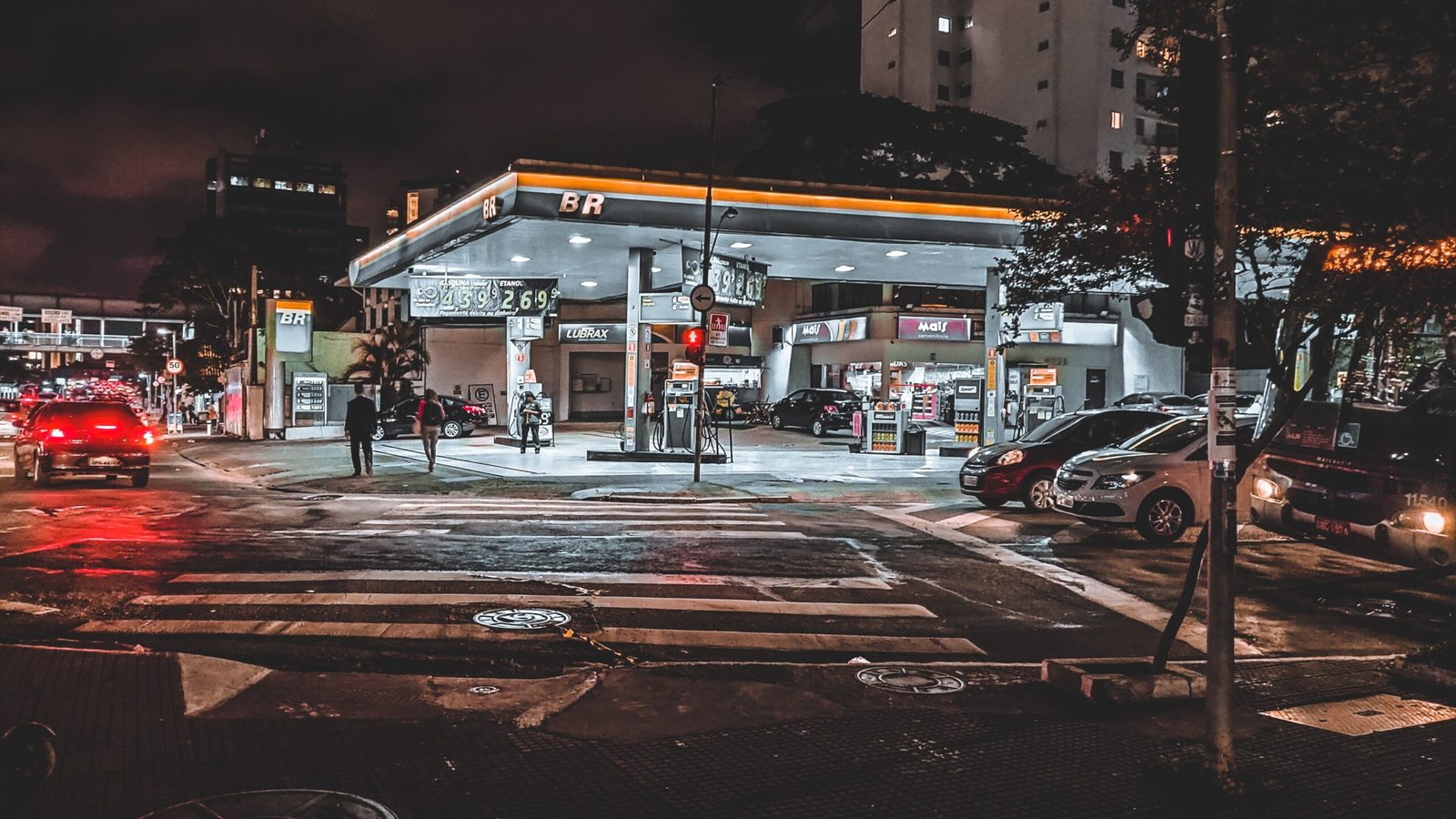
    I filled up my tank last week.

    I stood there watching the numbers go up.

    $20. $40. $60.

    It did not stop.

    $78.

    For one tank of gas.

    I did not go anywhere special. I did not take a trip. Just my normal week. Taking the kids to school. Going to the store. Normal life.

    $78.

    Do you remember when filling up your tank cost $40? I do. And I miss those days.

    Gas prices went up almost 30% this year. Nobody asked us. Nobody warned us. It just happened.

    And our paychecks? They stayed exactly the same.

    So I had two choices. I could complain about it every day. Or I could do something about it.

    I chose to fight back.

    Here is exactly what I did. And how much money it actually saved me.


    1. I Found the Cheapest Gas Station Near Me

    I used to stop at whatever gas station was closest.

    I never thought about the price difference.

    Big mistake.

    Have you ever checked if a cheaper station is just 2 minutes away?

    I downloaded a free app called GasBuddy. It shows every gas station near me and their exact price right now.

    Sometimes the difference is 25 cents per gallon.

    On a 15 gallon tank — that is $3.75 saved every single time I fill up.

    Every. Single. Time.

    Download GasBuddy. It is completely free. It takes 2 minutes to set up.


    2. I Started Filling Up on Monday or Tuesday

    Did you know gas prices change depending on the day?

    I did not know this either until I started paying attention.

    Prices are lowest on Monday and Tuesday mornings.

    They go up on Thursday and Friday when people plan their weekend trips.

    Now I always fill up at the start of the week.

    Same gas. Same car. Lower price.

    When did you last fill up? Was it a Friday?

    Learn more: I Was Shocked When I Saw My Grocery Bill

    3. I Combined All My Errands Into One Trip

    This one saved me more money than anything else on this list.

    I used to make separate trips for everything.

    Store. Come home. Pharmacy. Come home. Pick up kids. Come home.

    Every extra trip burns money.

    Now I sit down on Sunday night and plan my whole week.

    One big loop. Everything done in one trip.

    I cut my driving by almost 30%.

    Think about your week right now. How many extra trips do you make that you could combine?


    4. I Slowed Down on the Highway

    I know. Nobody wants to hear this.

    But listen.

    Driving at 80 miles per hour uses 25% more gas than driving at 65.

    Your engine works much harder at high speed.

    I started driving at 65 instead of 75 or 80.

    I arrive maybe 8 minutes later.

    But my tank lasts almost 3 days longer.

    Is 8 minutes worth $15 to you?


    5. I Checked My Tire Pressure

    This one sounds strange. I know.

    But low tires make your engine work harder.

    Harder engine means more gas burned.

    The fix is free and takes 5 minutes.

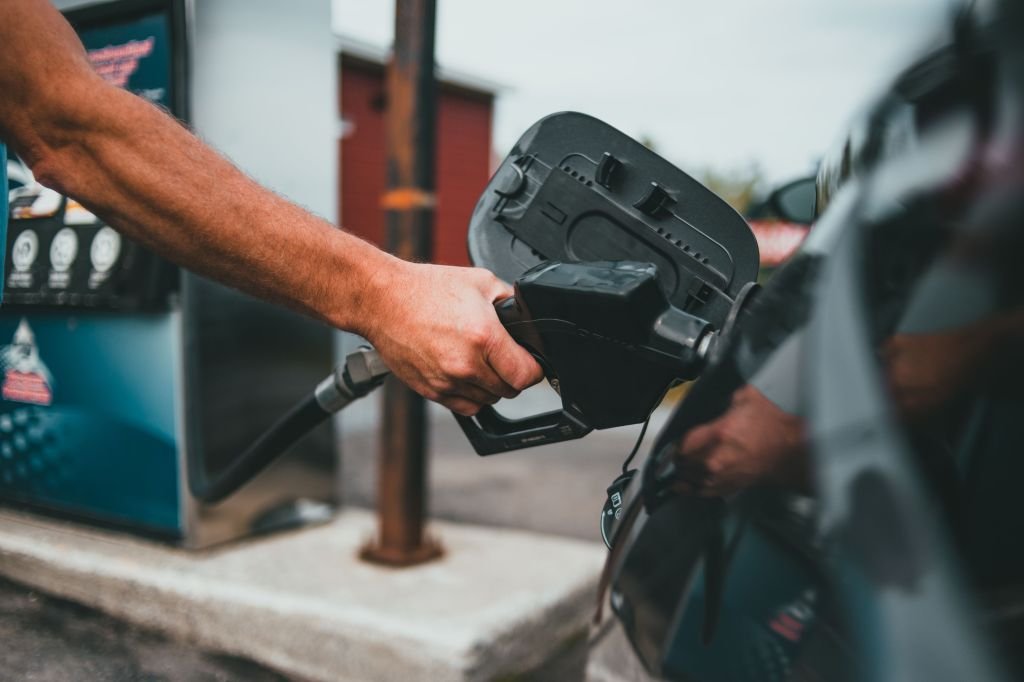
    Go to any gas station. Use the free air pump. Fill your tires to the number printed on the sticker inside your car door.

    Properly inflated tires save up to 3% on gas.

    That is real money for doing almost nothing.


    6. I Used My Grocery Store Gas Rewards

    I had no idea this existed.

    My neighbor told me about it and I felt stupid for missing it.

    Many grocery stores give you points when you shop.

    Those points turn into cents off per gallon at their gas stations.

    I saved 40 cents per gallon last month.

    Just from grocery shopping I was already doing.

    Does your grocery store have a rewards program? Check right now. Sign up if they do. It is free.

    See also: Average American Owes $6,715 in Credit Card Debt


    7. I Stopped Topping Off My Tank

    Every time the pump clicked off — I used to keep going.

    Just to get it perfectly full.

    Turns out that extra gas goes into a vapor recovery system.

    You paid for it. Your car never used it.

    Now I stop the moment the pump clicks.

    Small thing. Real savings.


    Here Is The Real Money I Saved

    Table 1 – Individual Methods:

    MethodMonthly SavingsAnnual Savings
    Cheapest station$15$180
    Fill Mon/Tue$18$216
    Combine errands$80$960
    Slower driving$60$720

    Table 2 – Small Wins:

    MethodMonthly SavingsAnnual Savings
    Tire pressure$10$120
    Grocery rewards$24$288
    Stop topping off$5$60
    TOTAL$212$2,544

    Before — I was spending about $320 a month on gas.

    After these 7 changes — about $235 a month.

    That is $85 saved every single month.

    More than $1,000 every year.

    I did not buy a new car. I did not stop driving. I did not suffer.

    I just changed a few small habits.

    And the money stayed in my pocket where it belongs.


    Your Turn

    The people winning with gas prices aren’t waiting for prices to drop. They’re taking action with what they control right now.

    Which one of these will you try this week? Just pick one. Try it. Then come back and tell me in the comments — did it work for you?

    And if you have a tip I did not mention — drop it below. I read every single comment.

    Let us figure this out together.

    Disclaimer: This article is for educational purposes only and should not be considered as financial advice. Everyone’s financial situation is unique. Consult with a qualified financial advisor before making investment decisions.

  • I Used to Live Paycheck to Paycheck. Here Is What Finally Broke the Cycle

    I Used to Live Paycheck to Paycheck. Here Is What Finally Broke the Cycle

    I remember sitting at my kitchen table staring at my bank account.

    Zero dollars. And rent was due in three days.

    I felt sick. I felt ashamed. I felt like no matter how hard I worked — there was never enough money left at the end of the month.

    Does that sound familiar to you?

    Right now, more than half of Americans are living paycheck to paycheck. Working hard every single day. And still running out of money before the month runs out.

    I was one of them. For years.

    But something finally changed. And today I want to share exactly what broke the cycle for me.


    First — Why Does This Keep Happening?

    It’s not because you’re lazy. It’s not because you don’t work hard enough.

    The real reason is simple: Your money has no plan.

    Every month, money comes in. And money goes out. But nobody is telling that money where to go. So it just… disappears.

    On coffee. On subscriptions you forgot about. On small purchases that feel like nothing but add up to everything.

    Sound familiar?


    The Moment Everything Changed For Me

    One day I sat down and wrote every single thing I spent money on.

    Everything.

    Coffee. Lunch. That app I never use. The subscription I forgot I had. Everything.

    I was shocked.

    I was spending over $300 a month on things I did not even remember buying.

    That was the moment I realized — I did not have an income problem. I had a spending awareness problem.


    Here Is What I Did — Step By Step:

    Step 1 — I Wrote Down Every Dollar

    For one full week I wrote down every single thing I spent money on. Every coffee. Every snack. Every online purchase.

    No judgment. Just honesty.

    Try it. You will be shocked at what you find.

    Learn more: I Was Shocked When I Saw My Grocery Bill

    Step 2 — I Found My “Money Leaks”

    After that week I looked at my list and circled everything that was not necessary.

    These are your money leaks. Small holes that drain your account every single month without you noticing.

    For me it was:

    • 3 streaming services I barely used
    • A gym membership I had not used in 4 months
    • Daily coffee runs that cost me $90 a month

    I cancelled all of it. Same day. That one week of awareness saved me $300+ per month.

    Step 3 — I Paid Myself First

    This one changed everything.

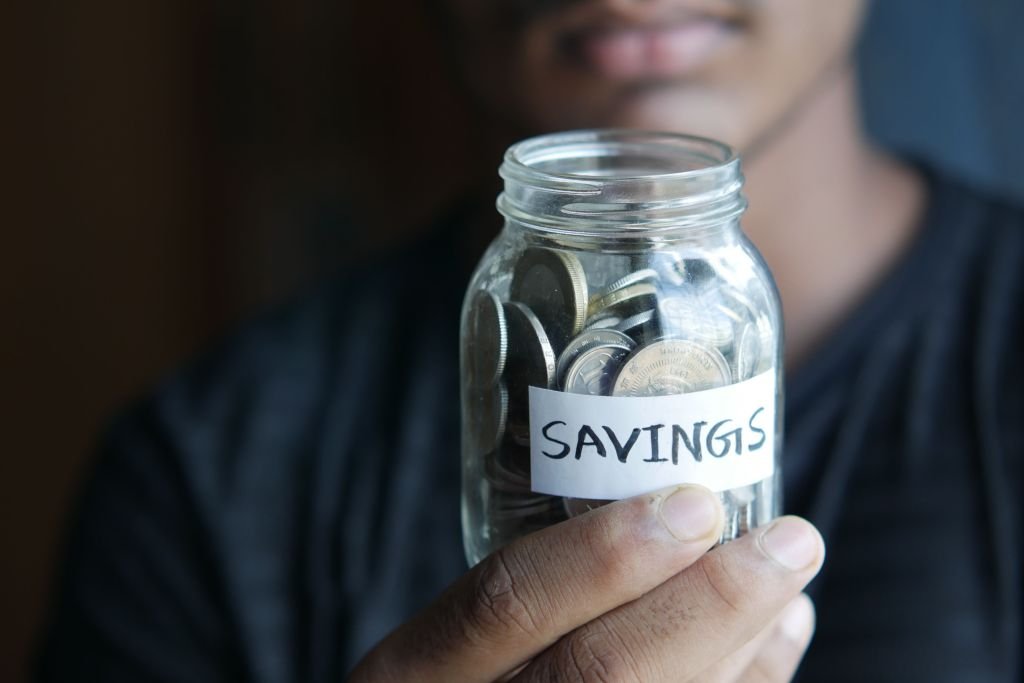
    The moment my paycheck arrived — before I paid anything else — I moved $50 into a separate savings account.

    Just $50. That is it.

    Not $500. Not $200. Just $50.

    I pretended that money did not exist.

    After 3 months I had $150 saved. It was the first time in years I had money that was not already spoken for. That feeling changed everything for me psychologically.


    Step 4 — I Started Using a Budget Framework

    When I looked at how I spent money, I noticed something.

    Many people use a budgeting framework where they split income into categories. Some use 50/30/20 (50% needs, 30% wants, 20% savings). Others use different splits like 70/20/10 or 60/25/15.

    The point isn’t which ratio is “right” — it’s finding one that works for YOUR life.

    I experimented with a few different splits until I found one where I could actually stick to it. That consistency was more important than the perfect formula.

    Comparison: Common Budget Splits

    FrameworkNeeds/Wants/SavingsBest For
    50/30/2050/30/20Moderate income
    60/25/1560/25/15Lower income
    70/20/1070/20/10Tight budget
    40/40/2040/40/20High earners

    The key: Pick one, test it for a month, adjust if needed. Consistency beats perfection.

    Step 5 — I Stopped Using Credit For Small Things

    Every time I used my credit card for something small — coffee, groceries, gas — I told myself it was fine.

    It was not fine.

    Those small charges added up to hundreds of dollars every month. Plus interest.

    I switched to cash for small daily purchases. When the cash was gone — it was gone. No more spending.

    The physical act of handing over cash made me think twice. Cards make spending too invisible.

    See also: Average American Owes $6,715 in Credit Card Debt


    What Happened After 3 Months

    I want to be honest with you.

    It was not easy at first.

    The first month I still overspent in some areas. But I was aware of it. And awareness is everything.

    By month two I was no longer stressed on the last week of the month.

    By month three I had savings in my account for the first time in years.

    Nothing dramatic. No lottery win. No miracle.

    Just small changes done consistently every single month.


    You Can Do This Too

    If you are living paycheck to paycheck right now — I want you to know something.

    It is not your fault that nobody taught you this.

    But it IS your responsibility to change it.

    Start with just one step today. Write down everything you spend for one week. Just that. Nothing else.

    That one step will open your eyes in a way nothing else can.

    The people who break free from paycheck-to-paycheck living aren’t the ones making more money. They’re the ones who became aware of where their money actually goes.

    So what’s stopping you from tracking your spending for just one week?

    Disclaimer: This article is for educational purposes only and should not be considered as financial advice. Everyone’s financial situation is unique. Consult with a qualified financial advisor before making investment decisions.
  • I Used to Struggle Paying My Bills Every Month. Here’s What Finally Changed.

    I Used to Struggle Paying My Bills Every Month. Here’s What Finally Changed.

    For years I thought I was just bad with money. Turns out — I just needed a few simple changes.

    Every month was the same.

    The bills came in. The paycheck ran out. And I sat there staring at my bank account wondering where it all went.

    Rent. Electric. Phone. Car. Groceries.

    By the 20th of the month I was already counting days until the next paycheck.

    Sound familiar?

    You’re not alone. Right now, almost half of Americans say they struggle to pay their monthly bills. Half. That’s your neighbor. Your coworker. Your friend.

    But here’s what nobody tells you — it’s usually not about how much you earn. It’s about a few small habits that nobody ever taught us.

    I found that out the hard way. And these are the things that actually changed everything for me.


    1. I Finally Wrote Down Every Single Bill

    I know. Sounds too simple.

    But I had never actually written all my bills in one place. They just… arrived. And I paid them. Or tried to.

    One night I sat down with a piece of paper and wrote every single monthly expense I had.

    Rent. Electric. Water. Phone. Internet. Subscriptions. Car payment. Insurance.

    The total shocked me.

    I was spending $400 more every month than I thought. No wonder I was always broke.

    Try this tonight: Get a piece of paper. Write every bill you pay every month. Add them up. The number will surprise you — I promise.

    Learn more: 10 Easy Ways to Save Money Every Month


    2. I Stopped Paying Bills Late

    Late fees are like a tax on being disorganized.

    Every late payment costs you $25, $35, sometimes $50. Do that with 3 bills a month and you’re throwing away $100 for nothing.

    I set up reminders on my phone for every single bill — 3 days before it was due.

    No more late fees. That’s $100 a month back in my pocket just from being organized.

    Try this: Set a phone reminder right now for your next bill due date. Just one. Start there.


    3. I Called My Internet Company and Asked for a Lower Rate

    This one felt scary. I almost didn’t do it.

    But my neighbor told me she called her internet company and just asked — “Is there anything cheaper available?”

    They gave her a $20 discount on the spot.

    I tried the same thing with my phone bill. The person on the phone offered me a different plan that saved me $15 a month.

    $35 a month saved. From two phone calls. Total time: maybe 20 minutes.

    Try this: Call one bill company this week. Just ask: “Is there a lower plan or any discounts available?” The worst they can say is no.


    4. I Made a “Bills First” Rule

    Before I spent any money on anything — food, clothes, fun, anything — the bills got paid first.

    Sounds obvious. But I used to pay bills whenever I remembered. Which meant sometimes I spent money on other things first and then didn’t have enough for bills.

    Now the day my paycheck arrives, bills come out first. Whatever is left is for everything else.

    This one change stopped 90% of my late payments immediately.

    Try this: Next payday — pay every bill first. Before anything else. Even before groceries. See how it feels.


    5. I Found One Bill I Could Cut Completely

    Look at your bill list from tip #1.

    Is there anything you don’t really need?

    For me it was a streaming service I watched maybe twice a month. $14 a month for almost nothing.

    I cancelled it. That’s $168 a year back in my pocket.

    One cancellation. Five minutes. $168 saved.

    Try this: Find just ONE bill to cut this month. Not five. Just one. Even $10 a month is $120 a year.

    HabitAnnual Savings
    Pay on time (vs late)$1,260

    6. I Started a “Bill Emergency” Savings

    Even $20 a month changes everything.

    Because before I did this, one unexpected bill — a car repair, a medical bill, anything — would destroy my whole month.

    Now I put $20 aside every payday specifically for unexpected bills. Just $20.

    After 6 months I had $240 sitting there. It’s not a lot. But it means one unexpected bill doesn’t ruin everything anymore.

    Try this: Open a separate savings account. Put just $20 in it this month. Label it “Bill Emergency.” Don’t touch it.

    See also: 53% of Americans Can’t Cover a $1,000 Emergency


    The Truth Nobody Tells You

    Struggling with bills doesn’t mean you’re bad with money.

    It usually just means nobody taught you these simple habits.

    I wasn’t bad with money. I was just disorganized. And once I got organized — everything changed.

    You can do the same thing. Start with tip #1 tonight. Just write your bills down.

    That one step will show you more about your money than anything else you’ve ever done.

    Which tip are you going to try first? Tell me in the comments — I really want to know. 👇


    If this helped you, share it with one person who needs it. It might change their month.

    Disclaimer: This article is for educational purposes only and should not be considered as financial advice. Everyone’s financial situation is unique. Consult with a qualified financial advisor before making investment decisions.

  • I Was Shocked When I Saw My Grocery Bill Last Week

    I Was Shocked When I Saw My Grocery Bill Last Week

    Prices are out of control. Here’s what I actually did about it.

    Okay so last Tuesday I went to the grocery store.

    Normal trip. Same stuff I always buy.

    I got to the checkout and the total was $187.

    For one week of groceries. For my family.

    I just stood there staring at the screen. I remember when the same cart used to cost me $120.

    That was maybe two years ago.

    Now everything costs more. Gas. Food. Electric bill. Everything.

    And my paycheck? Exactly the same.

    I know I’m not alone in this. Almost every American I talk to says the same thing right now.

    So I started making changes. Real ones. Not the “skip your morning coffee” nonsense you read online.

    Here’s what actually helped me.


    1. I Started Cooking Sunday Nights — and It Changed Everything

    I used to think meal planning was for organized people. Not me.

    But one Sunday I just cooked a big pot of rice, some chicken, and cut up vegetables. Took me maybe an hour.

    That food lasted four days.

    I didn’t go through a drive-through once that week. I saved maybe $60–$80 just from that one Sunday.

    Now I do it every week. It’s not perfect. Sometimes I’m tired and I order pizza anyway. But even doing it 3 weeks out of 4 makes a huge difference.

    You don’t have to be perfect. You just have to start.

    Learn more: 82% of Americans Changed How They Shop for Groceries


    2. I Found $73 in Subscriptions I Forgot About

    I’m embarrassed to even tell you this.

    I sat down one night and went through my bank statement line by line.

    I found a gym membership I haven’t used since January. A music app I thought I cancelled. Two free trials that turned into paid subscriptions without me noticing.

    $73 a month. Gone. For nothing.

    I cancelled everything that day. That’s $876 a year back in my pocket.

    Go check your bank statement right now. Seriously. I’ll wait.

    See also: 10 Easy Ways to Save Money Every Month


    3. Generic Brands Are Not the Enemy

    For years I bought the name brands. Felt like the generic stuff was somehow… worse?

    Then my sister told me — for most things, it’s made in the same factory.

    Same medicine. Same cereal. Same cleaning spray. Just a different label.

    I switched maybe 8 things to generic at the grocery store. My bill dropped by almost $40 that trip.

    I did a little test with my kids. Gave them the name-brand cereal and the generic one. They couldn’t tell the difference.

    Neither could I.


    4. The Cash Trick That Actually Works

    My cousin told me about this and I thought he was crazy.

    He takes out cash every week for groceries and spending money. When the cash is gone — he’s done spending. No card.

    I tried it for one month.

    I spent WAY less. Because when you hand over real dollars, you feel it. It hurts a little. And that pain makes you think twice.

    Cards are too easy. That’s the whole problem.


    5. I Started Shopping at Aldi

    Look — I used to feel a little embarrassed shopping at discount stores.

    Stupid, right?

    My neighbor told me she saves $200 a month just by switching from her regular supermarket to Aldi for most things.

    I tried it. She was right.

    Same food. Half the price. The store is smaller and less fancy. Who cares?

    Money is money.


    6. We Were Throwing Away $100 in Food Every Month

    My wife figured this out, not me.

    She noticed we kept buying vegetables and then throwing them away. Buying bread and letting it go stale. Making too much food and tossing the leftovers.

    She started keeping a little list on the fridge. What do we have? What needs to be eaten first?

    We stopped wasting so much food. And our grocery trips got smaller because we actually used what we bought.

    Simple idea. Big difference.


    7. I Picked Up One Small Side Gig

    This one changed everything more than any other tip.

    Saving money is important. But there’s a limit to how much you can cut.

    Earning more money? No limit.

    I started doing one small thing on the side — just a few hours a week. It brings in maybe $100–$200 extra a month.

    That extra money covers the gap that inflation created.

    You have skills too. Everyone does. Think about what you can do — drive, write, translate, teach, fix, design, clean — and find someone who needs it.

    Even $200 a month extra is $2,400 a year. That’s real money.

    Savings Summary

    MethodMonthly Savings
    Meal prep Sunday$60-80
    Cancel subscriptions$73
    Generic brands$40
    Cash trick$50-70
    Aldi switch$80-100
    Stop wasting food$50-75
    Side gig income$100-200
    TOTAL$453-598/month

    Read: Is Your Side Hustle Working, or Are You Just


    Look — Inflation Is Not Going Away Tomorrow

    But you’re not helpless either.

    Pick one thing from this list. Just one. Try it this week.

    See how it feels.

    Then next week, try another one.

    I’m not going to tell you it’s easy. It’s not. But it’s a lot easier than looking at a $187 grocery bill and feeling like there’s nothing you can do.

    There is something you can do.

    Start today.


    Which tip are you going to try first? Drop it in the comments — I’d love to know. And if this helped you, send it to one friend who needs it right now.

    Disclaimer: This article is for educational purposes only and should not be considered as financial advice. Everyone’s financial situation is unique. Consult with a qualified financial advisor before making investment decisions.

  • “5 Simple Ways to Save $100 This Month”

    “5 Simple Ways to Save $100 This Month”

    Do you ever look at your bank account and wonder — where did all my money go?

    I know that feeling. You work hard. You try to be careful. But somehow, money just disappears.

    The good news? You don’t need to make more money to save more money. You just need to stop small leaks.

    From tracking my own spending, I’ve found these 5 simple ways to save $100 this month — starting today.


    1. Delete One Subscription You Forgot About

    Go check your bank statement right now.

    I’ll wait.

    Do you see a charge for Netflix, Spotify, a gym, or some app you never use? Most people have at least one. I had three subscriptions I’d completely forgotten about.

    Cancel it today. That’s $10 to $15 saved — without doing anything hard. One subscription down, and you’re already $120+ ahead for the year.


    2. Cook at Home Just 3 More Times This Week

    I’m not saying never eat out. That’s too hard.

    But if you cook at home 3 extra times this week instead of ordering food — you save around $30 to $50 easily.

    A simple meal at home costs $3 to $5. Ordering food costs $15 to $20. When I started cooking just 3 times instead of 5 per week, I saved $600 in three months.

    The math is easy. The results are real.

    Learn more: 82% of Americans Changed How They Shop for Groceries.

    3. Make a Shopping List Before You Go to the Store

    This one sounds boring. But it works.

    When you walk into a store without a list, you buy things you don’t need. Every single time. I tested this — went without a list one week, spent $120. With a list the next week, spent $85.

    Write down what you need before you go. Stick to the list. You’ll save $20 to $30 every trip — without even trying.

    The difference between going to the store with a list and without was crazy. One week I spent $120, the next week with a list I spent $85. It actually works.


    Comparison Table: Grocery Shopping Impact

    MethodWeekly CostMonthly SavingsDifficulty
    No list$120Hard to control
    With list$85$140Easy
    List + coupons$70$200Medium

    4. Wait 24 Hours Before Buying Something You “Want”

    See something you want to buy? Wait one day.

    If you still want it tomorrow — maybe buy it. But most of the time? You forget about it.

    I tracked this for a month. Out of 15 things I “wanted,” I actually bought only 3 after waiting 24 hours. The other 12? Completely forgotten.

    This one habit can save you $20 to $50 every month. Try it this week.


    5. Turn Off Lights and Unplug Devices You’re Not Using

    This feels like small stuff. But it adds up.

    Leaving lights on, TVs plugged in, chargers in the wall — all of this costs you money every month. My electric bill dropped $15 per month just by unplugging devices when not in use.

    Turn things off when you leave a room. Unplug chargers when not in use. Save $10 to $20 on your electricity bill.

    See also: Your Paycheck Isn’t Keeping Up With Inflation.


    Quick Math:

    • Subscription: $15
    • Cook at home: $40
    • Shopping list: $25
    • Impulse buying: $15
    • Electricity: $15

    Total: $110/month = $1,320/year


    You Can Do This

    $100 sounds like a lot. But look at these 5 steps — each one is small.

    You don’t have to do all 5 today. Pick just one. Start there.

    Small steps every day lead to big changes every month. The people who save money aren’t the ones who make more. They’re the ones who stop wasting what they already have.

    So here’s my question for you: which one of these 5 methods are you going to try this week?

    Disclaimer: This article is for educational purposes only and should not be considered as financial advice. Everyone’s financial situation is unique. Consult with a qualified financial advisor before making investment decisions.
  • “10 Easy Ways to Save Money Every Month”

    “10 Easy Ways to Save Money Every Month”

    I used to spend every dollar that came in. No savings plan. No budget. Just spend and worry later.

    Then I realized I was broke all the time. The solution? I started small. Really small. And it changed everything.

    Saving money doesn’t have to be hard. Small changes in your daily habits can add up to hundreds of dollars every month. From tracking my own spending, I’ve found these 10 simple ways that actually work.

    1. Make a Budget

    Write down how much money you earn and how much you spend. When you see your spending clearly, it’s easier to cut back.

    The truth? Most people don’t know where their money goes. They think they save but they’re just guessing. I tracked mine for one month and was shocked. I was spending $300 on things I didn’t remember buying.

    2. Cook at Home

    Eating out is expensive. Cooking at home can save you $200 or more every month. Simple meals are cheap and healthy.

    I cut my food budget in half just by cooking 4 days a week instead of eating out. That’s real money in your pocket.

    3. Cancel Subscriptions You Don’t Use

    Check your bank statement. Do you pay for Netflix, gym memberships, or apps you rarely use? Cancel them today.

    Most Americans pay for 3-5 subscriptions they’ve forgotten about. That’s $30-50 per month wasted.

    Honestly, I didn’t realize how much I was bleeding money on subscriptions until I sat down and looked at my bank statement. Netflix, Spotify, some app I used once… it all adds up.

    4. Buy Generic Brands

    Store brands cost 20-30% less than name brands. The quality is usually the same. Try it for one month and you’ll see the difference in your bill.

    5. Use Coupons and Cashback Apps

    Apps like Ibotta and Rakuten give you real cash back on things you already buy. Free money. No effort.

    6. Stop Impulse Buying

    Before buying anything, wait 24 hours. If you still want it tomorrow, then buy it. Most times you will forget about it.

    I’ve saved hundreds just by waiting. The urge to buy passes.

    I learned this one the hard way. Just waiting a day before buying something changed everything for me. Most times I forget I even wanted it.

    7. Save on Electricity

    Turn off lights when you leave a room. Unplug devices you’re not using. This can save $50 or more per month.

    8. Buy Second Hand

    Websites like Facebook Marketplace and ThredUp sell good quality items at very low prices. Why pay full price?

    9. Plan Your Grocery Shopping

    Make a list before you go to the store. Never shop when you are hungry. Stick to your list.

    Comparison: Grocery Shopping Smart vs. Unplanned

    StrategyMonthly CostAnnual Savings
    Shop with list, not hungry$300
    Shop without list, hungry$450-$1,800
    Use coupons + list$250+$600

    10. Set Up Automatic Savings

    Ask your bank to automatically move $10 or $20 to savings every week. You won’t miss it but it will grow fast.

    This is the single most effective method I’ve used. You forget the money exists, so you spend less.

    Learn more: 53% of Americans Can’t Cover Emergency FundS


    Final Truth

    You don’t need to do all 10 at once. Pick 2 or 3 that work for you and start today. Small steps lead to big savings.

    The people who actually save money aren’t the high earners. They’re the ones who change their habits. Start this week.

    So here’s my question for you: which one of these 10 methods are you going to start with this week?

    Disclaimer: This article is for educational purposes only and should not be considered as financial advice. Everyone’s financial situation is unique. Consult with a qualified financial advisor before making investment decisions.