Tag: Saving Money

  • Why I Used to Avoid Opening My Own Bank App — Even Though Looking Never Actually Hurt Me

    Why I Used to Avoid Opening My Own Bank App — Even Though Looking Never Actually Hurt Me

    There’s a specific kind of dread. Not wanting to open the banking app because you already have a feeling about what you’ll see.

    The weird part is that I was right most of the time. The number was usually as bad as I feared. But avoiding it didn’t make it less bad — it just made me live in that dread all day instead of for five minutes.

    I used to live like this. I’d tell myself I already knew roughly what was in there, so why look and feel worse.

    Turns out I wasn’t alone in this, not even close. A survey of 2,000 US adults by Wakefield Research, done in September 2025, found that 44% of people avoid checking a financial account specifically because of stress or fear. Not “forget to check.” Avoid it on purpose.

    A person hesitating before opening a banking app on their phone

    Here’s the part that really got me: among people already experiencing high financial stress, 66% avoided their accounts. Two out of three.

    Financial BehaviorPercentageStress LevelSourceDate
    Avoid Checking Accounts44%GeneralWakefield ResearchSept 2025
    Avoid Due to Stress/Fear44%GeneralWakefield ResearchSept 2025
    Avoid Accounts66%High Financial StressWakefield ResearchSept 2025
    Feel Completely in Control17%GeneralWakefield ResearchSept 2025
    Survey Sample Size2,000 AmericansGeneralWakefield ResearchSept 2025

    But “roughly” is exactly the problem. Avoiding the number doesn’t make it better. It just means you’re planning your life around a guess.

    Try this: 37% of Americans Still Budget With Pen and Paper

    What actually changed it for me wasn’t confidence. It was a rule.

    I check on the same day every week, no matter what. Not when something feels wrong, not when I’m brave enough. Just a fixed day, like a habit, the same way you’d check the weather.

    “I stopped waiting to feel brave enough to look. Bravery never came. So I just made it automatic, like brushing my teeth — no courage required, just a habit.
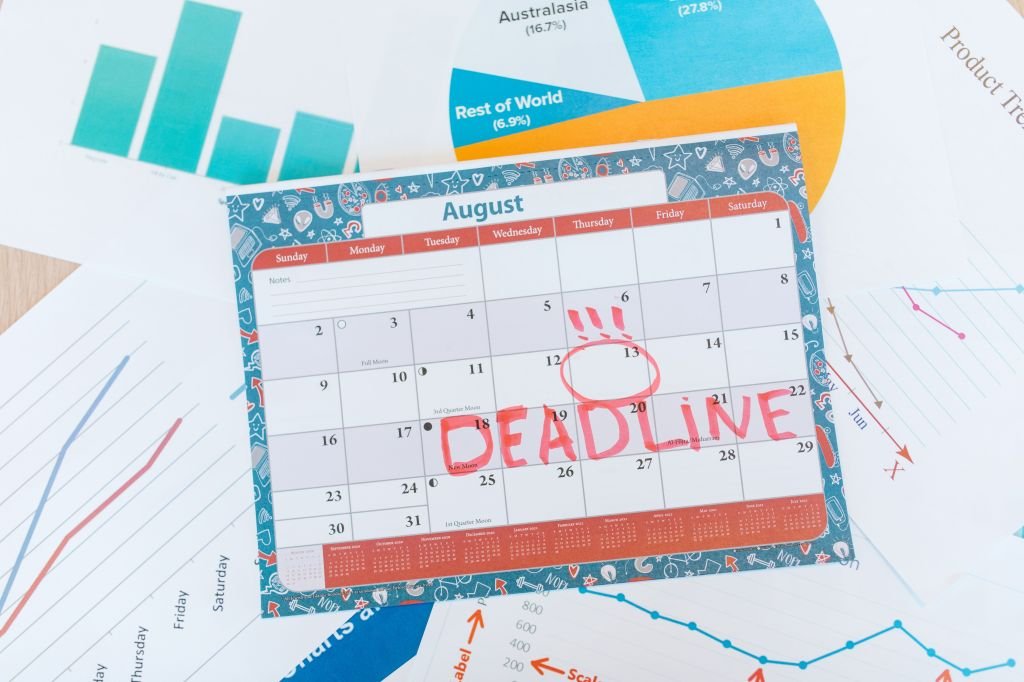
    A calendar representing a fixed weekly routine for checking finances

    I stopped checking right after spending, and started checking before.

    Looking right after you spend money almost always feels bad, you just watched the number drop. Looking before you plan your week gives you the same information without the same emotional gut-punch.

    I write the number down somewhere, even when it’s ugly.

    Not to judge myself. Just so avoiding it stops being an option. Once it’s written down, it’s just a fact, not a fear waiting in an app.

    The same survey found only 17% of people feel completely in control of their financial future. That didn’t surprise me. If almost half of people are avoiding the information itself, how would anyone feel in control?

    Same approach: Your Savings Account Might Be Secretly Costing You Money

    A person writing down their finances in a notebook to face the numbers honestly

    Do you check your accounts on a schedule, or only when you feel ready to? Be honest with yourself on this one, not with me.

    Avoiding the number never once made the number better. Looking at it, even when it’s hard, is the only thing that’s ever actually helped me plan.

    Foundation for this: 53% of Americans Can’t Cover a $1,000 Emergency

    Disclaimer: This article is for educational purposes only and should not be considered as financial or mental health advice. Financial anxiety and account avoidance behaviors vary by individual. Consult with a qualified financial advisor or mental health professional if financial stress is impacting your wellbeing.


  • 82% of Americans Changed How They Shop for Groceries Last Year. Here’s What I Started Doing With Mine.

    82% of Americans Changed How They Shop for Groceries Last Year. Here’s What I Started Doing With Mine.

    I used to think grocery shopping was simple. Go to the store, buy what you need, come home. Then prices kept climbing, and simple stopped being simple.

    Purdue University’s Center for Food Demand Analysis surveyed 1,200 people across the US at the end of 2025. 82% of them said they changed how they shop for groceries that year. Not a small tweak. A real change.

    A shopping cart in a grocery store aisle representing changing grocery habits

    56% said the main reason was simple: food prices went up, plain and simple. Not overspending. Not bad habits. Just the actual cost of feeding a family climbing higher than it used to be.

    Grocery Shopping BehaviorPercentageSourceDate
    Changed Shopping Habits82%Purdue UniversityEnd 2025
    Due to Food Price Increases56%Purdue UniversityEnd 2025
    Expect to Keep Changes (2026)5%Purdue UniversityEnd 2025
    Do Not Expect Changes to Stick95%Purdue UniversityEnd 2025
    Survey Sample Size1,200 AmericansPurdue UniversityEnd 2025

    I have three children, with a fourth on the way very soon. Every single grocery trip is a real decision, not a quick errand. So when I read that number, I didn’t feel behind. I felt like I was looking at a mirror.

    With a fourth baby coming, I can’t afford to pretend prices will come down. These changes aren’t temporary for me — they’re how I’m going to feed my kids going forward. That changes how serious I am about them.

    Here’s what I’ve actually changed, one thing at a time.

    I stopped shopping brand-first.

    Store brands sit right next to name brands, usually cheaper, usually just as good. I used to grab the familiar name out of habit. Now I check both, and more often than not, the cheaper one wins.

    This works: 60% of Americans Bought Secondhand Last Year

    I plan meals around what’s already home.

    Before, I’d plan a meal, then buy everything for it. Now I look at what’s already in the kitchen first, then build the meal around that. Less waste, fewer extra trips.

    A person planning family meals in the kitchen to save on grocery costs

    I buy the boring stuff in bulk when it’s cheap.

    Rice, flour, oil, the things my family goes through every week no matter what. When these go on sale, I buy more than I need for right now. When they don’t, I don’t panic-buy at full price.

    Connect to: 37% of Americans Still Budget With Pen and Paper

    I stopped treating “extra” items as normal.

    Snacks, drinks, the little add-ons that sneak into every cart. They add up fast, and cutting most of them didn’t feel like sacrifice once I actually paid attention.

    Here’s the part of that survey that stuck with me most: only 5% of people expect to keep these changes going in 2026. Most people think this is temporary, that things will go back to “normal” soon.

    I don’t think that’s true for my family, and honestly, I’m not sure it’s true for most people. Prices that go up rarely come back down. The habit is the real win here, not just the moment.

    Most people are waiting for normal to return. I’ve stopped waiting. The world is different now, and I need my family to adapt to it instead of holding on to what used to work.

    A grocery receipt next to a calculator representing tracking food spending

    Has your grocery bill changed how you shop, or are you still shopping the same way and just paying more for it?

    I’m not saying any of this is easy with a family this size. Some weeks it still feels tight no matter what I do. But watching where the money actually goes, instead of just feeling the total at checkout, has made a real difference for us.

    Essential reading: Your Paycheck Isn’t Keeping Up With Inflation

    Disclaimer: This article is for educational purposes only and should not be considered as financial or dietary advice. Grocery shopping strategies and food budgets vary by location, family size, and individual needs. Consult with a qualified financial advisor or nutritionist before making major dietary or spending changes.

  • The Average American Wastes $205 a Year on Subscriptions They Don’t Even Use. I Found Mine Hiding in My Bank Statement.

    The Average American Wastes $205 a Year on Subscriptions They Don’t Even Use. I Found Mine Hiding in My Bank Statement.

    A smartphone screen showing multiple subscription app icons

    I almost didn’t look. Scrolling through my bank statement felt boring, something to do later. Then I saw a charge I didn’t recognize, small, quiet, exactly the kind of thing you stop noticing after a few months.

    When I found that first forgotten subscription, I was embarrassed. How could I not notice $12 leaving my account every month? Then I found another. And another. That’s when I realized this wasn’t carelessness — it was exactly how these services are designed to work.

    Turns out that’s incredibly common. A May 2025 survey of over 2,400 Americans found people waste an average of $205 a year on subscriptions they aren’t even using anymore. Not big dramatic charges — just small ones nobody remembers to cancel.

    Have you actually looked at everything being pulled from your account this month, or are you guessing?

    Related: 37% of Americans Still Budget With Pen and Paper

    The bigger gap most people don’t see

    That same 2025 survey found the average person spends about $1,080 a year on subscriptions total — roughly $90 a month. But here’s where it gets interesting: an older, still widely-cited analysis (from 2022, but journalists keep referencing it because nothing’s replaced it) found that when people actually itemize every single subscription line by line, the real total often comes out closer to $219 a month — nearly two and a half times what people guess when just asked casually.

    Subscription MetricAmountSourceDateSample Size
    Annual Waste (Unused)$205/year2025 SurveyMay 20252,400+ Americans
    Total Annual Spending$1,080/year2025 SurveyMay 20252,400+ Americans
    Monthly Average Claimed$90/month2025 SurveyMay 2025Average
    Actual Monthly Total$219/month2022 Analysis2022Referenced study
    Underestimation Gap2.5xBoth studiesComparisonPattern
    People Who Canceled25%2025 SurveyMay 2025Survey respondents

    I’ll be honest about that gap: the exact number depends on which study you look at, and they don’t fully agree. But the pattern is the same in both: almost everyone underestimates what they’re really paying, sometimes by a lot.

    Check this too: 5 Simple Ways to Save $100 This Month

    A bank statement and receipts spread out on a desk

    Why it’s so easy to lose track

    A $5 charge here, a $12 charge there — none of it feels like real money in the moment. It’s not like handing over cash. It just quietly leaves your account every month whether you’re using the thing or not.

    25% of people in the 2025 survey said they’ve already canceled a subscription specifically because of money worries. That tells you something: a quarter of people already know they’re bleeding money slowly, and did something about it.

    Do you know exactly what’s on your own list right now, without checking?

    What I actually did about it

    I went through three months of my own bank history, not just the last one — a single month can miss something you’re only charged for occasionally.

    I wrote down every recurring charge I found, no matter how small, even ones I didn’t remember signing up for.

    For each one, I asked myself honestly: have I used this in the last 30 days? If the answer was no, I canceled it right there, before I could talk myself out of it.

    A person canceling a subscription service on their phone

    It took maybe twenty minutes. That’s less time than most people spend deciding what to watch on one of those subscriptions.

    The fact that it only took twenty minutes made me angrier. I’d been losing almost $200 a year and all I needed was those twenty minutes to stop it. That’s the trap — it’s so easy to ignore until you finally look.

    Do you think you’d find something if you actually looked at your last three months, or are you already sure there’s nothing there?

    Explore: I Cut My Coffee, Dessert, and DoorDash

    Disclaimer: This article is for educational purposes only and should not be considered as financial advice. Subscription costs and spending patterns vary by individual. Consult with a qualified financial advisor before making financial decisions.

  • 37% of Americans Still Budget With Pen and Paper. I’ve Been Doing the Exact Same Thing — And It Actually Works.

    37% of Americans Still Budget With Pen and Paper. I’ve Been Doing the Exact Same Thing — And It Actually Works.

    A handwritten budget notebook with a pen on a table

    I don’t have a fancy budgeting app. I don’t have a spreadsheet with color-coded tabs. Most months, I’ve just got a notebook, a pen, and a number in my head that can’t go below zero.

    Turns out, I’m not alone. A new 2026 survey just found that 37.27% of Americans still budget with plain pen and paper — more than any app, spreadsheet, or advisor. Mobile apps come in at just 21.70%.

    Do you track your money with an app, a notebook, or just by watching your bank balance nervously?

    The numbers behind the habit

    Almost 85% of Americans say they budget now, according to Debt.com’s 2026 survey of over 1,000 people. And 87.67% of them say it actually helped — either getting them out of debt, or keeping them out of it.

    This connects: I Cut My Coffee, Dessert, and DoorDash

    Here’s the harder truth, from a bigger, more established tracker (LendingClub/PYMNTS, May 2026): 62% of Americans are still living paycheck to paycheck. Even among people who don’t feel “poor,” about a third can’t cover a surprise $400 expense. This isn’t a problem that’s going away — it’s why budgeting keeps becoming more popular, not less.

    When I tried apps, I felt like I was supposed to be more organized than I actually am. A notebook doesn’t judge you. It just lets you see the truth every day without any pretense.

    An empty wallet with a few coins on a table

    Why people quit budgeting — and why I never could

    The Debt.com survey also asked people why they DON’T budget. The number one reason now isn’t “I don’t have enough money” — that’s actually dropped in their survey. The new top reason: 34.21% say it’s simply too time-consuming.

    Worth reading: 53% of Americans Can’t Cover a $1,000 Emergency

    Budgeting MethodPercentageSurvey SourceDateSample Size
    Pen & Paper37.27%2026 Survey2026N/A
    Mobile Apps21.70%2026 Survey2026N/A
    People Who Budget85%Debt.com 202620261,000+
    Say It Helped87.67%Debt.com 20262026Of 85%
    Paycheck to Paycheck62%LendingClub/PYMNTSMay 2026Large
    Can’t Cover $400~33%LendingClub/PYMNTSMay 2026General population
    Too Time-Consuming Reason34.21%Debt.com 20262026Of non-budgeters
    Rising Costs = Important95.15%Debt.com 20262026Survey respondents

    I get that. But when your income is zero some months, you don’t get to call it time-consuming. You write down every rupee, every dollar, every fee, because there’s no cushion if you get it wrong.

    Have you ever budgeted so tightly that a $5 mistake actually mattered? That feeling doesn’t show up in most finance articles, but it’s real for a lot of us.

    Writing it down by hand makes it real in a way an app never does. You can’t ignore the numbers when you’re physically writing them. That friction is actually the thing that works.

    What I actually do, in three steps

    Every night, I write down exactly what came in and what went out that day — no rounding, no skipping small stuff.

    Once a week, I check one number: what’s left until the next payment I’m expecting. Not my whole balance, just that one number.

    Before I spend on anything that isn’t food, internet, or a bill, I ask myself: would I still buy this if I had to write it down in front of someone?

    A hand writing numbers in a notebook next to a calculator

    95.15% of people in the Debt.com survey said rising costs have made budgeting feel more important than ever. Not optional. Necessary.

    Do you think you’d budget differently if you had to write every number down by hand instead of letting an app do it quietly in the background?

    Try this approach: 5 Simple Ways to Save $100 This Month

    Disclaimer: This article is for educational purposes only and should not be considered as financial advice. Budgeting methods vary by individual circumstances. Consult with a qualified financial advisor before making financial decisions.

  • America’s Biggest Housing Law in 36 Years Just Passed — Here’s What Actually Changes For You

    America’s Biggest Housing Law in 36 Years Just Passed — Here’s What Actually Changes For You

    Did you hear that America just got its biggest new housing law since 1990? A lot of people haven’t, and honestly, the story of how it happened is almost stranger than the law itself.

    I read headlines saying it was a game-changer for housing. Then I dug deeper and realized most of the benefits don’t kick in for years. It’s real progress, but it’s not going to help anyone house hunting next month.

    On July 10, 2026, the 21st Century ROAD to Housing Act became law. Trump didn’t even sign it. He was protesting a completely different bill, so he just let the 10-day deadline pass without acting, and under the Constitution, that’s enough to make a bill law anyway.

    Rows of new houses under construction in a suburban neighborhood

    So what does this actually do for you? Let’s go through the real parts, not the hype.

    For the first time ever, there’s now a cap on how many single-family homes one big investor can own before they’re blocked from buying more: 350 homes. If you’ve ever felt like you’re bidding against a faceless investment company for a normal house, this is aimed at that. One honest catch though: investors who already own more than 350 homes don’t have to sell any of them. This only stops them from buying MORE.

    The law also creates a new $200 million a year grant program for cities and towns that actually build more housing, and it pushes states to loosen strict zoning rules that block new construction. Goldman Sachs estimates that alone could add 2.5 million housing units, but over the next DECADE, not next year.

    Connected story: Why Young Americans Are Leaving Their Cities (And Affordability Isn’t Following Them)

    A for sale sign in front of a house

    There’s help for renters too. A cap on the Rental Assistance Demonstration program got lifted, which means more public housing can get rebuilt and modernized. And there’s a new push to make small mortgages, loans under $100,000, easier to get, which matters most for buyers looking at lower-priced homes.

    Now here’s the honest part you really need to hear. This law does NOT touch mortgage rates, which are still stuck near 6.5%. It doesn’t fix the “lock-in effect,” where people with a low mortgage rate from years ago won’t sell their house because they don’t want a new loan at today’s rate. And it doesn’t add any new direct government money to build affordable housing units.

    Also worth reading: Your Paycheck Isn’t Keeping Up With Inflation (And That’s Not Your Fault)

    Housing Law ProvisionCap/AmountTimelineWhat It DoesWhat It Doesn’t Do
    Investor Home Cap350 homes maxOngoingStops new mega-investor buysDoesn’t remove existing large portfolios
    Annual Grants$200 million/yearOngoingFunds cities to build housingNo direct federal construction
    New Housing Units2.5 millionNext DECADELong-term supply increaseNot immediate relief
    Mortgage SupportUnder $100,000OngoingEasier small loansDoesn’t lower 6.5% rates
    Rental AssistanceModernizationMulti-yearPublic housing upgradesNo new affordable units

    Are you house hunting right now, or are you a renter hoping prices come down? Either way, I want you to walk away from this with the real picture: this law is a real, serious step, but it’s a multi-year project, not a quick fix for your rent or your mortgage payment this year.

    I think that’s the honest truth politicians don’t want to say: housing is broken because of decades of decisions. One law doesn’t fix that overnight, no matter how big it is.

    A family holding house keys after a home purchase

    If you’re waiting for housing to suddenly get cheaper because of this law, that’s not what’s about to happen. If you’re waiting for the slow, real work of more homes getting built over the next several years, this is a genuine piece of that.

    What matters more to you right now: mortgage rates coming down, or more homes actually getting built? I’d like to know which one you’re watching closer.

    See also: I Used to Live Paycheck to Paycheck

    Disclaimer: This article is for educational purposes only and should not be considered as legal or real estate advice. Housing policies, laws, and their implementation vary by location. Consult with a qualified real estate attorney or real estate professional before making housing decisions.

  • Medical Debt Can Still Wreck Your Credit Score — Here’s the Real Rule in 2026

    Medical Debt Can Still Wreck Your Credit Score — Here’s the Real Rule in 2026

    Do you think medical debt can’t hurt your credit score anymore? A lot of people believe that right now. It’s not true.

    In January 2025, the government finalized a rule to ban medical debt from credit reports completely. It sounded like great news for the roughly 15 million Americans with medical debt showing up on their credit.

    Then, in July 2025, a federal court in Texas threw that rule out. The judge ruled the government didn’t have the legal authority to make that rule in the first place.

    When I read that the rule got overturned, I was confused. Everyone on social media said medical debt was protected now. Turns out that protection was never solid to begin with.

    A stack of medical bills and an insurance statement on a table

    So here’s where things actually stand today. There is no federal law banning medical debt from your credit report. If you assumed there was, because of news from last year, you were working off information that’s no longer true.

    So does medical debt affect credit score US 2026 the same way it used to? Not exactly. Under current credit reporting rules, paid medical debt no longer appears on your report at all, and unpaid medical bills under $500 are also excluded. But once a medical bill crosses that $500 mark and stays unpaid, it can still show up as a collection account and pull your score down significantly.

    The real danger is timing. Medical providers often wait months before sending a bill to collections, so many people don’t realize a small ER visit or lab test is about to become a credit problem. Checking your credit report every few months catches these before they snowball, especially since one unpaid collection account can stay on your report for up to seven years.

    Does that mean every medical bill you owe is now hurting your credit? Not exactly. There’s still real protection, just not from the government.

    The three big credit bureaus, Experian, Equifax, and TransUnion, made their own voluntary promise back in 2022 and 2023. They agreed to three things: paid-off medical debt gets removed completely, unpaid medical bills under $500 don’t get reported at all, and new medical debt gets a 365-day grace period before it can show up.

    Person checking their credit score on a laptop screen

    That’s a real, working protection today, but notice the word “voluntary.” Nothing forces the bureaus to keep doing this. They could change their policy anytime, and there’d be no law stopping them.

    On top of that, 15 states, including California, New York, Colorado, and Illinois, passed their own state laws banning medical debt from credit reports. The Texas court hinted these state laws might not hold up either, but that part of the ruling wasn’t a real decision, just a comment. Nobody has actually challenged those state laws in court yet, so they’re still considered valid for now.

    The credit bureaus could wake up tomorrow and change their minds. They’re not doing this because they have to — they’re doing it because right now it’s good PR. That makes me nervous about relying on it long-term.

    State ProtectionStatus (2026)Medical Debt BanEnforcement
    CaliforniaActiveYesState law
    New YorkActiveYesState law
    ColoradoActiveYesState law
    IllinoisActiveYesState law
    11 Other StatesActiveYesState law
    Federal RuleOverturnedNo (July 2025)Court struck down
    Credit Bureau PolicyVoluntary$500+ unpaidNo enforcement

    Do you live in one of those 15 states? If so, you likely have stronger protection than most of the country right now, whether you knew it or not.

    Check this too: Average American Owes $6,715 in Credit Card Debt

    "Person reviewing bills and using a calculator at home

    So what should you actually do? Pull your free credit report at AnnualCreditReport.com and check for medical debt entries. If something is under $500, or already paid off, or newer than 365 days, and it’s still showing up, that’s against the bureaus’ own policy, and you can dispute it. If your bill seems wrong in the first place, check with your insurance company first, billing errors and denied claims are extremely common.

    Did you think medical debt couldn’t touch your credit anymore? Are you going to check your own report after reading this?

    Read first: Your Health Insurance Bill Just Jumped 58%

    Disclaimer: This article is for educational purposes only and should not be considered as legal or financial advice. Medical debt laws, credit bureau policies, and state protections vary by location and situation. Consult with a qualified attorney or credit counselor before making decisions about medical debt.

  • Your Student Loan Payment Could Jump From $0 to $900 Overnight — Here’s Your Real Deadline

    Your Student Loan Payment Could Jump From $0 to $900 Overnight — Here’s Your Real Deadline

    Are you one of the 7 million people on the SAVE student loan plan? If so, you need to read this before your next mailbox check.

    For a while now, SAVE borrowers have paid $0 a month. No payments, while a court fight over the plan played out.

    Why is my student loan payment $0 in the first place? For millions of borrowers, it comes down to one program: the SAVE plan. SAVE was tied up in court for years, and while the legal fight dragged on, payments for nearly 7 million borrowers were paused completely, some for over a year without owing a single dollar.

    That pause is ending now. SAVE was eliminated, and servicers are sending 90-day notices moving borrowers onto new repayment plans with real monthly bills attached. If your payment has been $0, don’t assume it stays that way. Log into your loan servicer’s portal and check your new plan and due date before the switch catches you off guard.

    That pause is ending. And most people don’t know their personal deadline yet.

    I didn’t realize how dangerous the silence was until I talked to someone getting their notice. They’d gotten used to $0 payments and hadn’t looked at their loan once in two years. Now they’re facing $850/month with no warning.

    Person opening an envelope containing a student loan billing statement

    Starting July 1, 2026, your loan servicer is sending out 90-day notices. The longest-enrolled borrowers are getting theirs first. Your own deadline is 90 days from the day YOU get your notice, not one single date for everyone.

    Here’s the part that should really get your attention. If you do nothing before your deadline, you get automatically moved into the Standard Repayment Plan. That plan is based on how much you owe, not how much you earn.

    For a lot of people, that means their payment jumps from $0 straight to $900 a month or more. Overnight. No warning beyond that one notice.

    Do you know your loan balance well enough to guess what your new payment could be?

    The scariest part isn’t even the money — it’s that the government decided your payment without asking if you could actually afford it. They just moved you into Standard and that was that.

    Person using a calculator while reviewing bills at a desk

    There’s a second, quieter problem too. If you’re working toward loan forgiveness, through Public Service Loan Forgiveness or an income-driven plan, every month you spent on this $0 forbearance did NOT count toward your forgiveness total. It felt free. It wasn’t really free — it was a pause on your progress too.

    This matters: My Student Loan Payment Just Changed and Nobody Warned Me

    Repayment PlanCurrent PaymentAfter July 1Forgiveness ProgressBest For
    SAVE (Before)$0EndingNo progress countingLimited time
    Standard RepaymentN/A$900+/monthCounts10-year plan
    Repayment Assistance PlanN/ALowerCountsLower income
    Tiered Standard PlanN/AVariesCountsMixed income
    PSLF Track$0ChangesCritical to actPublic service jobs

    So if forgiveness is part of your plan, waiting any longer costs you real time you can’t get back.

    Connect the dots: Medical Debt Can Still Wreck Your Credit Score

    Person checking a student loan account on a laptop at home

    Here’s what you can actually do right now, today. Log into studentaid.gov and check your servicer account for your exact deadline date. Use the official loan simulator tool to compare your real options, including the two new plans that started July 1: the Repayment Assistance Plan and the Tiered Standard Plan. If you’re chasing forgiveness, don’t wait for your deadline notice, switch as soon as you can.

    Are you on the SAVE plan right now? Do you already know your deadline, or are you still waiting on that notice?

    Disclaimer: This article is for educational purposes only and should not be considered as legal or financial advice. Student loan rules, plans, and deadlines vary by situation. Consult with a qualified financial advisor or your loan servicer before making student loan decisions.

  • Your Health Insurance Bill Just Jumped 58% — Here’s What Actually Happened

    Your Health Insurance Bill Just Jumped 58% — Here’s What Actually Happened

    Did your ACA marketplace health insurance bill go up this year? You’re not imagining it.

    The average person on marketplace insurance is now paying $178 a month, up from $113 last year. That’s a 58% jump, and it happened because of one thing: extra subsidies that started during COVID finally ran out at the end of 2025.

    Person reviewing a stack of medical bills at a kitchen table

    Those extra subsidies used to cap what you paid for insurance at 8.5% of your income, no matter how much you earned. Now that cap is gone for higher earners, and the discount is smaller for everyone else too.

    Some people got hit a lot harder than others. If you’re a 60-year-old couple making $85,000 a year, your yearly cost could be up over $22,000. If you’re a single person making $28,000, you’re looking at roughly $1,238 more a year — and your share of income going to insurance jumped from about 1% to almost 6%.

    I didn’t realize those COVID subsidies were temporary until I got my renewal notice. It felt like the government gave with one hand and took back with the other. Suddenly my insurance doubled.

    Income LevelAge2025 Monthly Cost2026 Monthly CostAnnual IncreaseImpact
    $28,000/yearSingle~$104$242+$1,6566% of income
    $85,000/year60-year-old couple~$1,833$1,833++VariesMay exceed $22K
    $50,000/year35-year-old~$144$250+$1,2723% of income
    Bronze PlanAll ages$100$120+$240High deductible

    Money isn’t the only thing that changed. Deductibles — the amount you pay out of pocket before insurance kicks in — hit a record $3,786 this year, up 37%. A lot of people responded by switching to cheaper “bronze” plans with lower monthly costs but much higher deductibles. That’s a real trade-off: less out of your paycheck now, more risk if you actually get sick.

    Deep dive: Medical Debt Can Still Wreck Your Credit Score

    Close-up of a health insurance enrollment form being filled out

    And here’s the part that worries me most: about 4.8 million people just stopped having marketplace coverage altogether. Some couldn’t afford the new price. Some just gave up and decided to go without. Nearly half of everyone who left was between 18 and 34 — young, usually healthier, people who often think they can go without insurance until something goes wrong.

    If you’re one of the people paying more right now, you’re not alone, and you’re not doing anything wrong. This wasn’t a personal budgeting mistake. It was a policy decision made in Washington, and it landed on real people’s bank accounts.

    This isn’t about cutting back on lattes or skipping dinner out. This is structural. People making $50K a year watching 3% of their entire income go to insurance — that’s not a personal finance problem, that’s a system problem.

    Related read: Your Paycheck Isn’t Keeping Up With Inflation (And That’s Not Your Fault)

    Family sitting together reviewing a household budget

    So what can you actually do about it? A few real options: check if you qualify for a cheaper bronze or catastrophic plan if you’re generally healthy and just need protection from a worst-case bill. Check if your state runs its own marketplace with extra state-level subsidies (some states added their own money to soften this). And if your income dropped or changed this year, report it — your subsidy is based on estimated income, and a correction could lower your bill.

    Did your premium go up this year? Did you switch plans, or did you drop coverage? I’d really like to know how this hit your own numbers.

    Disclaimer: This article is for educational purposes only and should not be considered as medical or health insurance advice. Insurance plans, subsidies, and coverage vary by state and individual circumstances. Consult with a qualified insurance agent or healthcare professional before making insurance decisions.

  • Only 6% of Workers Actually Qualify for the New “No Tax on Overtime” Law

    Only 6% of Workers Actually Qualify for the New “No Tax on Overtime” Law

    You’ve probably seen the headlines. Overtime pay is “tax-free” now. Sounds like a win for every hard-working American.

    Here’s the truth almost nobody is saying out loud: over 90% of American workers get zero benefit from this law. Not less benefit. Zero.

    When I saw the headline, I got excited for a second. Then I checked my job type and realized it didn’t apply to me. The headlines made it sound like everyone got this. They didn’t mention the 90% part.

    An office worker at a desk, representing salaried employees who don

    Picture two people. Maria works at a warehouse and gets paid extra when she works past 40 hours a week. James is salaried at an office job — he never gets “overtime pay,” no matter how late he stays.

    Maria might qualify for this new tax break. James never will. He was never eligible, law or no law.

    That split matters more than you’d think. Only about 6% of workers regularly get the kind of overtime that counts here. Most people are more like James than Maria.

    So before you get excited about this law, ask yourself the real question first: are you a Maria, or a James?

    Worth knowing: Tips Might Be Tax-Free Now. Here’s What I Learned

    Worker TypeFederal Overtime EligibleTax Deduction BenefitAnnual SavingsQualifies
    Hourly Warehouse Worker (Maria)YesOn overtime pay bonus$1,440Yes
    Salaried Office Worker (James)NoNone$0No
    State/Union OvertimeNoNot covered$0No
    Self-EmployedNoNot applicable$0No
    US Workers Affected6%~$130 avg

    And even if you’re a Maria, the benefit is smaller than it sounds. You don’t get to deduct your whole overtime paycheck. You only deduct the extra “half” — the bonus part of “time and a half” pay. Not the whole thing.

    A paycheck next to a calculator, representing how the overtime tax deduction is actually calculated

    Here’s what that means in real money. Averaged across every single tax filer in America — qualifying or not — this law saves people just $130 a year.

    For most of us, $130 is nice but it won’t change anything. For the actual Maria’s who work overtime regularly, it’s real money. But that’s such a small group that the average becomes almost meaningless.

    But for someone who really does qualify, like Maria, the number is better: about $1,440 back. That’s real money, if you’re one of the few this was built for.

    There’s one more catch. This money doesn’t show up in your paycheck this week. Your employer isn’t taking out less tax right now because of this law.

    You claim it when you file your taxes. So it shows up as a bigger refund next year — not as extra cash today.

    "A calendar marking tax season, representing when the overtime deduction actually pays out

    So ask yourself: does your overtime come from federal rules? Or from your state, or a union contract? Because this law doesn’t cover those.

    It’s worth checking before you count on money the headlines promised you — because for 9 out of 10 workers, that money was never coming.

    Also check: Your Paycheck Isn’t Keeping Up With Inflation (And That’s Not Your Fault)

    Disclaimer: This article is for educational purposes only and should not be considered as tax advice. Tax laws change frequently and eligibility varies. Consult with a qualified tax professional, CPA, or accountant before making tax-related decisions.

  • Average American Owes $6,715 in Credit Card Debt. The Fed Just Made That Number More Painful.

    Average American Owes $6,715 in Credit Card Debt. The Fed Just Made That Number More Painful.

    Person looking stressed while holding a credit card and looking at bills

    $6,715. That’s what the average American owes on credit cards right now, according to new data. It’s a record high, and it’s still climbing.

    Here’s the part most people miss. The Federal Reserve just met in June 2026. They decided to leave interest rates exactly where they were. No cut.

    That decision didn’t make headlines for long. But if you’re one of the millions carrying a balance, it hit your wallet directly.

    Why? Credit card interest is tied to the Fed’s rate. When the Fed holds steady instead of cutting, your card’s interest rate stays high too.

    Right now, the Fed’s own number for average credit card interest is 21.5%.

    Some reports that include lower-credit-score borrowers put the average even higher, near 25%. If your credit score isn’t great, you could be paying closer to 26%.

    Do the math on that $6,715 average balance at 21.5% interest.

    If you only pay the minimum, most of your payment doesn’t touch what you owe. It just covers interest. You could pay for years and barely move the number.

    Similar story: Buy Now, Pay Later Looked Smart. Here’s Why It’s Becoming a Debt Problem

    Debt OptionInterest RateMonthly PaymentYears to RepayTotal InterestNotes
    Credit Card (minimum)21.5%$1347+ years$4,500+Interest eats most payment
    Credit Card (aggressive)21.5%$3002.5 years$1,600Requires discipline
    Personal Loan9-12%$180-22036 months$1,200-1,400Fixed rate, predictable
    Balance Transfer (0% intro)0% (then 20%)$2252.5 years$500-600Works if paid before APR kicks in

    Have you ever actually checked your statement to see how much of your payment goes to interest versus your real balance? Most people never look. It’s not a fun number to see.

    When I finally checked mine, I was shocked. I’d been paying for three months and the balance barely moved. That’s when I realized I wasn’t actually paying off debt — I was just feeding interest.

    Calculator and bills on a kitchen table representing budgeting and debt

    Here’s the part that should really get your attention. Experts are now saying there’s a real chance the Fed raises rates again later in 2026, not lowers them.

    Related: Your Income Doesn’t Affect Your Credit Score. Here’s What Actually Does

    That means this could get more expensive before it gets cheaper.

    I remember thinking if rates go higher, my minimum payment stays the same but even less of it touches what I owe. It’s like running on a treadmill that keeps speeding up.

    Debt doesn’t wait for a “better time” to deal with it. It compounds every single day, whether you’re ready or not.

    Person sitting at a laptop reviewing their bank and credit card statements

    So what can someone actually do? A few real options: pay more than the minimum every month, even a little extra makes a difference over time. Look into a lower-interest personal loan to pay off the card faster. Talk to a nonprofit credit counselor — many offer free help and won’t push you toward anything. For people in serious trouble, formal debt relief exists too, though it can take years and hurts your credit short-term.

    If BNPL is part of what you’re dealing with, start with the free tracker first. It lays out every payment you owe across every app, in one place.

    If BNPL Apps Are Part of the Picture Too

    Credit card debt often isn’t the only balance stacking up. A lot of people carrying card debt are also juggling two or three BNPL apps at the same time, and those payments hit the same bank account on different days.

    The BNPL Stack Tracker is a simple fillable PDF that puts every BNPL payment in one place, so at least that part of the picture stays visible while you tackle the card balance. Check it out here — $9, instant download.

    None of these fix it overnight. But staying quiet while rates stay this high is the most expensive choice of all.

    If you’re carrying credit card debt right now, what’s stopping you from making one move on it today instead of “eventually”?

    Check this too: Medical Debt Can Still Wreck Your Credit Score

    Disclaimer: This article is for educational purposes only and should not be considered as financial advice. Debt solutions vary greatly based on individual circumstances. Consult with a qualified financial advisor, nonprofit credit counselor, or attorney before making debt management decisions.