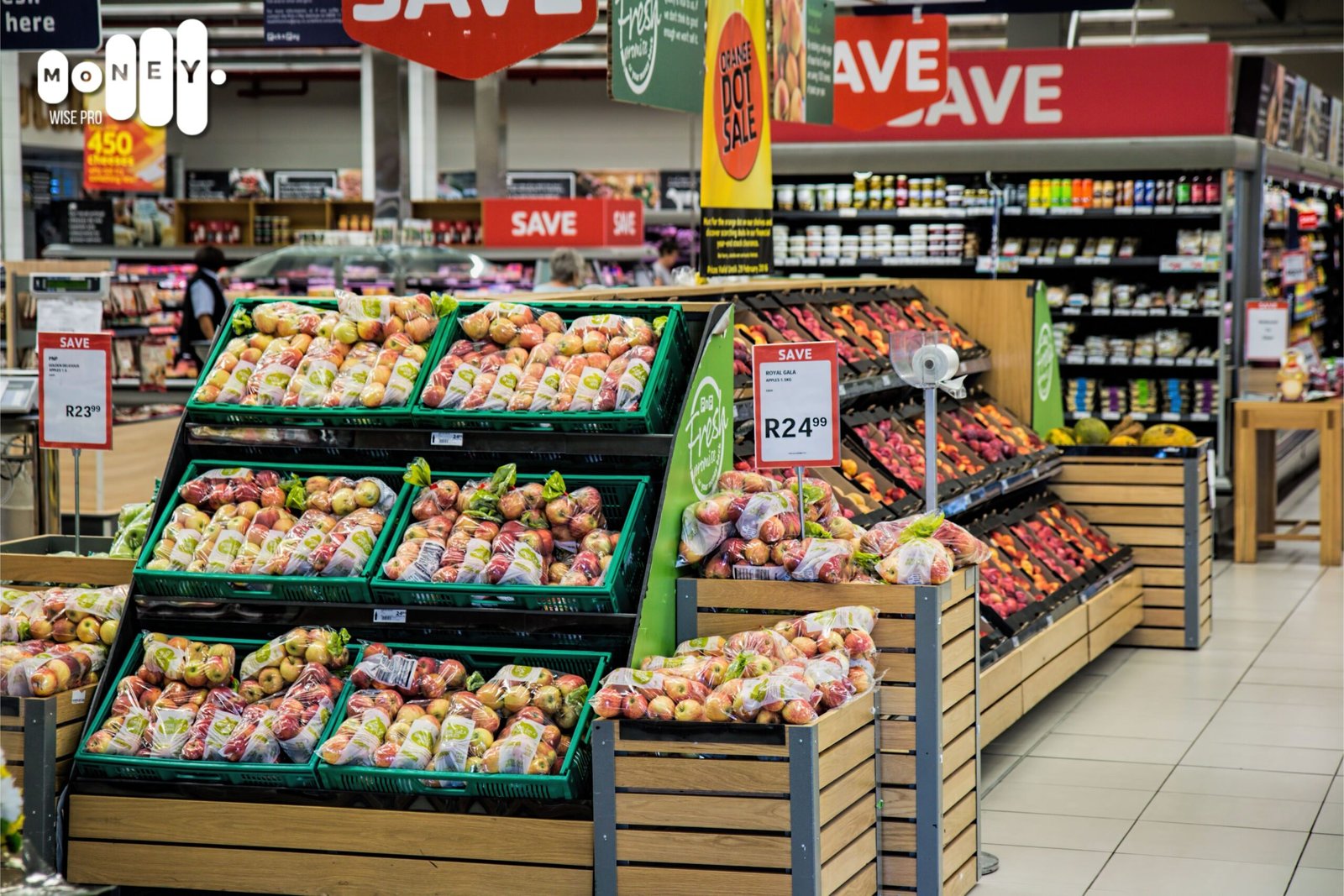
Price scanner laws by state decide what you get when the register charges more than the shelf. In Michigan you get the difference back, and the store may add a cash bonus. In Massachusetts some stores must give the item free. Connecticut can also require a free item. California fines the store instead. Other states may offer no shopper bonus at all.
That last point matters. A law that fines a store does not put money in your pocket. A law with a bonus does. So the state you shop in changes what you can ask for at the customer service desk.
This topic is not just old rules either. On October 26, 2026, the Federal Trade Commission and 20 states sued Dollar General over register prices. We cover that case below, with the numbers from the complaint coverage.
What Price Scanner Laws Actually Cover
Stores that skip item stickers rely on a shelf tag and a barcode. The scanner reads the barcode and pulls a price from the store system. When the shelf tag and the system do not match, the register charges the system price.
Price scanner laws by state handle this gap in three different ways. Some states pay the shopper. Others fine the store. A few do both.
The rules also come with limits. Some cover only certain items, certain store types or a short time window. The table in the next section shows the exact limits for four states, taken from each state page or the statute text.
Four States Compared, Side by Side
Here is what each law says, based on the official state pages we read. Michigan explains its rules on the Michigan Department of Attorney General scanner law page. Massachusetts lists its rules on the state accurate scanning and pricing page. Connecticut covers its free item rule on the Department of Consumer Protection mismarked items page. California has the text of Business and Professions Code section 12024.2.
| State | Name of the rule | What the shopper gets | Key condition |
|---|---|---|---|
| Michigan | Shopping Reform and Modernization Act, known as the Scanner Law | The difference back. The store may also pay a bonus of 10 times the difference, at least $1 and no more than $5, to avoid a lawsuit. | Tell the seller within 30 days, with the receipt. The store has 2 days to pay. |
| Massachusetts | State price accuracy law, waiver program | One of the items free | Food stores in the waiver program. The item must scan higher than the lowest advertised price. |
| Connecticut | Get One Free law (Chapter 417, Regulation 21A-79) | The item free of charge | A consumer commodity, on sale for at least 7 days in a public ad, and the shopper must ask for it |
| California | Business and Professions Code 12024.2 | No shopper bonus found in this section. The store can face fines. | Store may not charge more than the lowest posted or shelf tag price |
When the Store Says No
Michigan also gives you a court option. If the store does not pay both the refund and the bonus, the state page says you can sue for your actual damages or $250, whichever is greater, plus attorney fees up to $300. Small claims court is also listed as an option.
Massachusetts puts the pressure on the store side. The state page says a food store can be fined $100 for each item that scans higher than the lowest advertised price.
California works the other way. The section sets a fine of $25 to $1,000 for a willful or grossly negligent overcharge, or one above $1. An overcharge of $1 or less is an infraction with a fine of up to $100. Those are penalties for the store, not payments to you.
Paying by card at the same register can add its own extra charge in some states:
Is a Credit Card Surcharge Legal in Your State in 2026?
The 2026 Case: FTC and 20 States vs Dollar General
The Connecticut Attorney General release says the FTC and 20 state attorneys general sued Dollar General. The claim is that the chain charged more at the register than the prices on shelves, tags and ads. Michigan, California and Connecticut are all on the list of states.
Trade outlet Retail Dive reported more numbers from the case:
| Detail from the case coverage | Number |
|---|---|
| Price complaints Dollar General received, January 2023 to March 2026 | More than 29,000 |
| States where FTC staff made test purchases | 4 (Ohio, Pennsylvania, Missouri, Maryland) |
| Items with a different price at one Ohio store on January 16 | 13 of 58 |
| States that joined the FTC | 20 |
Dollar General disputes the case. The company said it aims for complete pricing accuracy and will defend the lawsuit. None of this is proven in court yet.
Dollar General is not the only name in 2026. On August 5, 2026, the Sonoma County District Attorney announced that Tractor Supply will pay $5,126,282.97. That settlement covered prices higher than the lowest posted price, plus separate pesticide and labeling claims.
A Worked Example With Real Rules
This example is hypothetical. The math uses the Michigan bonus rule from the table above, and assumes the store pays the bonus. The state page says you need a receipt showing the overcharge, and buying several of the same item still earns only one bonus.
| Scenario in Michigan | Shelf price | Register price | Difference | 10 times the difference | Bonus after the $1 to $5 limit | Total back |
|---|---|---|---|---|---|---|
| Small overcharge | $2.49 | $2.54 | $0.05 | $0.50 | $1.00 | $1.05 |
| Middle overcharge | $3.49 | $3.79 | $0.30 | $3.00 | $3.00 | $3.30 |
| Large overcharge | $8.99 | $9.99 | $1.00 | $10.00 | $5.00 | $6.00 |
Look at the first row. Five cents turns into $1.05 because of the $1 floor. Look at the last row. A full dollar of overcharge still pays only $5 in bonus because of the cap.
Nobody wants to argue over five cents in a checkout line. But in Michigan that five cents has a real price tag for the store.
Steps to Take at the Register
These steps work in any state. The payoff depends on which of the price scanner laws by state covers your store.
- Watch the screen as each item scans. A fix at the register is the fastest one, though in Michigan the bonus needs a finished sale and a receipt.
- Take a phone photo of the shelf tag before you leave the aisle. A photo settles the argument at the desk.
- Check the receipt before you walk out of the store.
- Go to customer service the same day, with the item, the receipt and the photo.
- Name your state rule. In Michigan, ask for the scanner law bonus. In Massachusetts or Connecticut, ask if the item qualifies for the free item rule.
- If the store refuses, write down the store address, date and time.
- File a complaint with your state consumer protection office or county weights and measures office.
Honestly, the shelf photo takes five seconds. It saves a long argument later.
Utility bills carry a different kind of surprise charge, the deposit:
How Much Is a Utility Deposit? The Two-Month Rule, 7 Places Compared, and How to Skip It
Self-Checkout and Digital Shelf Tags
Self-checkout moves the job of watching the screen to you. No cashier will catch the wrong price. We could not confirm how each state treats self-checkout lanes, so ask the store desk if you use one.
Some stores now use digital shelf tags that can be updated from a central system. With paper tags or digital ones, a shelf photo with a time stamp is a solid record of what the price was.

What If Your State Is Not on This List
Price scanner laws by state vary far more than four rows can show. The National Institute of Standards and Technology keeps a table of retail pricing laws by state, last updated September 17, 2026. It links to each state law it lists. Some states show no entry there, Massachusetts included, so also open your own state consumer protection page.
If your state has no bonus rule, you can still ask the store to charge the shelf price. Some stores have their own scan accuracy policy. Ask at the desk what the store policy says, and get the answer in writing if you can.
Repair calls at home come with their own fine print, and some states now regulate those prices too:
Trip Charge vs Diagnostic Fee: What Is a Trip Charge and When You Still Pay It
Keep a Record So Overcharges Do Not Slip By
Small overcharges add up when nobody checks. A simple log of the store, the date, the shelf price and the register price shows you which stores slip more than once. If you want a ready format, a free tracker with a row for every store refund and overcharge you catch keeps it all in one place.
Have you ever caught a register price higher than the shelf, and did the store pay you back?
Disclaimer: MoneyWisePro is not a consumer protection agency or financial advisor. This article is for general information only and is not financial or legal advice. Contact your state consumer protection office for guidance on your specific situation.





Leave a Reply