Did you hear that America just got its biggest new housing law since 1990? A lot of people haven’t, and honestly, the story of how it happened is almost stranger than the law itself.
I read headlines saying it was a game-changer for housing. Then I dug deeper and realized most of the benefits don’t kick in for years. It’s real progress, but it’s not going to help anyone house hunting next month.
On July 10, 2026, the 21st Century ROAD to Housing Act became law. Trump didn’t even sign it. He was protesting a completely different bill, so he just let the 10-day deadline pass without acting, and under the Constitution, that’s enough to make a bill law anyway.
So what does this actually do for you? Let’s go through the real parts, not the hype.
For the first time ever, there’s now a cap on how many single-family homes one big investor can own before they’re blocked from buying more: 350 homes. If you’ve ever felt like you’re bidding against a faceless investment company for a normal house, this is aimed at that. One honest catch though: investors who already own more than 350 homes don’t have to sell any of them. This only stops them from buying MORE.
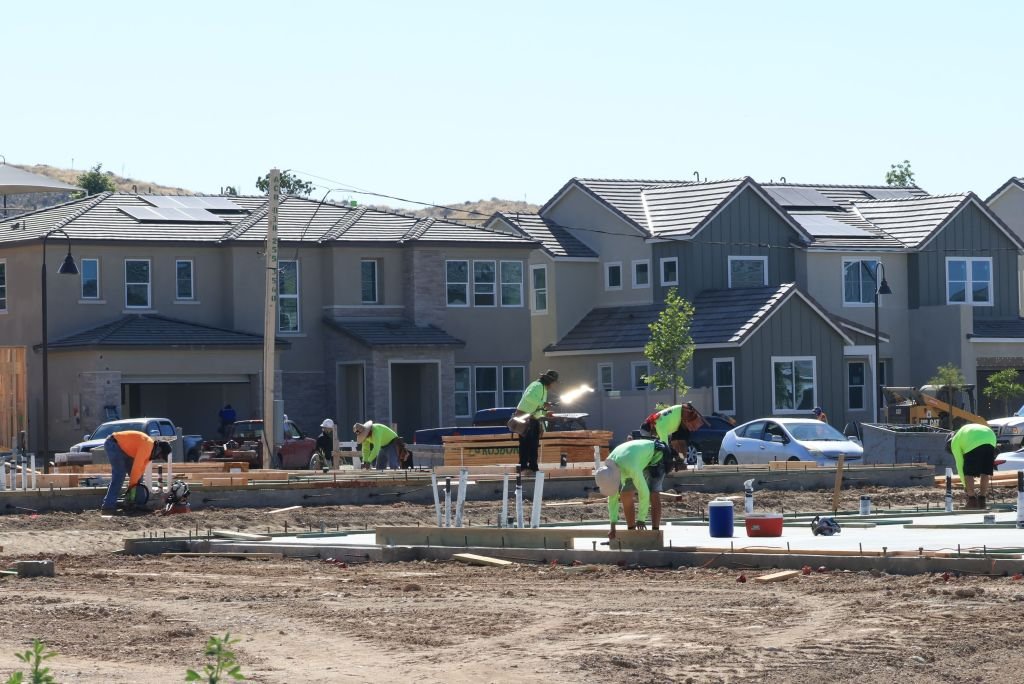
The law also creates a new $200 million a year grant program for cities and towns that actually build more housing, and it pushes states to loosen strict zoning rules that block new construction. Goldman Sachs estimates that alone could add 2.5 million housing units, but over the next DECADE, not next year.
Connected story: Why Young Americans Are Leaving Their Cities (And Affordability Isn’t Following Them)
There’s help for renters too. A cap on the Rental Assistance Demonstration program got lifted, which means more public housing can get rebuilt and modernized. And there’s a new push to make small mortgages, loans under $100,000, easier to get, which matters most for buyers looking at lower-priced homes.
Now here’s the honest part you really need to hear. This law does NOT touch mortgage rates, which are still stuck near 6.5%. It doesn’t fix the “lock-in effect,” where people with a low mortgage rate from years ago won’t sell their house because they don’t want a new loan at today’s rate. And it doesn’t add any new direct government money to build affordable housing units.
Also worth reading: Your Paycheck Isn’t Keeping Up With Inflation (And That’s Not Your Fault)
| Housing Law Provision | Cap/Amount | Timeline | What It Does | What It Doesn’t Do |
|---|---|---|---|---|
| Investor Home Cap | 350 homes max | Ongoing | Stops new mega-investor buys | Doesn’t remove existing large portfolios |
| Annual Grants | $200 million/year | Ongoing | Funds cities to build housing | No direct federal construction |
| New Housing Units | 2.5 million | Next DECADE | Long-term supply increase | Not immediate relief |
| Mortgage Support | Under $100,000 | Ongoing | Easier small loans | Doesn’t lower 6.5% rates |
| Rental Assistance | Modernization | Multi-year | Public housing upgrades | No new affordable units |
Are you house hunting right now, or are you a renter hoping prices come down? Either way, I want you to walk away from this with the real picture: this law is a real, serious step, but it’s a multi-year project, not a quick fix for your rent or your mortgage payment this year.
I think that’s the honest truth politicians don’t want to say: housing is broken because of decades of decisions. One law doesn’t fix that overnight, no matter how big it is.

If you’re waiting for housing to suddenly get cheaper because of this law, that’s not what’s about to happen. If you’re waiting for the slow, real work of more homes getting built over the next several years, this is a genuine piece of that.
What matters more to you right now: mortgage rates coming down, or more homes actually getting built? I’d like to know which one you’re watching closer.
See also: I Used to Live Paycheck to Paycheck
Disclaimer: This article is for educational purposes only and should not be considered as legal or real estate advice. Housing policies, laws, and their implementation vary by location. Consult with a qualified real estate attorney or real estate professional before making housing decisions.
Leave a Reply