Tag: credit-score

  • Don’t Pay That Credit Card Late Fee Yet — Read This 2026 Update First

    Don’t Pay That Credit Card Late Fee Yet — Read This 2026 Update First

    A credit card late fee can hit your account the moment you miss a due date, and in 2026 that fee is probably a lot higher than you think it should be. Back in 2024, the Consumer Financial Protection Bureau announced a new rule capping the typical credit card late fee at just $8, down from $32. A lot of people heard that news once and assumed the cap already applied to them. It doesn’t. If you’ve paid a credit card late fee anytime in the last year, you almost certainly paid the old, higher amount, not $8.

    Here’s what actually happened, because the real story matters more than the headline most people remember. Regulators finalized the $8 cap in March 2024, but banking trade groups sued immediately, and a federal court blocked it before it ever touched a single real cardholder. The fight dragged on for a year, and in April 2025 a federal judge in Texas threw the rule out for good as part of a settlement between the agency and the card industry, which left the older, higher fee framework fully in place, exactly as the official rule page still confirms today. Senate Democrats tried reviving the $8 idea through a new bill in January 2026, and separately, the CFPB signaled in July 2026 that it may attempt new rulemaking again through a different legal path. None of that has changed anything yet. Until one of those efforts actually becomes enforceable law, your statement will keep following the older rules, not the $8 number that made headlines two years ago.

    So what does a credit card late fee actually cost you right now? Based on real 2025-2026 issuer data, the typical first-time credit card late fee sits around $30 to $32, and a repeat late payment within six billing cycles can push that fee up to $41 or $43. Smaller banks, credit unions, and store or subprime cards tend to land at the higher end of that range. The number people remember from the news and the number actually printed on a real statement are two different things in 2026, and that gap is exactly where the confusion lives.
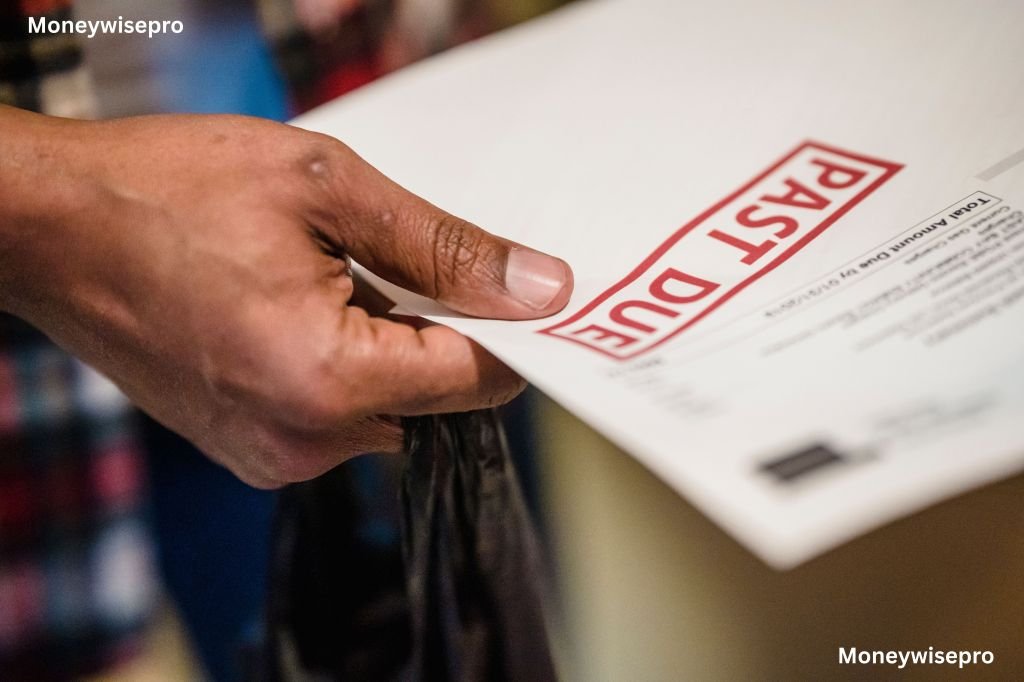
    Close-up of hands holding a credit card billing statement showing a past due balance notice.

    Here’s what actually helps, and it has nothing to do with waiting on Congress. A credit card late fee is one of the more negotiable charges on an account. Most major issuers have a “goodwill” adjustment process, and a first-time late payment on an account with a decent history gets waived more often than people expect, simply because someone called and asked. It costs nothing to try, and it works far more often than the regulatory back-and-forth would suggest.

    The second fix is even simpler: set at least the minimum payment to autopay. That one setting doesn’t cost you any flexibility, since you can still pay more manually whenever you want, but it guarantees a credit card late fee never becomes a possibility in the first place, no matter how busy or forgetful a particular month turns out to be. Most banking apps let you set this up in under two minutes, and it’s one of the few money habits that quietly protects you without ever requiring a second thought once it’s in place.

    Same principle applies to a related credit card myth worth clearing up while we’re on the topic:
    Average American Owes $6,715 in Credit Card Debt. The Fed Just Made That Number More Painful.

    A person at a kitchen table talks on the phone while reviewing a paper bill.

    Here’s a nuance almost nobody explains clearly. A credit card late fee gets charged the moment your payment is late, sometimes just a day past the due date. Your credit score is a different matter entirely. Under federal credit reporting rules, an issuer generally cannot report a late payment to Equifax, Experian, or TransUnion until it’s a full 30 days past due. That means a payment that’s five or ten days late can cost you a real credit card late fee without touching your credit score at all, as long as you catch up before hitting that 30-day mark. The fee and the score damage are two separate clocks, and mixing them up is one of the most common money mistakes people make after a missed due date.

    This helps explain why keeping track of due dates matters more than most people admit:
    Is Your Credit Report Really Free in 2026? Here’s What the New $16 Fee Actually Means

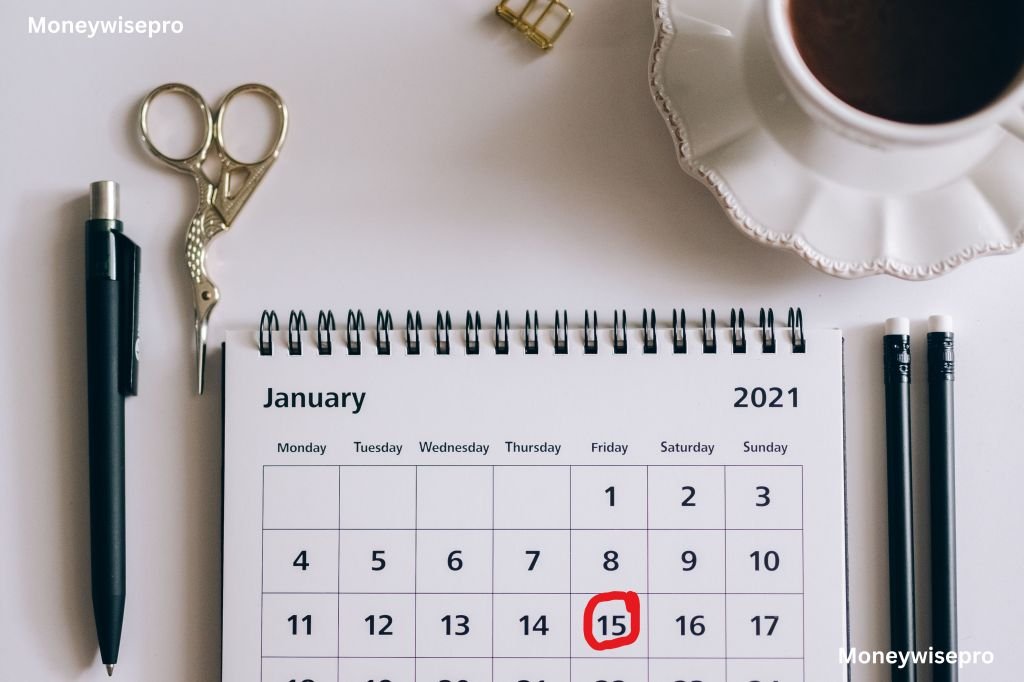
    A wall calendar shows a payment due date circled in red beside a credit card.

    For anyone who wants the short version of how we got here, this is the real timeline behind the headline:

    DateWhat Actually Happened
    March 2024Rule finalized, capping the fee at $8
    May 2024Blocked by a federal court before it ever took effect
    April 2025Vacated by settlement, old fee amounts stay in place
    January 2026Senate Democrats reintroduce a bill to force the $8 cap into law
    July 2026The agency signals it may attempt new rulemaking again

    None of these dates change what’s due on your own account today, which is exactly why a simple reminder system beats relying on memory or old news. a free tracker worth keeping on hand for exactly this kind of situation can catch a payment before it turns into a credit card late fee in the first place.

    Money stories like this one tend to get repeated long after the facts change underneath them, and that gap is where real money gets lost every single day. A five-minute phone call to ask for a fee waiver almost always costs less than staying quiet and assuming nothing can be done.

    Have you ever paid a credit card late fee without asking whether it could be waived first?

    Disclaimer: This article is for general information only and is not financial or legal advice. Fee rules and financial regulations can change, so confirm current terms directly with your card issuer before making a decision.


  • Is Your Credit Report Really Free in 2026? Here’s What the New $16 Fee Actually Means

    Is Your Credit Report Really Free in 2026? Here’s What the New $16 Fee Actually Means

    Is your credit report really free in 2026? For most people, yes, but not always, and the fine print just got a fresh update. Starting January 1, 2026, the Consumer Financial Protection Bureau raised the maximum fee a credit bureau is allowed to charge for a credit report to $16, up 50 cents from the old $15.50 cap. That number sounds small, until you’re the one staring at a checkout screen wondering why a report you assumed was free suddenly has a price tag on it.

    This isn’t a brand new tax on your credit history. It’s an annual inflation adjustment the Fair Credit Reporting Act has required every year since the 1990s, and it only kicks in for people who fall outside the free-report rules. The real problem is that most Americans have no idea what those free-report rules actually cover, so a fee that should almost never apply to them ends up catching people off guard anyway.

    That confusion costs people real money. Some pay $16 out of pure uncertainty, not because they were required to. Others skip checking their credit report altogether because they assume it always costs something, and that avoidance is exactly how errors, old collections, and identity theft slip through unnoticed for months.

    So is your credit report really free in 2026, or not? The honest answer is that it depends entirely on how and when you ask for it, and almost nobody walks through those rules before they hit the request button. A little context turns a confusing checkout screen into a five minute task with zero surprises.

     A person sits at a house garden table reviewing paperwork while checking a laptop screen .

    Here’s what’s actually free, and it covers almost everyone. Since September 2023, all three major bureaus, Equifax, Experian, and TransUnion, permanently offer one free credit report every week through AnnualCreditReport.com, the site created specifically for this purpose under federal law. That weekly access never expires, and it applies whether you’re checking for the first time this year or the fifth.

    On top of that, the Fair Credit Reporting Act guarantees a free report in several other situations. If you were denied credit, insurance, employment, or housing in the last 60 days based on something in your file, the report is free. If you’re unemployed and job hunting within the next 60 days, it’s free. If you’re on public assistance, or you believe your file is inaccurate because of fraud, it’s free too, according to the Federal Trade Commission.

    The $16 fee cap only applies once you’ve used up your free options and request an additional report outside of those exceptions, say, a second pull in the same week out of pure curiosity, or a report from a smaller specialty bureau that tracks things like rental history or medical debt. The CFPB confirmed the new 2026 cap in a final rule that adjusts the maximum charge for inflation every year, as required by law.

    Here’s the practical part. Go straight to AnnualCreditReport.com, not a copycat site, and request your report there first, every time, before anywhere else. If a site asks for a credit card number just to view a report, that’s the fee-based route, not the guaranteed free one, and it’s usually not necessary. Keeping that one habit is really the whole answer to whether your credit report is free in 2026, since the free path almost always covers what people actually need.

    Worth separating clearly: this fee is about your credit report, the full file of your account history, not your credit score. Scores are a different product, and plenty of banks and card issuers hand those out free with no catch, so a $16 charge for a report doesn’t mean your score is locked behind a paywall too.

    Speaking of scores, this one clears up a common myth about what actually moves the number:
    Your Income Doesn’t Affect Your Credit Score. Here’s What Actually Does.

     Close up of hands holding a printed credit report next to an open laptop computer.

    Some people figure paying $16 once in a while isn’t worth arguing over, and for a household with room in the budget, that’s a fair call. But for someone stretching every paycheck, that’s a real cost for something the law almost always guarantees for free, and paying it usually means the free option was overlooked, not that it didn’t exist. Is your credit report really free in 2026 even in that situation? Almost always yes, as long as you know which door to walk through first.

    There’s also a version of this that costs more than money. Skipping your credit report because you assume it costs something means you might not catch a collection account that isn’t yours, a credit card opened in your name, or an old medical bill still dragging your score down long after it should have dropped off.

    That last one matters more than most people realize:
    Medical Debt Can Still Wreck Your Credit Score. Here’s the Real Rule in 2026.

    A calendar shows a circled date next to a coffee cup on a desk.
    SituationDo You Pay?Cost
    Weekly report from AnnualCreditReport.comNo$0
    Report after a credit, job, or housing denial (last 60 days)No$0
    Report while unemployed and job huntingNo$0
    Extra report outside the free cases aboveMaybeUp to $16 (2026 cap)

    If tracking dates like these feels like one more thing you’ll forget, that’s normal, and it’s exactly why a simple system beats relying on memory. A free tracker you can grab in under a minute can help you keep track of when you last checked instead of guessing.

    Checking a credit report feels like homework nobody wants to do until something goes wrong and it suddenly becomes urgent. A five minute check now beats a stressful phone call to a credit bureau six months from now.

    Have you actually checked whether your last credit report request was free, or did you end up paying for something you didn’t have to?

    Disclaimer: This article is for general information only and is not financial, legal, or credit counseling advice. Rules and fee caps can change, so confirm current details directly with the CFPB, FTC, or the credit bureau before making a decision.

  • Your Car Insurance Renewal Just Went Up. Here’s Why, Even With a Clean Record.

    Your Car Insurance Renewal Just Went Up. Here’s Why, Even With a Clean Record.

    Car insurance renewal notices rarely explain why the price changed. The bill just shows up a little higher, no crash, no ticket, nothing on record, and most people pay it anyway because shopping around feels like a hassle. That’s exactly why so many drivers search the same thing every renewal season: their insurance went up after renewal and they want to know why their renewal is suddenly more expensive.

    Insurance companies don’t need a personal reason to raise your rate. They price by risk pools, not individual behavior alone. If claims went up across your state, your age group, or even your zip code, your premium can climb at renewal even though your own driving record never changed.

    That’s the part most drivers miss. The renewal price isn’t really about you specifically. It reflects what everyone in your rating category cost the insurer to cover over the past year, and 2026 has been an expensive year for that math industry-wide.

    So if your insurance went up after renewal and nothing on your record changed, this is almost always why. It is not a billing mistake, and it is not a punishment for anything you did. It is the industry-wide math above catching up with your rating category.

    Car insurance rates are climbing in more than 30 states this year, driven by higher repair costs, pricier replacement parts loaded with sensors and cameras, and rising medical claim costs after accidents. None of that shows up on your driving record, but all of it shows up on your bill.

    The scale of the increase is worth sitting with. Industry projections for 2026 put the national average premium increase at only about 1 percent for the year. That national number hides a lot of variation though: Connecticut is projected to see a 15 percent jump, and Kentucky and West Virginia are each projected to rise around 8 percent, while a handful of other states are actually seeing rates go down.

    A man in a blue shirt frowning while opening a car insurance renewal envelope in his kitchen

    The increases aren’t evenly spread either. Some states are seeing much sharper hikes than others this year, tied to local repair costs, weather-related claims, and how competitive the insurance market is in that state. A driver in one state can see a modest renewal bump while someone with an identical record in another state sees a much bigger jump, purely based on geography.

    Auto-renewal makes this worse. Most policies renew automatically unless you cancel, so the new price gets charged without anyone actively agreeing to it. A lot of people don’t even open the renewal notice closely enough to see the number changed until the payment already went through.

    This helps:
    My Bank Account Fees Are Eating My Paycheck

    Credit-based insurance scoring adds another layer most drivers don’t think about. In states where it’s allowed, a lower credit score can raise your premium even with a spotless driving record, since insurers treat credit history as a predictor of claim risk. This factor alone can swing a renewal price more than most people expect, and it moves independently of anything that happens behind the wheel.

    One more thing worth checking directly: some states have banned or restricted credit-based insurance scoring entirely, so the size of this effect depends heavily on where the policy is written. It’s worth a quick call to the insurer to ask plainly whether credit history factored into the new renewal number, since not every state or every insurer applies it the same way.

     A close-up of a hand holding a silver car key fob resting on insurance paperwork on a wooden desk

    Vehicle age and repair complexity matter too. Newer cars packed with cameras, sensors, and driver-assist features cost more to repair after even a minor fender bender, since a cracked bumper can now mean recalibrating a safety sensor. Insurers price that added repair risk into the premium regardless of who’s driving.

    Loyalty doesn’t pay off the way people assume either. Staying with the same insurer for years without ever comparing rates is one of the most common reasons drivers end up paying more than new customers get quoted for the identical coverage. Insurers count on that inertia, and some pricing models are specifically built around the assumption that long-term customers won’t bother shopping around.

    A rate increase notice almost never breaks down which of these factors applied in a given case, which is part of why so many drivers assume something must be wrong on their end. In most cases nothing is wrong. The pricing model simply updated for the whole risk pool, and the renewal reflects that update whether or not any single driver’s habits changed at all.

    There’s a real fix here, and it doesn’t take long. Getting quotes from two or three other insurers before a renewal date, even just once a year, is usually enough to catch a rate that’s climbed past what the same coverage costs elsewhere. Most comparison sites return results in a few minutes, and switching insurers rarely causes any real disruption to coverage.

    A woman in a gray cardigan comparing car insurance quotes on a laptop at her kitchen table

    Calling the current insurer directly is worth doing too, before switching anywhere. Simply asking what discounts are available, whether a safe-driver course qualifies for a reduction, or whether the mileage estimate on file is still accurate can shave real money off a renewal without any of the hassle of changing providers.

    Bundling home or renters insurance with auto coverage under the same company can also soften a renewal increase, sometimes by 10 to 15 percent, though the exact discount varies by insurer and state. It’s worth asking directly rather than assuming the current policy already includes every available discount.

    FactorCan raise premium without a claimDepends on state
    Statewide claim and repair cost trendsYesYes
    Credit-based insurance scoreYesYes, banned in some states
    Vehicle repair complexity (sensors, cameras)YesNo
    Staying with the same insurer for yearsYes, indirectlyNo
    Bundling home or renters insuranceCan lower it insteadVaries by insurer

    Worth knowing:
    Your Emergency Fund Isn’t What It Used to Be. Here’s What Changed.

    Raising a deductible is another option worth checking, though it comes with a real tradeoff: a higher deductible lowers the monthly premium but means paying more out of pocket if an accident actually happens. That only makes sense with a real emergency fund behind it, not as a way to paper over a budget that’s already stretched thin.

    None of this means the renewal increase is unfair or a mistake on the insurer’s side. Rate hikes tied to statewide repair and claim costs are a real, documented trend this year, not a random price grab. The fix isn’t arguing with the insurer about a single bill. It’s checking the market before the new price gets treated as final, the same way anyone would compare prices before a big purchase.

    The next renewal notice is worth a closer look before it gets paid automatically. What would you find if you actually opened yours and checked?

    Disclaimer: MoneyWisePro is not a financial advisor, lawyer, or insurance agent. This article is for general information only and is not financial or insurance advice. Always check with your own insurer or a licensed agent before making coverage decisions.

  • Does Buy Now Pay Later on DoorDash Affect Your Credit Score?

    Does Buy Now Pay Later on DoorDash Affect Your Credit Score?

    Ordering dinner used to mean one decision: pay now or don’t order. Now DoorDash and Instacart let you split that same order into four payments through Klarna, and a lot of people are asking does buy now pay later on DoorDash affect your credit score before they tap confirm. The honest answer is more complicated than most articles admit.

    Food delivery already made overspending easy. Add a $6 delivery fee, a $4 service fee, and a tip on top of the actual meal, and the real cost of ordering in creeps up fast. Buy now pay later for food didn’t invent that problem. It just removed the last thing stopping people from ordering anyway: not having the full amount available right now.

    That’s the real risk here. When the app lets you pay for a $40 dinner in four $10 chunks, the dinner is gone long before the debt is. You’re not financing a couch or a laptop you’ll still own in six months. You’re financing something you already ate.

    A person checking a food delivery app and payment options on a smartphone at home

    Here’s where the credit score part actually gets real. For years, most BNPL providers didn’t report short-term “Pay in 4” plans to the major credit bureaus at all, which is part of why the apps felt consequence-free. That’s starting to change, though not the way most people assume. According to Credit Karma’s explanation of BNPL credit reporting, Affirm began reporting new installment loans to Experian in April 2025 and TransUnion in May 2025. Equifax has not joined that rollout yet, and in May 2026, US senators sent Equifax a formal letter asking exactly how it plans to handle BNPL data going forward. So does buy now pay later on DoorDash affect your credit score? Increasingly, for some bureaus, yes, especially if a payment is missed or a plan goes to collections.

    The bigger issue isn’t one missed $10 payment. It’s what happens when someone is running four or five of these plans at once across different apps, which is now common. Each individual plan looks small. Add them together with rent, a phone bill, and a car payment, and the math stops working quietly, without anyone noticing until a payment bounces.

    The fix for that blind spot does not have to be complicated. The BNPL Stack Tracker is a $9 fillable PDF built for exactly this kind of stacking, one page for every open plan, so a food delivery split shows up next to the furniture payment and the phone installment instead of hiding inside five different apps.

    A person reviewing bills and grocery receipts at a kitchen table looking concerned

    This isn’t happening in isolation. According to LendingTree’s 2026 BNPL Tracker, 47% of BNPL users say they’ve paid late on a loan in the past year, up from 41% in 2025 and 34% the year before that. The same report found grocery use is climbing fast too: a separate February 2026 LendingTree survey found 25% of BNPL users are now buying groceries with it, nearly double the 14% rate from a year earlier.

    That grocery shift matters more than it might seem. Groceries and food delivery are recurring, necessary expenses. Financing recurring necessary expenses on a payment plan is a pattern that’s much harder to walk back than financing a one-time purchase like a couch or a laptop.

    Worth knowing: this isn’t the only recent shift affecting how Americans handle everyday spending.
    Why Most Americans Fail at Saving. And the One Habit That Changes Everything.

    DoorDash’s partnership with Klarna, first rolled out for delivery orders and expanded from there, made this mainstream fast. What used to be a niche option for electronics or furniture is now sitting right next to the “place order” button for a burrito. The convenience is real. So is the fact that this normalizes debt for something you’d otherwise just decide you can’t afford tonight.

    To be fair, not every use of BNPL on food delivery is reckless. Someone splitting a one-time large catering order for a family event into two payments, paid on schedule, isn’t creating a problem. The plans are also genuinely interest-free if paid on time, unlike a credit card carrying a balance. The danger isn’t the tool itself. It’s using it as a workaround for a budget that’s already too tight, on purchases that repeat every single week.

    This is why keeping every open plan visible matters more than any single payment.
    Personal Loans: The New Debt Trap Americans Are Walking Into

    If you’re wondering does buy now pay later on DoorDash affect your credit score for your own situation, the practical test is simple: could you have paid for this order today, in full, without the split? If yes, the four-payment option is just a convenience. If no, that’s the actual signal worth paying attention to, not the payment plan itself.

    There’s a simple way to catch this before it becomes a real problem. Before opening a new plan on a food order, check how many BNPL plans are already active across every app, not just the one in front of you. Most people underestimate this number because each app only shows its own plans, never the full picture across Klarna, Afterpay, and Affirm combined.

    Grocery bags and food delivery packaging sitting on a kitchen counter after arrival

    If BNPL is already part of how you manage food or grocery spending, seeing every open plan in one place beats trusting memory across three or four different apps. The free BNPL Payment Tracker lays that out on one simple page, no cost, instant download.

    Metric20252026
    Paid late on a BNPL loan in past year41%47%
    BNPL used for groceries14%25%
    Reports to Experian / TransUnionRolling outActive (Affirm)
    Reports to EquifaxNoNot yet, under review

    None of this means BNPL should be avoided entirely, or that everyone using it is in trouble. It means the four-easy-payments pitch was built for furniture and electronics, not for a meal you’ll finish in twenty minutes. That gap between the pitch and the product is exactly where people get into trouble without meaning to.

    Nobody splits a $40 dinner into four payments because they planned to. It usually starts as a one-time convenience and quietly becomes a habit before anyone notices the pattern.

    So the next time an app offers to split your dinner into four payments, what’s the real question you should be asking yourself before you tap yes?

    Disclaimer: This article is for general informational purposes only and does not constitute financial advice. BNPL terms, fees, and credit reporting practices vary by provider. Consult a licensed financial advisor for guidance specific to your situation.

  • 48% of Americans Made a Real Money Comeback in 2026 — Here’s What They Actually Did

    48% of Americans Made a Real Money Comeback in 2026 — Here’s What They Actually Did

    Why are fewer Americans living paycheck to paycheck this year? A new survey just found something unusual: the share dropped from 69% to 48%, the biggest one-year drop the survey has ever recorded.

    That’s not a small shift. For years, that number only climbed. Now it’s falling fast, and most people haven’t even heard about it yet.

    Living paycheck to paycheck means having almost nothing left over after bills each month. One missed shift, one car repair, and the whole budget collapses. For over half of working Americans, that was daily reality just twelve months ago.

    Woman looking at a bank statement with a calmer, more relieved expression at her kitchen table

    So what actually changed? According to the Debt.com 2026 survey of over 1,000 Americans, the drop lines up with two things happening at once. Inflation cooled off from its recent highs, and more people started actively budgeting than ever before, with 53% now tracking a monthly budget compared to under half a few years ago.

    That second part matters more than people realize. A separate five-year study found that budgeting habits climbed steadily even as financial anxiety rose, which suggests people didn’t wait for the economy to fix itself. Many Americans changed their habits first, and the numbers followed.

    Not everyone is seeing the same improvement though. The drop was sharpest among people who already had some financial cushion to work with. Households already carrying heavy debt or supporting kids on a single income still report living paycheck to paycheck at far higher rates than the national average.

    Couple reviewing household spending and paperwork together at the kitchen table

    This is why the number matters even if your own situation hasn’t changed yet. A national average dropping doesn’t mean the pressure disappeared everywhere. It means enough people found breathing room that the overall trend shifted, while plenty of households are still stuck exactly where they were.

    Check this: if your income situation is part of what’s holding you back, credit isn’t always the reason people assume.
    Your Income Doesn’t Affect Your Credit Score. Here’s What Actually Does.

    There’s a counterargument worth taking seriously here. Some economists point out that wages still haven’t caught up with prices in every sector, and that a survey asking people how they feel about their finances can shift based on mood as much as actual numbers. A Bankrate survey from the same period found that most Americans still don’t have enough saved to cover three months of expenses, even with the paycheck-to-paycheck number improving. Feeling less stretched month to month and being financially secure are not the same thing.

    That gap is worth sitting with. Getting through the month without running out of money is progress. It’s not the same as having a real cushion for when something actually goes wrong. Nobody feels rich just because the bills got paid on time for once. That relief is real, but it fades fast the moment something unexpected shows up.

    Person setting up an automatic savings transfer using a banking app on their phone

    Same principle applies here as it did during the worst stretch of inflation. Small, automatic habits tend to outperform big one-time efforts. Setting even $20 a week to move automatically into savings does more over a year than waiting for a bonus or tax refund to catch up all at once.

    If the national trend is finally turning, the smartest move isn’t to relax. It’s to use whatever extra room shows up in the budget to build the safety net most people still don’t have.

    Learn this: the amount recommended for true financial safety hasn’t gone anywhere, even while the paycheck-to-paycheck number drops.
    Your Emergency Fund Isn’t What It Used to Be. Here’s What Changed.

    YearLiving Paycheck to PaycheckHave a Monthly Budget
    2021Not tracked in this format47%
    202569%Not tracked in this format
    202648%53%

    The takeaway isn’t that the money problems are solved. It’s that real behavior change, tracked in real surveys, actually moves the needle over time. That’s rare good news in personal finance, and it deserves attention even if your own numbers haven’t caught up yet.

    Has your own month-to-month budget gotten any easier this year, or does it still feel the same as it did in 2025?

    Disclaimer: This article is for general informational purposes only and does not constitute financial advice. Individual financial situations vary. Consult a licensed financial advisor for guidance specific to your circumstances.

  • Does Income Affect Your Credit Score? Here’s The Truth

    Does Income Affect Your Credit Score? Here’s The Truth

    Does income affect your credit score? Two-thirds of Americans think it does — but the answer is no.

    67% of Americans incorrectly believe income directly affects their credit score, or are unsure whether it does, when in fact annual earnings are not a scoring input at all. This isn’t a minor misunderstanding. This is the foundation of financial decisions being built on false information.

    You think you know what your credit score measures. Your job. Your salary. How hard you work. How responsible you are as a person. None of that is true. Your credit score measures one thing: how likely you are to pay back borrowed money on time. That’s it.

    The national average FICO score fell to 714 in 2026, ending an 11-year streak of uninterrupted gains. Gen Z’s average credit score dropped to 676 — the lowest of any generation. But these numbers mean something specific, and most people don’t understand what.

    Understand this: Medical Debt Can Still Wreck Your Credit Score

    Person looking confused and frustrated trying to understand credit score on phone
    Affects Score?FactorImpact
    NoIncomeNo effect
    YesPayment History35%
    YesDebt Used30%
    NoJob TitleNo effect
    NoEducationNo effect

    FICO Score Trends:

    MetricScore/NumberSourceYearNote
    National Average FICO714FICO2026Ended 11-year gain streak
    Gen Z Average676FICO2026Lowest of all generations
    Payment Late Impact50-100 pointsFICOAny30+ days late
    Utilization ThresholdKeep <30%Credit modelAnyOptimal utilization

    Americans’ Credit Misconceptions:

    MisconceptionPercentageReality
    Income affects score67% believe/unsureIncome NOT a scoring factor

    Many Americans think credit scores measure their financial worth. Higher score = better person, more stable, more trustworthy. Lower score = irresponsible, risky, untrustworthy. That’s how the score gets used in hiring decisions, rental applications, and loan approvals — so it feels like it measures character.

    But that’s not what it measures. It measures: payment history, amounts owed, length of credit history, credit mix, and new credit inquiries. Nothing about your income, your job, your education, or your character.

    Here’s what this means in practice: a millionaire with no debt and no credit history has a worse credit score than someone making $30,000 a year with a 30-year mortgage, car loan, and credit card they’ve maintained perfectly for years. The lower earner has more credit history and more diverse credit types. The millionaire is invisible to the scoring model.

    Many Americans make decisions based on this misconception. They think: “If I make more money, my score will go up.” So they focus on getting a raise instead of paying their credit card on time. They lose focus on the one thing that actually matters: on-time payment.

    Connected: Average American Owes $6,715 in Credit Card Debt

    Person carefully reviewing credit report statement

    A single missed payment 30 or more days late can lower a score by 50 to 100 points, regardless of how many accounts a consumer holds or how long their credit history stretches back. Your income is irrelevant to this calculation.

    The five factors that actually control your score:

    1. Payment history (35%): Are you paying on time? That’s it. Not how much, just on time.
    2. Amounts owed (30%): How much of your available credit are you using? Keep it below 30% of your limits.
    3. Length of credit history (15%): How long have you had credit accounts? Older is better.
    4. Credit mix (10%): Do you have different types of credit (credit cards, loans, mortgage)? Variety helps.
    5. New credit (10%): How many times have you applied for new credit recently? Multiple applications in a short time hurts.

    Income doesn’t show up anywhere. Your job title doesn’t show up. Your education doesn’t show up. Your employment history doesn’t show up.

    Many Americans learn this fact and feel angry. “That’s not fair. I work hard. I make good money. Why is my score lower than someone who makes less?” Because the credit bureaus don’t care about fairness. They care about predicting whether you’ll pay back a loan. Your paycheck size doesn’t predict that. Your payment behavior does.

    The second major misconception: most people think their credit score stays the same. It doesn’t. Your score can update whenever a creditor reports new data to the bureaus — typically every 30 to 45 days per account. Make one on-time payment, and your score can move. Miss one payment, and it can drop 100 points instantly.

    Person checking calendar or phone for upcoming payment due dates, staying organized

    This matters because credit scores are now used in ways most people don’t realize. Landlords check them before renting you an apartment. Some employers check them before hiring you. Insurance companies use them to set your rates. Credit scores affect your life in ways you probably don’t see.

    The hard truth: if you’re waiting for more income to fix your credit score, you’re waiting for something that won’t help. If you’re making good money but missing payments, your score will be low. If you’re making minimum wage but paying everything on time, your score will be higher.

    Start here: set up automatic payments for at least the minimum due on every account, so you never miss a payment deadline. That single change — automation — will do more for your credit score than a $10,000 raise ever will.

    Check your credit report at AnnualCreditReport.com once a year. Look for errors. Dispute them if you find them. That takes 20 minutes and can fix a score that’s being dragged down by someone else’s mistake.

    Stop blaming your income for your score. Start paying attention to your payment dates. That’s where the real control is.

    Applied: Why I Used to Avoid Opening My Own Bank App

    Disclaimer: This article is for educational purposes only and should not be considered as financial or legal advice. Credit scores, scoring models, and factors affecting your credit vary by agency and lender. Consult with a qualified financial advisor or credit counselor before making major financial decisions based on credit information.