Tag: 2026-retail

  • Grocery Store Prices Can Now Change While You’re Still Shopping

    Grocery Store Prices Can Now Change While You’re Still Shopping

    The number on the shelf used to be the number you paid. That’s changing fast, and it’s exactly why so many people are asking whether grocery store prices can change while you’re still shopping. Walmart, Kroger, Schnucks, Whole Foods, and Amazon Fresh are all rolling out electronic shelf labels, small digital screens that replace paper price tags and can update instantly, sometimes multiple times a day.

    Here’s the part that actually matters for a grocery budget. A digital tag isn’t just a paper tag with a screen instead of ink. It’s connected to a system that can raise or lower a price based on time of day, day of the week, or demand, the same basic idea behind how airline tickets and rideshare prices move.

    A woman scanning a grocery shelf price tag with her phone

    Research firm Decodo tracked 1.5 million grocery items across 120 platforms and found real movement, not a rumor. Roughly half of prices went up and half went down over the study period, meat prices climbed 11.3% over six months while dairy and pantry staples actually dropped. The same research found prices tend to run highest on Saturdays and lowest on Wednesdays and Mondays at Walmart and Kroger specifically, according to reporting from First Alert 4.

    That day-of-week pattern is worth sitting with for a second. If a store can quietly charge more on a Saturday, when most working families actually do their shopping, the person with the least flexible schedule pays the highest price without ever knowing a lower one existed two days earlier.

    Related read:
    82% of Americans Changed How They Shop for Groceries Last Year. Here’s What I Started Doing With Mine.

    This isn’t just a shopper’s hunch either. Senators Elizabeth Warren and Bob Casey sent Kroger a direct letter over exactly this concern, warning that electronic shelf labels could let stores raise the price of a turkey right before Thanksgiving, or ice cream on a hot day, timed to whenever demand is highest. The letter cited a 2021 UCLA analysis concluding that time-based pricing creates value for the store through higher prices while offering the shopper nothing back.

    A man checking his receipt against a shelf price tag in a grocery aisle

    The financial backdrop makes the concern harder to wave off. Grocery spending already ate up 11.2% of the average household budget in 2023, a 30-year high, while Kroger alone reported 3.1 billion dollars in operating profit that year with gross margins above 20% for five straight years. When a company adds a tool that can move prices by the hour, and profit margins are already that strong, the burden of proof shifts to explaining why prices would only ever move down.

    Retailers are pushing back on the dynamic pricing label specifically. Walmart has stated its digital tags cannot be used for what it calls surveillance pricing, and Schnucks says it doesn’t use dynamic pricing at all, attributing price changes to supplier and logistics costs instead of demand. Those denials are worth taking seriously, but they don’t change the underlying fact that the technology to move prices by the hour now exists in more stores than it did a year ago.

    Data pointDetail
    Items tracked (Decodo study)1.5 million, across 120 platforms
    Meat price change (6 months)+11.3%
    Dairy and pantry staplesDeclined over same period
    Highest price daySaturday
    Lowest price daysMonday and Wednesday
    Kroger FY23 operating profit$3.1 billion

    None of this means every grocery store with a digital tag is quietly gouging shoppers. Some of these systems genuinely exist to cut down on the labor cost of printing and swapping thousands of paper tags by hand, and price drops happen just as often as increases in the actual data. The real issue isn’t that grocery store prices can change while you’re still shopping, it’s that most shoppers still assume the shelf price is fixed for the day, when it increasingly isn’t.

    Also useful:
    I Was Shocked When I Saw My Grocery Bill Last Week

    There’s a privacy layer to this too that’s easy to miss. The Warren-Casey letter also flagged that Kroger has explored facial recognition cameras tied to personalized pricing, the idea being that a store could eventually learn how much a specific shopper is willing to pay and price accordingly. That’s a different, more targeted version of the same underlying shift: the price is no longer a fixed fact printed on a tag, it’s a number a system decides for that moment.

    A young woman comparing grocery prices on a phone app in a supermarket aisle

    The practical fix doesn’t require new technology on the shopper’s side. Since the data shows prices trending lower earlier in the week, shifting a grocery run to Monday or Wednesday instead of the weekend is a real, free way to land on the cheaper side of the same item. It’s a small habit, not a guarantee, but it’s grounded in the actual pattern the research found rather than a guess.

    Worth trying:
    10 Easy Ways to Save Money Every Month

    Checking a receipt against the shelf price is also worth doing more than most people bother to. Many states have laws requiring a refund or a free item if a scanner rings up higher than the posted shelf price at the time of purchase, though the exact rule varies by state and isn’t guaranteed everywhere. A photo of the shelf tag before checkout, taken with a phone already in hand, costs nothing and settles the question fast if the total looks off.

    Many Americans grew up assuming a grocery store’s prices were the same for everyone walking through the door that day. That assumption is quietly getting more complicated as digital shelf tags spread to more chains, and the shift is happening well before most shoppers have any reason to notice it.

    None of this means grocery shopping needs to become a research project every week. It means the sticker on the shelf is worth a second look now, since grocery store prices can genuinely change while you’re still shopping, not because it’s wrong, but because it might already be different from what it was an hour ago.

    Have you noticed a grocery price change between visits to the same store recently, or is this the first time you’re hearing digital tags could be why?

    Disclaimer: MoneyWisePro is not a financial advisor, lawyer, or retail industry professional. This article is for general information only and is not financial advice. Always check with your local consumer protection office regarding pricing laws in your state.


  • Why Do So Many Stores Charge You to Return Something Now?

    Why Do So Many Stores Charge You to Return Something Now?

    A few years ago, returning something you didn’t want was simple. Print a label, drop the box off, get your money back. That’s not how it works at most stores anymore, and why do stores charge you to return something now is turning into one of the most common questions shoppers type into Google before they even try. The honest answer is that returns quietly became one of retail’s biggest cost problems, and stores decided shoppers should help cover it.

    So do returns cost money now? For most major retailers, yes. It is no longer a free undo button on a purchase, and shoppers who assume otherwise are the ones most likely to get surprised by a smaller refund.

    Here’s what most people don’t realize until the fee shows up on their refund. Nearly three-quarters of retailers now charge for at least some returns, up from 66% just last year, according to industry data reported by TheStreet. This isn’t a handful of stores testing something new. It’s become the normal way retail operates now, and it happened fast enough that a lot of shoppers haven’t caught up to it yet.

    A woman holding a return shipping box while checking her phone

    The reason stores added these fees isn’t complicated once you see the math. A Pollen Returns co-founder explained it plainly to Today.com: just processing a single returned item can cost a retailer around $12, and that figure doesn’t even include restocking or the loss from reselling that item at a markdown later. Multiply that by millions of returns a year, and free returns stopped making financial sense for a lot of companies. That cost is the real reason why stores charge you to return something in the first place, not an attempt to punish anyone for changing their mind.

    The scale of returns is genuinely enormous. Retailers expect billions of dollars in merchandise to come back through their doors and warehouses this year alone, and online orders get returned at a noticeably higher rate than anything bought in person. A return fee, from the store’s side, isn’t about punishing shoppers. It’s about not eating a cost that used to be invisible to everyone except the finance department.

    Related read:
    The Average American Spends $3,045 a Year on Impulse Buys. I Almost Became One of Them Last Week.

    What makes this expensive for shoppers is that the fees aren’t small or one-size-fits-all. Marshalls and T.J. Maxx deduct close to $12 for a mailed-back return. Macy’s takes about $9.99 off the refund unless the shopper is enrolled in its loyalty program, which waives it. JCPenney and J.Crew fall in the $7 to $8 range, Zara charges roughly $4.95, Urban Outfitters takes $5, and Dillard’s adds close to $9.95 on top of any restocking charge. Best Buy goes further with electronics specifically, applying a restocking fee on opened items and a separate, steeper charge on activatable devices like phones and tablets.

     A man reading a receipt beside an opened cardboard return package

    Kohl’s takes a similar approach, applying a restocking percentage on non-defective items and treating shipping costs as non-refundable no matter what. None of these numbers sound huge in isolation. A $9.99 fee here, an $8 fee there. But for anyone who orders two or three sizes of the same shirt to try on at home, a habit called bracketing that a large share of younger shoppers openly admit to doing, those small deductions add up across every single return.

    RetailerTypical Return FeeFee Type
    Marshalls / T.J. Maxx~$11.99Mail-return shipping fee
    Macy’s~$9.99Waived for loyalty members
    JCPenney~$8.00Mail-return shipping fee
    Best Buy15% / up to $45Restocking (electronics)
    Kohl’s15%Restocking (non-defective)

    This is where the fee structure quietly changes shopping math that most people never think to run. Buying something on impulse used to carry almost no risk, since the worst case was a quick, free return if it didn’t work out. Now the worst case includes losing $5 to $12 of your own money just to undo a purchase you never should have made in the first place. Why do stores charge you to return something has a straightforward answer, but the ripple effect on everyday spending decisions is the part that catches people off guard.

    Also useful:
    Your Emergency Fund Isn’t What It Used to Be. Here’s What Changed.

    Retailers are watching consumer reaction closely, and the numbers suggest the fees are already creating friction. Close to half of merchants that started charging for returns report a real increase in customer complaints, and more than a third say they’ve lost repeat customers specifically because of the new fees. Shoppers care about return policy more than a lot of retailers may want to admit, with a large majority saying a store’s return terms factor directly into whether they buy there in the first place.

    There are still ways to avoid most of these charges without giving up online shopping altogether. Loyalty programs are the biggest lever, since several major retailers, including Macy’s, waive the return fee entirely for members, and signing up costs nothing. In-store returns are another workaround, since many of the fees only apply to mail-back returns, not items brought back to a physical location in person.

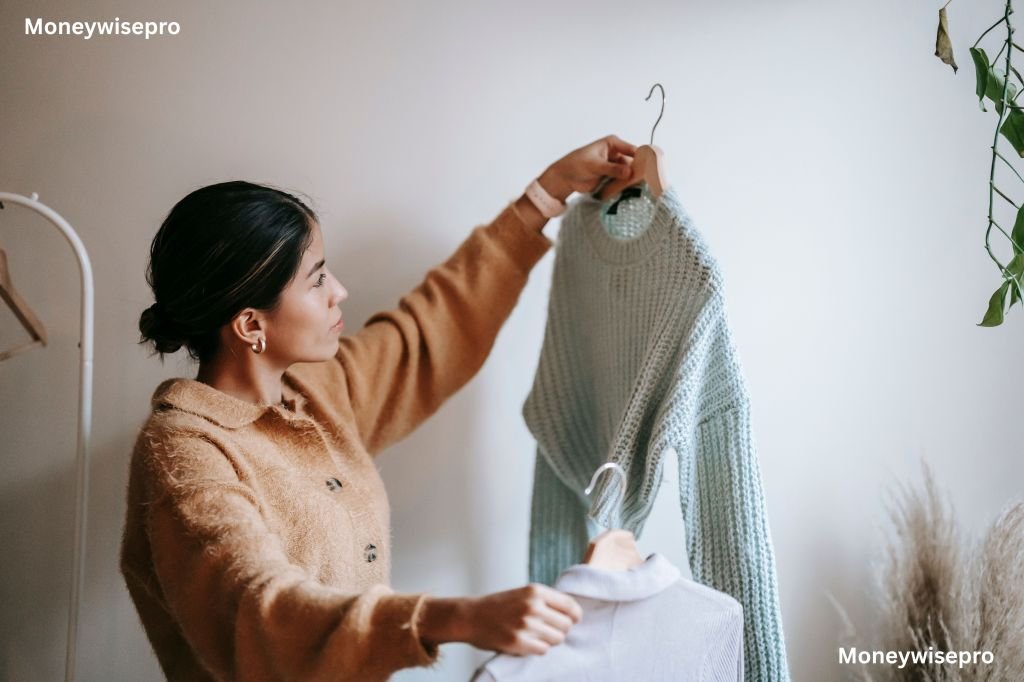
    A young woman comparing two similar sweaters before choosing which to keep

    Reading the return policy before checkout, not after the package arrives, is the simplest habit that actually prevents a surprise deduction. A lot of stores post the fee structure directly on the product or shipping page, and a thirty-second check before buying is a lot cheaper than an unwanted fee after the fact.

    One workaround most coverage of this trend skips entirely: choosing store credit or an exchange over a cash refund. Many retailers waive the return fee specifically when a shopper accepts a gift card or swaps for a different size or item instead of asking for money back. It only works if there’s something else in the store actually worth buying, but for anyone planning to shop that retailer again anyway, it’s a real way to skip the deduction entirely instead of eating it every time.

    Ties into this:
    My Bank Account Fees Are Eating My Paycheck

    Many Americans grew up with the assumption that returns were simply free, a built-in safety net for buying the wrong size or changing their mind. That assumption quietly expired over the last couple of years, and most people only find out the hard way, when a smaller-than-expected refund lands in their account. Watching that number shrink for no obvious reason is a strange kind of frustrating, and it usually takes checking the original order page to even understand what happened.

    None of this means returns are going away, or that shopping online has become a trap. It means the old habit of buying loosely with the plan to just return whatever doesn’t work out now comes with a real cost attached, one that’s easy to avoid with a little more intention before checkout instead of after.

    Before your next online order, is checking the return policy already part of your routine, or does the fee usually show up as a surprise?

    Disclaimer: MoneyWisePro is not a financial advisor, lawyer, or retail industry professional. This article is for general information only and is not financial advice. Always check the specific return policy of any retailer before making a purchase.