
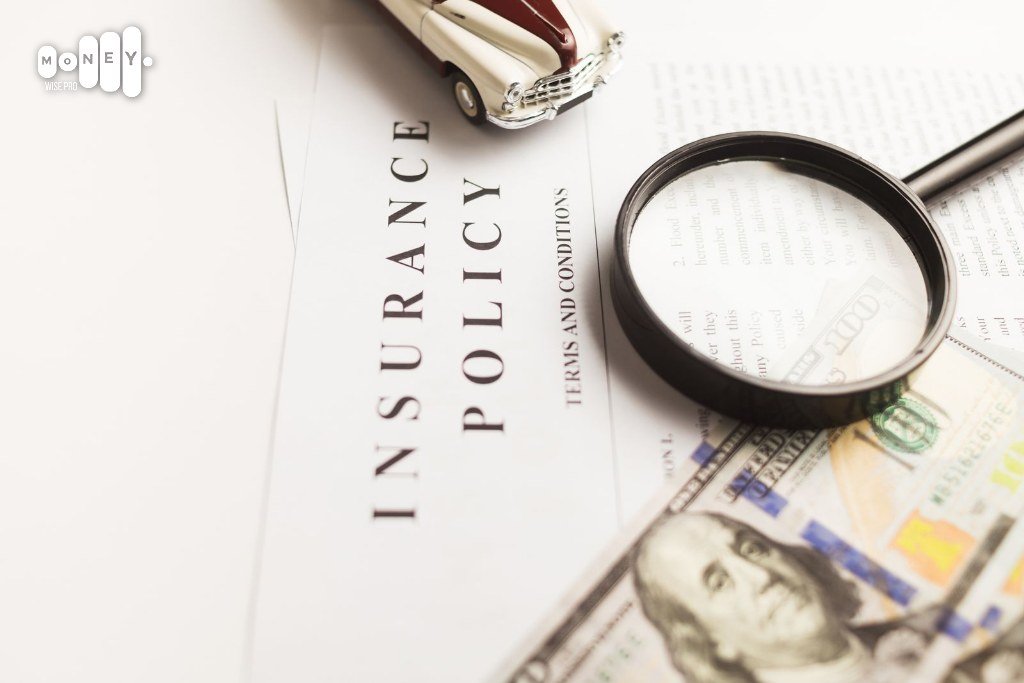
If your car insurance went up after renewal, your insurer can set a new price when a new term starts. But some states require advance notice, and some let you ask for the reason. Florida requires at least 30 days of notice. Washington gives you a right to an explanation now, and Connecticut adds one in 2027.
So a higher bill is not always the end of the story. This guide shows what four states require, how to read your renewal notice, and how to ask for the reason behind the new price.
Why Your Price Can Change at Renewal
An auto policy runs for a set term. When that term ends, the insurer offers a new one at a new price. The renewal is where a price change shows up.
A price change does not need a ticket or a crash on your side. The Washington insurance commissioner lists reasons that may appear in its future increase notices. The list includes:
- where the vehicle is kept
- your driving record and the miles you drive
- the number of drivers and vehicles on the policy
- claims you filed and your discounts
- fees and surcharges
- credit history, age and other rating factors
Some of those items, like your age, change without you doing anything. A lost discount is one to check. So is a new fee line that was not on the bill last year. That is why the next step matters more than the reason itself. You need to know what your insurer must tell you, and when.

Car Insurance Went Up After Renewal: What 4 States Require
Notice rules come from each state, so they differ. Here is what four official sources say.
In Florida, the state law on notice of renewal premium says the insurer must mail or deliver at least 30 days of advance written notice of the renewal premium. The same law also covers what happens when that notice is late. If the insurer skips the 30 days and the premium goes up, your coverage stays at the old rate until 30 days after notice is given, or until you get replacement coverage, whichever comes first.
In New York, the state rule on notification of rate changes covers increases filed under its flex-rating system for personal auto policies. For those increases, the insurer must send a notice 30 to 60 days before the policy period ends. The notice must state the specific reason or reasons for the change.
In Washington, the insurance commissioner page on premium increases says you can ask your insurer why your premium went up at renewal. The insurer must give a reasonable explanation in terms you can understand.
In Connecticut, Bulletin PC-94-26 from the state insurance department explains a new law that starts January 1, 2027. When a personal auto premium goes up at renewal, the billing notice must say you can ask why. The insurer must answer within 20 business days after it receives your request.
The 4 State Rules Side by Side
| State | What the insurer must do | Timing | Does it apply to every increase? |
|---|---|---|---|
| Florida | Send written notice of the renewal premium | At least 30 days before renewal | Yes, for personal auto policies covered by the law |
| New York | Send notice with the specific reasons | 30 to 60 days before the policy period ends | No, only increases from a flex-band rate filing |
| Washington | Explain the increase when you ask | Not stated on the page | Yes, when the premium increases at renewal |
| Connecticut | Explain the increase when you ask | Within 20 business days of your request, from January 1, 2027 | Yes, when the premium increases at renewal |
Your state may have different rules. Your state insurance department is the place to check.
The New Trend: Insurers Must Explain the Increase
The bigger change is not about notice days. It is about reasons. Two states have rules that are still rolling out.
Washington has three dates to watch. Starting in November 2026, insurers must include an email address or electronic message option for these requests. In March 2027, insurers must list up to three primary factors behind the increase. From January 1, 2029, an increase of 10% or more must come with the reasons, even if you never ask.
Connecticut sets rules for how you ask. Insurers must accept a request by mail, phone or email. The statement about your right to an explanation must sit at the beginning of the billing notice, in twelve-point bold type. A phone answer must cover the specific parts of your own increase.
These rules make a car insurance renewal less of a take it or leave it offer. They help you see what actually changed.

A Worked Example With Real Numbers
Here is a hypothetical driver in Washington, after the 2029 rule takes effect.
| Line on the renewal | Last term | New term | Change |
|---|---|---|---|
| Total premium | $1,200 | $1,380 | +$180 |
| Percent change | – | – | +15% |
| Above the 10% line? | – | – | Yes, the insurer must tell you why |
At 15%, this driver would get the main reasons without asking. A driver at 8% would not cross that line, but could still ask for an explanation. That $180 is real money for one year. Nobody wants to pay it without knowing what it bought.
Your registration renewal can change for reasons of its own as well:
Why Did My Car Registration Go Up? Find the Line on Your Renewal That Changed
Why Is My Car Insurance Renewal More Expensive? Read These Lines First
Before you call anyone, put the declarations page from last year next to the new one. Then compare these lines.
- Drivers listed. An added or removed driver can change the price.
- Vehicles listed. Check that an old car is not still on the policy.
- Garaging address. Where the vehicle is kept is one of the listed reasons, so a move can change the rate.
- Coverages and limits. Make sure nothing was added that you did not ask for.
- Discounts. Look for a discount you had last term that is missing now.
- Fees and surcharges. Check for a new line or a higher amount.
- Claims and violations. Make sure each one listed is really yours.
A renewal increase can hide in one line. A missing discount is easier to fix than a new rate. If every line matches and the price still rose, the reason is not on the page in front of you. That is exactly what an explanation request is for.
Other policies can rise at renewal with no claims at all:
Why Did My Pet Insurance Go Up With No Claims in 2026?
How to Ask Your Insurer Why the Price Went Up
Washington gives a simple model for this request. It asks for your name, policy number and renewal date. You can use the same idea in any state, even where no law forces an answer. Here is a short version you can copy.
My name is [your name]. Policy number [number] renewed on [date] at a higher premium. Please send me a written explanation of the reasons for the increase.
Then follow these steps.
- Send it in writing. Use the email or mailing address on your renewal notice. Keep a copy.
- Write down the date you sent it. In Connecticut, the 20 business day clock starts when the insurer receives your request.
- Match the answer to your own policy. Check each reason against the lines in your declarations page.
- Fix what is wrong. Ask to restore a lost discount or to correct a wrong driver, vehicle or address.
- Get two or three other quotes for the same coverage before the renewal date.
- Contact your state insurance department if the insurer does not answer or the notice came late.
Honestly, a ten-minute email can tell you more than an hour on hold.

Can Car Insurance Increase Without Notice?
It depends on your state and on when the change happens. In Florida, a renewal increase without 30 days of notice keeps your old rate in place for a time. In New York, an insurer cannot apply a flex-band rate increase unless it mailed or delivered the required notice.
Outside those rules, look at your policy documents and your state insurance department site. If a notice arrived late, write down the date it reached you. That date can matter when you talk to the insurer or file a complaint.
Insurance costs tied to your home can climb in the same quiet way:
You Paid the Escrow Shortage in Full. Your Payment Still Went Up. Here Is Why.
Keep Your Renewal Dates in One Place
A renewal notice can arrive just weeks before the new term. Writing down each policy, its renewal date and the premium you paid last term makes the next increase easy to spot. You can start with a free tracker with a row for every policy renewal date and premium.
When your car insurance went up after renewal last time, did anyone ever tell you the real reason?
Disclaimer: MoneyWisePro is not an insurance company or financial advisor. This article is for general information only and is not financial or legal advice. Contact your insurance company or state insurance department for guidance on your specific situation.













Leave a Reply