You open the renewal notice expecting the same number you paid last year, and instead the total is twenty, thirty, sometimes fifty dollars higher. If your car registration fee went up this year and you have no idea why, you are not imagining it, and there is no mistake on your bill. Across the United States in 2026, a wave of states are raising these fees on purpose, and most drivers never see it coming until the renewal lands in their mailbox.

Most drivers assume registration is one flat number the state sets once and never touches again. In reality it is usually a stack of separate charges layered together: a base state fee, a weight-based fee tied to how heavy your vehicle is, sometimes a value-based tax tied to what the car is worth, a county or local add-on, and in a growing number of states, a separate electric or hybrid vehicle surcharge. Each piece can move on its own schedule, set by a different part of the state government, which is exactly why the total on your renewal can jump even in a year when nothing about your own car has changed.
This matters because most people only find out their car registration fee went up when the bill is already sitting in front of them, with no breakdown of which piece actually moved. A weight fee, a road fund add-on, and a flat base charge can all live on the same renewal notice, and states rarely explain the split in plain language. Knowing the pieces exist is the difference between assuming your state made a mistake and understanding exactly which line item changed and why.
New Mexico is a clear example of the 2026 wave. Passenger vehicle registration fees there jumped roughly 25 percent, moving from a range of about 21 to 56 dollars a year up to roughly 26 to 70 dollars, effective July 1, 2026, according to the state’s own transportation department. The reasoning New Mexico gave is blunt: the fee had not moved since 2004, inflation has climbed more than 75 percent since then, and the state needs an estimated 70 million dollars a year for the State Road Fund because more than half of its roads need repair.
Ohio moved on a similar timeline. Starting January 1, 2026, the standard non-commercial registration fee rose from 11 to 16 dollars, a 45 percent increase reported by WCPO, with the extra money going directly to the Ohio State Highway Patrol, which had been running on registration-fee funding frozen for more than twenty years while its real buying power quietly shrank.
Maryland’s increase came in stages instead of one jump. A typical passenger car registration went from about 87 dollars a year before 2024 to 110.50 dollars in July 2024, then up again to 120.50 dollars by July 2025, an increase of roughly 38 percent across two rounds, according to Maryland’s own published fee numbers. Heavier passenger vehicles were hit even harder, climbing from around 93.50 dollars a year to 191.50 dollars, more than double.
Related read: why your car insurance renewal went up even with a clean driving record, which is the same kind of quiet annual squeeze on a different bill.

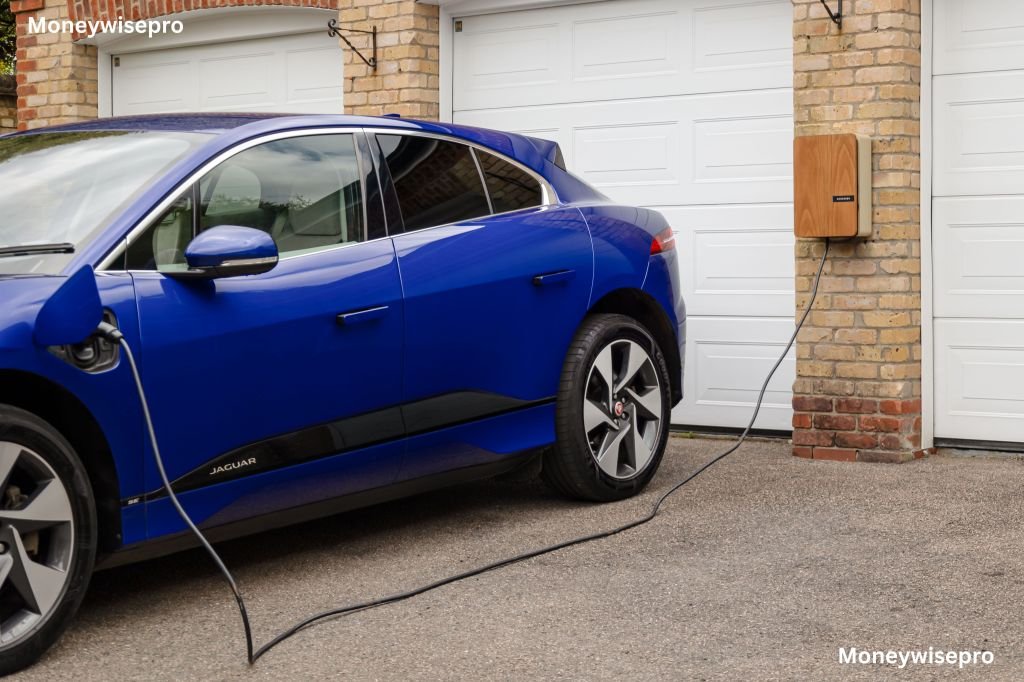
The other piece of the 2026 story is electric and hybrid vehicles. Since EVs and plug-in hybrids do not buy gasoline, they contribute nothing to the fuel taxes that traditionally pay for road repair, so states have been adding a separate yearly surcharge to make up the difference. By 2025, 39 states already had some version of this fee, ranging from roughly 50 to 290 dollars a year, and the list keeps growing every legislative session.
| State | Old Annual Fee | New Fee (2026) | Increase |
|---|---|---|---|
| New Mexico | $21–$56 | $26–$70 | ~25% |
| Ohio (non-commercial) | $11 | $16 | ~45% |
| Maryland (standard passenger car) | $87 (pre-2024) | $120.50 (2025) | ~38% |
Many Americans open that renewal notice expecting the exact same number as last year, and feeling blindsided by a higher total is a completely normal reaction, not something to feel foolish about. Once you know these fees are stacked from several separate pieces that each move on their own timeline, the jump stops feeling random and starts feeling like something you can actually plan for.
If you want to know your own state’s real number before the next renewal notice shows up, check your state’s Department of Motor Vehicles website directly instead of guessing from a national average, because these fees are set state by state and sometimes county by county. Search your own state’s DMV site for its vehicle registration fee schedule and look at the actual dollar table, not someone else’s blog estimate, so you are not caught off guard the next time your car registration fee goes up.
It is also worth checking whether your own state is one of the ones still debating a fee increase for next year rather than one that already passed it, since most of these bills get discussed months before they take effect. A quick search for your state’s name plus the phrase vehicle registration fee bill through your state legislature’s own website will usually show you if something is already moving through committee. Catching it early gives you time to budget for the higher number instead of being surprised by it at renewal time, and it also means you are reading real proposed numbers instead of a rumor someone shared online.
Related read: why the average car payment just hit a record high if rising loan costs are also squeezing your budget this year.
Registration is just one of several yearly car costs that are easy to forget about until the bill shows up, alongside insurance renewals, inspection fees, and now these registration hikes, all landing at different times of the year. If you want a simple way to see these costs coming instead of getting surprised every time, grab the no-cost annual expense planner here and plug in your own renewal dates.
Did your own registration renewal go up this year, and did you know the real reason before reading this?
Disclaimer: MoneyWisePro is not a financial advisor. This article is for general information only and is not financial advice. Contact a licensed financial professional for guidance on your specific situation.
Leave a Reply