You hand over your card at the coffee counter, the self-checkout kiosk, or the tire shop, and the screen flips around asking for 18, 20, or 25 percent, with a cashier or camera lens somewhere nearby. That moment of tip screen guilt is not just in your head. Americans reluctantly tipped an average of 283 dollars in 2025 just from feeling pressured in that exact moment, money that never made it into a real budget plan.
Digital tip prompts used to show up mostly at sit-down restaurants. Now they pop up at drive-throughs, hair salons, dog groomers, and self-checkout lanes where there is no server bringing you a plate at all. The screen does not care whether a human actually did extra work for you. It just asks, and most people feel too watched to hit the no tip button.
That is the real problem behind tip screen guilt: it turns a voluntary reward into a rushed, emotional decision made under someone’s gaze, and that rushed decision quietly eats into money that was supposed to go somewhere else. Many Americans report changing how they shop and pay specifically because of this pressure, not because they suddenly decided service workers deserved more.
Part of the trick is how the screen is designed in the first place. Most kiosks show a default set of options like 18, 20, and 25 percent instead of a blank field, and that starting point quietly shifts what feels normal to tip. Pick a low number and you feel like you are being cheap in front of the person watching the screen. Pick the highest number and you barely notice the extra few dollars sliding out of your account, one tap at a time, all month long.
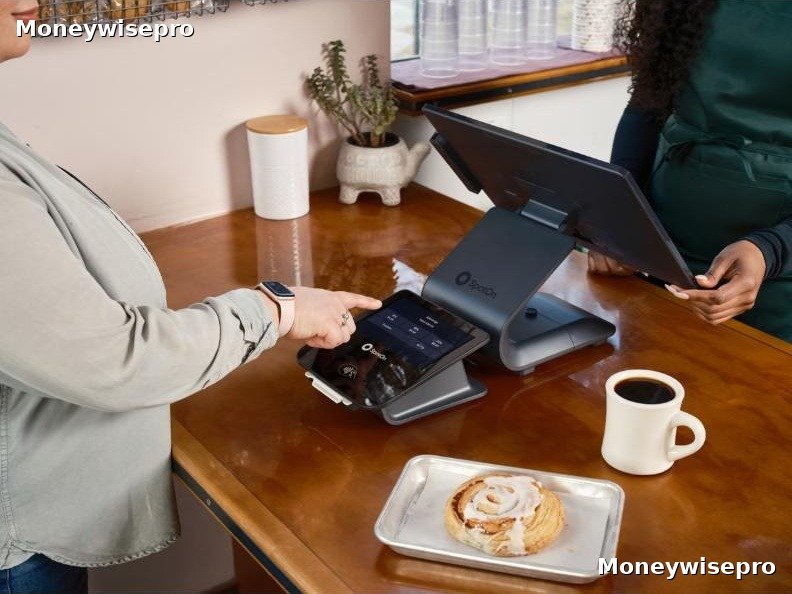
The pressure is measurable, not just a feeling. A LendingTree survey found 66 percent of Americans feel pressured to tip once a screen puts the option in front of them, and 60 percent say they are tipping more now purely because the technology makes it easier to nudge them. Break that pressure down and it comes from three different directions: 27 percent said the pressure was self-imposed, 24 percent said they felt obliged by people standing nearby, and 19 percent said the pressure came directly from the person serving them. None of that is about generosity. It is about not wanting to look cheap in front of a stranger.
The generational split is worth knowing if you are trying to budget realistically. Gen Z reports tipping more under this pressure at 73 percent, millennials at 72 percent, and parents with kids under 18 tip more often than people without kids, 72 percent versus 58 percent. Tip screen guilt hits hardest on people already juggling tight family budgets, not people with money to spare.
Here is where it actually shows up in real dollars. The average person who gives in to tip screen guilt does it about 4.2 times a month and reluctantly adds around 24 dollars a month they did not plan to spend, according to Talker Research’s 2025 data reported by Fox Business. Add that up over a year and it lands close to that 283 dollar figure, money quietly leaking out of a grocery budget or an emergency fund one tap at a time.
This helps: The Average American Wastes $205 a Year on Subscriptions They Don’t Even Use

There is a real counter-argument here, and it deserves honesty, not a blanket no-tip rule. Workers in genuinely tipped jobs in the United States, servers, bartenders, delivery drivers, often depend on tips to reach a livable wage because their base pay is legally allowed to be lower. Skipping a tip for someone who actually served your table is a different decision than skipping one at a self-checkout kiosk where no human did anything beyond programming the screen.
That distinction is exactly why 2026 is turning into a pushback year instead of just another year of rising tip pressure. A WalletHub-based survey covered by TheStreet found close to 40 percent of Americans now believe tipping culture has gone too far and would support pulling it back, and Fox Business reported Americans are actively fighting the guilt-tipping trend for the first time, with total guilt-tip spending actually falling 38 percent from 2024 to 2025. People are starting to draw their own line instead of letting the screen draw it for them.
The places where this pressure shows up the most are also the places with the least actual justification for a tip. Coffee counters where you order at a register and wait for your own name to be called, self-checkout lanes where you scanned every item yourself, and drive-throughs where nobody carried anything to a table are exactly where the screen still asks for 20 percent by default. A tip in those settings is not paying for labor you received, it is paying for the discomfort of saying no while someone is standing three feet away.
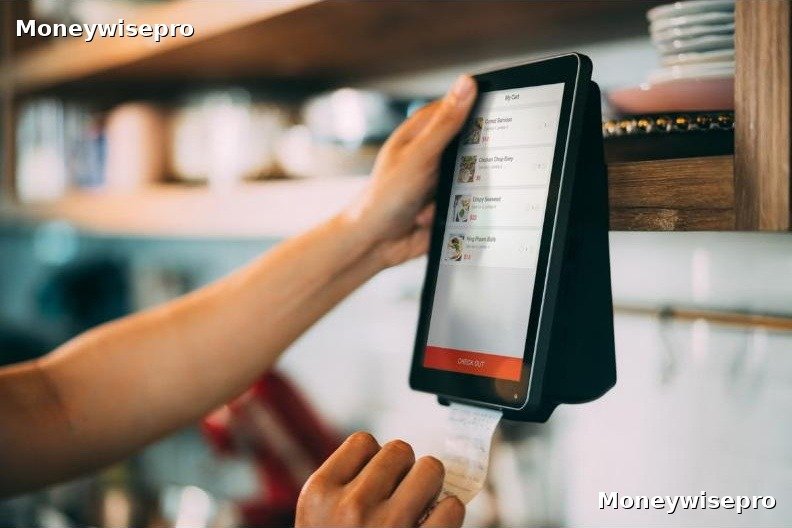
The fix is not becoming someone who never tips. It is deciding your rule before you are standing at the counter with the screen glowing in your face and someone watching. Decide ahead of time that table service, haircuts, and delivery drivers get a real tip, and that a machine you walked up to and scanned your own groceries on does not owe anyone a percentage just because it asked.
Here is a quick look at how the guilt-tipping trend actually moved between 2024 and 2025, based on the LendingTree and Talker Research surveys cited above.
| Metric | 2024 | 2025 |
| Average annual guilt-tip spending | over $450 | $283 |
| Guilt tips given per month | 6.3 times | 4.2 times |
| Extra amount tipped per month | higher | around $24 |
| Americans who increased tipping that year | majority trend up | only 11% |
That hesitation right before tapping a tip amount is a genuinely uncomfortable few seconds for most people, not a sign of being cheap. Once you realize the number on that screen has nothing to do with how good the service actually was, it gets a lot easier to just tap the honest amount and move on.
Worth knowing: The Average American Spends $3,045 a Year on Impulse Buys
Do you tip differently now than you did two years ago, or has the screen just quietly changed your habits without you noticing?
Disclaimer: MoneyWisePro is not a financial advisor. This article is for general information only and is not financial advice. Contact a licensed financial advisor for guidance on your own household budget and spending decisions.