Tag: side-hustle

  • You Might Not Get a 1099-K This Year — That Doesn’t Mean You’re Off the Hook

    You Might Not Get a 1099-K This Year — That Doesn’t Mean You’re Off the Hook

    Why didn’t I get a 1099-K this year? If you sold something online, drove for a rideshare app, or freelanced on the side in 2026, you might be asking yourself exactly that.

    For years, the rule everyone braced for was simple: earn more than $600 through PayPal, Venmo, Etsy, or similar platforms, and a 1099-K would show up in your inbox. That threshold never actually took effect. In July 2025, a new law reversed course completely, and most people never got the memo.

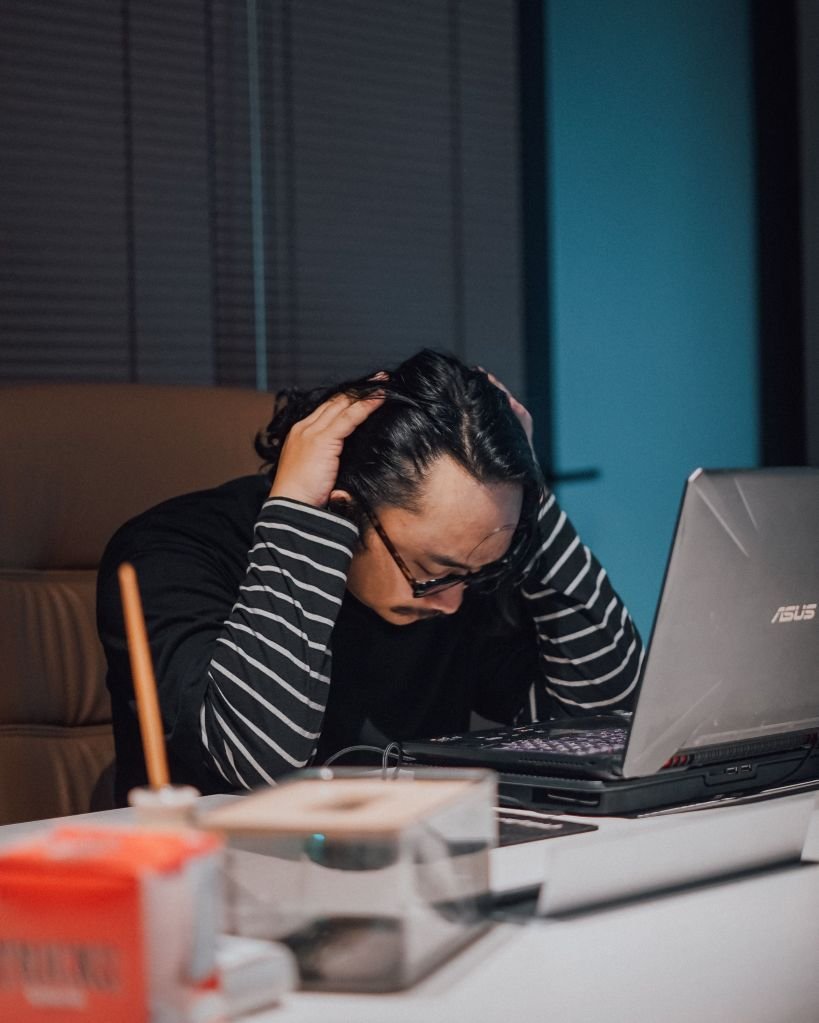
    Person looking confused while reviewing tax paperwork at a desk

    Here’s what actually changed. According to Fidelity’s breakdown of the new rules, the One Big Beautiful Bill Act restored the original 1099-K threshold: $20,000 in payments and more than 200 transactions in a year. That’s a massive jump from the $600 figure that had been widely reported and expected for 2026.

    This law reversal didn’t happen quietly either. Avalara’s analysis of the legislation confirms the Act fully repealed the lower $600 threshold that the American Rescue Plan Act had set back in 2021, restoring the pre-2021 rule instead of just delaying it again. This matters because a lot of side hustlers spent the last two years preparing for a form that was never going to show up at the lower threshold. Someone who sold $3,000 worth of items on Etsy or made $1,800 driving part-time this year likely won’t get a 1099-K at all under the current rule.
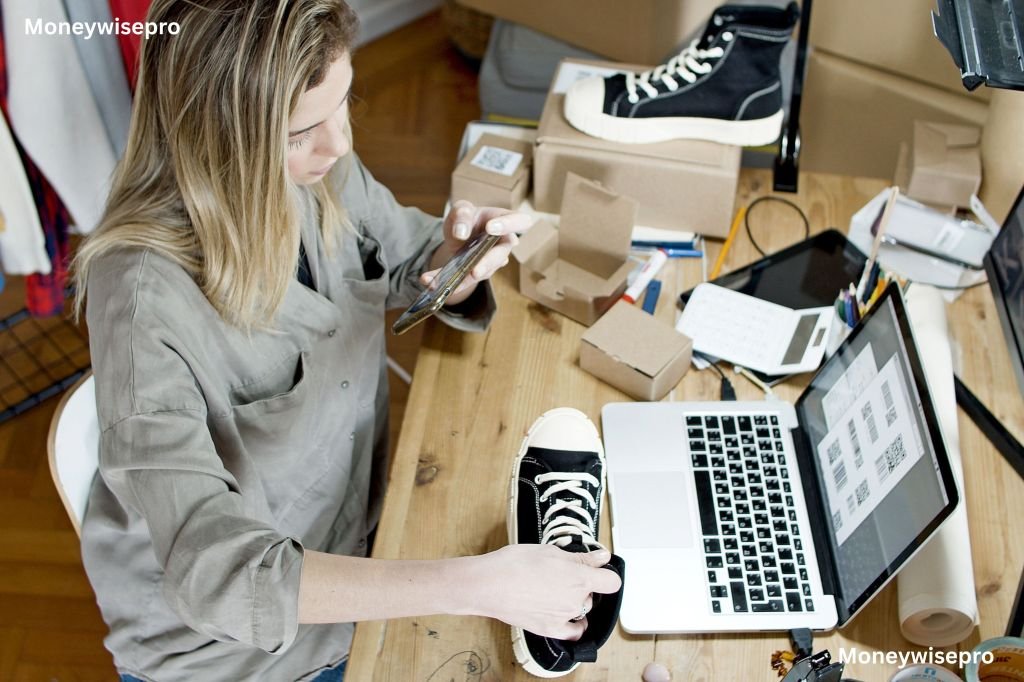
    Person packaging items for an online sale, representing side hustle or small business income

    Worth knowing: this isn’t the only recent shift affecting people earning extra money on the side.
    45% of Americans Have a Side Hustle Now. Here’s Why (And Whether You Need One Too).

    Here’s the part that trips people up. Not getting a 1099-K does not mean that income is tax-free. A guide from Tab Service Company on the 2026 rules puts it directly: thresholds determine when a platform has to file a form, not what income is actually taxable. Every dollar earned from a side hustle is still reportable, whether or not paperwork shows up confirming it.

    This distinction matters even more for the platforms the examples above don’t quite cover, like Facebook Marketplace, Poshmark, and Mercari, where most sellers are just clearing out a closet, not running a business. According to the IRS’s own guidance on Form 1099-K, selling a personal item for less than you originally paid for it isn’t taxable at all. You’re allowed to zero out that reported amount on Schedule 1 of your return instead of paying anything on it, since a form showing up doesn’t automatically mean a profit was made. A gain only shows up if you sold something for more than you originally paid, which is rare for used furniture, old electronics, or worn clothing.

    This same declutter-for-cash habit already saves a lot of people real money before taxes even enter the picture.
    60% of Americans Bought Secondhand Last Year, and 8 in 10 Say It’s About Money, Not the Planet. I’ve Been Doing This My Whole Life.

    There’s a second, separate change worth knowing about too. Forms 1099-NEC and 1099-MISC, the ones businesses use to report payments to contractors directly, had their own threshold raised from $600 to $2,000 starting this tax year. That’s a different form covering different situations, mainly freelance and contract work paid outside of apps like PayPal or Venmo.
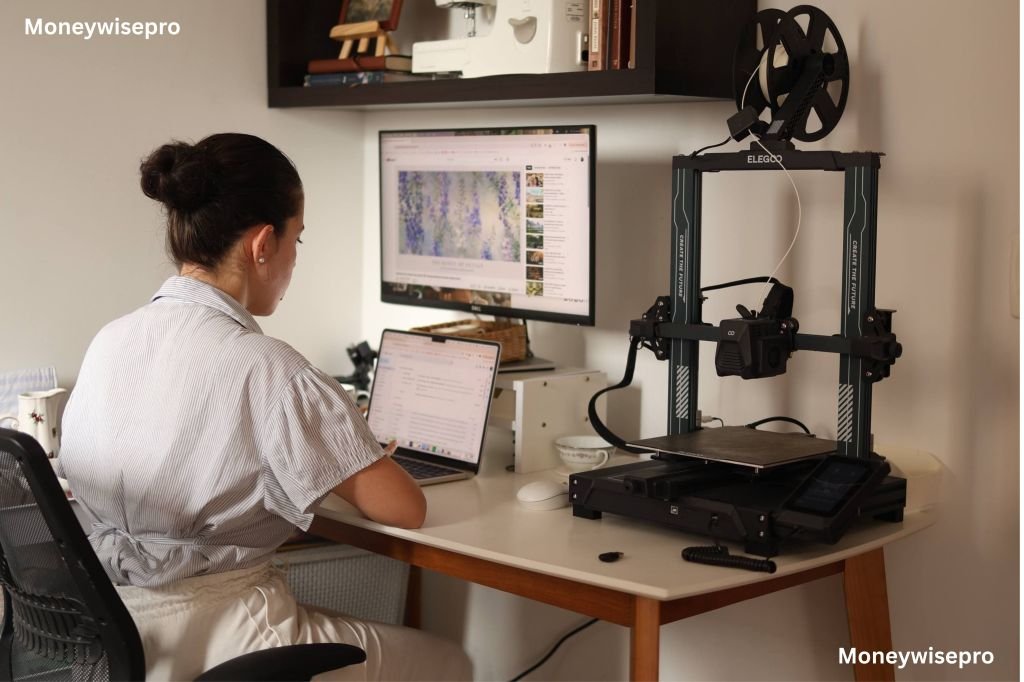
     Person working as a freelancer on a laptop at a home office desk

    Not every state follows the federal threshold either. Some states set their own, lower reporting requirements for 1099-K regardless of what the federal rule says. A resident earning side income in one of those states could still receive a form even while the federal threshold sits at $20,000. Checking state-specific rules matters just as much as the federal number here.

    This is why keeping personal records matters more than waiting on paperwork.
    Your Emergency Fund Isn’t What It Used to Be. Here’s What Changed.

    Some tax professionals see the higher threshold as reasonable relief for casual sellers and small earners who never should have needed a tax form for reselling used furniture or old electronics. Others point out that the swinging thresholds over the past several years, first dropping, now jumping back up, have made it genuinely hard for anyone to know what to expect year to year. Both points are fair. The practical result is the same regardless: fewer forms are being issued, but the underlying tax obligation hasn’t moved at all.

    Nobody enjoys tracking income by hand when a form was supposed to do it automatically. That extra step feels unnecessary right up until the year it turns out to matter.

    Since side income this year might come from three or four different apps at once, piecing it together from memory next April is the hard way to do it. A free tracker built for exactly this kind of running total takes less time to set up than digging through a year of Venmo notifications later.

    The simplest fix costs nothing and takes minutes a week. Keep a running log of side income as it comes in, whether that’s a notes app, a spreadsheet, or a notebook by the desk. Include the date, the source, and the amount. Come tax season, that log matters more than whichever forms happen to show up.

    Form TypePre-2025 Plan2026 Rule (Current)Who It Affects
    1099-K (PayPal, Venmo, Etsy, Cash App)$600, no transaction minimum$20,000 + 200 transactionsCasual sellers, gig workers, small resellers
    1099-NEC (direct contractor payments)$600$2,000Freelancers paid directly, not through apps
    1099-MISC (misc. business payments)$600$2,000Royalties, rents, other business payments
    State-level 1099-K rulesN/AVaries — some states below $20,000Residents of states with stricter local rules

    The rules changed twice in three years. The responsibility to report side income never did.

    Did you expect a 1099-K this year, and were you surprised by what actually applies to your situation?

    Disclaimer: This article is for general informational purposes only and does not constitute tax or legal advice. Tax rules vary by individual circumstances and state of residence. Consult a licensed tax professional for guidance specific to your situation.


  • 45% of Americans Have a Side Hustle Now. Here’s Why (And Whether You Need One Too)

    45% of Americans Have a Side Hustle Now. Here’s Why (And Whether You Need One Too)

    I started my first side hustle because I had no choice. My primary income wasn’t enough. It’s not a glamorous story about entrepreneurial dreams or building wealth—it’s a story about survival.

    Every time someone calls it an ‘opportunity’ or a ‘hustle culture win, I want to scream. This isn’t opportunity. This is the sound of an economy breaking for half the population. We’re not choosing this. We’re surviving it.

    Turns out, I’m not alone. 45% of Americans now have a side hustle, up from just 34% in 2020. And the number keeps climbing. But here’s what caught my attention: most of us aren’t doing this because we want to. We’re doing it because we have to.

    I needed the money to cover living expenses. Full stop. No ambition to build an empire, no passion project waiting to launch. Just the math: rent is X, food is Y, and my paycheck doesn’t equal X + Y. So I started working nights and weekends to make up the difference.

    That’s the reality for 39% of Americans with side hustles now—up from 31% just two years ago. The side hustle isn’t supplementary income anymore. It’s necessary income. It’s survival.

    Side Hustle RealityPercentageTimeframeContext
    Americans with Side Hustle45%Current (2026)Growing trend
    Side Hustle Rate GrowthUp from 34%2020 to 2026+11% increase
    Treat as Necessary Income39%CurrentEssential, not supplementary
    Necessary Income Rate GrowthUp from 31%2 years ago+8% increase
    Rising Costs Increased Reliance75%CurrentInflation-driven
    Side Income >25% of Household25% (1 in 4)Of hustlersSignificant portion
    Under $50K primary job: Essential52%Lower income workersSurvival gig
    Treat as Job-Loss Insurance62%Of hustlersSafety net purpose
    Would Quit If They Could65%Of hustlersNot by choice

    Side Hustle Income Reality:

    Income MetricAmountContext
    Average Monthly Income$1,122Mean (inflated by outliers)
    Median Monthly Income$200Typical hustler reality
    Income Gap$922 differenceShows inequality in gig income

    What shocked me even more: 75% of Americans say rising costs have increased their reliance on earning extra income outside their regular job. Inflation isn’t just a number on a news report. It’s the reason people like me are exhausted, juggling two or three income streams just to pay rent.

    I’m not unique in this struggle either. One in four side hustlers says their secondary income accounts for more than 25% of their total household income. Among people earning under $50,000 a year from their primary job, 52% say their side hustle income is essential, not supplementary. That’s half of all lower-income workers holding their financial lives together with secondary gigs.

    Reality: Is Your Side Hustle Working, or Are You Just Tired?

    Person looking stressed and exhausted working multiple jobs simultaneously on laptop and phone late at night

    Here’s the part that hit different for me: 62% of people with side hustles treat it as job-loss insurance. We’re not doing this for fun. We’re doing this because the primary job can’t be trusted. One layoff, one medical emergency, one economic downturn, and we’re falling into debt. The side hustle is the safety net we can actually control.

    But the craziest stat I found? 65% of side hustlers would quit if they could. They would abandon the extra work tomorrow if their primary income was enough. That’s not ambition. That’s desperation dressed up as entrepreneurship.

    I remember thinking that too. I thought once my side income hit a certain number, I’d feel secure enough to stop. That’s not how it works. The more you earn, the more your costs creep up. Inflation hollows out the money faster than you can make it. So you keep hustling. You don’t stop because stopping means falling behind again.

    The average side hustle brings in $1,122 a month, but the median is just $200. That gap tells the real story. Most people aren’t making bank on their side gigs. They’re making just enough to stay afloat. I’m in that group. The work is steady but unglamorous—writing, freelancing, consulting—just enough to matter, never enough to feel secure.

    Compare: I Cut My Coffee, Dessert, and DoorDash

    Person looking worried and concerned while checking bank account balance on phone while working

    What I realized quickly: side hustles have a cost beyond time. There’s the mental load of juggling two jobs. There’s burnout. There’s the guilt of missing time with family because you’re working. There’s the anxiety that if this gig dries up, you’ve got nothing. I watch people wake up at 6am, work until 10pm, and still feel behind. We’re not building wealth. We’re running on a treadmill that keeps speeding up.

    That person is me some weeks. And I’m one of the lucky ones with internet access and a skill that sells. I can’t imagine what it’s like for people without those things, watching their paycheck get smaller every month while everything costs more.

    The jobs themselves are changing too. Online sales, freelance writing, content creation—these are the new side hustles. They’re digital, flexible, and completely unstable. One algorithm change and your income evaporates. I learned that the hard way when a platform changed its payment structure overnight.

    But here’s what keeps people like me going: I treat this side hustle as job-loss insurance. If my primary income disappears tomorrow, I have something. Not much, but something. That matters when you’re one emergency away from catastrophe. I know people who wouldn’t even qualify for a $1,000 emergency loan. The side hustle is their only buffer.

    Person sitting calmly at desk planning and strategizing their side hustle income with notebook and pen

    The question I ask myself now isn’t “should I have a side hustle?” It’s “which side hustle makes sense for my situation?” Because for people like me, it’s not optional. It’s economics. My paycheck plus my side income equals survival. My paycheck alone equals falling behind.

    If you’re already juggling a primary job and still can’t cover your bills, you probably need a side hustle too. Not because it’s trendy. Not because you want to build a personal brand. But because inflation is real, wages are stagnant, and your primary job isn’t designed to be enough anymore.

    The honest truth: 45% of Americans aren’t side hustling because they’re ambitious. They’re side hustling because the math doesn’t add up otherwise. I’m one of them. And if you’re reading this, you probably are too.

    The root cause: Your Paycheck Isn’t Keeping Up With Inflation

    Disclaimer: This article is for educational purposes only and should not be considered as financial, legal, or tax advice. Side hustle income, tax obligations (including 1099 reporting and quarterly estimated taxes), and financial impacts vary by individual and by gig type. Consult with a qualified financial advisor or tax professional before starting a side hustle or for guidance on tax obligations.

  • Is Your Side Hustle Working, or Are You Just Tired?

    Is Your Side Hustle Working, or Are You Just Tired?

    I work on this every single day. Writing, applying, learning, checking numbers.

    Some days feel like progress. Other days just feel tired.

    I found out I’m not the only one who feels this way.

    Some mornings I wake up wondering if I’m just postponing failure with better intentions. But then I remember that 65% of people doing this also feel burned out, which means the burnout isn’t proof I’m doing it wrong — it’s just proof I’m doing it.

    Person working late on a laptop, looking tired

    The Penny Hoarder asked 1,000 Americans with side hustles how they feel. This was a real survey, done in February 2026.

    The number that hit me hardest: 65% of them feel burned out, at least sometimes. Only 10% never feel it.

    That’s most people. Not just me.

    Related struggle: I Cut My Coffee, Dessert, and DoorDash

    Side Hustle ExperiencePercentageSurvey DetailsSourceDate
    Feel Burned Out (at least sometimes)65%Majority experienceThe Penny HoarderFeb 2026
    Never Feel Burned Out10%Small minorityThe Penny HoarderFeb 2026
    Struggle Without Extra Income53%Rely on side income for basicsThe Penny HoarderFeb 2026
    Feel “Somewhat” Secure About Money44%Limited financial securityThe Penny HoarderFeb 2026
    Survey Sample Size1,000 AmericansSide hustlers onlyThe Penny HoarderFeb 2026

    Side Hustle Time & Income:

    MetricAmountContext
    Average Weekly Time13 hoursOngoing weekly investment
    Annual Hours676 hoursEqual to 17 extra full work weeks
    Average Monthly Income$1,275Reported by survey respondents

    Here’s another number that matters. 53% say they’d struggle to pay for basic things without this extra income. For a lot of people, this isn’t a hobby. It’s survival.

    Person working on a side business from a home desk

    The average person spends 13 hours a week on their side hustle. That’s 676 hours a year. That’s like 17 extra full work weeks, stacked on top of everything else.

    This reality: I Used to Live Paycheck to Paycheck

    I believe every hour of that. Some weeks, I’ve put in more than that. And I still haven’t made a single dollar yet.

    That’s the scariest part. Every hour of work without income feels like validation that this won’t work. But 53% of people are also relying on side income just to survive — so most of us are building this out of necessity, not choice.

    I want to be honest with you. The average side hustler in that survey makes about $1,275 a month. I’m not there. Not close, not yet.

    But I hold on to one thing: real people do get there. After real time. After real effort.

    Even then, only 44% feel “somewhat” secure about money. Not fully secure. Just somewhat.

    So maybe the hard part never fully goes away. It just changes shape.

    Sunrise over a city, symbolizing a fresh start

    If you’re building something from zero right now, and some days feel pointless, you are not doing it wrong.

    You’re doing exactly what 65% of people are also going through.

    Are you pushing through tiredness on something that hasn’t paid off yet? What keeps you going on the hard days?

    Understand the numbers: 45% of Americans Have a Side Hustle Now

    Disclaimer: This article is for educational purposes only and should not be considered as financial or career advice. Side hustle income, time investment, and burnout experiences vary by individual and by business type. Consult with a qualified financial advisor or mental health professional if work-related stress is impacting your wellbeing.