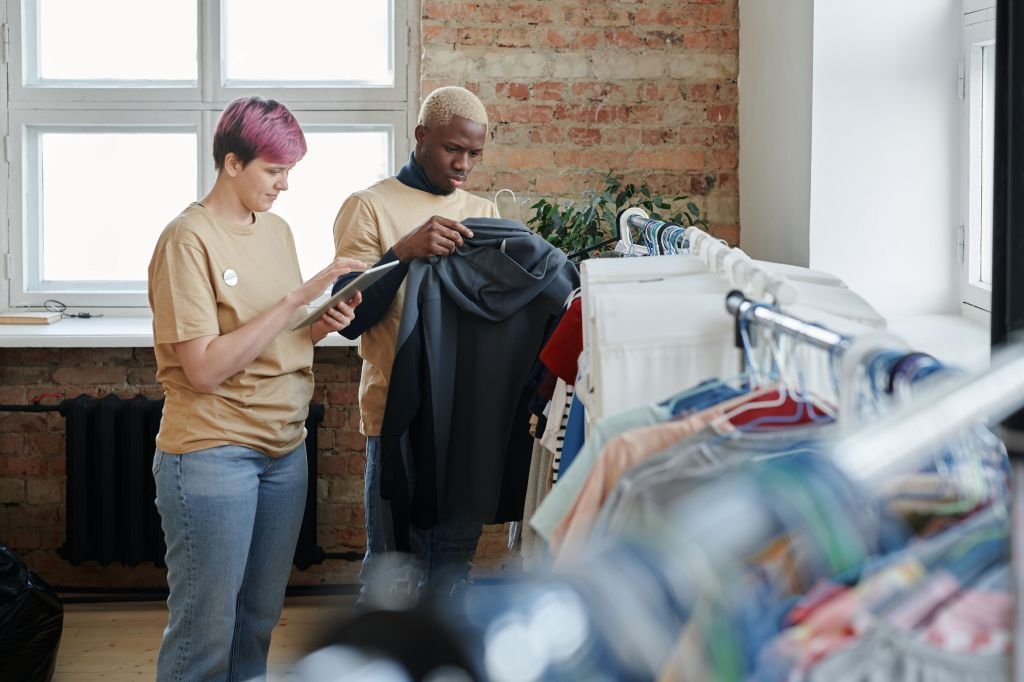
I’ve never once felt embarrassed buying something used. Growing up, and still now, secondhand wasn’t a lifestyle choice — it was just how you made money stretch further. I never thought of it as trendy. Apparently, now it is.
Now I watch wealthy people talk about shopping secondhand like it’s some virtuous discovery. For me, it was just survival. There’s something bittersweet about watching something that used to be a sign of struggle become fashionable.
ThredUp’s 2026 Resale Report, based on a survey of 3,300 adults, found 60% of American consumers bought something secondhand in 2025. The resale market hit $55.5 billion that year, growing 14% in a single year — four times faster than the regular new-clothing market.
Did you buy anything secondhand this year, even something small, without really thinking of it as a “trend”?
It’s about money, not the planet — and people are honest about that
Here’s the part I actually found refreshing: when researchers ask people WHY they shop secondhand, the environment isn’t the main reason. eBay/OfferUp research found 79% say saving money is their top motivation, with only 45% citing sustainability. Separate research from BCG and Vestiaire Collective found almost the same thing: 80% say affordability comes first.
Secondhand items typically cost 60% to 75% less than buying new. That’s not a small discount — that’s the difference between affording something and not.
| Demographic | Secondhand Purchase Rate | Source | Year |
|---|---|---|---|
| Gen Z & Millennials | 68% | ThredUp | 2024 |
| Age 38-55 | 32% | ThredUp | 2024 |
| Age 56-65 | 16% | ThredUp | 2024 |
| All Americans | 60% | ThredUp 2026 | 2025 |
Motivation for Secondhand Shopping:
| Reason | Percentage | Source |
|---|---|---|
| Save Money | 79% | eBay/OfferUp |
| Affordability First | 80% | BCG/Vestiaire |
| Sustainability | 45% | eBay/OfferUp |
| Average Cost Savings | 60-75% | General |
Market Data:
| Metric | Amount | Growth | Source | Year |
|---|---|---|---|---|
| Resale Market | $55.5 billion | 14%/year | ThredUp | 2025 |
| Growth Rate vs New Market | 4x faster | – | ThredUp | 2025 |
Have you ever felt like you had to pretend a secondhand purchase was about “sustainability” instead of just admitting it saved you money?
I stopped pretending years ago. When someone asks why I buy used, I just say it’s cheaper. That honesty feels more respectful than wrapping a budget necessity in environmental language.
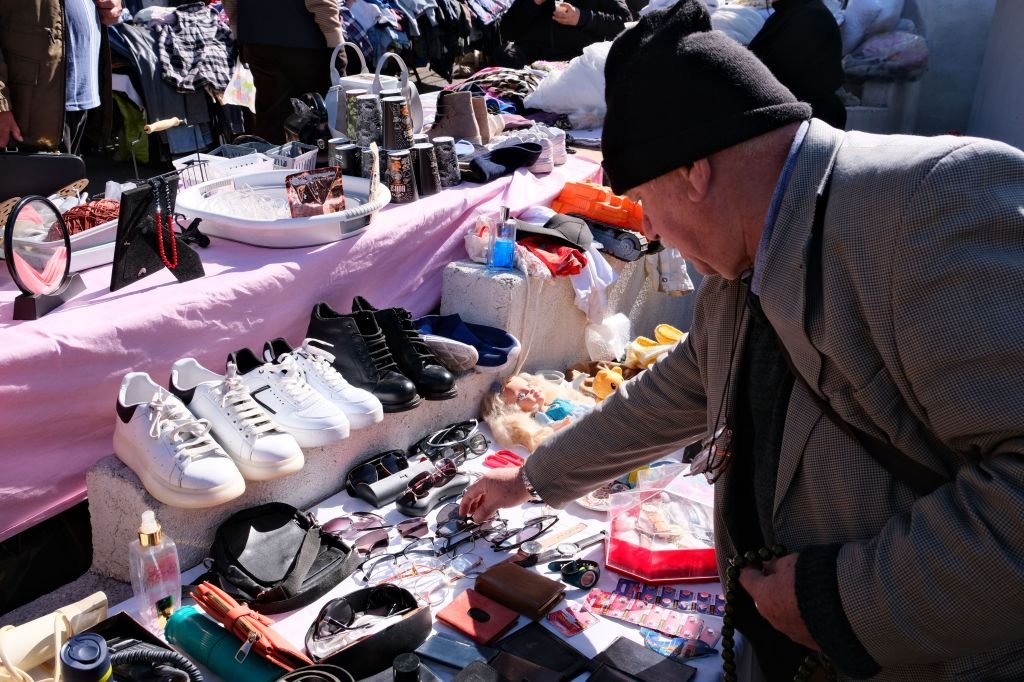
The generational gap is bigger than you’d expect
ThredUp’s research found 68% of Gen Z and Millennials bought secondhand clothing in 2024, compared to only 32% of people aged 38-55, and just 16% of people aged 56-65. That’s not a small gap — younger generations aren’t just tolerating secondhand shopping, many treat it as the default first stop, not the backup plan.
Generational difference: Why Young Americans Are Leaving Their Cities
I never had the luxury of treating “buy new” as the default in the first place. For me, checking what’s already out there, used, before spending on new was never a phase — it’s just what building something from nothing actually looks like.
What I actually do before buying anything now
Before I buy anything beyond food or a bill, I ask myself if a used version exists first, even for things I wouldn’t normally think to check.
I look at the actual price difference, not just whether something is “used” — sometimes it’s barely cheaper, and that changes the decision.
I remind myself that needing something secondhand isn’t a downgrade from a plan that failed — for a lot of people now, apparently, it’s just the smarter first move.
Same mindset: I Used to Live Paycheck to Paycheck
Do you check secondhand first, or only after you’ve already decided to buy something new?
Compare savings: The Average American Spends $3,045 a Year on Impulse Buys
Disclaimer: This article is for educational purposes only and should not be considered as financial advice. Secondhand shopping options and prices vary by location and item. Consult with a qualified financial advisor before making major purchasing decisions.