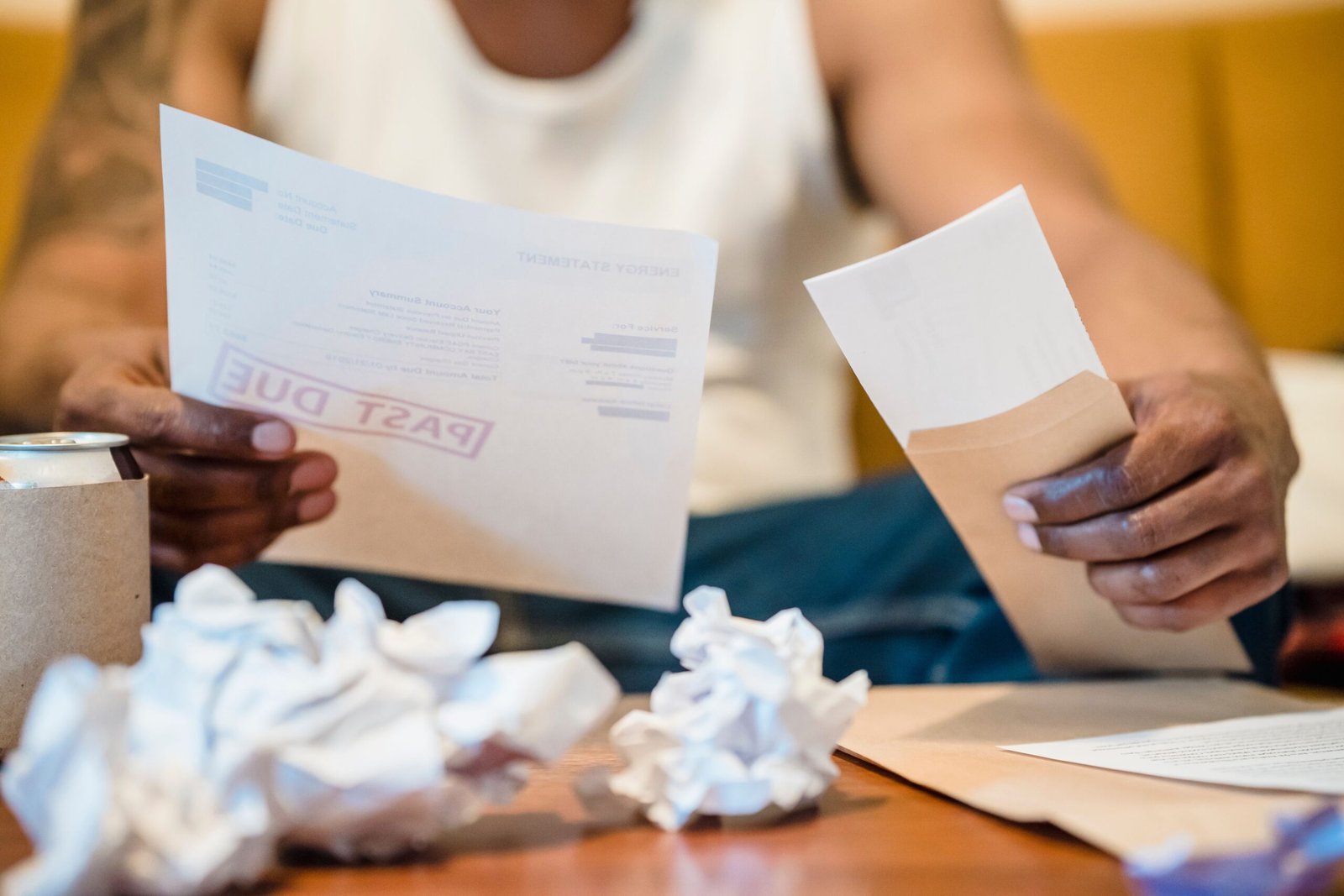
For years I thought I was just bad with money. Turns out — I just needed a few simple changes.
Every month was the same.
The bills came in. The paycheck ran out. And I sat there staring at my bank account wondering where it all went.
Rent. Electric. Phone. Car. Groceries.
By the 20th of the month I was already counting days until the next paycheck.
Sound familiar?
You’re not alone. Right now, almost half of Americans say they struggle to pay their monthly bills. Half. That’s your neighbor. Your coworker. Your friend.
But here’s what nobody tells you — it’s usually not about how much you earn. It’s about a few small habits that nobody ever taught us.
I found that out the hard way. And these are the things that actually changed everything for me.
1. I Finally Wrote Down Every Single Bill
I know. Sounds too simple.
But I had never actually written all my bills in one place. They just… arrived. And I paid them. Or tried to.
One night I sat down with a piece of paper and wrote every single monthly expense I had.
Rent. Electric. Water. Phone. Internet. Subscriptions. Car payment. Insurance.
The total shocked me.
I was spending $400 more every month than I thought. No wonder I was always broke.
Try this tonight: Get a piece of paper. Write every bill you pay every month. Add them up. The number will surprise you — I promise.
Learn more: 10 Easy Ways to Save Money Every Month
2. I Stopped Paying Bills Late
Late fees are like a tax on being disorganized.
Every late payment costs you $25, $35, sometimes $50. Do that with 3 bills a month and you’re throwing away $100 for nothing.
I set up reminders on my phone for every single bill — 3 days before it was due.
No more late fees. That’s $100 a month back in my pocket just from being organized.
Try this: Set a phone reminder right now for your next bill due date. Just one. Start there.

3. I Called My Internet Company and Asked for a Lower Rate
This one felt scary. I almost didn’t do it.
But my neighbor told me she called her internet company and just asked — “Is there anything cheaper available?”
They gave her a $20 discount on the spot.
I tried the same thing with my phone bill. The person on the phone offered me a different plan that saved me $15 a month.
$35 a month saved. From two phone calls. Total time: maybe 20 minutes.
Try this: Call one bill company this week. Just ask: “Is there a lower plan or any discounts available?” The worst they can say is no.
4. I Made a “Bills First” Rule
Before I spent any money on anything — food, clothes, fun, anything — the bills got paid first.
Sounds obvious. But I used to pay bills whenever I remembered. Which meant sometimes I spent money on other things first and then didn’t have enough for bills.
Now the day my paycheck arrives, bills come out first. Whatever is left is for everything else.
This one change stopped 90% of my late payments immediately.
Try this: Next payday — pay every bill first. Before anything else. Even before groceries. See how it feels.
5. I Found One Bill I Could Cut Completely
Look at your bill list from tip #1.
Is there anything you don’t really need?
For me it was a streaming service I watched maybe twice a month. $14 a month for almost nothing.
I cancelled it. That’s $168 a year back in my pocket.
One cancellation. Five minutes. $168 saved.
Try this: Find just ONE bill to cut this month. Not five. Just one. Even $10 a month is $120 a year.
| Habit | Annual Savings |
|---|---|
| Pay on time (vs late) | $1,260 |
6. I Started a “Bill Emergency” Savings
Even $20 a month changes everything.
Because before I did this, one unexpected bill — a car repair, a medical bill, anything — would destroy my whole month.
Now I put $20 aside every payday specifically for unexpected bills. Just $20.
After 6 months I had $240 sitting there. It’s not a lot. But it means one unexpected bill doesn’t ruin everything anymore.
Try this: Open a separate savings account. Put just $20 in it this month. Label it “Bill Emergency.” Don’t touch it.
See also: 53% of Americans Can’t Cover a $1,000 Emergency

The Truth Nobody Tells You
Struggling with bills doesn’t mean you’re bad with money.
It usually just means nobody taught you these simple habits.
I wasn’t bad with money. I was just disorganized. And once I got organized — everything changed.
You can do the same thing. Start with tip #1 tonight. Just write your bills down.
That one step will show you more about your money than anything else you’ve ever done.
Which tip are you going to try first? Tell me in the comments — I really want to know. 👇
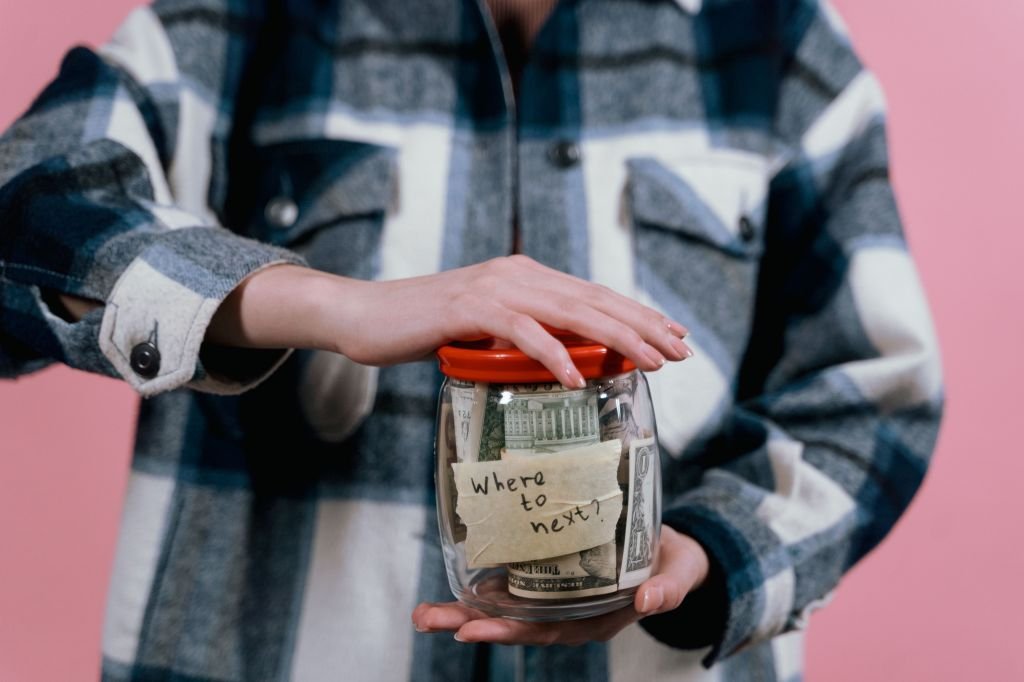
If this helped you, share it with one person who needs it. It might change their month.
Disclaimer: This article is for educational purposes only and should not be considered as financial advice. Everyone’s financial situation is unique. Consult with a qualified financial advisor before making investment decisions.