
I remember sitting at my kitchen table staring at my bank account.
Zero dollars. And rent was due in three days.
I felt sick. I felt ashamed. I felt like no matter how hard I worked — there was never enough money left at the end of the month.
Does that sound familiar to you?
Right now, more than half of Americans are living paycheck to paycheck. Working hard every single day. And still running out of money before the month runs out.
I was one of them. For years.
But something finally changed. And today I want to share exactly what broke the cycle for me.
First — Why Does This Keep Happening?
It’s not because you’re lazy. It’s not because you don’t work hard enough.
The real reason is simple: Your money has no plan.
Every month, money comes in. And money goes out. But nobody is telling that money where to go. So it just… disappears.
On coffee. On subscriptions you forgot about. On small purchases that feel like nothing but add up to everything.
Sound familiar?
The Moment Everything Changed For Me
One day I sat down and wrote every single thing I spent money on.
Everything.
Coffee. Lunch. That app I never use. The subscription I forgot I had. Everything.
I was shocked.
I was spending over $300 a month on things I did not even remember buying.
That was the moment I realized — I did not have an income problem. I had a spending awareness problem.
Here Is What I Did — Step By Step:
Step 1 — I Wrote Down Every Dollar
For one full week I wrote down every single thing I spent money on. Every coffee. Every snack. Every online purchase.
No judgment. Just honesty.
Try it. You will be shocked at what you find.
Learn more: I Was Shocked When I Saw My Grocery Bill
Step 2 — I Found My “Money Leaks”
After that week I looked at my list and circled everything that was not necessary.
These are your money leaks. Small holes that drain your account every single month without you noticing.
For me it was:
- 3 streaming services I barely used
- A gym membership I had not used in 4 months
- Daily coffee runs that cost me $90 a month
I cancelled all of it. Same day. That one week of awareness saved me $300+ per month.

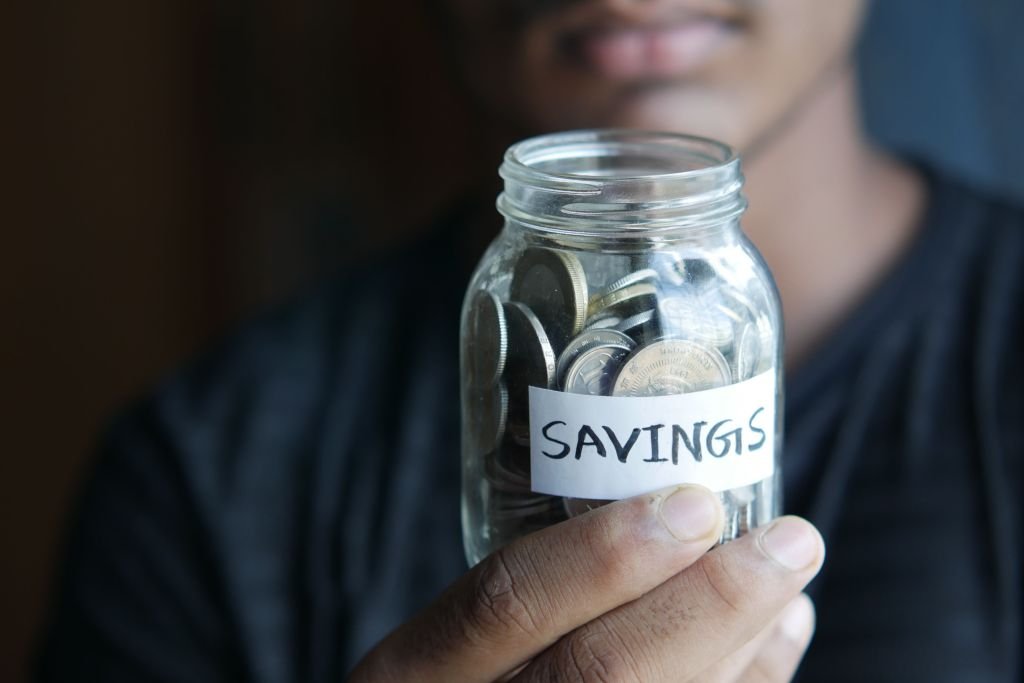
Step 3 — I Paid Myself First
This one changed everything.
The moment my paycheck arrived — before I paid anything else — I moved $50 into a separate savings account.
Just $50. That is it.
Not $500. Not $200. Just $50.
I pretended that money did not exist.
After 3 months I had $150 saved. It was the first time in years I had money that was not already spoken for. That feeling changed everything for me psychologically.
Step 4 — I Started Using a Budget Framework
When I looked at how I spent money, I noticed something.
Many people use a budgeting framework where they split income into categories. Some use 50/30/20 (50% needs, 30% wants, 20% savings). Others use different splits like 70/20/10 or 60/25/15.
The point isn’t which ratio is “right” — it’s finding one that works for YOUR life.
I experimented with a few different splits until I found one where I could actually stick to it. That consistency was more important than the perfect formula.
Comparison: Common Budget Splits
| Framework | Needs/Wants/Savings | Best For |
|---|---|---|
| 50/30/20 | 50/30/20 | Moderate income |
| 60/25/15 | 60/25/15 | Lower income |
| 70/20/10 | 70/20/10 | Tight budget |
| 40/40/20 | 40/40/20 | High earners |
The key: Pick one, test it for a month, adjust if needed. Consistency beats perfection.
Step 5 — I Stopped Using Credit For Small Things
Every time I used my credit card for something small — coffee, groceries, gas — I told myself it was fine.
It was not fine.
Those small charges added up to hundreds of dollars every month. Plus interest.
I switched to cash for small daily purchases. When the cash was gone — it was gone. No more spending.
The physical act of handing over cash made me think twice. Cards make spending too invisible.
See also: Average American Owes $6,715 in Credit Card Debt
What Happened After 3 Months
I want to be honest with you.
It was not easy at first.
The first month I still overspent in some areas. But I was aware of it. And awareness is everything.
By month two I was no longer stressed on the last week of the month.
By month three I had savings in my account for the first time in years.
Nothing dramatic. No lottery win. No miracle.
Just small changes done consistently every single month.

You Can Do This Too
If you are living paycheck to paycheck right now — I want you to know something.
It is not your fault that nobody taught you this.
But it IS your responsibility to change it.
Start with just one step today. Write down everything you spend for one week. Just that. Nothing else.
That one step will open your eyes in a way nothing else can.
The people who break free from paycheck-to-paycheck living aren’t the ones making more money. They’re the ones who became aware of where their money actually goes.
So what’s stopping you from tracking your spending for just one week?
Disclaimer: This article is for educational purposes only and should not be considered as financial advice. Everyone’s financial situation is unique. Consult with a qualified financial advisor before making investment decisions.