Tag: Money Tips

  • How to Track Multiple Buy Now Pay Later Apps Without Losing Track of What You Owe

    How to Track Multiple Buy Now Pay Later Apps Without Losing Track of What You Owe

    Why is tracking Buy Now Pay Later payments so confusing? The answer is simple: each app runs on its own schedule, pulls from the same bank account, and has no idea the others exist.

    Klarna, Afterpay, Affirm, Zip, Sezzle — most BNPL users aren’t using just one. A typical shopper juggling three or four active plans at once has effectively taken on a second, invisible payment calendar that no single app shows them in full.

    Person looking at multiple finance apps on a phone, trying to track separate payments

    Here’s what makes this worse in 2026. According to CNBC Select’s review of the top BNPL providers, FICO started factoring BNPL loans into credit scores in late 2025. That means the payment tracking problem isn’t just about avoiding overdraft fees anymore. Missed or overlapping BNPL payments can now show up on a credit report the same way a missed credit card payment would.

    Most advice on this topic stops at “just be careful.” A guide from EarnIn on managing multiple BNPL plans puts it plainly: keep all active plans visible in one place, and avoid juggling multiple plans at once because overlapping payments can add up fast. That’s the right idea, but it doesn’t say how to actually see them all at once when each app only shows its own schedule.
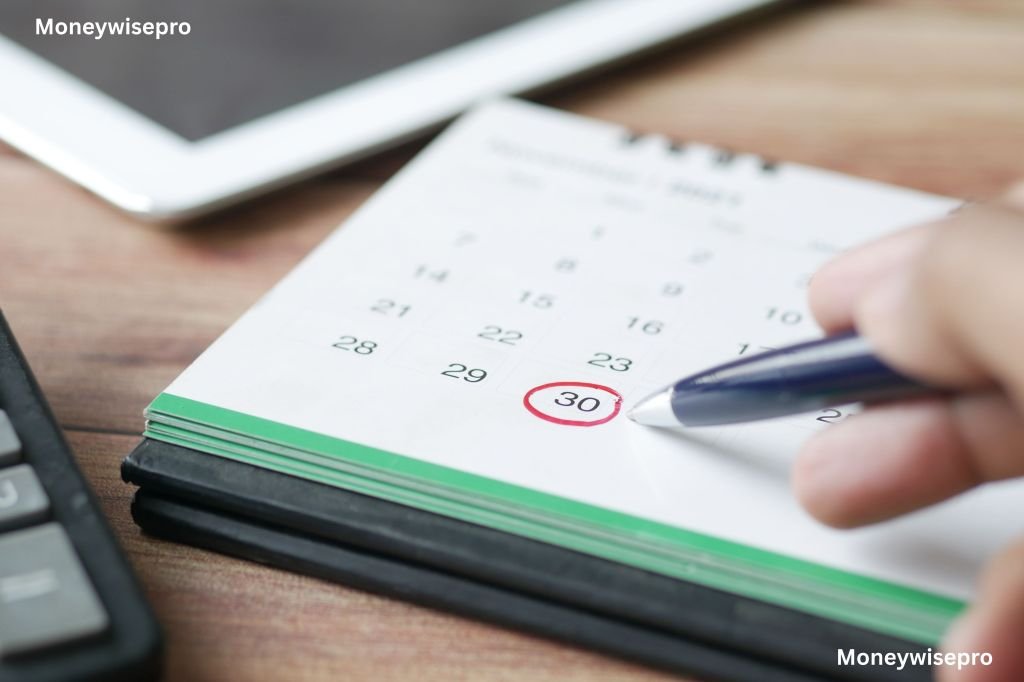
    Calendar with payment due date reminders marked, representing BNPL payment tracking

    Three ways people actually try to solve this:

    1. Checking each app individually. This works until it doesn’t. The moment someone has three or four plans running, checking each app separately before every purchase or bill payment becomes its own task, and it’s the first thing people stop doing once life gets busy.

    2. A spreadsheet. More reliable than memory, but it requires building the structure yourself, remembering to update it after every purchase, and doing the math manually to check for overlapping due dates.

    3. A dedicated one-page tracker. This is the middle ground: less setup than a spreadsheet, more complete than checking apps one by one, and built specifically to catch the problem before it becomes a fee.

    Worth knowing: BNPL debt rarely feels like debt until multiple payments land the same week.
    Buy Now, Pay Later Looked Smart. Here’s Why It’s Becoming a Debt Problem for Millions.

    The core problem isn’t any single app. It’s that none of them talk to each other, and a bank account doesn’t care which app is pulling money on a given day, only that enough is there when it happens.

    Person writing payment details into a planner or tracking sheet by hand

    A simple fix that works regardless of which method someone picks: check every active BNPL plan on the same day each week, write down the app, the amount, and the next due date in one place, and add them up against the next 14 days of expected bank balance. That single number, one number, catches most collision problems before they become a fee.

    This is why a dedicated tracker helps more than a general budgeting app. Most budgeting apps are built to categorize spending after it happens. What actually prevents an overdraft is seeing what’s coming before it hits, specifically the next two weeks, specifically across every BNPL app at once.

    For anyone who wants a version of this already built rather than starting from a blank spreadsheet, the BNPL Stack Tracker is a $9 fillable PDF that does exactly this: one page for every open BNPL account, one page to catch 14-day payment collisions before they trigger a fee, and one page to decide which apps are actually worth keeping.

    MethodSetup TimeCatches Overlapping PaymentsOngoing Effort
    Checking each appNoneNoRepeated, easy to skip
    Spreadsheet20-30 minYes, if built correctlyManual updates each time
    Dedicated tracker5 minYes, built inWeekly check

    “Nobody sets out to lose track of four different payment schedules on purpose. It happens gradually, one convenient checkout button at a time, until the due dates stop lining up with the bank balance. That gap between what people think they owe and what’s actually scheduled to leave their account is where the real damage happens. It’s not a math problem until it suddenly is.

    How many BNPL apps do you currently have open, and could you name all of their next due dates right now without checking your phone?

    Disclaimer: This article is for general informational purposes only and does not constitute financial advice. BNPL terms, fees, and credit reporting practices vary by provider. Consult a licensed financial advisor for guidance specific to your situation.


  • “5 Simple Ways to Save $100 This Month”

    “5 Simple Ways to Save $100 This Month”

    Do you ever look at your bank account and wonder — where did all my money go?

    I know that feeling. You work hard. You try to be careful. But somehow, money just disappears.

    The good news? You don’t need to make more money to save more money. You just need to stop small leaks.

    From tracking my own spending, I’ve found these 5 simple ways to save $100 this month — starting today.


    1. Delete One Subscription You Forgot About

    Go check your bank statement right now.

    I’ll wait.

    Do you see a charge for Netflix, Spotify, a gym, or some app you never use? Most people have at least one. I had three subscriptions I’d completely forgotten about.

    Cancel it today. That’s $10 to $15 saved — without doing anything hard. One subscription down, and you’re already $120+ ahead for the year.


    2. Cook at Home Just 3 More Times This Week

    I’m not saying never eat out. That’s too hard.

    But if you cook at home 3 extra times this week instead of ordering food — you save around $30 to $50 easily.

    A simple meal at home costs $3 to $5. Ordering food costs $15 to $20. When I started cooking just 3 times instead of 5 per week, I saved $600 in three months.

    The math is easy. The results are real.

    Learn more: 82% of Americans Changed How They Shop for Groceries.

    3. Make a Shopping List Before You Go to the Store

    This one sounds boring. But it works.

    When you walk into a store without a list, you buy things you don’t need. Every single time. I tested this — went without a list one week, spent $120. With a list the next week, spent $85.

    Write down what you need before you go. Stick to the list. You’ll save $20 to $30 every trip — without even trying.

    The difference between going to the store with a list and without was crazy. One week I spent $120, the next week with a list I spent $85. It actually works.


    Comparison Table: Grocery Shopping Impact

    MethodWeekly CostMonthly SavingsDifficulty
    No list$120Hard to control
    With list$85$140Easy
    List + coupons$70$200Medium

    4. Wait 24 Hours Before Buying Something You “Want”

    See something you want to buy? Wait one day.

    If you still want it tomorrow — maybe buy it. But most of the time? You forget about it.

    I tracked this for a month. Out of 15 things I “wanted,” I actually bought only 3 after waiting 24 hours. The other 12? Completely forgotten.

    This one habit can save you $20 to $50 every month. Try it this week.


    5. Turn Off Lights and Unplug Devices You’re Not Using

    This feels like small stuff. But it adds up.

    Leaving lights on, TVs plugged in, chargers in the wall — all of this costs you money every month. My electric bill dropped $15 per month just by unplugging devices when not in use.

    Turn things off when you leave a room. Unplug chargers when not in use. Save $10 to $20 on your electricity bill.

    See also: Your Paycheck Isn’t Keeping Up With Inflation.


    Quick Math:

    • Subscription: $15
    • Cook at home: $40
    • Shopping list: $25
    • Impulse buying: $15
    • Electricity: $15

    Total: $110/month = $1,320/year


    You Can Do This

    $100 sounds like a lot. But look at these 5 steps — each one is small.

    You don’t have to do all 5 today. Pick just one. Start there.

    Small steps every day lead to big changes every month. The people who save money aren’t the ones who make more. They’re the ones who stop wasting what they already have.

    So here’s my question for you: which one of these 5 methods are you going to try this week?

    Disclaimer: This article is for educational purposes only and should not be considered as financial advice. Everyone’s financial situation is unique. Consult with a qualified financial advisor before making investment decisions.

  • “10 Easy Ways to Save Money Every Month”

    “10 Easy Ways to Save Money Every Month”

    I used to spend every dollar that came in. No savings plan. No budget. Just spend and worry later.

    Then I realized I was broke all the time. The solution? I started small. Really small. And it changed everything.

    Saving money doesn’t have to be hard. Small changes in your daily habits can add up to hundreds of dollars every month. From tracking my own spending, I’ve found these 10 simple ways that actually work.

    1. Make a Budget

    Write down how much money you earn and how much you spend. When you see your spending clearly, it’s easier to cut back.

    The truth? Most people don’t know where their money goes. They think they save but they’re just guessing. I tracked mine for one month and was shocked. I was spending $300 on things I didn’t remember buying.

    2. Cook at Home

    Eating out is expensive. Cooking at home can save you $200 or more every month. Simple meals are cheap and healthy.

    I cut my food budget in half just by cooking 4 days a week instead of eating out. That’s real money in your pocket.

    3. Cancel Subscriptions You Don’t Use

    Check your bank statement. Do you pay for Netflix, gym memberships, or apps you rarely use? Cancel them today.

    Most Americans pay for 3-5 subscriptions they’ve forgotten about. That’s $30-50 per month wasted.

    Honestly, I didn’t realize how much I was bleeding money on subscriptions until I sat down and looked at my bank statement. Netflix, Spotify, some app I used once… it all adds up.

    4. Buy Generic Brands

    Store brands cost 20-30% less than name brands. The quality is usually the same. Try it for one month and you’ll see the difference in your bill.

    5. Use Coupons and Cashback Apps

    Apps like Ibotta and Rakuten give you real cash back on things you already buy. Free money. No effort.

    6. Stop Impulse Buying

    Before buying anything, wait 24 hours. If you still want it tomorrow, then buy it. Most times you will forget about it.

    I’ve saved hundreds just by waiting. The urge to buy passes.

    I learned this one the hard way. Just waiting a day before buying something changed everything for me. Most times I forget I even wanted it.

    7. Save on Electricity

    Turn off lights when you leave a room. Unplug devices you’re not using. This can save $50 or more per month.

    8. Buy Second Hand

    Websites like Facebook Marketplace and ThredUp sell good quality items at very low prices. Why pay full price?

    9. Plan Your Grocery Shopping

    Make a list before you go to the store. Never shop when you are hungry. Stick to your list.

    Comparison: Grocery Shopping Smart vs. Unplanned

    StrategyMonthly CostAnnual Savings
    Shop with list, not hungry$300
    Shop without list, hungry$450-$1,800
    Use coupons + list$250+$600

    10. Set Up Automatic Savings

    Ask your bank to automatically move $10 or $20 to savings every week. You won’t miss it but it will grow fast.

    This is the single most effective method I’ve used. You forget the money exists, so you spend less.

    Learn more: 53% of Americans Can’t Cover Emergency FundS


    Final Truth

    You don’t need to do all 10 at once. Pick 2 or 3 that work for you and start today. Small steps lead to big savings.

    The people who actually save money aren’t the high earners. They’re the ones who change their habits. Start this week.

    So here’s my question for you: which one of these 10 methods are you going to start with this week?

    Disclaimer: This article is for educational purposes only and should not be considered as financial advice. Everyone’s financial situation is unique. Consult with a qualified financial advisor before making investment decisions.