Tag: life

  • You Don’t Have to Cut Everything to Spend Less. You Just Have to Pause First.

    You Don’t Have to Cut Everything to Spend Less. You Just Have to Pause First.

    A new regional survey from WSFS Bank found something simple: 39% of people are spending less than they were a year ago. Not because they’re panicking. Because they’re pausing.

    That one word — pause — is the whole story.

    I used to buy things the second I wanted them. See it, want it, click it. No gap between the feeling and the action.

    The worst part was that I convinced myself each purchase was a deliberate choice. It wasn’t. It was just impulse with a justification attached. The pause showed me the difference.

    Person pausing before making an online purchase on phone

    The survey (Philadelphia and Delaware region, not a national sample, but the behavior pattern is universal) found the top things people cut back on were restaurants, travel, online shopping, and entertainment. Not because these things stopped mattering. Because people started asking one question first: do I actually want this, or do I just want to feel something right now?

    That’s the real shift. Not more discipline. Just one more second before you tap “buy.”

    Spending BehaviorPercentage/DetailSurvey RegionSourceNote
    Spending Less Than Year Ago39%Philadelphia & DelawareWSFS BankRegional survey
    Unaware of High-Yield Savings~25%Philadelphia & DelawareWSFS BankNearly 1 in 4
    Switching to DebitGrowing trendPhiladelphia & DelawareWSFS BankFrom credit cards

    Here’s what I started doing:

    Before any purchase that isn’t food or a bill, I wait. Not a week. Just until the next day. If I still want it tomorrow, I buy it. Most of the time, I don’t even remember what it was.

    That’s when I realized the want wasn’t real — it was just the temporary relief of clicking buy. Once that moment passed, so did the desire. The pause broke the spell.

    This works: The Average American Spends $3,045 a Year on Impulse Buys

    Person calmly writing shopping list or budget at desk

    The survey also found something else worth knowing: people are quietly switching from credit to debit. Not because credit is evil. Because spending money you can see leaving your account feels different than spending money you’ll deal with later.

    I don’t have a credit card built into this stage of my life. But the lesson still applies with cash or any account: the more real the money feels while you’re spending it, the more careful you become.

    One more thing the survey found, and it worried the bank more than anything else: a lot of people don’t know what a high-yield savings account even is. Nearly one in four didn’t know it existed.

    Apply this: 37% of Americans Still Budget With Pen and Paper

    Person checking high-yield savings account on laptop

    You can be careful with spending and still be missing free money sitting in a low-interest account. Pausing before you spend is step one. Checking whether your savings are actually working for you is step two — and it takes five minutes.

    The bottom line: you don’t need a strict budget spreadsheet to spend less. You need one habit — a pause — repeated enough times that it becomes automatic.

    Try it today. Before your next non-essential purchase, wait until tomorrow. See what still feels worth it.

    Next level: Your Savings Account Might Be Secretly Costing You Money

    Disclaimer: This article is for educational purposes only and should not be considered as financial advice. Spending habits, savings strategies, and financial products vary by individual circumstances and location. Consult with a qualified financial advisor before making major financial or savings decisions.


  • Why I Stopped Thinking About Money All the Time (And What I Did Instead)

    Why I Stopped Thinking About Money All the Time (And What I Did Instead)

    stressed person looking at calculator and bills on desk

    I used to think about money all day. Every single day. From the moment I woke up until I went to sleep.

    The worst part wasn’t the stress itself — it was thinking I had to feel that way. Like worrying constantly somehow meant I was being responsible. Nobody told me you could be smart about money AND stop torturing yourself about it.

    Do I have enough for this month?

    What if something unexpected happens?

    How will I pay this bill?

    This constant thinking was exhausting me. Not just my mind, but my body too. I felt tired even when I hadn’t done anything.

    A recent survey found that 73% of adults say money is a major source of stress in their lives (APA’s Stress in America survey, 2023, national sample of 3,500 adults). That’s huge. Three out of every four people feel the same way I did.

    Money Stress StatisticPercentageSourceYearSample Size
    Money = Major Stress Source73%APA Stress in America20233,500 adults
    Approximate Population~3 in 4Equivalent ratio2023General

    But I realized something important: Thinking about a problem isn’t the same as solving it.

    Same method: 37% of Americans Still Budget With Pen and Paper

    calm person writing in a notebook with a pen

    So I started doing something different.

    1. I set a specific time to think about money

    Instead of worrying all day, I set aside 15 minutes every morning. Just 15 minutes. I sit down, look at my numbers, and plan. After that, I stop. I don’t think about money again until the next day.

    Is it easy? No. But it works.

    1. I turned my worry into action

    Worry says: “What if I don’t have enough?”

    Action says: “What can I do today to make things better?”

    Instead of worrying about money, I started looking for work. Any work. Even small steps forward reduce anxiety more than just thinking about moving forward.

    Living this: Is Your Side Hustle Working, or Are You Just Tired?

    1. I remembered that money is a tool, not the goal

    We work to live. We don’t live to work.

    Money should serve your life, not the other way around.

     happy family sitting together at dinner table

    When I focus on my family, my kids, my health — money becomes just a means. Not the only thing that matters.

    This sounds simple, but it took me years to actually believe it. That my kids would remember the time I spent with them, not the spreadsheet I was staring at. Once I accepted that, the money stress didn’t disappear, but it lost its grip on everything.

    The bottom line:

    You can’t control everything about your financial life. But you can control how you think about it.

    If you’re stressed about money all the time, try this: set a specific time to worry about it, then stop. Turn your anxiety into small daily actions. And remember — you’re more than just numbers in a bank account.

    Question for you now: What’s one small thing you can do today, even if it’s tiny, to ease your money stress? Let me know in the comments.

    Next step: Why I Used to Avoid Opening My Own Bank App

    Disclaimer: This article is for educational purposes only and should not be considered as mental health or financial advice. Money anxiety and stress management strategies vary by individual. Consult with a qualified mental health professional or financial advisor if financial stress is significantly impacting your wellbeing.

  • Parents Are Spending Almost $500 Per Kid This Year. Here’s Why It Jumped So Fast.

    Parents Are Spending Almost $500 Per Kid This Year. Here’s Why It Jumped So Fast.

    Backpack and school supplies laid out for back-to-school shopping

    Back-to-school shopping used to just sting a little.

    This year it’s hitting different.

    I watched parents in stores this week doing something different — checking prices on phones, comparing across three stores before buying. Nobody was doing that last year.

    Parents across the US are now spending an average of $489 per child on school supplies, clothes, and shoes. That’s up from $437 last year.

    That’s not a small bump. That’s an 11.7% jump in one year.

    Regular inflation right now is only around 4%. So something else is pushing these prices up faster.

    Have you noticed prices climbing faster than usual lately, even outside of school shopping?

    Here’s what’s really going on.

    A lot of it comes down to tariffs — taxes on goods brought in from other countries. Average tariff rates right now sit at 10-13%. That’s the highest they’ve been since the 1940s.

    When I realized tariffs were the culprit, it stopped being about “I’m bad at budgeting” and became about something completely out of my control. That’s a different kind of frustrating.

    Clothes, shoes, and electronics are some of the categories getting hit the hardest. And a lot of school supplies fall right into those categories.

    Parent and child shopping together for back-to-school items

    One estimate from the Tax Foundation says tariffs alone are adding about $700 in extra cost per household this year. That’s real money. That’s a car payment. That’s a month of groceries for some families.

    And it’s not hitting everyone the same way.

    Middle-income families — households making between $50,000 and $150,000 a year — saw their budgets jump the most. About 20% higher than last year, up to $495 per child.

    Higher-income families are still spending more overall. But the percentage jump was smaller for them.

    Lower-income families grew their spending the least — under 4%. Not because things got cheaper for them. Because they simply don’t have room to spend more, even when prices go up.

    Does that sound familiar? Cutting corners not because you want to, but because there’s no other option?

    Read also: Gas Prices Are Destroying My Budget

    Income LevelAnnual Household Income2025 Per-Kid Cost2026 Per-Kid Cost% IncreaseImpact
    Lower Income$30K-50K$450$4684%Least impact
    Middle Income$50K-150K$437$49511.7%Hardest hit
    Upper Income$150K+$600+$650+~8%Most dollars, smaller %
    Average$437$48911.7%National average

    : Don’t miss: I Cut My Coffee, Dessert, and DoorDash

    So what are families actually doing about it?

    A lot of them are shopping earlier than usual, trying to catch sales before prices climb further. Others are comparing prices more carefully, checking discount stores, or buying fewer “extra” items and sticking to just what’s needed.

    None of it fixes the real problem. It just softens it a little.

    Parent reviewing a shopping receipt, looking concerned about rising prices

    If you’re a parent dealing with this right now, you’re not imagining it. Prices really did jump faster than normal this year. And it’s not just you being bad with money — it’s the actual numbers moving against you.

    What would you cut first if your own budget got squeezed by 11% overnight?

    Worth checking: Your Paycheck Isn’t Keeping Up With Inflation

    Disclaimer: This article is for educational purposes only and should not be considered as financial advice. Tariff impacts, pricing, and cost data are subject to change. Consult with a financial advisor before making major purchasing or budgeting decisions.

  • You Might Already Have Enough Money to Retire. So Why Are You Still Working?

    You Might Already Have Enough Money to Retire. So Why Are You Still Working?

    older worker sitting at desk thinking about retirement

    Do you know someone who keeps saying “just one more year” before they retire?

    Then one more year turns into two. Then three. Then they’re still saying it five years later.

    This has a name now. Financial experts call it “one more year syndrome.”

    It happens to people who already have enough money saved. Enough to stop working. Enough to be truly okay.

    But they don’t stop. They keep showing up to a job they don’t need anymore.

    Why? It’s not really about the money. It’s about fear.

    What if the market crashes right after I retire? What if I need more than I think? What if I’m bored? What if something goes wrong and I can’t fix it because I’m not earning anymore?

    So they stay. One more year. Then another. Then another.

    Here’s the hard truth nobody tells you. Some of these people work five, six, even ten extra years they never actually needed to work.

    Years DelayedIncome EarnedTime Lost with FamilyOpportunity CostRegret Factor
    Retire on scheduleStopSpent with loved onesExperiences livedNone
    “One more year” (×5)+5 years salary5 years missedGrandkids grew upHigh
    “One more year” (×10)+10 years salary10 years missedMajor life eventsVery High

    Learn more: You’re Allowed to Save an Extra $7,500 for Retirement

    Think about what that costs. Not in dollars. In mornings.

    Five years of mornings they could have spent with their grandkids. Five years of trips never taken because “next year is safer.” Five years of their own parents getting older while they stayed at a desk instead of visiting.

    Money missing from your bank account, you can always earn more of. Time missing from your life, you can never get back. That’s the part that makes this syndrome so dangerous.

    senior couple looking at retirement savings papers

    So how do you know if you’re in it?

    Ask yourself these questions honestly:

    Do I have a real number — an actual number, not a feeling — that tells me I’m ready? Or am I just guessing?

    If my accountant told me tomorrow “you have enough,” would I actually stop? Or would I find a new reason to stay?

    Am I staying because I love the work? Or because stopping feels scary?

    There’s a difference between those two answers. One means you’re choosing your job. The other means fear is choosing it for you.

    A good financial advisor can run your real numbers. Not guesses. Not “I think I’ll be fine.” Real numbers, based on what you actually have and actually spend.

    Sometimes those numbers say you’re already there. You just haven’t let yourself believe it yet.

    And here’s the thing — even people who aren’t near retirement age can learn from this. The same fear that keeps a 65-year-old at a desk is the same fear that keeps a lot of us stuck in comfortable-but-wrong situations. Waiting for a “safer” moment that never actually comes.

    Maybe the real lesson isn’t only about retirement. Maybe it’s about noticing when fear is running your decisions instead of facts.

    Have you or someone you know ever felt stuck in “one more year”? What finally made them stop — or are they still stuck? Tell me in the comments, I really want to hear your story.

    See also: Your Income Doesn’t Affect Your Credit Score

    Disclaimer: This article is for educational purposes only and should not be considered as financial or retirement advice. Retirement decisions are highly personal and vary based on individual circumstances. Consult with a qualified financial advisor, accountant, and retirement planning professional before making retirement decisions.

  • I Almost Fell Into the “Buy Now, Pay Later” Trap. Here Is What Stopped Me.

    I Almost Fell Into the “Buy Now, Pay Later” Trap. Here Is What Stopped Me.

    I was at checkout. Online. Buying something I did not really need.

    The total came to $120.

    Then I saw it.

    “Pay in 4 — only $30 today.”

    My finger was right there. Ready to click.

    $30 sounded so easy. So small. So harmless.

    Do you know that feeling? When the small number makes the big number disappear?

    I almost clicked it.

    Then something stopped me. I want to tell you what it was.


    Why This Trap Is Everywhere Right Now

    I am not the only one tempted by this.

    More than half of Americans have used these “buy now, pay later” plans for online shopping.

    Half.

    And the people who use it most? People who are already struggling to pay their bills.

    That part scared me.

    It is not helping people who have extra money lying around.

    It is catching people who are already stretched thin.

    People like me.


    Why It Feels So Easy

    Have you ever noticed how these apps never say “you are going into debt”?

    They say “Pay in 4.” They say “0% interest.” They say “easy payments.”

    They never show you the full price clearly.

    They break it into pieces so your brain stops doing the math.

    $120 feels heavy.

    $30 feels like nothing.

    But $30 four times is still $120. Math does not change just because they hide it from you.


    What Actually Stopped Me

    I asked myself one simple question.

    “If I had to pay $120 right now, in full, today — would I still buy this?”

    The honest answer was no.

    If I would not pay it all today — I do not actually need it today.

    I closed the tab.

    Learn more: Personal Loans: The New Debt Trap

    Before you spend anything, there’s a free version worth grabbing first. It’s a one-page tracker that lists every BNPL payment you owe, so you can see the full picture before deciding what to do next.

    A Simple Tool If You’re Already Juggling a Few of These

    If BNPL is already part of your life and you’re using more than one app at once, tracking them by memory gets risky fast. Klarna, Afterpay, Affirm — they all pull from the same bank account on different days, and none of them can see what the others are doing.

    The BNPL Stack Tracker is a simple fillable PDF that puts every payment you owe in one place, plus a 14-day calculator that catches overdraft risk before it happens. Check it out here — $9, instant download.


    What Happens When People Miss a Payment

    This is the part nobody tells you when you click “Pay in 4.”

    Miss one payment and you get hit with late fees.

    Miss enough payments and it can hurt your credit score.

    Keep missing and it can go to collections.

    That “harmless” $30 can turn into a real problem fast.


    3 Questions I Now Ask Myself Before Buying Anything

    1. Could I pay the full price today, right now, in cash?

    If yes — maybe it is okay.

    If no — I probably cannot afford it yet.

    2. Will I still want this in 30 days?

    Most things I almost bought online — I forgot about within a week.

    3. Am I buying this because I need it, or because the payment looks small?

    Be honest with yourself here. This one matters the most.


    What I Do Instead Now

    When I see something I want but cannot pay for today — I do not buy it on credit.

    I write it down in my notes app instead.

    A list called “Things I Want.”

    If I still want it in two weeks, with my own real money — I buy it then.

    Most of the time? I never go back to that list.


    You Are Not Weak for Almost Falling for This

    If you have used buy now pay later before — I am not judging you.

    These apps are built by smart people whose entire job is to make spending feel painless.

    It is not your fault that it works.

    But now you know the trick. And once you know it — it stops working on you the same way.


    ScenarioUpfrontLate Fee RiskTotal CostCredit Impact
    Pay in Full Today$120None$120None
    BNPL (on time)$30 × 4 = $120None$120None
    BNPL (miss payment)$30 × 3$35$155+Negative
    Missed Payments (collections)$30 × 2$50+$180+Major Damage

    Your Turn

    Have you ever used a “Pay in 4” or buy now pay later plan?

    How did it go for you? Did it help, or did it sneak up on you?

    Tell me in the comments. I want to know I am not the only one this almost caught.

    See also: Your Income Doesn’t Affect Your Credit Score

    Disclaimer: This article is for educational purposes only and should not be considered as financial advice. Everyone’s financial situation is unique. Consult with a qualified financial advisor before making investment decisions.

  • Gas Prices Are Destroying My Budget. Here Is How I Am Fighting Back.

    Gas Prices Are Destroying My Budget. Here Is How I Am Fighting Back.


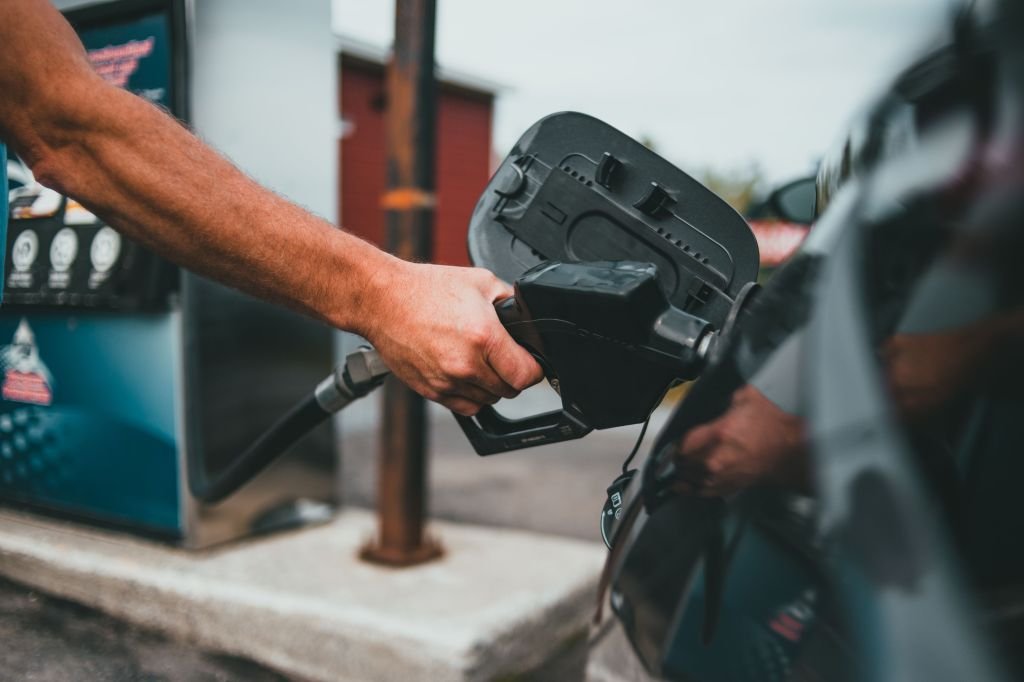
    I filled up my tank last week.

    I stood there watching the numbers go up.

    $20. $40. $60.

    It did not stop.

    $78.

    For one tank of gas.

    I did not go anywhere special. I did not take a trip. Just my normal week. Taking the kids to school. Going to the store. Normal life.

    $78.

    Do you remember when filling up your tank cost $40? I do. And I miss those days.

    Gas prices went up almost 30% this year. Nobody asked us. Nobody warned us. It just happened.

    And our paychecks? They stayed exactly the same.

    So I had two choices. I could complain about it every day. Or I could do something about it.

    I chose to fight back.

    Here is exactly what I did. And how much money it actually saved me.


    1. I Found the Cheapest Gas Station Near Me

    I used to stop at whatever gas station was closest.

    I never thought about the price difference.

    Big mistake.

    Have you ever checked if a cheaper station is just 2 minutes away?

    I downloaded a free app called GasBuddy. It shows every gas station near me and their exact price right now.

    Sometimes the difference is 25 cents per gallon.

    On a 15 gallon tank — that is $3.75 saved every single time I fill up.

    Every. Single. Time.

    Download GasBuddy. It is completely free. It takes 2 minutes to set up.


    2. I Started Filling Up on Monday or Tuesday

    Did you know gas prices change depending on the day?

    I did not know this either until I started paying attention.

    Prices are lowest on Monday and Tuesday mornings.

    They go up on Thursday and Friday when people plan their weekend trips.

    Now I always fill up at the start of the week.

    Same gas. Same car. Lower price.

    When did you last fill up? Was it a Friday?

    Learn more: I Was Shocked When I Saw My Grocery Bill

    3. I Combined All My Errands Into One Trip

    This one saved me more money than anything else on this list.

    I used to make separate trips for everything.

    Store. Come home. Pharmacy. Come home. Pick up kids. Come home.

    Every extra trip burns money.

    Now I sit down on Sunday night and plan my whole week.

    One big loop. Everything done in one trip.

    I cut my driving by almost 30%.

    Think about your week right now. How many extra trips do you make that you could combine?


    4. I Slowed Down on the Highway

    I know. Nobody wants to hear this.

    But listen.

    Driving at 80 miles per hour uses 25% more gas than driving at 65.

    Your engine works much harder at high speed.

    I started driving at 65 instead of 75 or 80.

    I arrive maybe 8 minutes later.

    But my tank lasts almost 3 days longer.

    Is 8 minutes worth $15 to you?


    5. I Checked My Tire Pressure

    This one sounds strange. I know.

    But low tires make your engine work harder.

    Harder engine means more gas burned.

    The fix is free and takes 5 minutes.

    Go to any gas station. Use the free air pump. Fill your tires to the number printed on the sticker inside your car door.

    Properly inflated tires save up to 3% on gas.

    That is real money for doing almost nothing.


    6. I Used My Grocery Store Gas Rewards

    I had no idea this existed.

    My neighbor told me about it and I felt stupid for missing it.

    Many grocery stores give you points when you shop.

    Those points turn into cents off per gallon at their gas stations.

    I saved 40 cents per gallon last month.

    Just from grocery shopping I was already doing.

    Does your grocery store have a rewards program? Check right now. Sign up if they do. It is free.

    See also: Average American Owes $6,715 in Credit Card Debt


    7. I Stopped Topping Off My Tank

    Every time the pump clicked off — I used to keep going.

    Just to get it perfectly full.

    Turns out that extra gas goes into a vapor recovery system.

    You paid for it. Your car never used it.

    Now I stop the moment the pump clicks.

    Small thing. Real savings.


    Here Is The Real Money I Saved

    Table 1 – Individual Methods:

    MethodMonthly SavingsAnnual Savings
    Cheapest station$15$180
    Fill Mon/Tue$18$216
    Combine errands$80$960
    Slower driving$60$720

    Table 2 – Small Wins:

    MethodMonthly SavingsAnnual Savings
    Tire pressure$10$120
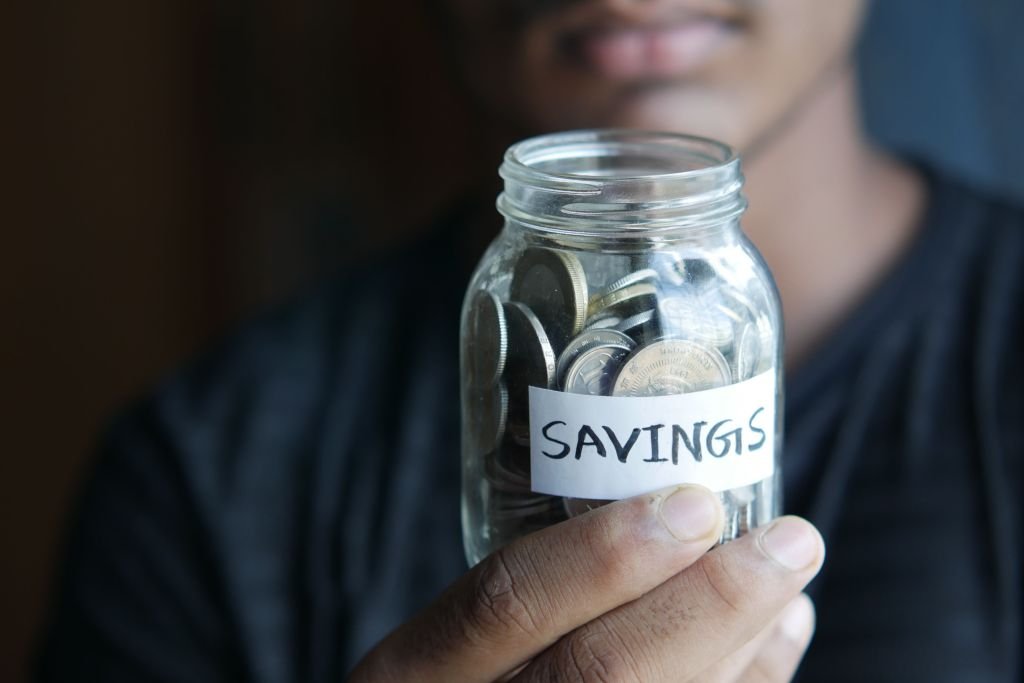
    Grocery rewards$24$288
    Stop topping off$5$60
    TOTAL$212$2,544

    Before — I was spending about $320 a month on gas.

    After these 7 changes — about $235 a month.

    That is $85 saved every single month.

    More than $1,000 every year.

    I did not buy a new car. I did not stop driving. I did not suffer.

    I just changed a few small habits.

    And the money stayed in my pocket where it belongs.


    Your Turn

    The people winning with gas prices aren’t waiting for prices to drop. They’re taking action with what they control right now.

    Which one of these will you try this week? Just pick one. Try it. Then come back and tell me in the comments — did it work for you?

    And if you have a tip I did not mention — drop it below. I read every single comment.

    Let us figure this out together.

    Disclaimer: This article is for educational purposes only and should not be considered as financial advice. Everyone’s financial situation is unique. Consult with a qualified financial advisor before making investment decisions.

  • I Used to Live Paycheck to Paycheck. Here Is What Finally Broke the Cycle

    I Used to Live Paycheck to Paycheck. Here Is What Finally Broke the Cycle

    I remember sitting at my kitchen table staring at my bank account.

    Zero dollars. And rent was due in three days.

    I felt sick. I felt ashamed. I felt like no matter how hard I worked — there was never enough money left at the end of the month.

    Does that sound familiar to you?

    Right now, more than half of Americans are living paycheck to paycheck. Working hard every single day. And still running out of money before the month runs out.

    I was one of them. For years.

    But something finally changed. And today I want to share exactly what broke the cycle for me.


    First — Why Does This Keep Happening?

    It’s not because you’re lazy. It’s not because you don’t work hard enough.

    The real reason is simple: Your money has no plan.

    Every month, money comes in. And money goes out. But nobody is telling that money where to go. So it just… disappears.

    On coffee. On subscriptions you forgot about. On small purchases that feel like nothing but add up to everything.

    Sound familiar?


    The Moment Everything Changed For Me

    One day I sat down and wrote every single thing I spent money on.

    Everything.

    Coffee. Lunch. That app I never use. The subscription I forgot I had. Everything.

    I was shocked.

    I was spending over $300 a month on things I did not even remember buying.

    That was the moment I realized — I did not have an income problem. I had a spending awareness problem.


    Here Is What I Did — Step By Step:

    Step 1 — I Wrote Down Every Dollar

    For one full week I wrote down every single thing I spent money on. Every coffee. Every snack. Every online purchase.

    No judgment. Just honesty.

    Try it. You will be shocked at what you find.

    Learn more: I Was Shocked When I Saw My Grocery Bill

    Step 2 — I Found My “Money Leaks”

    After that week I looked at my list and circled everything that was not necessary.

    These are your money leaks. Small holes that drain your account every single month without you noticing.

    For me it was:

    • 3 streaming services I barely used
    • A gym membership I had not used in 4 months
    • Daily coffee runs that cost me $90 a month

    I cancelled all of it. Same day. That one week of awareness saved me $300+ per month.

    Step 3 — I Paid Myself First

    This one changed everything.

    The moment my paycheck arrived — before I paid anything else — I moved $50 into a separate savings account.

    Just $50. That is it.

    Not $500. Not $200. Just $50.

    I pretended that money did not exist.

    After 3 months I had $150 saved. It was the first time in years I had money that was not already spoken for. That feeling changed everything for me psychologically.


    Step 4 — I Started Using a Budget Framework

    When I looked at how I spent money, I noticed something.

    Many people use a budgeting framework where they split income into categories. Some use 50/30/20 (50% needs, 30% wants, 20% savings). Others use different splits like 70/20/10 or 60/25/15.

    The point isn’t which ratio is “right” — it’s finding one that works for YOUR life.

    I experimented with a few different splits until I found one where I could actually stick to it. That consistency was more important than the perfect formula.

    Comparison: Common Budget Splits

    FrameworkNeeds/Wants/SavingsBest For
    50/30/2050/30/20Moderate income
    60/25/1560/25/15Lower income
    70/20/1070/20/10Tight budget
    40/40/2040/40/20High earners

    The key: Pick one, test it for a month, adjust if needed. Consistency beats perfection.

    Step 5 — I Stopped Using Credit For Small Things

    Every time I used my credit card for something small — coffee, groceries, gas — I told myself it was fine.

    It was not fine.

    Those small charges added up to hundreds of dollars every month. Plus interest.

    I switched to cash for small daily purchases. When the cash was gone — it was gone. No more spending.

    The physical act of handing over cash made me think twice. Cards make spending too invisible.

    See also: Average American Owes $6,715 in Credit Card Debt


    What Happened After 3 Months

    I want to be honest with you.

    It was not easy at first.

    The first month I still overspent in some areas. But I was aware of it. And awareness is everything.

    By month two I was no longer stressed on the last week of the month.

    By month three I had savings in my account for the first time in years.

    Nothing dramatic. No lottery win. No miracle.

    Just small changes done consistently every single month.


    You Can Do This Too

    If you are living paycheck to paycheck right now — I want you to know something.

    It is not your fault that nobody taught you this.

    But it IS your responsibility to change it.

    Start with just one step today. Write down everything you spend for one week. Just that. Nothing else.

    That one step will open your eyes in a way nothing else can.

    The people who break free from paycheck-to-paycheck living aren’t the ones making more money. They’re the ones who became aware of where their money actually goes.

    So what’s stopping you from tracking your spending for just one week?

    Disclaimer: This article is for educational purposes only and should not be considered as financial advice. Everyone’s financial situation is unique. Consult with a qualified financial advisor before making investment decisions.

  • I Used to Struggle Paying My Bills Every Month. Here’s What Finally Changed.

    I Used to Struggle Paying My Bills Every Month. Here’s What Finally Changed.

    For years I thought I was just bad with money. Turns out — I just needed a few simple changes.

    Every month was the same.

    The bills came in. The paycheck ran out. And I sat there staring at my bank account wondering where it all went.

    Rent. Electric. Phone. Car. Groceries.

    By the 20th of the month I was already counting days until the next paycheck.

    Sound familiar?

    You’re not alone. Right now, almost half of Americans say they struggle to pay their monthly bills. Half. That’s your neighbor. Your coworker. Your friend.

    But here’s what nobody tells you — it’s usually not about how much you earn. It’s about a few small habits that nobody ever taught us.

    I found that out the hard way. And these are the things that actually changed everything for me.


    1. I Finally Wrote Down Every Single Bill

    I know. Sounds too simple.

    But I had never actually written all my bills in one place. They just… arrived. And I paid them. Or tried to.

    One night I sat down with a piece of paper and wrote every single monthly expense I had.

    Rent. Electric. Water. Phone. Internet. Subscriptions. Car payment. Insurance.

    The total shocked me.

    I was spending $400 more every month than I thought. No wonder I was always broke.

    Try this tonight: Get a piece of paper. Write every bill you pay every month. Add them up. The number will surprise you — I promise.

    Learn more: 10 Easy Ways to Save Money Every Month


    2. I Stopped Paying Bills Late

    Late fees are like a tax on being disorganized.

    Every late payment costs you $25, $35, sometimes $50. Do that with 3 bills a month and you’re throwing away $100 for nothing.

    I set up reminders on my phone for every single bill — 3 days before it was due.

    No more late fees. That’s $100 a month back in my pocket just from being organized.

    Try this: Set a phone reminder right now for your next bill due date. Just one. Start there.


    3. I Called My Internet Company and Asked for a Lower Rate

    This one felt scary. I almost didn’t do it.

    But my neighbor told me she called her internet company and just asked — “Is there anything cheaper available?”

    They gave her a $20 discount on the spot.

    I tried the same thing with my phone bill. The person on the phone offered me a different plan that saved me $15 a month.

    $35 a month saved. From two phone calls. Total time: maybe 20 minutes.

    Try this: Call one bill company this week. Just ask: “Is there a lower plan or any discounts available?” The worst they can say is no.


    4. I Made a “Bills First” Rule

    Before I spent any money on anything — food, clothes, fun, anything — the bills got paid first.

    Sounds obvious. But I used to pay bills whenever I remembered. Which meant sometimes I spent money on other things first and then didn’t have enough for bills.

    Now the day my paycheck arrives, bills come out first. Whatever is left is for everything else.

    This one change stopped 90% of my late payments immediately.

    Try this: Next payday — pay every bill first. Before anything else. Even before groceries. See how it feels.


    5. I Found One Bill I Could Cut Completely

    Look at your bill list from tip #1.

    Is there anything you don’t really need?

    For me it was a streaming service I watched maybe twice a month. $14 a month for almost nothing.

    I cancelled it. That’s $168 a year back in my pocket.

    One cancellation. Five minutes. $168 saved.

    Try this: Find just ONE bill to cut this month. Not five. Just one. Even $10 a month is $120 a year.

    HabitAnnual Savings
    Pay on time (vs late)$1,260

    6. I Started a “Bill Emergency” Savings

    Even $20 a month changes everything.

    Because before I did this, one unexpected bill — a car repair, a medical bill, anything — would destroy my whole month.

    Now I put $20 aside every payday specifically for unexpected bills. Just $20.

    After 6 months I had $240 sitting there. It’s not a lot. But it means one unexpected bill doesn’t ruin everything anymore.

    Try this: Open a separate savings account. Put just $20 in it this month. Label it “Bill Emergency.” Don’t touch it.

    See also: 53% of Americans Can’t Cover a $1,000 Emergency


    The Truth Nobody Tells You

    Struggling with bills doesn’t mean you’re bad with money.

    It usually just means nobody taught you these simple habits.

    I wasn’t bad with money. I was just disorganized. And once I got organized — everything changed.

    You can do the same thing. Start with tip #1 tonight. Just write your bills down.

    That one step will show you more about your money than anything else you’ve ever done.

    Which tip are you going to try first? Tell me in the comments — I really want to know. 👇


    If this helped you, share it with one person who needs it. It might change their month.

    Disclaimer: This article is for educational purposes only and should not be considered as financial advice. Everyone’s financial situation is unique. Consult with a qualified financial advisor before making investment decisions.