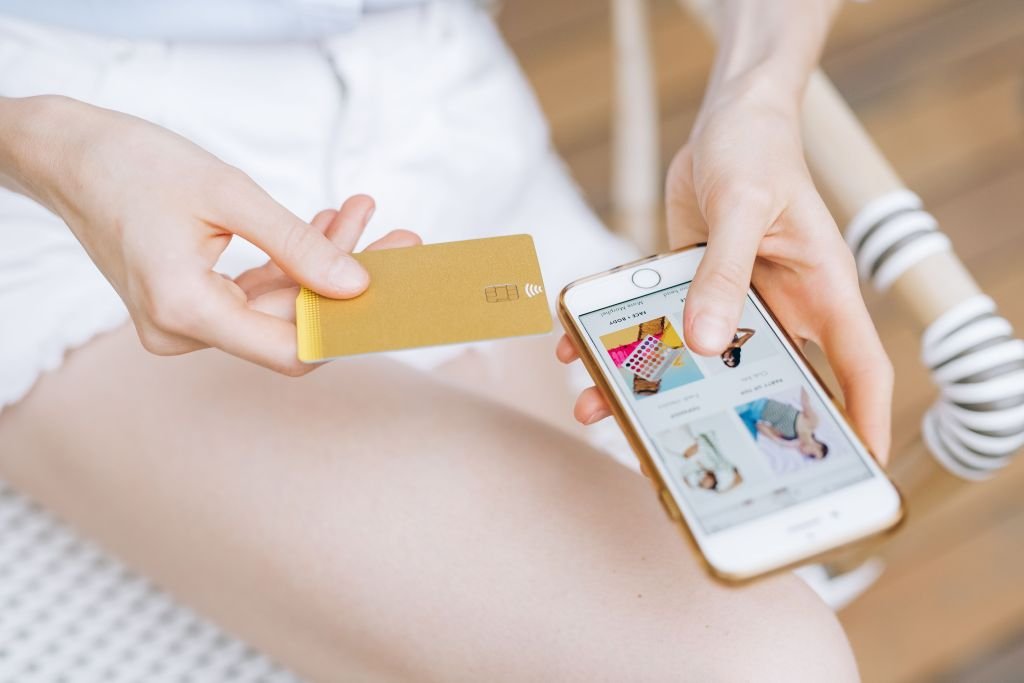
It wasn’t even something I needed. I was tired, stressed about money, and scrolling — and for about ten seconds, buying something small felt like it would fix how I felt. It wouldn’t have. I closed the tab instead.
The terrifying part is that it almost works. For those ten seconds while the confirmation page loads, you actually feel better. It’s not real relief, but it feels real enough to be dangerous.
Turns out that urge has a name, and real numbers behind it. Capital One Shopping’s research (updated June 2026, based on 2025 data) found the average American spends $254 a month on impulse buys — $3,045 a year. Not one big purchase. Dozens of small ones that add up quietly.
Have you ever caught yourself about to buy something not because you needed it, but because of how you were feeling in that exact moment?
This helps: I Cut My Coffee, Dessert, and DoorDash
It’s more common than you’d think
92% of Americans have some history of impulse buying, and 54% have made at least one impulse purchase of $100 or more. It’s not a small-money habit — for a lot of people, it’s a real leak in the budget.
Here’s what surprised me: it’s not younger people leading this. Millennials impulse-buy the most (74%), then Gen X (69%), then Gen Z (63%), with Baby Boomers lowest at 53%. The stereotype about reckless younger spenders doesn’t really hold up in this data.

| Demographic | Impulse Buy Rate | Ranking | Source | Data Year |
|---|---|---|---|---|
| Millennials | 74% | Highest | Capital One Shopping | 2025 |
| Gen X | 69% | 2nd | Capital One Shopping | 2025 |
| Gen Z | 63% | 3rd | Capital One Shopping | 2025 |
| Baby Boomers | 53% | Lowest | Capital One Shopping | 2025 |
| All Americans w/ History | 92% | Overall | Capital One Shopping | 2025 |
| $100+ Impulse Purchase | 54% | Major purchase | Capital One Shopping | 2025 |
The stress connection is real, even if it’s not simple
A separate Harris Poll survey from April 2025 found 51% of Americans regularly stress about money, and 41% worry they don’t have enough saved for an emergency. That same survey didn’t measure whether stress directly causes impulse buying — I want to be honest about that, the two studies don’t prove one causes the other.
But a different Harris Poll survey, from December 2024, found 22% of Americans made impulse purchases that significantly hurt their finances in the past year, and 16% said they spend more on impulse buys in a typical month than they put toward retirement. Whatever the exact link, the pattern feels familiar to a lot of people: money stress goes up, and so does the urge to buy something, anything, that feels like relief.
Does spending ever feel like relief to you, even for a few minutes, even when you know it isn’t really helping?
Read: 53% of Americans Can’t Cover a $1,000 Emergency
What I do instead now
For one week, I wrote down every single time I felt the urge to buy something I hadn’t planned for — not just the ones I acted on, all of them.
Next to each one, I wrote down what I was actually feeling right before: bored, tired, stressed, or genuinely needing the thing.
By the end of the week, almost none of them were about the item itself. That was the real, uncomfortable, useful part.

Once I saw that pattern, I couldn’t unsee it. Every impulse buy was never about needing the thing — it was about needing to feel something different for five minutes. That realization hurt, but it was also the key to stopping.
Would you actually be willing to write down the feeling behind your next few purchases, even the small ones, before you buy?
Worth trying: 5 Simple Ways to Save $100 This Month
Disclaimer: This article is for educational purposes only and should not be considered as financial or mental health advice. Impulse buying behaviors and stress responses vary by individual. Consult with a qualified financial advisor or mental health professional before making major financial or lifestyle decisions.