Ordering dinner used to mean one decision: pay now or don’t order. Now DoorDash and Instacart let you split that same order into four payments through Klarna, and a lot of people are asking does buy now pay later on DoorDash affect your credit score before they tap confirm. The honest answer is more complicated than most articles admit.
Food delivery already made overspending easy. Add a $6 delivery fee, a $4 service fee, and a tip on top of the actual meal, and the real cost of ordering in creeps up fast. Buy now pay later for food didn’t invent that problem. It just removed the last thing stopping people from ordering anyway: not having the full amount available right now.
That’s the real risk here. When the app lets you pay for a $40 dinner in four $10 chunks, the dinner is gone long before the debt is. You’re not financing a couch or a laptop you’ll still own in six months. You’re financing something you already ate.
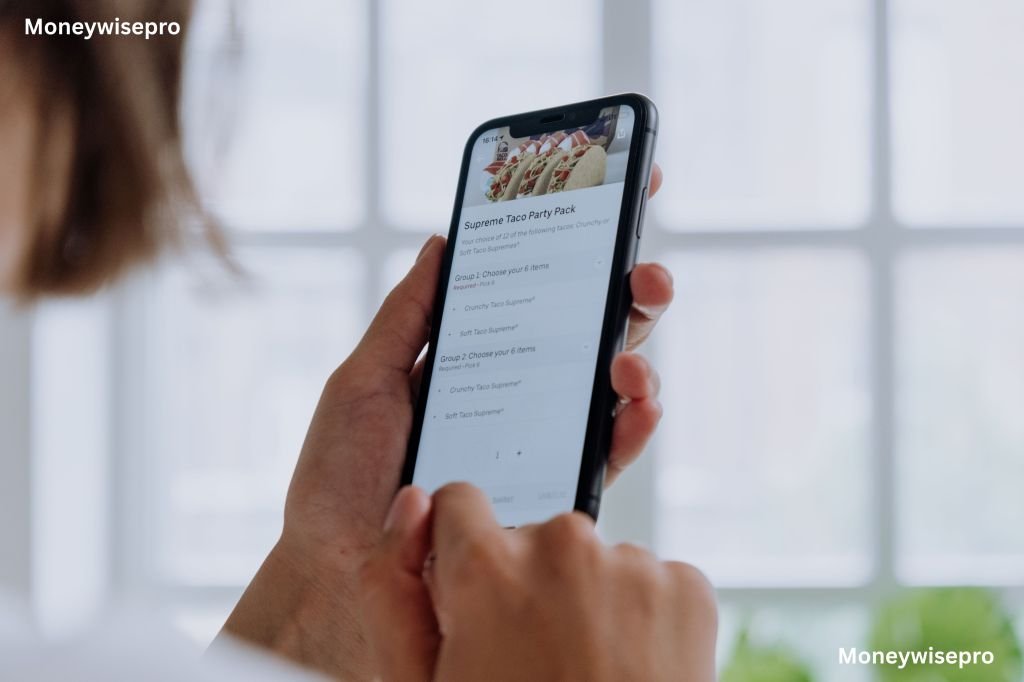
Here’s where the credit score part actually gets real. For years, most BNPL providers didn’t report short-term “Pay in 4” plans to the major credit bureaus at all, which is part of why the apps felt consequence-free. That’s starting to change, though not the way most people assume. According to Credit Karma’s explanation of BNPL credit reporting, Affirm began reporting new installment loans to Experian in April 2025 and TransUnion in May 2025. Equifax has not joined that rollout yet, and in May 2026, US senators sent Equifax a formal letter asking exactly how it plans to handle BNPL data going forward. So does buy now pay later on DoorDash affect your credit score? Increasingly, for some bureaus, yes, especially if a payment is missed or a plan goes to collections.
The bigger issue isn’t one missed $10 payment. It’s what happens when someone is running four or five of these plans at once across different apps, which is now common. Each individual plan looks small. Add them together with rent, a phone bill, and a car payment, and the math stops working quietly, without anyone noticing until a payment bounces.
The fix for that blind spot does not have to be complicated. The BNPL Stack Tracker is a $9 fillable PDF built for exactly this kind of stacking, one page for every open plan, so a food delivery split shows up next to the furniture payment and the phone installment instead of hiding inside five different apps.
This isn’t happening in isolation. According to LendingTree’s 2026 BNPL Tracker, 47% of BNPL users say they’ve paid late on a loan in the past year, up from 41% in 2025 and 34% the year before that. The same report found grocery use is climbing fast too: a separate February 2026 LendingTree survey found 25% of BNPL users are now buying groceries with it, nearly double the 14% rate from a year earlier.
That grocery shift matters more than it might seem. Groceries and food delivery are recurring, necessary expenses. Financing recurring necessary expenses on a payment plan is a pattern that’s much harder to walk back than financing a one-time purchase like a couch or a laptop.
Worth knowing: this isn’t the only recent shift affecting how Americans handle everyday spending.
Why Most Americans Fail at Saving. And the One Habit That Changes Everything.
DoorDash’s partnership with Klarna, first rolled out for delivery orders and expanded from there, made this mainstream fast. What used to be a niche option for electronics or furniture is now sitting right next to the “place order” button for a burrito. The convenience is real. So is the fact that this normalizes debt for something you’d otherwise just decide you can’t afford tonight.
To be fair, not every use of BNPL on food delivery is reckless. Someone splitting a one-time large catering order for a family event into two payments, paid on schedule, isn’t creating a problem. The plans are also genuinely interest-free if paid on time, unlike a credit card carrying a balance. The danger isn’t the tool itself. It’s using it as a workaround for a budget that’s already too tight, on purchases that repeat every single week.
This is why keeping every open plan visible matters more than any single payment.
Personal Loans: The New Debt Trap Americans Are Walking Into
If you’re wondering does buy now pay later on DoorDash affect your credit score for your own situation, the practical test is simple: could you have paid for this order today, in full, without the split? If yes, the four-payment option is just a convenience. If no, that’s the actual signal worth paying attention to, not the payment plan itself.
There’s a simple way to catch this before it becomes a real problem. Before opening a new plan on a food order, check how many BNPL plans are already active across every app, not just the one in front of you. Most people underestimate this number because each app only shows its own plans, never the full picture across Klarna, Afterpay, and Affirm combined.
If BNPL is already part of how you manage food or grocery spending, seeing every open plan in one place beats trusting memory across three or four different apps. The free BNPL Payment Tracker lays that out on one simple page, no cost, instant download.
| Metric | 2025 | 2026 |
|---|---|---|
| Paid late on a BNPL loan in past year | 41% | 47% |
| BNPL used for groceries | 14% | 25% |
| Reports to Experian / TransUnion | Rolling out | Active (Affirm) |
| Reports to Equifax | No | Not yet, under review |
None of this means BNPL should be avoided entirely, or that everyone using it is in trouble. It means the four-easy-payments pitch was built for furniture and electronics, not for a meal you’ll finish in twenty minutes. That gap between the pitch and the product is exactly where people get into trouble without meaning to.
Nobody splits a $40 dinner into four payments because they planned to. It usually starts as a one-time convenience and quietly becomes a habit before anyone notices the pattern.
So the next time an app offers to split your dinner into four payments, what’s the real question you should be asking yourself before you tap yes?
Disclaimer: This article is for general informational purposes only and does not constitute financial advice. BNPL terms, fees, and credit reporting practices vary by provider. Consult a licensed financial advisor for guidance specific to your situation.