A credit card late fee can hit your account the moment you miss a due date, and in 2026 that fee is probably a lot higher than you think it should be. Back in 2024, the Consumer Financial Protection Bureau announced a new rule capping the typical credit card late fee at just $8, down from $32. A lot of people heard that news once and assumed the cap already applied to them. It doesn’t. If you’ve paid a credit card late fee anytime in the last year, you almost certainly paid the old, higher amount, not $8.
Here’s what actually happened, because the real story matters more than the headline most people remember. Regulators finalized the $8 cap in March 2024, but banking trade groups sued immediately, and a federal court blocked it before it ever touched a single real cardholder. The fight dragged on for a year, and in April 2025 a federal judge in Texas threw the rule out for good as part of a settlement between the agency and the card industry, which left the older, higher fee framework fully in place, exactly as the official rule page still confirms today. Senate Democrats tried reviving the $8 idea through a new bill in January 2026, and separately, the CFPB signaled in July 2026 that it may attempt new rulemaking again through a different legal path. None of that has changed anything yet. Until one of those efforts actually becomes enforceable law, your statement will keep following the older rules, not the $8 number that made headlines two years ago.
So what does a credit card late fee actually cost you right now? Based on real 2025-2026 issuer data, the typical first-time credit card late fee sits around $30 to $32, and a repeat late payment within six billing cycles can push that fee up to $41 or $43. Smaller banks, credit unions, and store or subprime cards tend to land at the higher end of that range. The number people remember from the news and the number actually printed on a real statement are two different things in 2026, and that gap is exactly where the confusion lives.
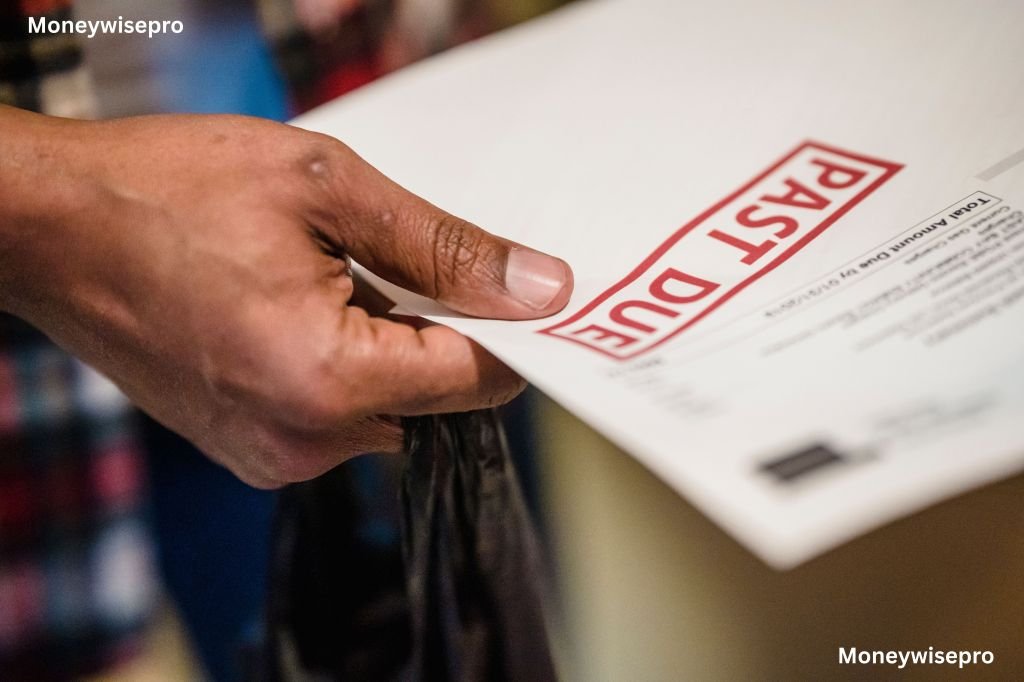
Here’s what actually helps, and it has nothing to do with waiting on Congress. A credit card late fee is one of the more negotiable charges on an account. Most major issuers have a “goodwill” adjustment process, and a first-time late payment on an account with a decent history gets waived more often than people expect, simply because someone called and asked. It costs nothing to try, and it works far more often than the regulatory back-and-forth would suggest.
The second fix is even simpler: set at least the minimum payment to autopay. That one setting doesn’t cost you any flexibility, since you can still pay more manually whenever you want, but it guarantees a credit card late fee never becomes a possibility in the first place, no matter how busy or forgetful a particular month turns out to be. Most banking apps let you set this up in under two minutes, and it’s one of the few money habits that quietly protects you without ever requiring a second thought once it’s in place.
Same principle applies to a related credit card myth worth clearing up while we’re on the topic:
Average American Owes $6,715 in Credit Card Debt. The Fed Just Made That Number More Painful.

Here’s a nuance almost nobody explains clearly. A credit card late fee gets charged the moment your payment is late, sometimes just a day past the due date. Your credit score is a different matter entirely. Under federal credit reporting rules, an issuer generally cannot report a late payment to Equifax, Experian, or TransUnion until it’s a full 30 days past due. That means a payment that’s five or ten days late can cost you a real credit card late fee without touching your credit score at all, as long as you catch up before hitting that 30-day mark. The fee and the score damage are two separate clocks, and mixing them up is one of the most common money mistakes people make after a missed due date.
This helps explain why keeping track of due dates matters more than most people admit:
Is Your Credit Report Really Free in 2026? Here’s What the New $16 Fee Actually Means

For anyone who wants the short version of how we got here, this is the real timeline behind the headline:
| Date | What Actually Happened |
|---|---|
| March 2024 | Rule finalized, capping the fee at $8 |
| May 2024 | Blocked by a federal court before it ever took effect |
| April 2025 | Vacated by settlement, old fee amounts stay in place |
| January 2026 | Senate Democrats reintroduce a bill to force the $8 cap into law |
| July 2026 | The agency signals it may attempt new rulemaking again |
None of these dates change what’s due on your own account today, which is exactly why a simple reminder system beats relying on memory or old news. a free tracker worth keeping on hand for exactly this kind of situation can catch a payment before it turns into a credit card late fee in the first place.
Money stories like this one tend to get repeated long after the facts change underneath them, and that gap is where real money gets lost every single day. A five-minute phone call to ask for a fee waiver almost always costs less than staying quiet and assuming nothing can be done.
Have you ever paid a credit card late fee without asking whether it could be waived first?
Disclaimer: This article is for general information only and is not financial or legal advice. Fee rules and financial regulations can change, so confirm current terms directly with your card issuer before making a decision.