Tag: consumer-spending

  • The Tip Screen Guilt Is Real, and It’s Quietly Draining Your Budget in 2026

    You hand over your card at the coffee counter, the self-checkout kiosk, or the tire shop, and the screen flips around asking for 18, 20, or 25 percent, with a cashier or camera lens somewhere nearby. That moment of tip screen guilt is not just in your head. Americans reluctantly tipped an average of 283 dollars in 2025 just from feeling pressured in that exact moment, money that never made it into a real budget plan.

    Digital tip prompts used to show up mostly at sit-down restaurants. Now they pop up at drive-throughs, hair salons, dog groomers, and self-checkout lanes where there is no server bringing you a plate at all. The screen does not care whether a human actually did extra work for you. It just asks, and most people feel too watched to hit the no tip button.

    That is the real problem behind tip screen guilt: it turns a voluntary reward into a rushed, emotional decision made under someone’s gaze, and that rushed decision quietly eats into money that was supposed to go somewhere else. Many Americans report changing how they shop and pay specifically because of this pressure, not because they suddenly decided service workers deserved more.

    Part of the trick is how the screen is designed in the first place. Most kiosks show a default set of options like 18, 20, and 25 percent instead of a blank field, and that starting point quietly shifts what feels normal to tip. Pick a low number and you feel like you are being cheap in front of the person watching the screen. Pick the highest number and you barely notice the extra few dollars sliding out of your account, one tap at a time, all month long.
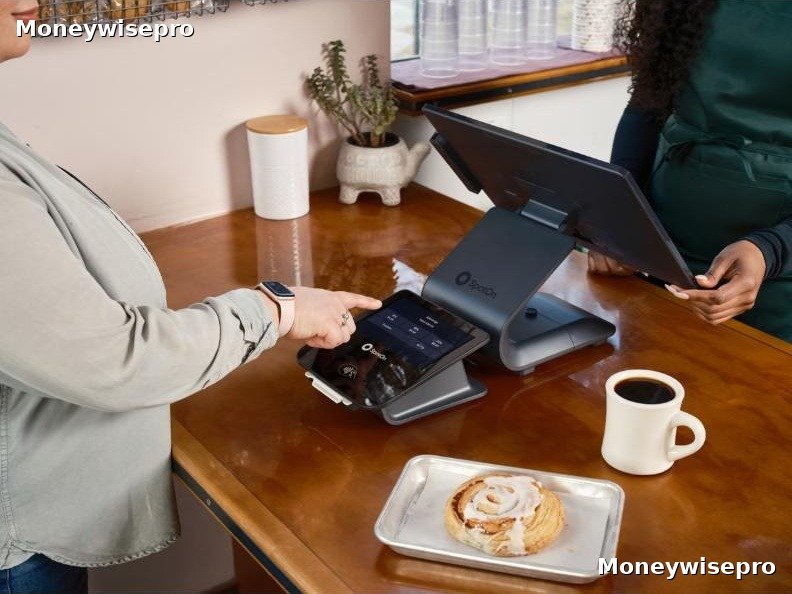
    Customer tapping a tip percentage option on a coffee shop point of sale screen

    The pressure is measurable, not just a feeling. A LendingTree survey found 66 percent of Americans feel pressured to tip once a screen puts the option in front of them, and 60 percent say they are tipping more now purely because the technology makes it easier to nudge them. Break that pressure down and it comes from three different directions: 27 percent said the pressure was self-imposed, 24 percent said they felt obliged by people standing nearby, and 19 percent said the pressure came directly from the person serving them. None of that is about generosity. It is about not wanting to look cheap in front of a stranger.

    The generational split is worth knowing if you are trying to budget realistically. Gen Z reports tipping more under this pressure at 73 percent, millennials at 72 percent, and parents with kids under 18 tip more often than people without kids, 72 percent versus 58 percent. Tip screen guilt hits hardest on people already juggling tight family budgets, not people with money to spare.

    Here is where it actually shows up in real dollars. The average person who gives in to tip screen guilt does it about 4.2 times a month and reluctantly adds around 24 dollars a month they did not plan to spend, according to Talker Research’s 2025 data reported by Fox Business. Add that up over a year and it lands close to that 283 dollar figure, money quietly leaking out of a grocery budget or an emergency fund one tap at a time.

    This helps: The Average American Wastes $205 a Year on Subscriptions They Don’t Even Use

    Handheld payment screen showing preset tip percentage buttons at a restaurant table

    There is a real counter-argument here, and it deserves honesty, not a blanket no-tip rule. Workers in genuinely tipped jobs in the United States, servers, bartenders, delivery drivers, often depend on tips to reach a livable wage because their base pay is legally allowed to be lower. Skipping a tip for someone who actually served your table is a different decision than skipping one at a self-checkout kiosk where no human did anything beyond programming the screen.

    That distinction is exactly why 2026 is turning into a pushback year instead of just another year of rising tip pressure. A WalletHub-based survey covered by TheStreet found close to 40 percent of Americans now believe tipping culture has gone too far and would support pulling it back, and Fox Business reported Americans are actively fighting the guilt-tipping trend for the first time, with total guilt-tip spending actually falling 38 percent from 2024 to 2025. People are starting to draw their own line instead of letting the screen draw it for them.

    The places where this pressure shows up the most are also the places with the least actual justification for a tip. Coffee counters where you order at a register and wait for your own name to be called, self-checkout lanes where you scanned every item yourself, and drive-throughs where nobody carried anything to a table are exactly where the screen still asks for 20 percent by default. A tip in those settings is not paying for labor you received, it is paying for the discomfort of saying no while someone is standing three feet away.
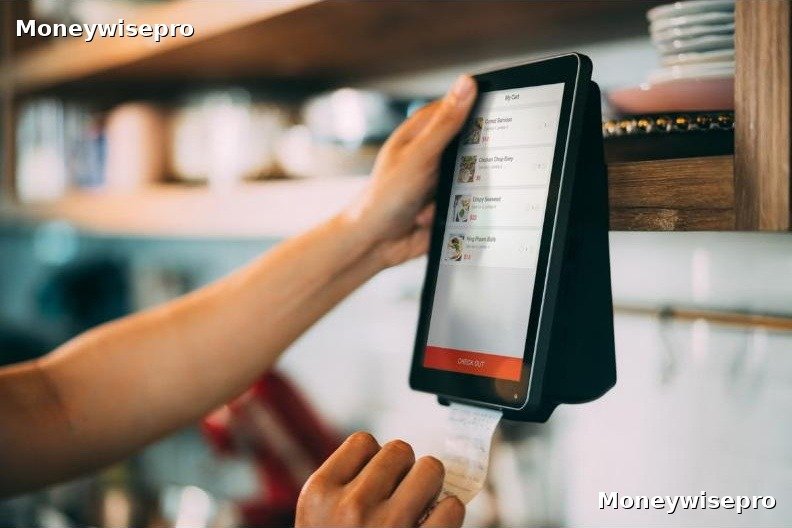
    Customer using a self-checkout kiosk screen with a printed receipt

    The fix is not becoming someone who never tips. It is deciding your rule before you are standing at the counter with the screen glowing in your face and someone watching. Decide ahead of time that table service, haircuts, and delivery drivers get a real tip, and that a machine you walked up to and scanned your own groceries on does not owe anyone a percentage just because it asked.

    Here is a quick look at how the guilt-tipping trend actually moved between 2024 and 2025, based on the LendingTree and Talker Research surveys cited above.

    Metric20242025
    Average annual guilt-tip spendingover $450$283
    Guilt tips given per month6.3 times4.2 times
    Extra amount tipped per monthhigheraround $24
    Americans who increased tipping that yearmajority trend uponly 11%

    That hesitation right before tapping a tip amount is a genuinely uncomfortable few seconds for most people, not a sign of being cheap. Once you realize the number on that screen has nothing to do with how good the service actually was, it gets a lot easier to just tap the honest amount and move on.

    Worth knowing: The Average American Spends $3,045 a Year on Impulse Buys

    Do you tip differently now than you did two years ago, or has the screen just quietly changed your habits without you noticing?

    Disclaimer: MoneyWisePro is not a financial advisor. This article is for general information only and is not financial advice. Contact a licensed financial advisor for guidance on your own household budget and spending decisions.


  • Why Do So Many Stores Charge You to Return Something Now?

    Why Do So Many Stores Charge You to Return Something Now?

    A few years ago, returning something you didn’t want was simple. Print a label, drop the box off, get your money back. That’s not how it works at most stores anymore, and why do stores charge you to return something now is turning into one of the most common questions shoppers type into Google before they even try. The honest answer is that returns quietly became one of retail’s biggest cost problems, and stores decided shoppers should help cover it.

    So do returns cost money now? For most major retailers, yes. It is no longer a free undo button on a purchase, and shoppers who assume otherwise are the ones most likely to get surprised by a smaller refund.

    Here’s what most people don’t realize until the fee shows up on their refund. Nearly three-quarters of retailers now charge for at least some returns, up from 66% just last year, according to industry data reported by TheStreet. This isn’t a handful of stores testing something new. It’s become the normal way retail operates now, and it happened fast enough that a lot of shoppers haven’t caught up to it yet.

    A woman holding a return shipping box while checking her phone

    The reason stores added these fees isn’t complicated once you see the math. A Pollen Returns co-founder explained it plainly to Today.com: just processing a single returned item can cost a retailer around $12, and that figure doesn’t even include restocking or the loss from reselling that item at a markdown later. Multiply that by millions of returns a year, and free returns stopped making financial sense for a lot of companies. That cost is the real reason why stores charge you to return something in the first place, not an attempt to punish anyone for changing their mind.

    The scale of returns is genuinely enormous. Retailers expect billions of dollars in merchandise to come back through their doors and warehouses this year alone, and online orders get returned at a noticeably higher rate than anything bought in person. A return fee, from the store’s side, isn’t about punishing shoppers. It’s about not eating a cost that used to be invisible to everyone except the finance department.

    Related read:
    The Average American Spends $3,045 a Year on Impulse Buys. I Almost Became One of Them Last Week.

    What makes this expensive for shoppers is that the fees aren’t small or one-size-fits-all. Marshalls and T.J. Maxx deduct close to $12 for a mailed-back return. Macy’s takes about $9.99 off the refund unless the shopper is enrolled in its loyalty program, which waives it. JCPenney and J.Crew fall in the $7 to $8 range, Zara charges roughly $4.95, Urban Outfitters takes $5, and Dillard’s adds close to $9.95 on top of any restocking charge. Best Buy goes further with electronics specifically, applying a restocking fee on opened items and a separate, steeper charge on activatable devices like phones and tablets.

     A man reading a receipt beside an opened cardboard return package

    Kohl’s takes a similar approach, applying a restocking percentage on non-defective items and treating shipping costs as non-refundable no matter what. None of these numbers sound huge in isolation. A $9.99 fee here, an $8 fee there. But for anyone who orders two or three sizes of the same shirt to try on at home, a habit called bracketing that a large share of younger shoppers openly admit to doing, those small deductions add up across every single return.

    RetailerTypical Return FeeFee Type
    Marshalls / T.J. Maxx~$11.99Mail-return shipping fee
    Macy’s~$9.99Waived for loyalty members
    JCPenney~$8.00Mail-return shipping fee
    Best Buy15% / up to $45Restocking (electronics)
    Kohl’s15%Restocking (non-defective)

    This is where the fee structure quietly changes shopping math that most people never think to run. Buying something on impulse used to carry almost no risk, since the worst case was a quick, free return if it didn’t work out. Now the worst case includes losing $5 to $12 of your own money just to undo a purchase you never should have made in the first place. Why do stores charge you to return something has a straightforward answer, but the ripple effect on everyday spending decisions is the part that catches people off guard.

    Also useful:
    Your Emergency Fund Isn’t What It Used to Be. Here’s What Changed.

    Retailers are watching consumer reaction closely, and the numbers suggest the fees are already creating friction. Close to half of merchants that started charging for returns report a real increase in customer complaints, and more than a third say they’ve lost repeat customers specifically because of the new fees. Shoppers care about return policy more than a lot of retailers may want to admit, with a large majority saying a store’s return terms factor directly into whether they buy there in the first place.

    There are still ways to avoid most of these charges without giving up online shopping altogether. Loyalty programs are the biggest lever, since several major retailers, including Macy’s, waive the return fee entirely for members, and signing up costs nothing. In-store returns are another workaround, since many of the fees only apply to mail-back returns, not items brought back to a physical location in person.

    A young woman comparing two similar sweaters before choosing which to keep

    Reading the return policy before checkout, not after the package arrives, is the simplest habit that actually prevents a surprise deduction. A lot of stores post the fee structure directly on the product or shipping page, and a thirty-second check before buying is a lot cheaper than an unwanted fee after the fact.

    One workaround most coverage of this trend skips entirely: choosing store credit or an exchange over a cash refund. Many retailers waive the return fee specifically when a shopper accepts a gift card or swaps for a different size or item instead of asking for money back. It only works if there’s something else in the store actually worth buying, but for anyone planning to shop that retailer again anyway, it’s a real way to skip the deduction entirely instead of eating it every time.

    Ties into this:
    My Bank Account Fees Are Eating My Paycheck

    Many Americans grew up with the assumption that returns were simply free, a built-in safety net for buying the wrong size or changing their mind. That assumption quietly expired over the last couple of years, and most people only find out the hard way, when a smaller-than-expected refund lands in their account. Watching that number shrink for no obvious reason is a strange kind of frustrating, and it usually takes checking the original order page to even understand what happened.

    None of this means returns are going away, or that shopping online has become a trap. It means the old habit of buying loosely with the plan to just return whatever doesn’t work out now comes with a real cost attached, one that’s easy to avoid with a little more intention before checkout instead of after.

    Before your next online order, is checking the return policy already part of your routine, or does the fee usually show up as a surprise?

    Disclaimer: MoneyWisePro is not a financial advisor, lawyer, or retail industry professional. This article is for general information only and is not financial advice. Always check the specific return policy of any retailer before making a purchase.