A check hits your account and the number changes right away. Then a little tag shows up next to it, pending, or on hold. No explanation, no timeline, just a deposit sitting there while the bills don’t wait. It’s one of the most common questions typed into a search bar every single day, how long can a bank legally hold your check. Most people never actually get a real answer, because the notice on the account rarely spells it out in plain English.
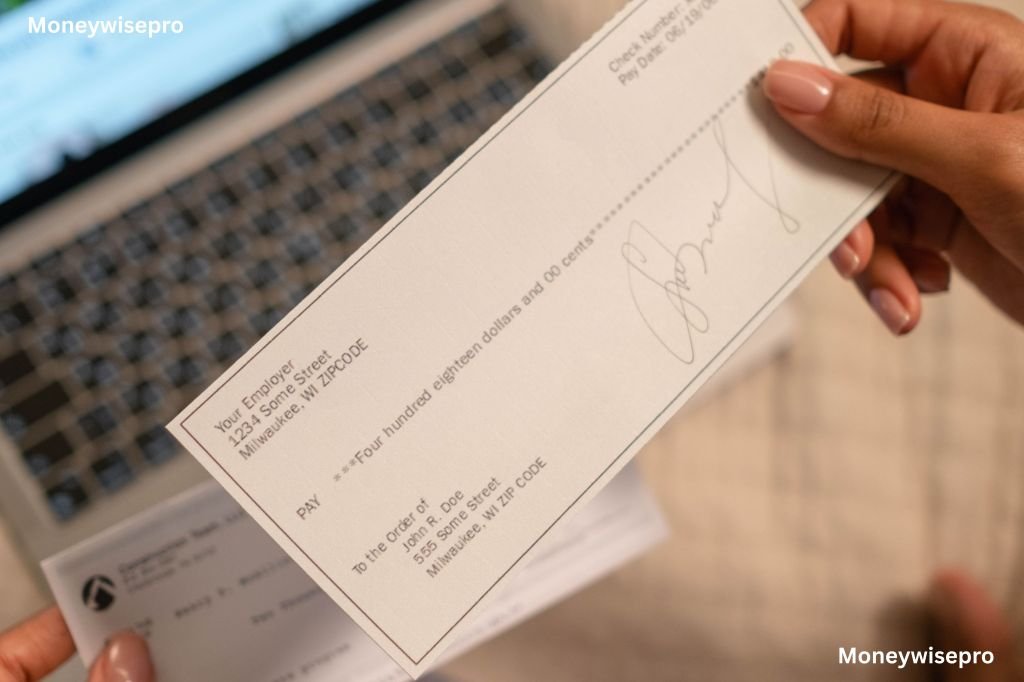
There’s a real federal rule behind this, not a random decision made by one branch manager. It’s called Regulation CC, part of the Expedited Funds Availability Act, and it sets the outer limit on how long a bank can legally hold your check before that money has to show up as usable.
For most deposits, the wait is short. A check under $275, a government check, a certified check, or one deposited in person with a teller usually has to be available by the next business day. A regular paper check over that amount, or one dropped into an ATM, typically gets one extra business day added on, so the money lands on day two instead of day one.
The wait gets longer once certain red flags show up. Banks can stretch a hold out to seven business days total when the account is less than 30 days old, when the deposit is over $6,725 in a single day, when the account has had repeated overdrafts in the past six months, when the check already bounced once and is being redeposited, or when the bank has a documented reason to doubt the check will actually clear. Brand new accounts depositing a large official check can be held even longer, up to nine business days on the part over $6,725. In every one of those cases, the bank is required to notify the account holder in writing, stating the reason for the hold and the exact date the funds become available.
A business day only counts Monday through Friday, and it skips federal holidays entirely, so a check deposited on a Friday afternoon does not really start its clock until Monday morning. That one detail explains a surprising number of confused calls to customer service on Tuesdays.
Here’s how long a bank can legally hold your check under the rules as they stand right now, laid out by deposit type.
| Deposit Type | Standard Hold Under Regulation CC | Can It Be Extended |
|---|---|---|
| Check under $275 | Next business day | Rarely |
| Government or certified check | Next business day | Rarely |
| Personal check over $275 | Second business day | Yes, up to 7 business days |
| ATM deposit at the bank’s own machine | Second business day | Yes, up to 7 business days |
| Deposit over $6,725 in one day | Second business day for first $6,725 | Yes, up to 7 business days on the rest |
| New account, 30 days old or less | Varies by bank policy | Yes, up to 9 business days on large checks |
| Redeposited check that already bounced once | Varies by bank policy | Yes, up to 7 business days |
That’s the rule as it stands today, and it’s the part almost every existing guide online stops at. What most of those guides leave out is that this rule is actually in the middle of changing.

Congress is currently working on a bill that could stretch the wait even further than seven days. The STOP Payments Fraud Act of 2026, introduced by Rep. Young Kim in June 2026 and already passed by the House Financial Services Committee, would let banks skip the standard availability deadlines entirely whenever they have a reasonable suspicion of fraud on a check or wire transfer. The bill does not set a new maximum in its place. Instead, it leaves the real cap up to future rulemaking by the Federal Reserve and the Consumer Financial Protection Bureau, which means the current seven day ceiling could stop being the actual ceiling at all.
This helps explain the timing:
My Bank Account Fees Are Eating My Paycheck
The reason lawmakers are pushing this is real money, not politics. FinCEN found banks reported $688 million in mail theft related check fraud in just a six month stretch, and current law forces a bank to release funds before its own fraud investigation is even finished. That gap between paying out the money and actually catching the fraud is exactly what this bill is trying to close.
The tradeoff cuts in two directions at once. A longer hold on a genuinely fraudulent check protects the bank, and indirectly protects every other customer from quietly absorbing that loss. A longer hold on a real, legitimate check just means a longer wait for someone who was counting on that money landing on schedule. The bill does include one real protection worth knowing about, if a bank delays funds under this rule and skips the required notice, it is not allowed to charge an overdraft fee for anything that bounces because of that delay.

There are a few things worth checking the moment a deposit shows as pending longer than expected. Ask the bank directly for the written hold notice, since federal rules require one for any extended hold, and it has to state the exact date the funds become available. Ask plainly whether the hold falls under the standard rules or one of the fraud-related exceptions, since the reason changes what can actually be done about it. An account holder who believes a bank ignored its own published hold policy can also file a complaint directly with the Consumer Financial Protection Bureau, which tracks exactly these kinds of funds availability disputes.
Watching a bank account for a deposit that has not cleared yet is a strange kind of waiting, somewhere between checking a phone for a reply and refreshing a delivery tracking number. Many Americans describe the same quiet frustration, not because the money disappeared, but because nobody actually explained why it is not there yet.
A hold that drags on for even a few extra days can turn into a real problem for anyone living close to the edge of their next paycheck, which is exactly why having something set aside matters so much before that gap ever opens up.
A hold like this is exactly the kind of gap a simple budget tracker can help catch early, before it turns into a bigger cash flow problem. There’s a free one available here if keeping tabs on deposits and spending sounds useful.
Worth reading next:
53% of Americans Can’t Cover a $1,000 Emergency. I’m Building Mine From Zero — Here’s My Plan.
For now, the seven day rule is still the real limit for most everyday deposits. Whether that stays true depends on what happens the next time this bill reaches a full vote in the House, and on what the Federal Reserve and CFPB eventually decide counts as a reasonable extra wait once it passes. Many Americans who deposit checks regularly, freelancers, landlords collecting rent by mail, small business owners, may want to keep an eye on this one, since it is genuinely not settled yet.
None of this means every hold is unfair or a sign something went wrong. Rate hikes get explained by risk pools, and check holds get explained by fraud math, both are real, documented reasons, not random punishment aimed at one specific customer.
The next time a deposit sits there a little too long, is it the standard rule everyone agrees to when they open an account, or something new that has not even been finalized yet?
Disclaimer: MoneyWisePro is not a financial advisor, lawyer, or bank representative. This article is for general information only and is not financial or legal advice. Always check with your own bank or a licensed professional before making decisions about your account.