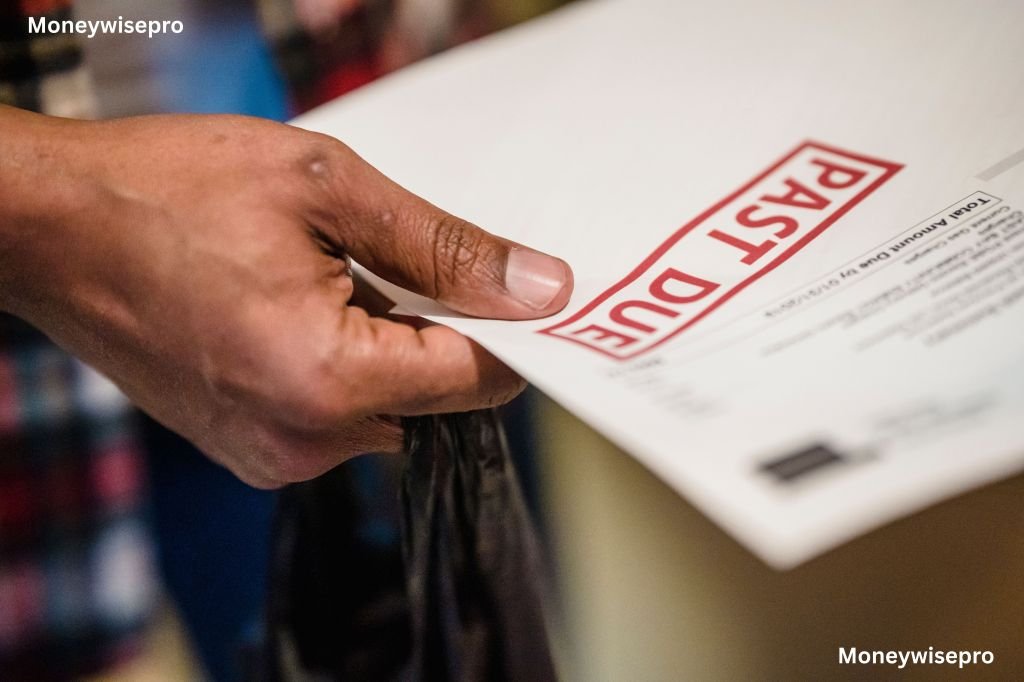
Millions of American homeowners are missing house payments right now, and the safety net that used to catch them is thinner than most people realize. A federal rule that once slowed down the foreclosure process for struggling borrowers is being locked in as permanent, right as more families fall behind than they did a year ago. If you are falling behind on your mortgage in 2026, or you are worried you might be soon, the rules have quietly changed under your feet, and almost nobody outside a law office has explained what that actually means.
Here’s what actually happened, because the headlines rarely explain the real timeline. Back in 2021, during the COVID-19 pandemic, the Consumer Financial Protection Bureau added temporary protections to Regulation X, the federal rule that governs how mortgage servicers treat borrowers who fall behind. Those protections did three specific things. They blocked servicers from starting foreclosure paperwork before January 1, 2022. They opened up special pandemic loss mitigation programs built only for COVID-related hardship. And they required extra live contact attempts from servicers reaching out to struggling borrowers, a requirement that ran through October 1, 2022.
Those pandemic-only protections quietly disappeared already, and most people never noticed. The CFPB rescinded them through an interim rule that took effect July 15, 2025, more than a year ago, according to the official notice published in the Federal Register. The emergency itself had already ended back in May 2023, so the change felt more like routine paperwork than real news at the time.
What is actually new in 2026 is different, and this is the part almost nobody covering personal finance has caught yet. The CFPB now plans to finalize that rescission for good, likely by November 2026, locking it in as permanent federal policy instead of a temporary interim rule. Right now the change technically still leaves a small legal door open. Once it becomes final, that door closes for good, and it is closing at the exact moment more homeowners are struggling to keep up with their payments. The Mortgage Bankers Association’s own survey data for 2026 put the national delinquency rate at 4.44 percent in the first quarter, dipping only slightly to 4.37 percent by the second quarter, a real signal that falling behind on your mortgage in 2026 is happening to more families than lenders would like.

Losing the pandemic-only rules does not mean homeowners are left with nothing, and this is where most coverage stops short. Standard Regulation X protections still apply to every borrower, pandemic or not, and most people never learn about them until they actually need them. Here is exactly what changed and what is still standing.
| Protection | During the COVID Era (2021-2022) | Standard Rule Now, in 2026 |
|---|---|---|
| Foreclosure delay | Blocked until at least January 1, 2022, no matter the hardship reason | Blocked only until the loan is 120 days delinquent, still active under Reg X |
| Loss mitigation options | Special pandemic-only modification programs | Standard repayment plans and loan modifications, no pandemic-specific option |
| Servicer contact requirement | Enhanced outreach required through October 1, 2022 | Live contact by day 36, written notice by day 45, under standard Reg X |
Here’s what that actually looks like with real numbers attached. Say a family’s mortgage payment is 1,800 dollars a month, and a lost job means the September payment gets missed. Under the standing federal rule, the servicer legally cannot file the first foreclosure paperwork until the loan is 120 days past due, which lands in early January. That gap is not automatic protection. It is a window, and the borrower has to use it. The single most useful move inside that window is calling the servicer directly and asking, by name, for a loss mitigation application, not just a generic payment extension. A CFPB guide on mortgage payment options walks through exactly what to ask for, and HUD-approved housing counselors offer this same kind of help completely free, which matters because plenty of companies charge for advice a borrower can get at no cost.
A missed mortgage payment rarely happens alone, and this breaks down why credit card balances are climbing at the same time: the real number the Fed just made more painful.
Homeowners with an FHA-insured loan actually have more on the table than most people assume, and almost no personal finance coverage mentions this part. HUD requires FHA servicers to work through a specific menu before foreclosure, starting with a repayment plan that adds a portion of the missed amount onto future monthly payments, moving through temporary forbearance, and including a standalone partial claim, where the past-due amount becomes an interest-free second lien that is not due until the home is sold or refinanced. If none of those fit, FHA servicers can also offer a permanent loan modification, a combined modification and partial claim, or a payment supplement that temporarily lowers the monthly bill for up to three years using a partial claim to cover the gap. A borrower generally only gets one permanent option every 24 months, so it is worth asking the servicer directly which of these apply before agreeing to anything, since not every representative volunteers the full list on the first call.

Falling behind on your mortgage in 2026 does not have to end at the servicer phone call, either. Homeowners can look up whether their loan is backed by Fannie Mae or Freddie Mac, since federally backed loans sometimes carry servicer requirements stricter than the Regulation X floor. Reading a recent mortgage statement closely also matters more than usual right now, since rising home insurance costs have been quietly pushing monthly escrow payments up in a lot of states, which can make a household technically behind without ever missing a payment on purpose.
One more pandemic-era resource is quietly running out at the same time, and the timing is not a coincidence. The Homeowner Assistance Fund, the program that gave struggling homeowners direct cash grants to catch up on missed payments, was always meant to end once its money ran out or by September 2026, whichever came first. Most states have already burned through their allocation and stopped taking new applications, and only a small handful still had a program open as of this year. If a homeowner has not checked their own state’s housing finance agency page recently, this is the month that answer is most likely to be no.
Money stress has a way of making people freeze instead of pick up the phone, and that hesitation is usually what costs the most in the end. I know that same pull to avoid opening a bill instead of dealing with it, even when the number waiting inside was far smaller than what a missed mortgage payment can eventually turn into.
None of this is easier to manage without knowing exactly when a payment is due and what is sitting in an account to cover it, especially during a stretch where one missed date can set off a chain of fees. Grab a free payment-due tracker you can set up today.
This connects to a wider pattern playing out across household budgets this year: why your safety net doesn’t stretch as far as it used to.
Have you checked what your own mortgage servicer is actually required to do before it ever gets close to foreclosure?
Disclaimer: MoneyWisePro is not a financial advisor. This article is for general information only and is not financial advice. Confirm your own situation directly with your mortgage servicer or a HUD-approved housing counselor before making decisions based on this article.