Tag: Frugal Living

  • 60% of Americans Bought Secondhand Last Year — and 8 in 10 Say It’s About Money, Not the Planet. I’ve Been Doing This My Whole Life.

    60% of Americans Bought Secondhand Last Year — and 8 in 10 Say It’s About Money, Not the Planet. I’ve Been Doing This My Whole Life.

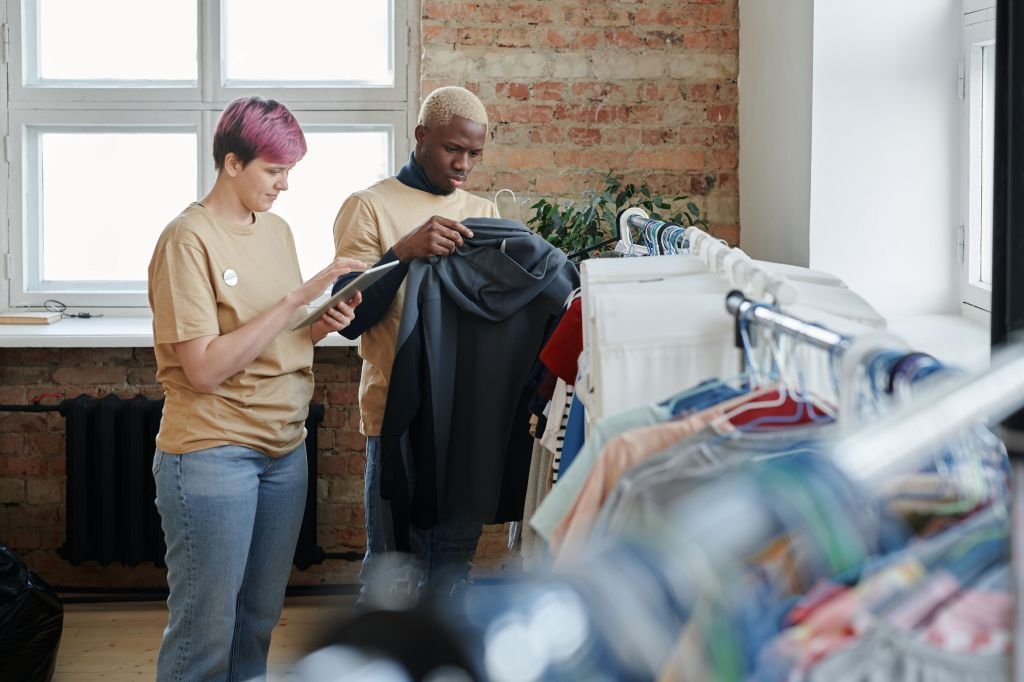
    A rack of secondhand clothing in a thrift store

    I’ve never once felt embarrassed buying something used. Growing up, and still now, secondhand wasn’t a lifestyle choice — it was just how you made money stretch further. I never thought of it as trendy. Apparently, now it is.

    Now I watch wealthy people talk about shopping secondhand like it’s some virtuous discovery. For me, it was just survival. There’s something bittersweet about watching something that used to be a sign of struggle become fashionable.

    ThredUp’s 2026 Resale Report, based on a survey of 3,300 adults, found 60% of American consumers bought something secondhand in 2025. The resale market hit $55.5 billion that year, growing 14% in a single year — four times faster than the regular new-clothing market.

    Did you buy anything secondhand this year, even something small, without really thinking of it as a “trend”?

    It’s about money, not the planet — and people are honest about that

    Here’s the part I actually found refreshing: when researchers ask people WHY they shop secondhand, the environment isn’t the main reason. eBay/OfferUp research found 79% say saving money is their top motivation, with only 45% citing sustainability. Separate research from BCG and Vestiaire Collective found almost the same thing: 80% say affordability comes first.

    Secondhand items typically cost 60% to 75% less than buying new. That’s not a small discount — that’s the difference between affording something and not.

    DemographicSecondhand Purchase RateSourceYear
    Gen Z & Millennials68%ThredUp2024
    Age 38-5532%ThredUp2024
    Age 56-6516%ThredUp2024
    All Americans60%ThredUp 20262025

    Motivation for Secondhand Shopping:

    ReasonPercentageSource
    Save Money79%eBay/OfferUp
    Affordability First80%BCG/Vestiaire
    Sustainability45%eBay/OfferUp
    Average Cost Savings60-75%General

    Market Data:

    MetricAmountGrowthSourceYear
    Resale Market$55.5 billion14%/yearThredUp2025
    Growth Rate vs New Market4x fasterThredUp2025

    Have you ever felt like you had to pretend a secondhand purchase was about “sustainability” instead of just admitting it saved you money?

    I stopped pretending years ago. When someone asks why I buy used, I just say it’s cheaper. That honesty feels more respectful than wrapping a budget necessity in environmental language.

    A person browsing items at a secondhand market

    The generational gap is bigger than you’d expect

    ThredUp’s research found 68% of Gen Z and Millennials bought secondhand clothing in 2024, compared to only 32% of people aged 38-55, and just 16% of people aged 56-65. That’s not a small gap — younger generations aren’t just tolerating secondhand shopping, many treat it as the default first stop, not the backup plan.

    Generational difference: Why Young Americans Are Leaving Their Cities

    I never had the luxury of treating “buy new” as the default in the first place. For me, checking what’s already out there, used, before spending on new was never a phase — it’s just what building something from nothing actually looks like.

    What I actually do before buying anything now

    Before I buy anything beyond food or a bill, I ask myself if a used version exists first, even for things I wouldn’t normally think to check.

    I look at the actual price difference, not just whether something is “used” — sometimes it’s barely cheaper, and that changes the decision.

    I remind myself that needing something secondhand isn’t a downgrade from a plan that failed — for a lot of people now, apparently, it’s just the smarter first move.

    Same mindset: I Used to Live Paycheck to Paycheck

    A person holding a shopping bag outside a secondhand store

    Do you check secondhand first, or only after you’ve already decided to buy something new?

    Compare savings: The Average American Spends $3,045 a Year on Impulse Buys

    Disclaimer: This article is for educational purposes only and should not be considered as financial advice. Secondhand shopping options and prices vary by location and item. Consult with a qualified financial advisor before making major purchasing decisions.


  • “10 Easy Ways to Save Money Every Month”

    “10 Easy Ways to Save Money Every Month”

    I used to spend every dollar that came in. No savings plan. No budget. Just spend and worry later.

    Then I realized I was broke all the time. The solution? I started small. Really small. And it changed everything.

    Saving money doesn’t have to be hard. Small changes in your daily habits can add up to hundreds of dollars every month. From tracking my own spending, I’ve found these 10 simple ways that actually work.

    1. Make a Budget

    Write down how much money you earn and how much you spend. When you see your spending clearly, it’s easier to cut back.

    The truth? Most people don’t know where their money goes. They think they save but they’re just guessing. I tracked mine for one month and was shocked. I was spending $300 on things I didn’t remember buying.

    2. Cook at Home

    Eating out is expensive. Cooking at home can save you $200 or more every month. Simple meals are cheap and healthy.

    I cut my food budget in half just by cooking 4 days a week instead of eating out. That’s real money in your pocket.

    3. Cancel Subscriptions You Don’t Use

    Check your bank statement. Do you pay for Netflix, gym memberships, or apps you rarely use? Cancel them today.

    Most Americans pay for 3-5 subscriptions they’ve forgotten about. That’s $30-50 per month wasted.

    Honestly, I didn’t realize how much I was bleeding money on subscriptions until I sat down and looked at my bank statement. Netflix, Spotify, some app I used once… it all adds up.

    4. Buy Generic Brands

    Store brands cost 20-30% less than name brands. The quality is usually the same. Try it for one month and you’ll see the difference in your bill.

    5. Use Coupons and Cashback Apps

    Apps like Ibotta and Rakuten give you real cash back on things you already buy. Free money. No effort.

    6. Stop Impulse Buying

    Before buying anything, wait 24 hours. If you still want it tomorrow, then buy it. Most times you will forget about it.

    I’ve saved hundreds just by waiting. The urge to buy passes.

    I learned this one the hard way. Just waiting a day before buying something changed everything for me. Most times I forget I even wanted it.

    7. Save on Electricity

    Turn off lights when you leave a room. Unplug devices you’re not using. This can save $50 or more per month.

    8. Buy Second Hand

    Websites like Facebook Marketplace and ThredUp sell good quality items at very low prices. Why pay full price?

    9. Plan Your Grocery Shopping

    Make a list before you go to the store. Never shop when you are hungry. Stick to your list.

    Comparison: Grocery Shopping Smart vs. Unplanned

    StrategyMonthly CostAnnual Savings
    Shop with list, not hungry$300
    Shop without list, hungry$450-$1,800
    Use coupons + list$250+$600

    10. Set Up Automatic Savings

    Ask your bank to automatically move $10 or $20 to savings every week. You won’t miss it but it will grow fast.

    This is the single most effective method I’ve used. You forget the money exists, so you spend less.

    Learn more: 53% of Americans Can’t Cover Emergency FundS


    Final Truth

    You don’t need to do all 10 at once. Pick 2 or 3 that work for you and start today. Small steps lead to big savings.

    The people who actually save money aren’t the high earners. They’re the ones who change their habits. Start this week.

    So here’s my question for you: which one of these 10 methods are you going to start with this week?

    Disclaimer: This article is for educational purposes only and should not be considered as financial advice. Everyone’s financial situation is unique. Consult with a qualified financial advisor before making investment decisions.