Tag: consumer-finance

  • Don’t Pay That Credit Card Late Fee Yet — Read This 2026 Update First

    Don’t Pay That Credit Card Late Fee Yet — Read This 2026 Update First

    A credit card late fee can hit your account the moment you miss a due date, and in 2026 that fee is probably a lot higher than you think it should be. Back in 2024, the Consumer Financial Protection Bureau announced a new rule capping the typical credit card late fee at just $8, down from $32. A lot of people heard that news once and assumed the cap already applied to them. It doesn’t. If you’ve paid a credit card late fee anytime in the last year, you almost certainly paid the old, higher amount, not $8.

    Here’s what actually happened, because the real story matters more than the headline most people remember. Regulators finalized the $8 cap in March 2024, but banking trade groups sued immediately, and a federal court blocked it before it ever touched a single real cardholder. The fight dragged on for a year, and in April 2025 a federal judge in Texas threw the rule out for good as part of a settlement between the agency and the card industry, which left the older, higher fee framework fully in place, exactly as the official rule page still confirms today. Senate Democrats tried reviving the $8 idea through a new bill in January 2026, and separately, the CFPB signaled in July 2026 that it may attempt new rulemaking again through a different legal path. None of that has changed anything yet. Until one of those efforts actually becomes enforceable law, your statement will keep following the older rules, not the $8 number that made headlines two years ago.

    So what does a credit card late fee actually cost you right now? Based on real 2025-2026 issuer data, the typical first-time credit card late fee sits around $30 to $32, and a repeat late payment within six billing cycles can push that fee up to $41 or $43. Smaller banks, credit unions, and store or subprime cards tend to land at the higher end of that range. The number people remember from the news and the number actually printed on a real statement are two different things in 2026, and that gap is exactly where the confusion lives.
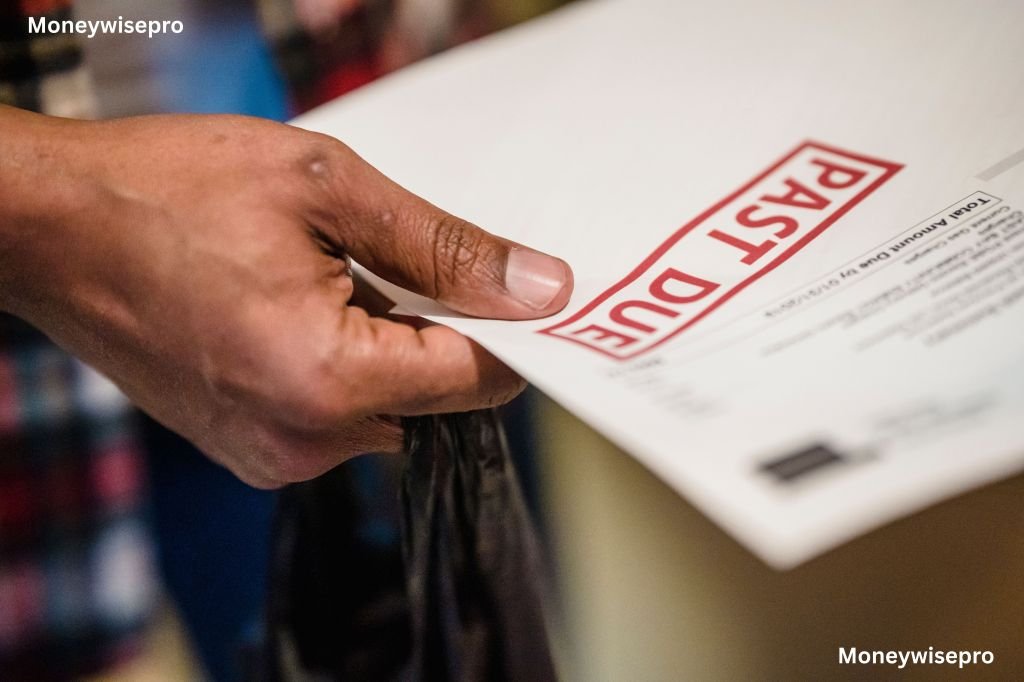
    Close-up of hands holding a credit card billing statement showing a past due balance notice.

    Here’s what actually helps, and it has nothing to do with waiting on Congress. A credit card late fee is one of the more negotiable charges on an account. Most major issuers have a “goodwill” adjustment process, and a first-time late payment on an account with a decent history gets waived more often than people expect, simply because someone called and asked. It costs nothing to try, and it works far more often than the regulatory back-and-forth would suggest.

    The second fix is even simpler: set at least the minimum payment to autopay. That one setting doesn’t cost you any flexibility, since you can still pay more manually whenever you want, but it guarantees a credit card late fee never becomes a possibility in the first place, no matter how busy or forgetful a particular month turns out to be. Most banking apps let you set this up in under two minutes, and it’s one of the few money habits that quietly protects you without ever requiring a second thought once it’s in place.

    Same principle applies to a related credit card myth worth clearing up while we’re on the topic:
    Average American Owes $6,715 in Credit Card Debt. The Fed Just Made That Number More Painful.

    A person at a kitchen table talks on the phone while reviewing a paper bill.

    Here’s a nuance almost nobody explains clearly. A credit card late fee gets charged the moment your payment is late, sometimes just a day past the due date. Your credit score is a different matter entirely. Under federal credit reporting rules, an issuer generally cannot report a late payment to Equifax, Experian, or TransUnion until it’s a full 30 days past due. That means a payment that’s five or ten days late can cost you a real credit card late fee without touching your credit score at all, as long as you catch up before hitting that 30-day mark. The fee and the score damage are two separate clocks, and mixing them up is one of the most common money mistakes people make after a missed due date.

    This helps explain why keeping track of due dates matters more than most people admit:
    Is Your Credit Report Really Free in 2026? Here’s What the New $16 Fee Actually Means

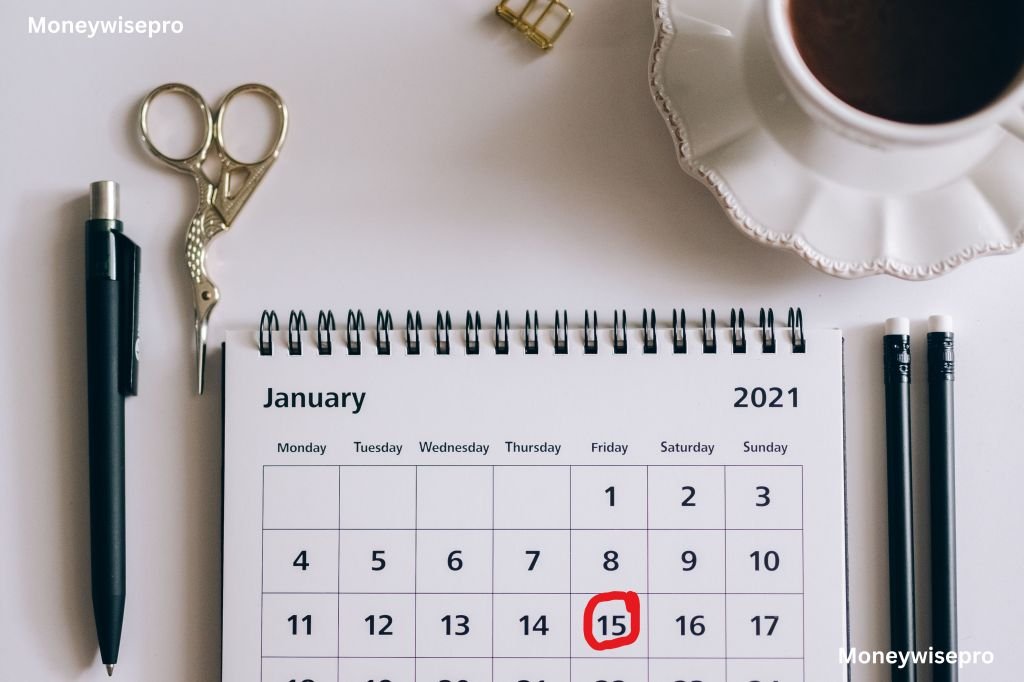
    A wall calendar shows a payment due date circled in red beside a credit card.

    For anyone who wants the short version of how we got here, this is the real timeline behind the headline:

    DateWhat Actually Happened
    March 2024Rule finalized, capping the fee at $8
    May 2024Blocked by a federal court before it ever took effect
    April 2025Vacated by settlement, old fee amounts stay in place
    January 2026Senate Democrats reintroduce a bill to force the $8 cap into law
    July 2026The agency signals it may attempt new rulemaking again

    None of these dates change what’s due on your own account today, which is exactly why a simple reminder system beats relying on memory or old news. a free tracker worth keeping on hand for exactly this kind of situation can catch a payment before it turns into a credit card late fee in the first place.

    Money stories like this one tend to get repeated long after the facts change underneath them, and that gap is where real money gets lost every single day. A five-minute phone call to ask for a fee waiver almost always costs less than staying quiet and assuming nothing can be done.

    Have you ever paid a credit card late fee without asking whether it could be waived first?

    Disclaimer: This article is for general information only and is not financial or legal advice. Fee rules and financial regulations can change, so confirm current terms directly with your card issuer before making a decision.


  • Is Your Credit Report Really Free in 2026? Here’s What the New $16 Fee Actually Means

    Is Your Credit Report Really Free in 2026? Here’s What the New $16 Fee Actually Means

    Is your credit report really free in 2026? For most people, yes, but not always, and the fine print just got a fresh update. Starting January 1, 2026, the Consumer Financial Protection Bureau raised the maximum fee a credit bureau is allowed to charge for a credit report to $16, up 50 cents from the old $15.50 cap. That number sounds small, until you’re the one staring at a checkout screen wondering why a report you assumed was free suddenly has a price tag on it.

    This isn’t a brand new tax on your credit history. It’s an annual inflation adjustment the Fair Credit Reporting Act has required every year since the 1990s, and it only kicks in for people who fall outside the free-report rules. The real problem is that most Americans have no idea what those free-report rules actually cover, so a fee that should almost never apply to them ends up catching people off guard anyway.

    That confusion costs people real money. Some pay $16 out of pure uncertainty, not because they were required to. Others skip checking their credit report altogether because they assume it always costs something, and that avoidance is exactly how errors, old collections, and identity theft slip through unnoticed for months.

    So is your credit report really free in 2026, or not? The honest answer is that it depends entirely on how and when you ask for it, and almost nobody walks through those rules before they hit the request button. A little context turns a confusing checkout screen into a five minute task with zero surprises.

     A person sits at a house garden table reviewing paperwork while checking a laptop screen .

    Here’s what’s actually free, and it covers almost everyone. Since September 2023, all three major bureaus, Equifax, Experian, and TransUnion, permanently offer one free credit report every week through AnnualCreditReport.com, the site created specifically for this purpose under federal law. That weekly access never expires, and it applies whether you’re checking for the first time this year or the fifth.

    On top of that, the Fair Credit Reporting Act guarantees a free report in several other situations. If you were denied credit, insurance, employment, or housing in the last 60 days based on something in your file, the report is free. If you’re unemployed and job hunting within the next 60 days, it’s free. If you’re on public assistance, or you believe your file is inaccurate because of fraud, it’s free too, according to the Federal Trade Commission.

    The $16 fee cap only applies once you’ve used up your free options and request an additional report outside of those exceptions, say, a second pull in the same week out of pure curiosity, or a report from a smaller specialty bureau that tracks things like rental history or medical debt. The CFPB confirmed the new 2026 cap in a final rule that adjusts the maximum charge for inflation every year, as required by law.

    Here’s the practical part. Go straight to AnnualCreditReport.com, not a copycat site, and request your report there first, every time, before anywhere else. If a site asks for a credit card number just to view a report, that’s the fee-based route, not the guaranteed free one, and it’s usually not necessary. Keeping that one habit is really the whole answer to whether your credit report is free in 2026, since the free path almost always covers what people actually need.

    Worth separating clearly: this fee is about your credit report, the full file of your account history, not your credit score. Scores are a different product, and plenty of banks and card issuers hand those out free with no catch, so a $16 charge for a report doesn’t mean your score is locked behind a paywall too.

    Speaking of scores, this one clears up a common myth about what actually moves the number:
    Your Income Doesn’t Affect Your Credit Score. Here’s What Actually Does.

     Close up of hands holding a printed credit report next to an open laptop computer.

    Some people figure paying $16 once in a while isn’t worth arguing over, and for a household with room in the budget, that’s a fair call. But for someone stretching every paycheck, that’s a real cost for something the law almost always guarantees for free, and paying it usually means the free option was overlooked, not that it didn’t exist. Is your credit report really free in 2026 even in that situation? Almost always yes, as long as you know which door to walk through first.

    There’s also a version of this that costs more than money. Skipping your credit report because you assume it costs something means you might not catch a collection account that isn’t yours, a credit card opened in your name, or an old medical bill still dragging your score down long after it should have dropped off.

    That last one matters more than most people realize:
    Medical Debt Can Still Wreck Your Credit Score. Here’s the Real Rule in 2026.

    A calendar shows a circled date next to a coffee cup on a desk.
    SituationDo You Pay?Cost
    Weekly report from AnnualCreditReport.comNo$0
    Report after a credit, job, or housing denial (last 60 days)No$0
    Report while unemployed and job huntingNo$0
    Extra report outside the free cases aboveMaybeUp to $16 (2026 cap)

    If tracking dates like these feels like one more thing you’ll forget, that’s normal, and it’s exactly why a simple system beats relying on memory. A free tracker you can grab in under a minute can help you keep track of when you last checked instead of guessing.

    Checking a credit report feels like homework nobody wants to do until something goes wrong and it suddenly becomes urgent. A five minute check now beats a stressful phone call to a credit bureau six months from now.

    Have you actually checked whether your last credit report request was free, or did you end up paying for something you didn’t have to?

    Disclaimer: This article is for general information only and is not financial, legal, or credit counseling advice. Rules and fee caps can change, so confirm current details directly with the CFPB, FTC, or the credit bureau before making a decision.

  • Here’s How Long Your Bank Can Legally Hold Your Check Before You See That Money

    Here’s How Long Your Bank Can Legally Hold Your Check Before You See That Money

    A check hits your account and the number changes right away. Then a little tag shows up next to it, pending, or on hold. No explanation, no timeline, just a deposit sitting there while the bills don’t wait. It’s one of the most common questions typed into a search bar every single day, how long can a bank legally hold your check. Most people never actually get a real answer, because the notice on the account rarely spells it out in plain English.

    person depositing a paper check into a bank account

    There’s a real federal rule behind this, not a random decision made by one branch manager. It’s called Regulation CC, part of the Expedited Funds Availability Act, and it sets the outer limit on how long a bank can legally hold your check before that money has to show up as usable.

    For most deposits, the wait is short. A check under $275, a government check, a certified check, or one deposited in person with a teller usually has to be available by the next business day. A regular paper check over that amount, or one dropped into an ATM, typically gets one extra business day added on, so the money lands on day two instead of day one.

    The wait gets longer once certain red flags show up. Banks can stretch a hold out to seven business days total when the account is less than 30 days old, when the deposit is over $6,725 in a single day, when the account has had repeated overdrafts in the past six months, when the check already bounced once and is being redeposited, or when the bank has a documented reason to doubt the check will actually clear. Brand new accounts depositing a large official check can be held even longer, up to nine business days on the part over $6,725. In every one of those cases, the bank is required to notify the account holder in writing, stating the reason for the hold and the exact date the funds become available.

    A business day only counts Monday through Friday, and it skips federal holidays entirely, so a check deposited on a Friday afternoon does not really start its clock until Monday morning. That one detail explains a surprising number of confused calls to customer service on Tuesdays.

    Here’s how long a bank can legally hold your check under the rules as they stand right now, laid out by deposit type.

    Deposit TypeStandard Hold Under Regulation CCCan It Be Extended
    Check under $275Next business dayRarely
    Government or certified checkNext business dayRarely
    Personal check over $275Second business dayYes, up to 7 business days
    ATM deposit at the bank’s own machineSecond business dayYes, up to 7 business days
    Deposit over $6,725 in one daySecond business day for first $6,725Yes, up to 7 business days on the rest
    New account, 30 days old or lessVaries by bank policyYes, up to 9 business days on large checks
    Redeposited check that already bounced onceVaries by bank policyYes, up to 7 business days

    That’s the rule as it stands today, and it’s the part almost every existing guide online stops at. What most of those guides leave out is that this rule is actually in the middle of changing.

    a calendar with several days marked off showing someone waiting for a bank hold to end

    Congress is currently working on a bill that could stretch the wait even further than seven days. The STOP Payments Fraud Act of 2026, introduced by Rep. Young Kim in June 2026 and already passed by the House Financial Services Committee, would let banks skip the standard availability deadlines entirely whenever they have a reasonable suspicion of fraud on a check or wire transfer. The bill does not set a new maximum in its place. Instead, it leaves the real cap up to future rulemaking by the Federal Reserve and the Consumer Financial Protection Bureau, which means the current seven day ceiling could stop being the actual ceiling at all.

    This helps explain the timing:
    My Bank Account Fees Are Eating My Paycheck

    The reason lawmakers are pushing this is real money, not politics. FinCEN found banks reported $688 million in mail theft related check fraud in just a six month stretch, and current law forces a bank to release funds before its own fraud investigation is even finished. That gap between paying out the money and actually catching the fraud is exactly what this bill is trying to close.

    The tradeoff cuts in two directions at once. A longer hold on a genuinely fraudulent check protects the bank, and indirectly protects every other customer from quietly absorbing that loss. A longer hold on a real, legitimate check just means a longer wait for someone who was counting on that money landing on schedule. The bill does include one real protection worth knowing about, if a bank delays funds under this rule and skips the required notice, it is not allowed to charge an overdraft fee for anything that bounces because of that delay.

    a person reviewing a printed bank statement at a kitchen table checking for deposits

    There are a few things worth checking the moment a deposit shows as pending longer than expected. Ask the bank directly for the written hold notice, since federal rules require one for any extended hold, and it has to state the exact date the funds become available. Ask plainly whether the hold falls under the standard rules or one of the fraud-related exceptions, since the reason changes what can actually be done about it. An account holder who believes a bank ignored its own published hold policy can also file a complaint directly with the Consumer Financial Protection Bureau, which tracks exactly these kinds of funds availability disputes.

    Watching a bank account for a deposit that has not cleared yet is a strange kind of waiting, somewhere between checking a phone for a reply and refreshing a delivery tracking number. Many Americans describe the same quiet frustration, not because the money disappeared, but because nobody actually explained why it is not there yet.

    A hold that drags on for even a few extra days can turn into a real problem for anyone living close to the edge of their next paycheck, which is exactly why having something set aside matters so much before that gap ever opens up.

    A hold like this is exactly the kind of gap a simple budget tracker can help catch early, before it turns into a bigger cash flow problem. There’s a free one available here if keeping tabs on deposits and spending sounds useful.

    Worth reading next:
    53% of Americans Can’t Cover a $1,000 Emergency. I’m Building Mine From Zero — Here’s My Plan.

    For now, the seven day rule is still the real limit for most everyday deposits. Whether that stays true depends on what happens the next time this bill reaches a full vote in the House, and on what the Federal Reserve and CFPB eventually decide counts as a reasonable extra wait once it passes. Many Americans who deposit checks regularly, freelancers, landlords collecting rent by mail, small business owners, may want to keep an eye on this one, since it is genuinely not settled yet.

    None of this means every hold is unfair or a sign something went wrong. Rate hikes get explained by risk pools, and check holds get explained by fraud math, both are real, documented reasons, not random punishment aimed at one specific customer.

    The next time a deposit sits there a little too long, is it the standard rule everyone agrees to when they open an account, or something new that has not even been finalized yet?

    Disclaimer: MoneyWisePro is not a financial advisor, lawyer, or bank representative. This article is for general information only and is not financial or legal advice. Always check with your own bank or a licensed professional before making decisions about your account.